The Fourth Largest Ancient City of China – Chongqing Anju, Why Far From the Ocean Yet Has a Temple Dedicated to Mazu
The Temple of Mazu, or Tianhou Temple, is probably familiar to everyone, especially for those living in the southeast coastal areas, it is a faith passed down through generations, and there are more than 100 Tianhou Temples across the country, and many have been built overseas. The offerings made to the Tianhou Temple are all the same—the common belief of the sailors, shipbuilders, travelers, merchants, and fishermen of each era. Before embarking on a sea voyage, people would first visit the Tianhou Temple or Mazu Temple to pray for favorable winds and safety. Some even set up the shrine of Mazu on the ship for worship.
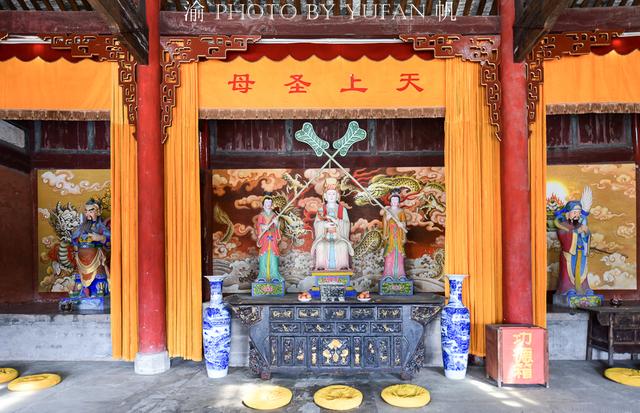
Unlike many gods, Mazu is unique because she is historically a real person, her original name was Lin Mu, born in the first year of the Northern Song Dynasty’s Jianlong reign. Legend has it that she was brave and intelligent from a young age, she studied under a master at the age of eight, she could memorize texts; at the age of ten, she recited scriptures and prayed to Buddha with her mother, Wang; at the age of thirteen, she was pointed out by an old Taoist priest, she was granted ‘Mystic Secret Law’, she could recognize all kinds of important documents; at the age of fifteen, she could treat illnesses and help the poor. She was familiar with water, she could navigate, she could haul cables, and she patrolled the islands, often rescuing ships in distress. She also ‘performed divination’ and worked diligently, eventually becoming a protective deity on the sea.
As a sea god, it is normal for coastal areas to have Tianhou Temples or Mazu Temples, but there is a Tianhou Temple in Chongqing’s Tongliang, which has no sea and it's difficult to sail from Tongliang, so what is the reason?
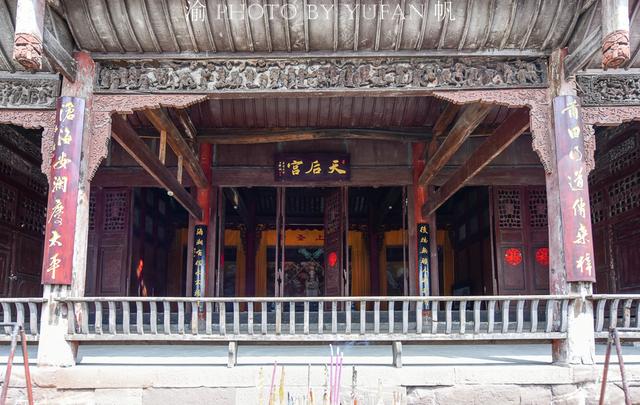
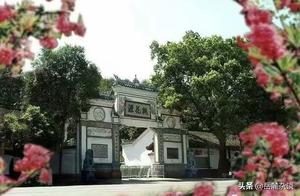
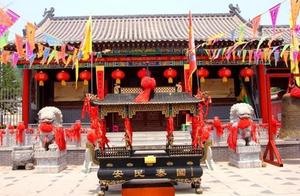
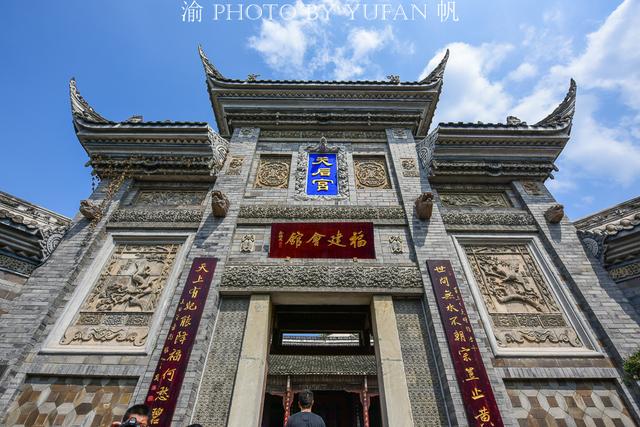
This Tianhou Temple is located in Chongqing’s Anju Ancient Town, which is one of the Four Ancient Cities of China – along with Pingyao, Langzhong, and Lijiang. It has two identities: the Tianhou Temple and the Fujian Guild Hall, which is also known as the Chinese Chamber of Commerce in Chongqing. Although they don’t need to go out to sea in Anju, Mazu is their faith, and they can worship Mazu wherever they go. For example, before doing business, they would visit Mazu to pray for a smooth collaboration; or before traveling far, they would visit Mazu to pray for a safe journey.
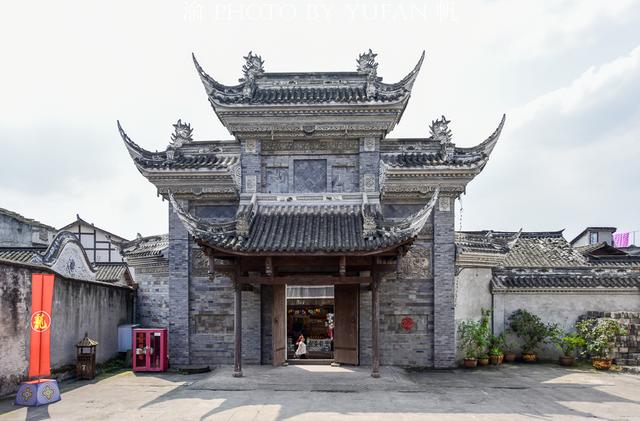
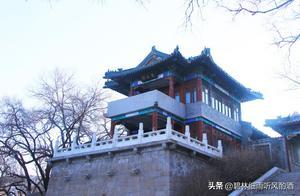
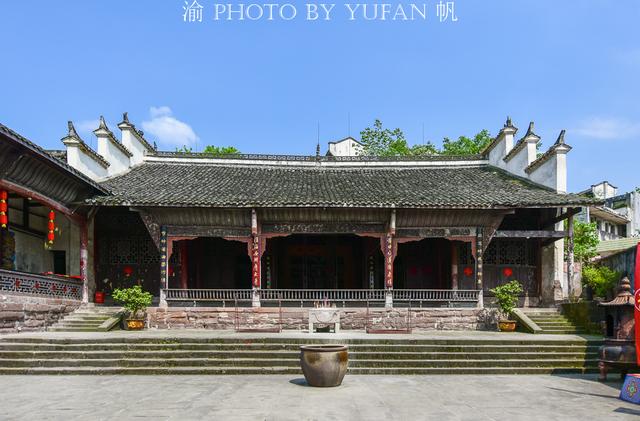
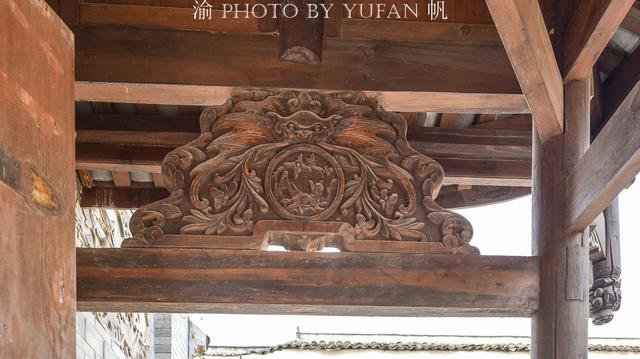
The structure of the Tianhou Temple in Anju is a combination of Liang-style and Dou-style structures, which is unique. Its Huizhou architectural style is rare in the Ba region, not only compared with the surrounding buildings, but also has extremely valuable cultural and artistic value. The layout of the Tianhou Temple is ingenious, the courtyard and tower design is rigorous, and the Huizhou architectural features of the horse-headed walls are varied and rich in change, with blue tiles and white walls and abundant carvings.
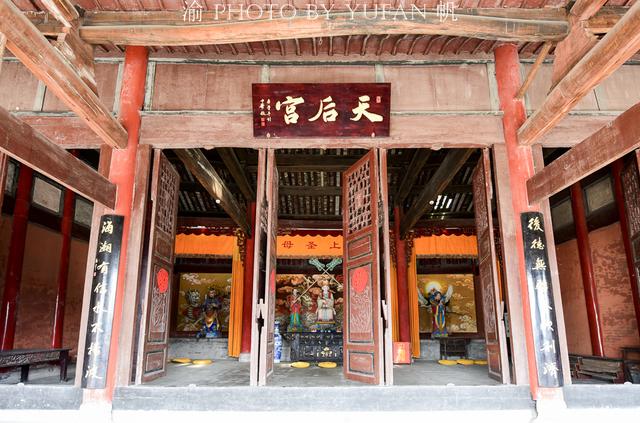
The reason why Anju has these Tianhou Temples can be traced back to Anju's long history. Anju Ancient Town was built during the Sui Dynasty, originally named Chishui County, it has a history of 1500 years, it is an important port town in Chongqing’s northern suburbs. It has the saying ‘Anju relies on the mountains for its city, bears the Longmen, controls the iron horse, looks up to the Suiping, looks down on Ba, the Jianghu River has traveled thousands of miles to enter, and meets the Xuedixi, Qionggui, and Wuming rivers at the city’s foot, encircling the city three times and forming a deep pool’. Its location is even better than the current Chongqing’s Tongliang District.
Anju has always been a water and land transportation hub along the Feixi River, flowing north from Chongqing to the north, and flowing in turn into the Jialing River and into the Yangtze River, it was a distribution center for materials for Chongqing, Dazu, Tongnan, and Chuanmen counties as early as the early Ming Dynasty. All warring states historians have recorded that armies used the Feixi River (the Feixi River is also the ancient boundary river between Ba and Shu). Because of this geographical advantage, even the ancient traders who were not highly developed, many merchants from all over the country were attracted to this place, one of which is the Fujian Chamber of Commerce that established the Tianhou Temple here.
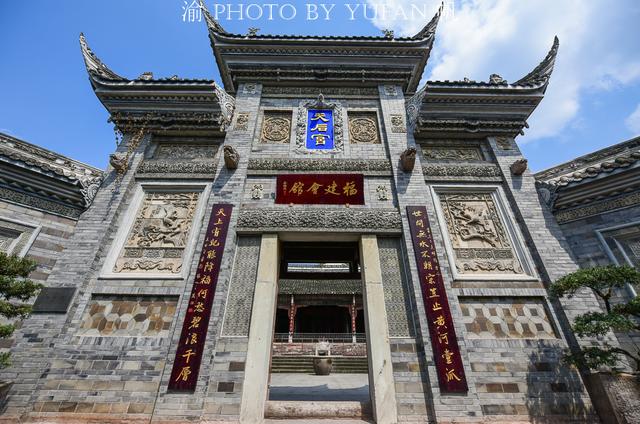
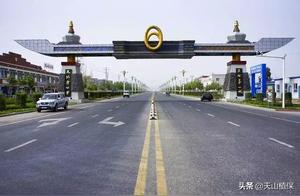
As one of the Four Ancient Cities along with Pingyao, Langzhong, and Lijiang, Anju Ancient Town has many attractions, in addition to the famous Anju Eight Scenery, the Nine Palaces and Eight Temples are also famous. This Tianhou Temple is one of the Nine Palaces and Eight Temples. Although the archway looks like it has been rebuilt, the buildings inside still look ancient and solemn.