The process of exploring Xinchang Ancient Town is our experience of searching for the exquisite ruined Catholic church.
Recently, university classmates from Shanghai gathered in Chengdu, and Old Gao departed to Yuxi, mainly to reminisce about the good times of their university years and to explore the humanistic landscape outside of Chongqing.
Shanghai's classmate, Old Gao, is a long-time classmate and roommate from high school and university, and even a shrewd and stylish local, deeply loved by high school and university classmates – especially female classmates.
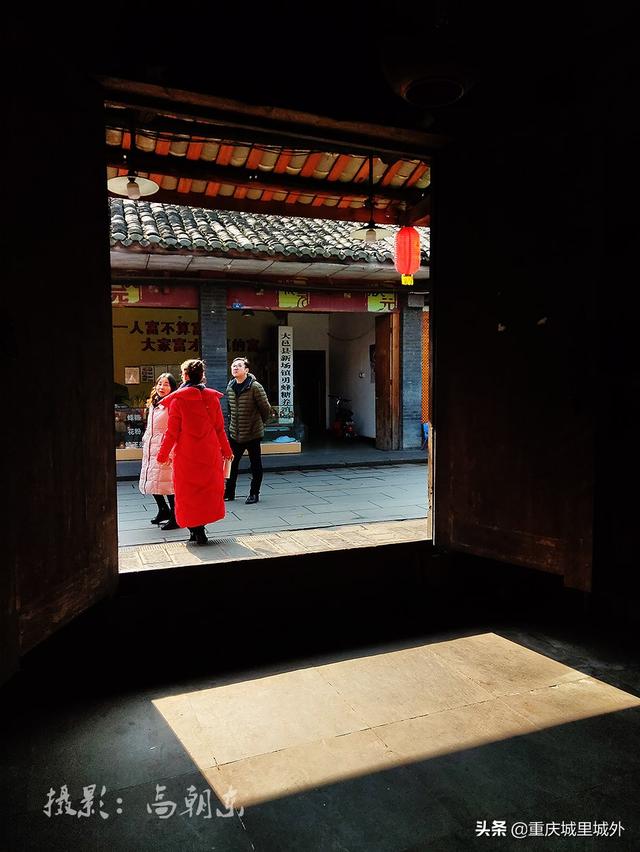
Therefore, Old Gao gained some limelight during this Chengdu trip, genuinely experiencing the deep affection of Chengdu female classmates.
Yeah, oh, it seems like female classmates in Chengdu always give a strong performance whenever they travel to Chengdu! Yeah, okay, let's skip this part and get straight to the point!
During the Chengdu period, besides the delicious evening meals (poor female classmates will have to go on a diet in the following days), what were they doing during the day?
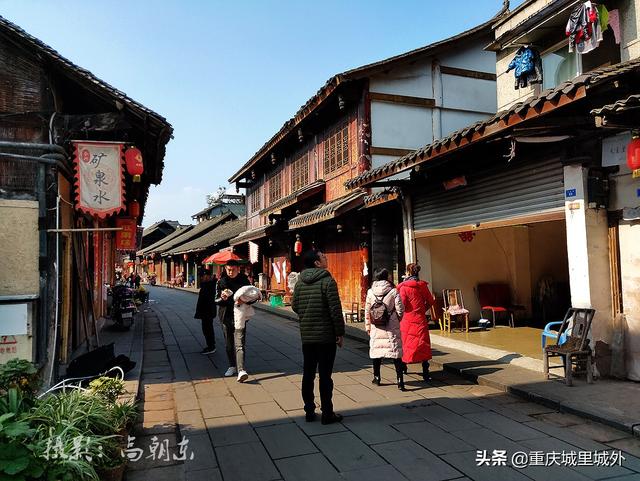
They all knew that Old Gao liked old street towns and humanistic landscapes, so a group of people went back and forth to those old street towns that Old Gao hadn't visited before, to see, explore, and discover.
Xinchang Ancient Town is located in the western plains of Chengdu, 5-60 kilometers from Chengdu.
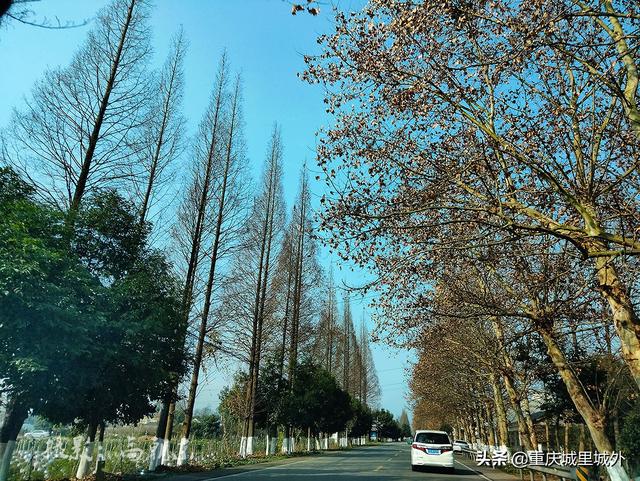
Chengdu Plain driving is easier than Chongqing, so it didn't feel like a long time at all.
Li classmate, who was a beautiful Chongqing girl, had relocated to Chengdu for more than 20 years, so she was very familiar with the leisure places around Chengdu.
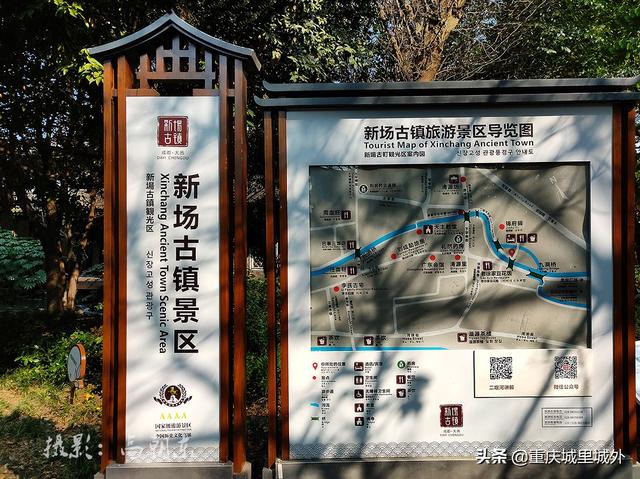
Now, Xinchang Ancient Town has undergone some restoration and construction, and a parking lot, reception center and other tourist scenic areas have been established.
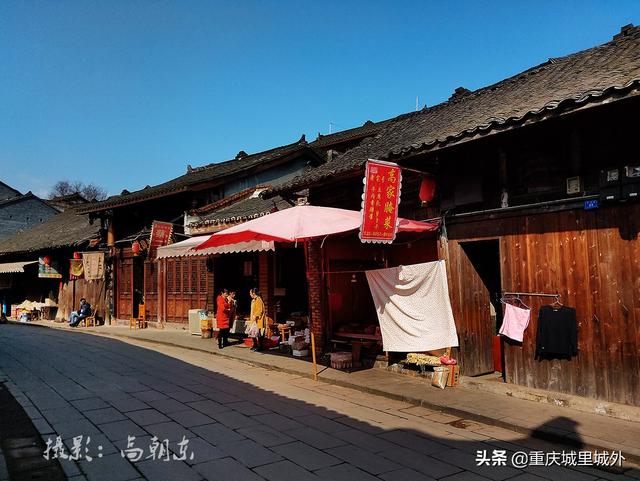
We didn't go to the 'Reception Center', and Li classmate skillfully drove the car into the ancient town for seven or eight turns, and finally parked in a private parking lot inside the ancient town. After getting out of the parking lot, we entered Xinchang Ancient Town's original area – the residential area of the indigenous people.
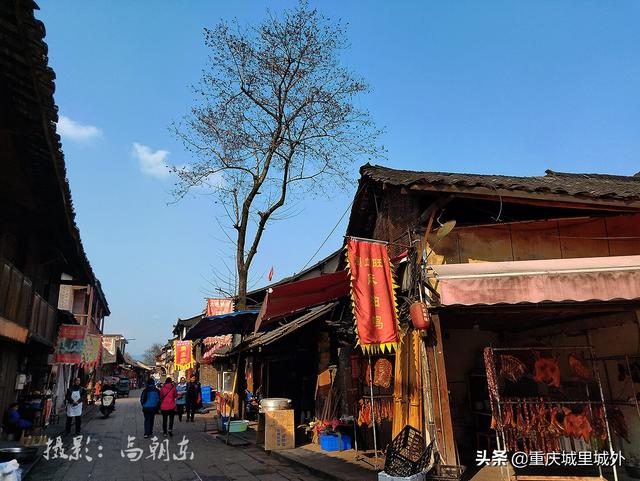
I just glanced at the street outside the parking lot, and I felt that this ancient town was completely different from the 'retro' and 'rebuilt' ancient towns we often see now. It's not only 'authentic' but also 'big'!
Xinchang Ancient Town was built during the Eastern Han Dynasty, formerly known as Qingyuan City. It has enjoyed a good reputation since ancient times, with 'One Xinchang, Two Tangchang, Three Gan' fame. People in the past praised Xinchang: 'Three miles of voices, one street of light in the spring night'.
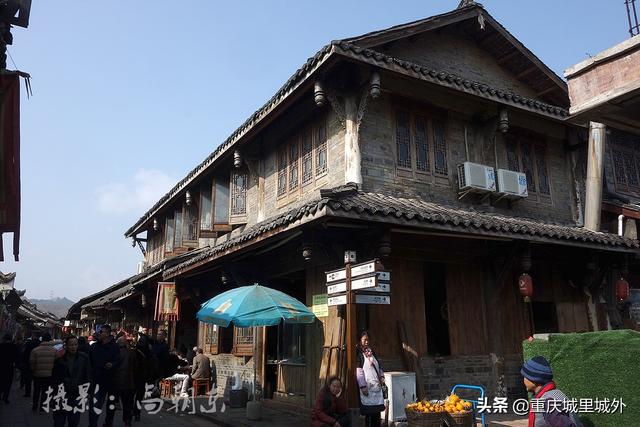
It is one of the historical and cultural towns on the Tea-Horse Road, with a town area of 400,000 square meters.
For centuries, merchants and businessmen have gathered in this town, which is currently the largest and best-preserved western Sichuan water town.
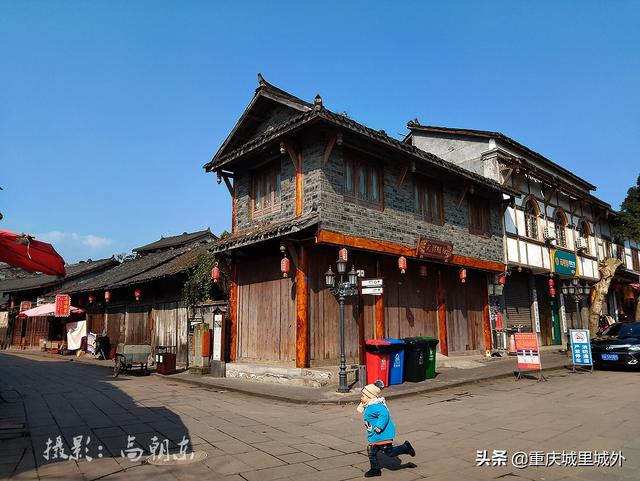
The layout of the town streets is a two-by-two grid structure, with a building area of tens of thousands of square meters. There are 15 Qing Dynasty ancient streets and alleys, including the upper main street, lower main street, Tai Ping main street, Tai Ping alley, Tai Ping transverse street, Shang City street, He River street and Dabie street.
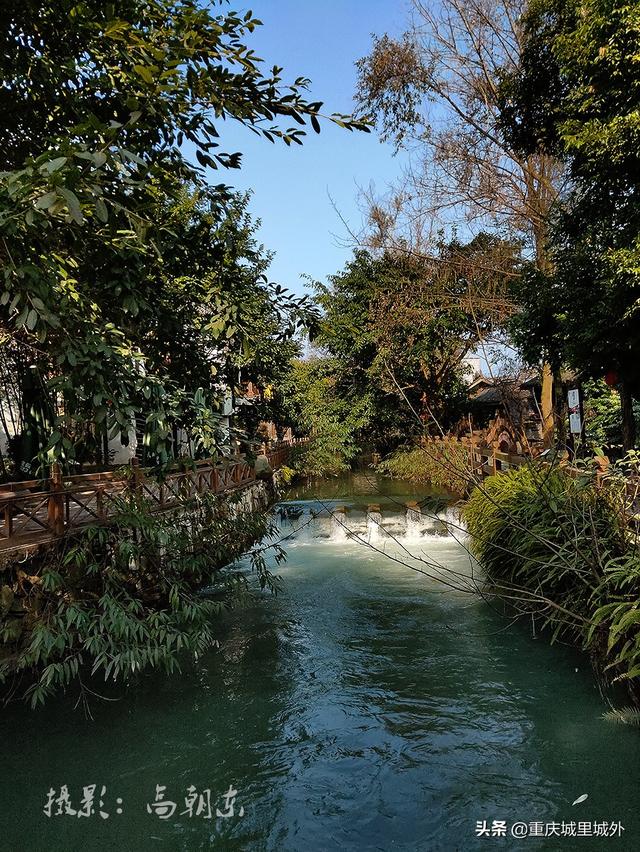
The residential buildings belong to the Ming and Qing Dynasties but also show the characteristics of western Sichuan architecture. The flowing river has been continuously flowing, passing through the town and blending with the ancient buildings.
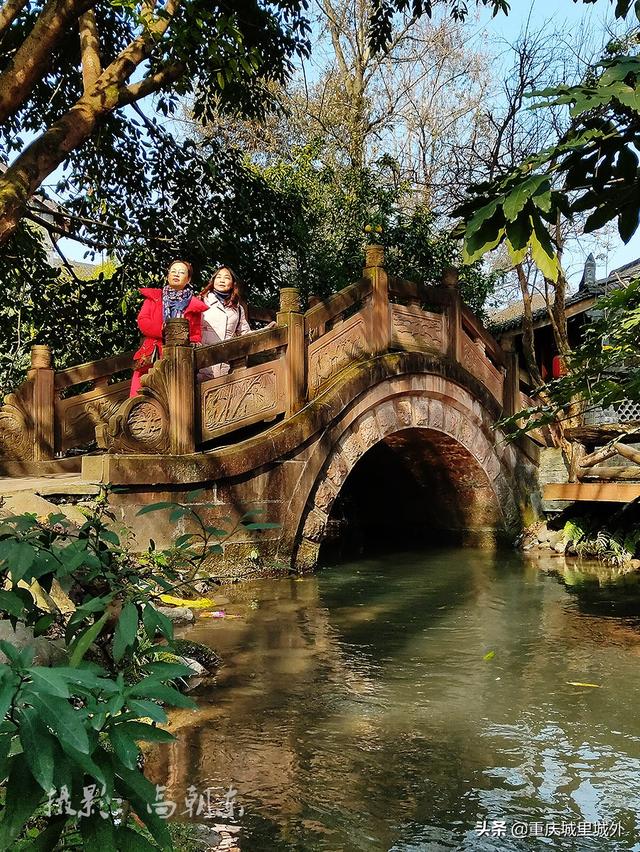
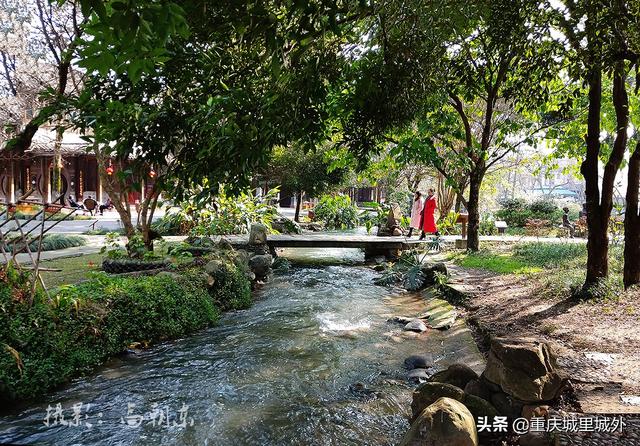
Various bridges of different scales, styles and materials are scattered throughout the town, and the beautiful scenery of 'small bridges and water houses' is everywhere.
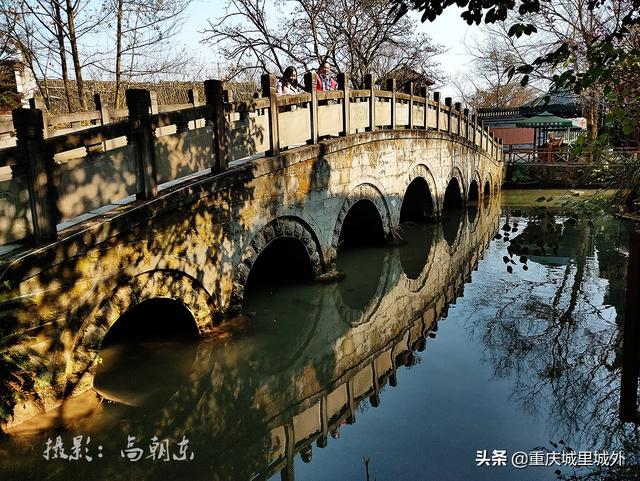
It seems that the reputation of 'water town' is well-deserved.
When renovating Xinchang, two ancient forts were built to create a complete entrance to the town. These are copies of the existing fort in Xunchang Village, with one on the left and one on the right, standing at the entrance of the town, with a magnificent appearance.
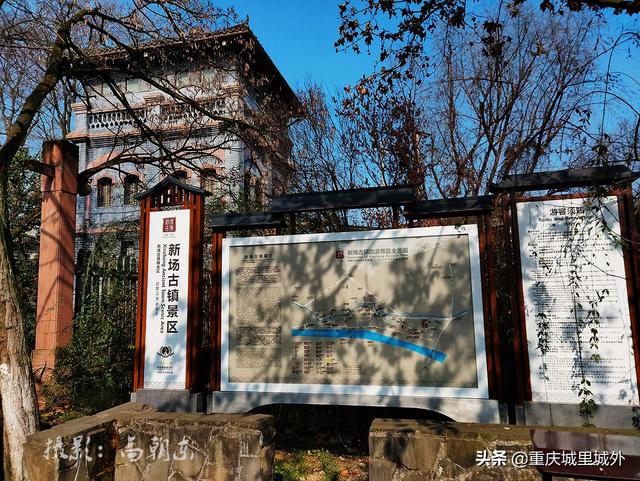
The entire fort has a three-story structure, with both European and Western Sichuan styles, and the exquisite carvings are still visible in the past owner's wealth and extravagance.
In the center of the square in Xinchang, a 'Xinchang Impression Hall' was added.
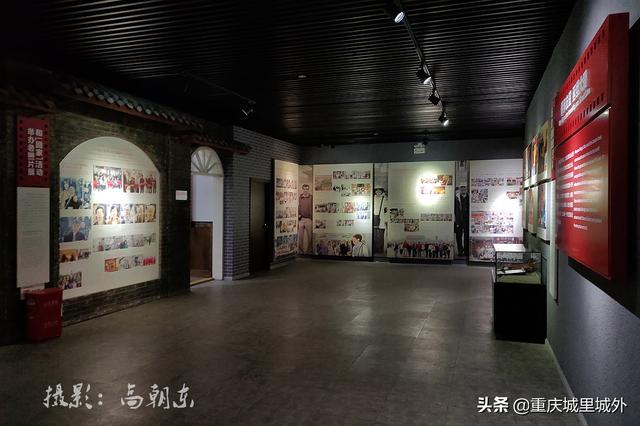
About the same as the museum's function in the ancient town. There are more than 100 ancient artifacts, including pottery, money tree components, gold bronze chariot components and iron swords, in the hall. According to the staff, 'They originated from the Western Han Dynasty and ended in the Qing Dynasty, and were all excavated from the Xinchang Town area'. Most of the artifacts were excavated from Xinchang Town's Shitou Village.
Given the long history and superior location of Xinchang Town, and the prosperity of merchants, it is certain that there are many valuable historical sites.
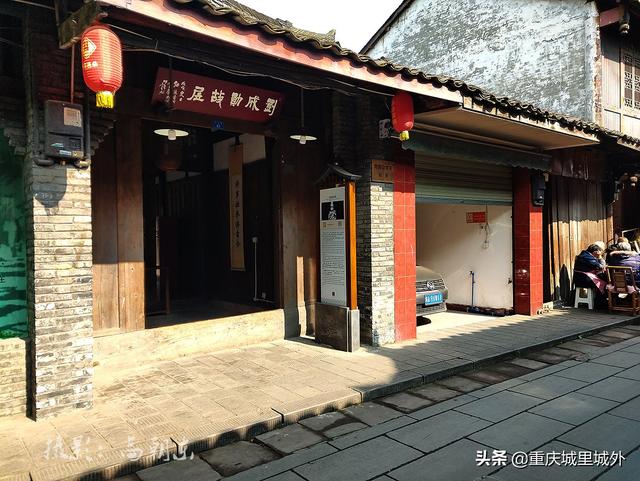
Indeed, it is the former residence of Liu Chengxun, the third military commander of the Western Sichuan Army, the commander-in-chief and provincial governor of the Sichuan Army, and the former commander of the Twenty-Third Army of the Nationalist Revolutionary Army. Under the efforts of the local government, the residence has been thoroughly organized and restored.
This is at No. 132 on the upper main street, a 'Wushan Temple' dedicated to foreign historical figures – 'Wushan Temple'.
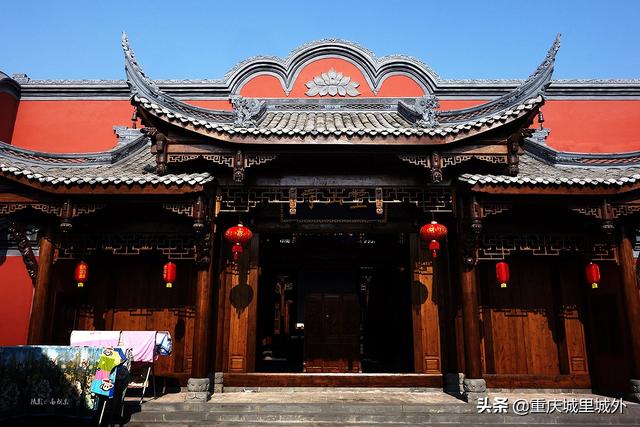
At that time, Old Gao saw the words 'Wushan Temple' and thought: 'This temple in Sichuan, could it be connected to the Ming Dynasty in Bihushan, which was dedicated to Li Wanchun, the magistrate of Bihushan?' After learning the official introduction of 'Wushan Temple', it was indeed dedicated to Li Wanchun, the magistrate of Bihushan County in the Ming Dynasty.
This type of temple is rare in western Sichuan, and even in the whole country, it is rare.
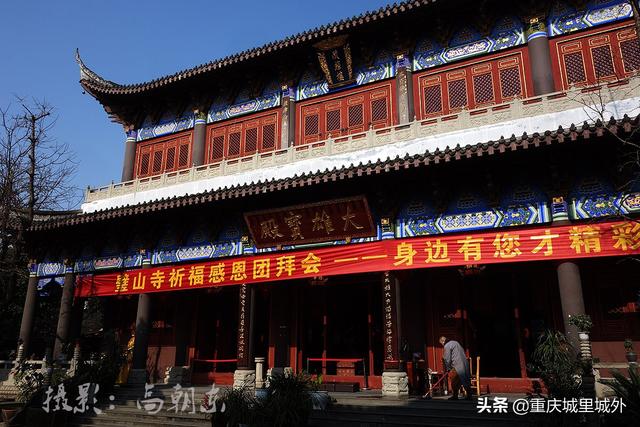
However, I also heard another completely different legend about 'Wushan Temple' in the local area. Due to limited space, Old Gao will write a detailed account of the two different legends about Wushan Temple.
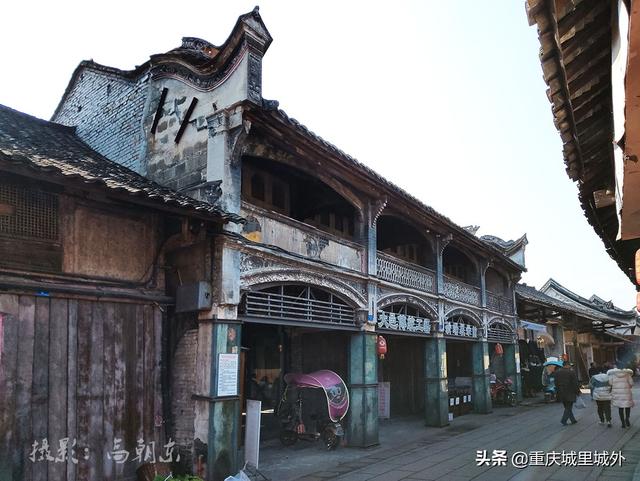
There is a magnificent old building called 'Li Family Old Mansion' in Xinchang Ancient Town.
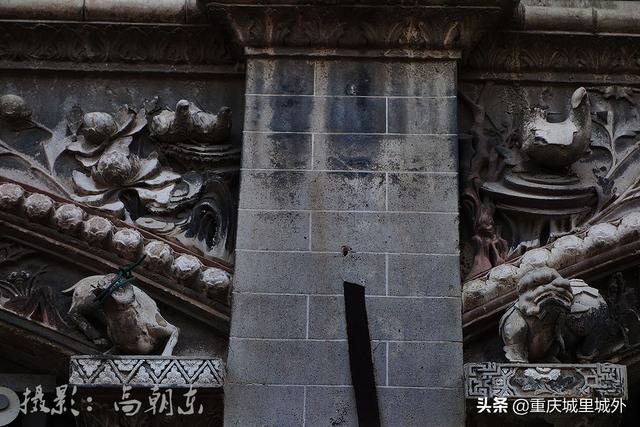
Old Gao passed by this building and was immediately attracted by its exterior decoration. It used brick, wood and other materials to create decorative forms, which were not only well-crafted and complex, but also varied in form, combining European and Western styles.
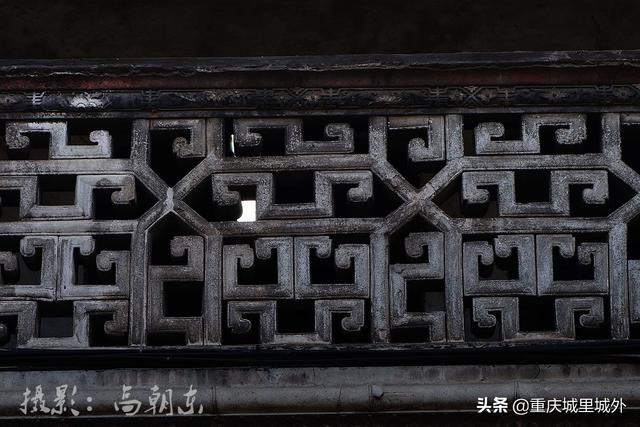
Even the exterior railing is made of different styles of floral patterns.
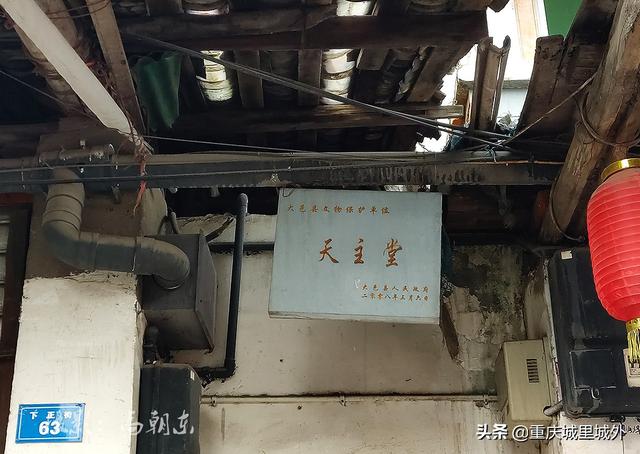
Old Gao thought it was necessary to showcase the architectural details of the 'Li Family Old Mansion' in detail.
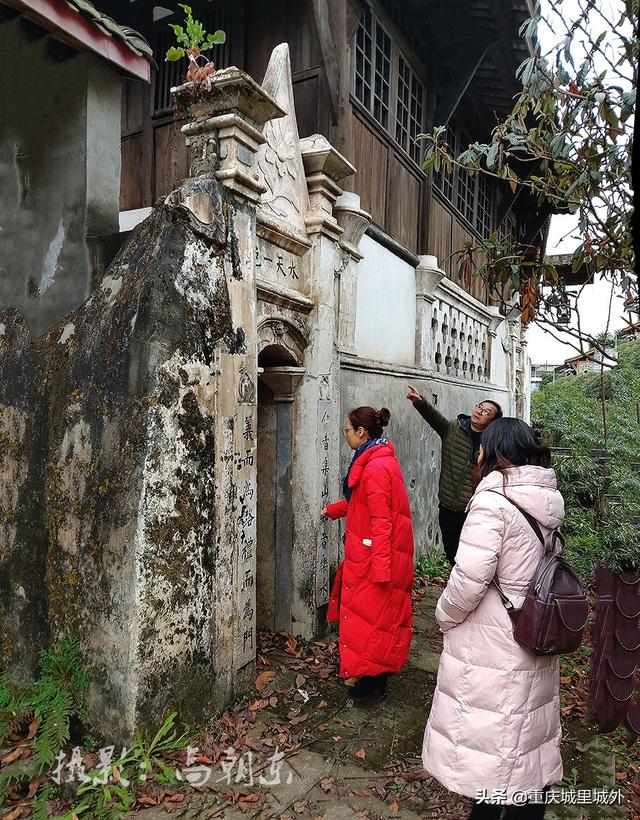
The old mansion is a place worth visiting!
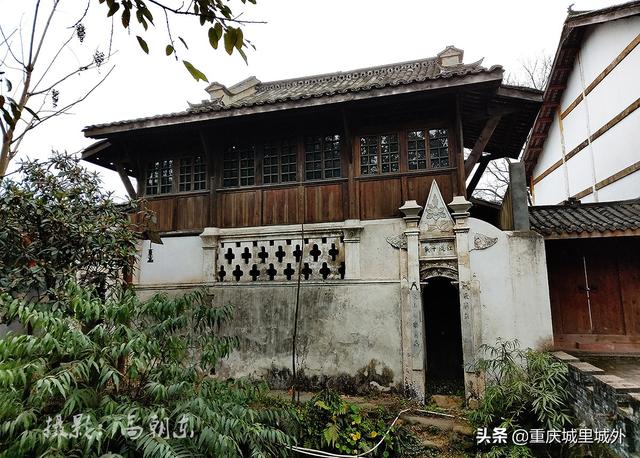
Old Gao's journey is always a journey of exploration and discovery. This time in Xinchang Ancient Town, we spent a lot of effort to find another historical building, 'Christ Church'.
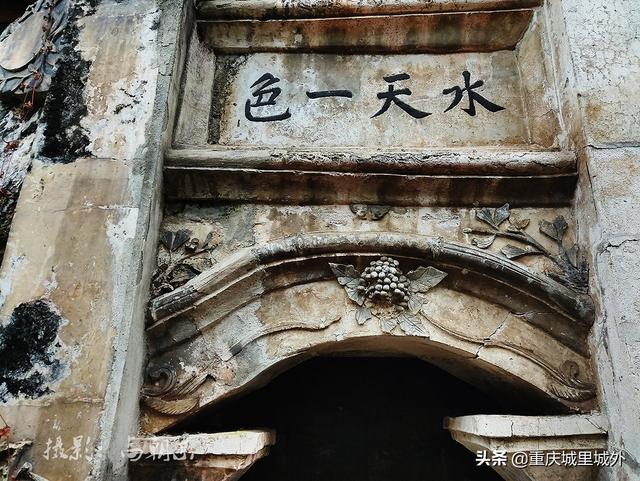
We were led to Xinchang by Li classmate, but it was just a passing visit, and we didn't notice that there was such a small and exquisite 'Christ Church'.
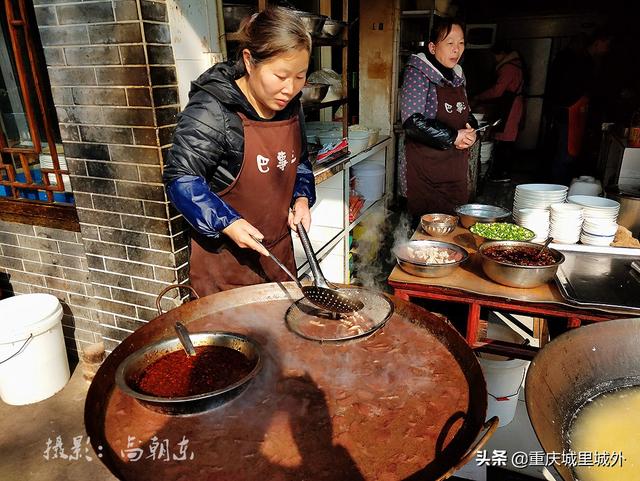
We asked several local people, they said some place names, but they were as much as white to us, outsiders. Fortunately, we walked and asked along the way, and basically explored the entire Xinchang Ancient Town, and finally found it.
As you can see from the photos above, the Christ Church now only has one door and one wall. Although we don't know if this small door is the main entrance, the craftsmanship of its door frame can indeed be described as small and exquisite.
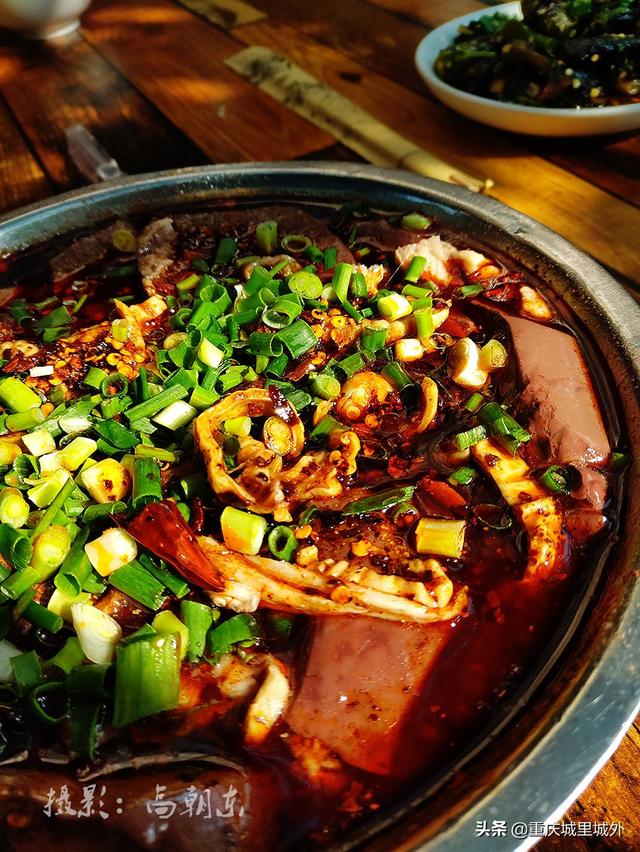
The current area of Xinchang Ancient Town is large, and the town and countryside are beautiful. They eat typical local Sichuan cuisine (in Chongqing, it's called 'country cuisine'), and in Old Gao's impression, as long as you don't eat in 'tourist-exclusive' places, the consumption in Chengdu is lower than in Chongqing.
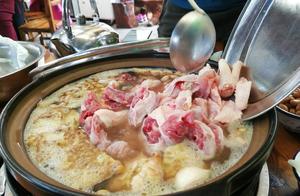
This local 'famous' dish is called whatever its name is, but it has been popular in many places in western Sichuan. During this period, it was also a signature dish in the 'franchise' stores that were hot in Chongqing.
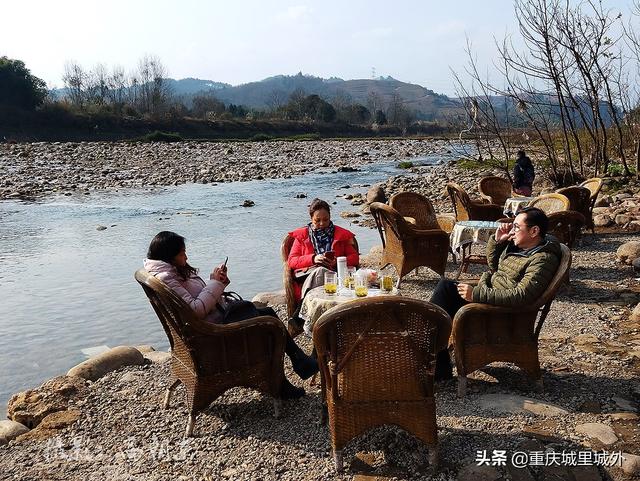
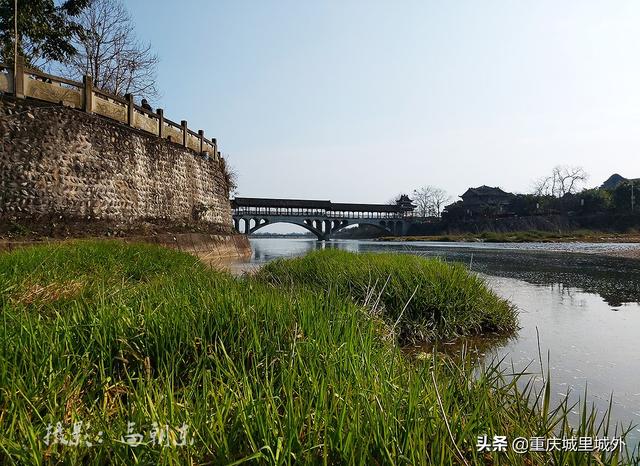
After eating and drinking, you can rest by the river and enjoy the scenery and tea, which is the standard way for Chengdu people to relax.
We rested by the river outside the town.
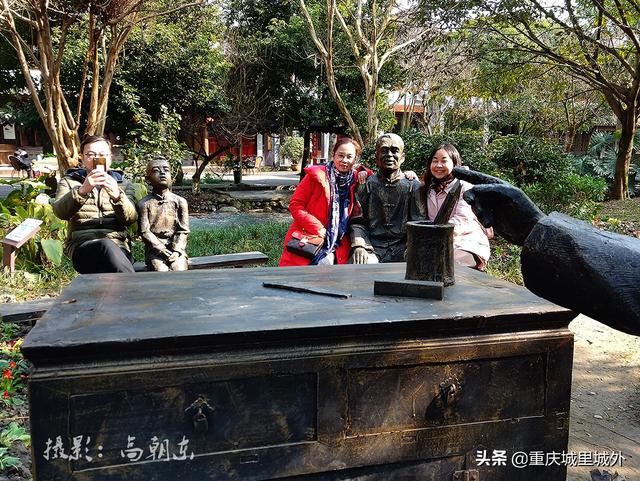
That day's winter sunshine was warm and comfortable.