Guangdong: Linzhai Ancient Village – Cantonese Folk Customs and Magnificent Four-Corner Towers
Guangdong, Heyuan. Peaceful, Linzhai Ancient Village
In the embrace of mountains, a quiet scene, a row of tall four-corner towers tell the stories of past prosperity and glorious days.
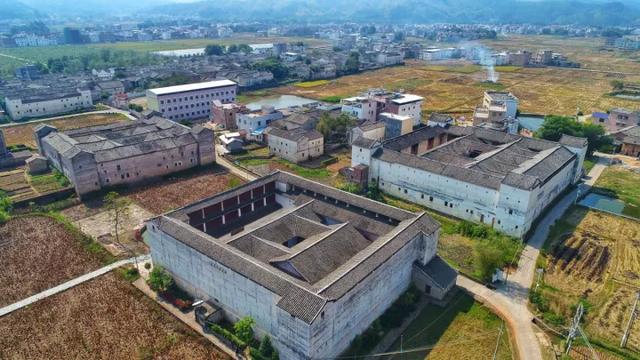
The construction of Linzhai can be traced back to the Qin Dynasty, when South Vietnam King Zhao Tuo dispatched Lin surname generals to guard and garrison here, hence the name 'Linzhai'. After the Yuan Dynasty, local residents relied on fertile land, abundant agricultural products, and the Zuijiang water transport to develop commercial trade, which led to increasing prosperity.

Walking through this village, there is no other tourist attraction with a thick commercial atmosphere, everything is simple and original, a true paradise away from the hustle and bustle of the world.
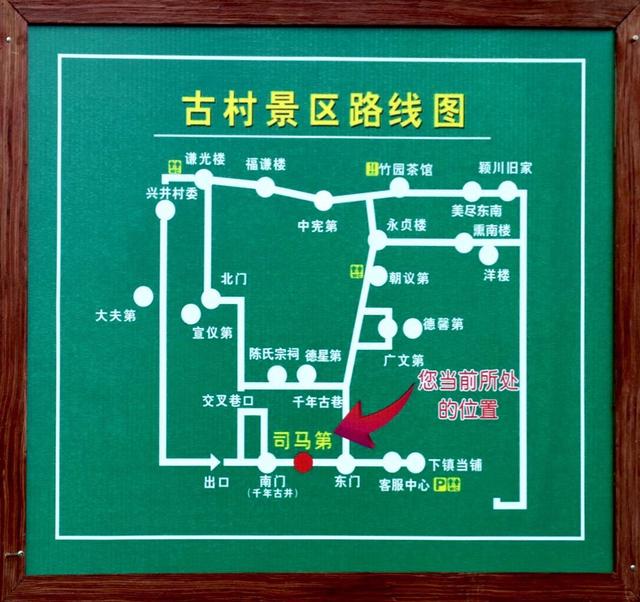
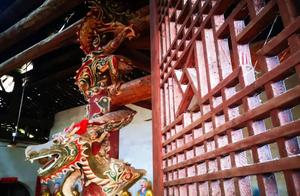
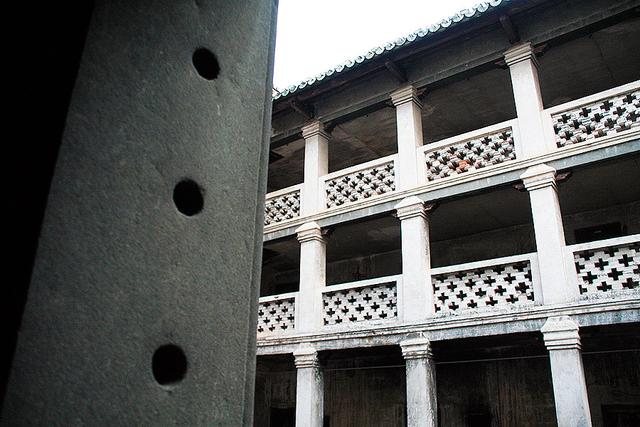
During the Qing Dynasty and the Republic of China, this place was built with many courtyard houses with a distinctive Cantonese style. There are over 200 Qing and Ming courtyards, as well as well-preserved four-corner courtyard houses, covering a total area of over 30,000 square meters. The layout is mainly three steps two sides or three steps three sides, with four corners set up as watchtowers, hence the name 'Four-Corner Towers'. The beams, windows, screens and other decorations in the houses are exquisite, especially the gold lacquer wood carvings, which are regarded as exemplary craftsmanship of Cantonese carvings.

Yongzheng Tower
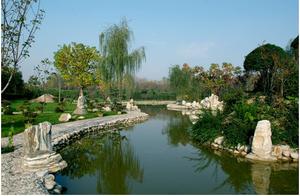
Yongzheng Tower was built in the 12th year of the Qianlong reign (1794) by Chen Xingtang, a four-rank official. At that time, the tower was solid and impenetrable, which was known as 'Walk-around Tower'. It was said that during the Taiping Heavenly Kingdom, Shi Dakai once planned to attack the tower, but failed after a long siege, which shocked the enemy and the Qing government. Later, the government ordered the demolition of the four corners to eliminate the unrest. The half-moon-shaped pond in front of the tower reflected the four-corner towers without corners, witnessing the vicissitudes of time.
Guangdong, Heyuan. Peaceful, Linzhai Ancient Village
In the embrace of mountains, a quiet scene, a row of tall four-corner towers tell the stories of past prosperity and glorious days.
The construction of Linzhai can be traced back to the Qin Dynasty, when South Vietnam King Zhao Tuo dispatched Lin surname generals to guard and garrison here, hence the name 'Linzhai'. After the Yuan Dynasty, local residents relied on fertile land, abundant agricultural products, and the Zuijiang water transport to develop commercial trade, which led to increasing prosperity.
Walking through this village, there is no other tourist attraction with a thick commercial atmosphere, everything is simple and original, a true paradise away from the hustle and bustle of the world.
During the Qing Dynasty and the Republic of China, this place was built with many courtyard houses with a distinctive Cantonese style. There are over 200 Qing and Ming courtyards, as well as well-preserved four-corner courtyard houses, covering a total area of over 30,000 square meters. The layout is mainly three steps two sides or three steps three sides, with four corners set up as watchtowers, hence the name 'Four-Corner Towers'. The beams, windows, screens and other decorations in the houses are exquisite, especially the gold lacquer wood carvings, which are regarded as exemplary craftsmanship of Cantonese carvings.
Yongzheng Tower
Yongzheng Tower was built in the 12th year of the Qianlong reign (1794) by Chen Xingtang, a four-rank official. At that time, the tower was solid and impenetrable, which was known as 'Walk-around Tower'. It was said that during the Taiping Heavenly Kingdom, Shi Dakai once planned to attack the tower, but failed after a long siege, which shocked the enemy and the Qing government. Later, the government ordered the demolition of the four corners to eliminate the unrest. The half-moon-shaped pond in front of the tower reflected the four-corner towers without corners, witnessing the vicissitudes of time.
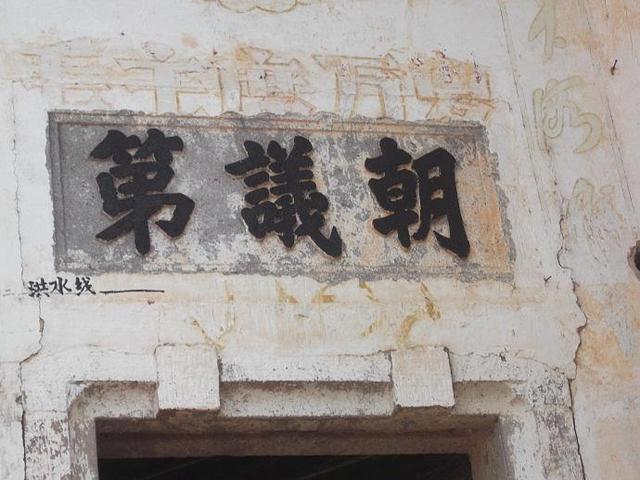
Xinan Tower
Xinan Tower was Chen Yinyu's shop, built in the 15th year of the Dao Guang reign (1847), which can be said to be the earliest rural bank in this village. The structure and layout of the tower were designed according to the function of the shop. From every brick and tile in the tower, it can be seen that the owner was very wealthy in that year. He also opened branches in Guangdong's Longchuan, Heyuan, Xingning, Meixu, Jiangxi's Ganzhou and Guangxi's Guangxi, which shows his great power.
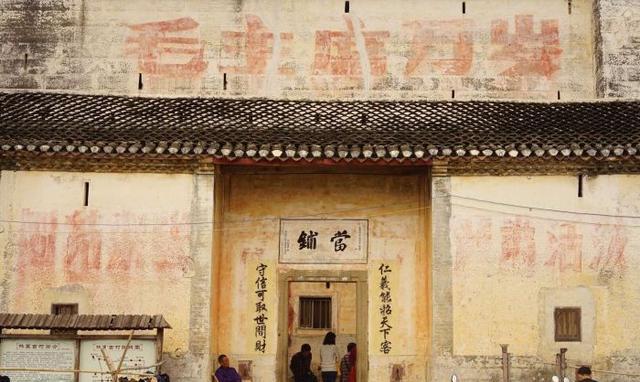
Later, the wealthy merchant Chen Xiangnian also used his capital to support Sun Yat-sen's revolution. In 1916, Mr. Liao Zhongkai came to this tower to investigate and develop rural industrialization and innovative rural national education.
Zhongxian Tower
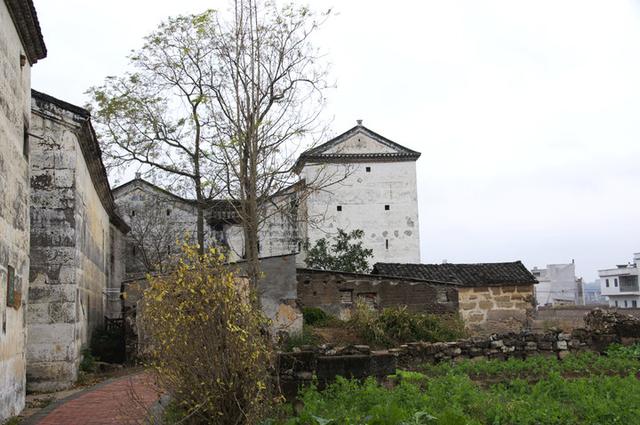
Zhongxian Tower was built in the 23rd year of the Guangxu reign (1898) for Chen Zhitang, a four-rank official. Because the owner thought that this land was blessed by the wind and water, and built the house here, it just blocked the ancestral tomb of the second branch of the Chen family. When laying the foundation and building the tower, there was a dispute, which was called 'Tower built in the sound of guns and cannons', which was quite surprising. Strangely, after the tower was built, the Chen clan's descendants flourished and talents emerged one after another.
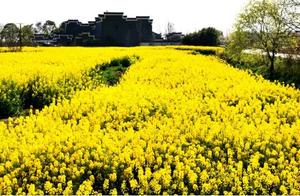
Village scenery
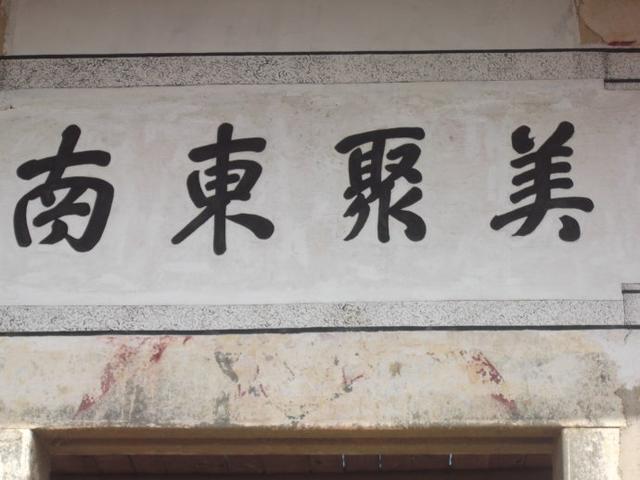
Meijiu Southeast Gate Tower
If you happen to pass through Peaceful County, you can take a look at this ancient village. However, the village is still quite original, and tourism development is not perfect. Driving will be more convenient.
Xinan Tower
Xinan Tower was Chen Yinyu's shop, built in the 15th year of the Dao Guang reign (1847), which can be said to be the earliest rural bank in this village. The structure and layout of the tower were designed according to the function of the shop. From every brick and tile in the tower, it can be seen that the owner was very wealthy in that year. He also opened branches in Guangdong's Longchuan, Heyuan, Xingning, Meixu, Jiangxi's Ganzhou and Guangxi's Guangxi, which shows his great power.
Zhongxian Tower
Zhongxian Tower was Chen Zhitang's shop, built in the 15th year of the Dao Guang reign (1847), which can be said to be the earliest rural bank in this village. The structure and layout of the tower were designed according to the function of the shop. From every brick and tile in the tower, it can be seen that the owner was very wealthy in that year. He also opened branches in Guangdong's Longchuan, Heyuan, Xingning, Meixu, Jiangxi's Ganzhou and Guangxi's Guangxi, which shows his great power.
Zhongxian Tower
Zhongxian Tower was Chen Zhitang's shop, built in the 15th year of the Dao Guang reign (1847), which can be said to be the earliest rural bank in this village. The structure and layout of the tower were designed according to the function of the shop. From every brick and tile in the tower, it can be seen that the owner was very wealthy in that year. He also opened branches in Guangdong's Longchuan, Heyuan, Xingning, Meixu, Jiangxi's Ganzhou and Guangxi's Guangxi, which shows his great power.