Original Travelogue‖First Impressions of Korea, the Beginning of Samsung
I went to Samsung due to the need to make initial contacts for some new projects. I received an invitation before the Spring Festival and the company's administrative colleagues processed the visa at the Qingdao Korean Consulate after I started work after the Spring Festival. It was a business visa, and it was approved quickly.
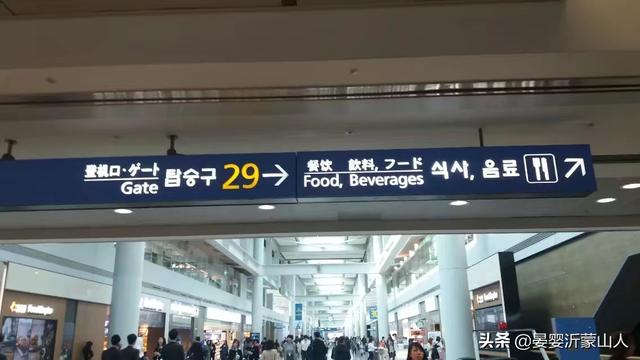
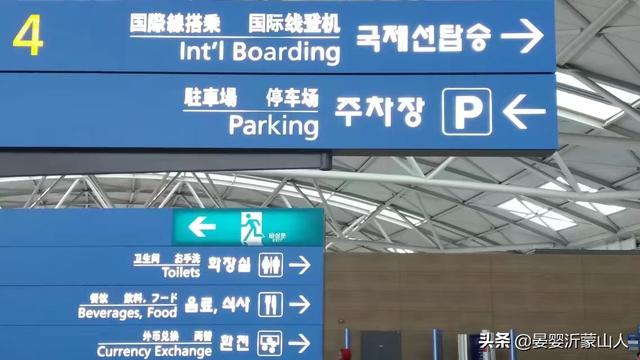
This article interprets Samsung's corporate culture from my own experience at its headquarters, focusing on business matters and the company's policy prohibiting photography. It is essentially a travelogue.

The journey from Yantai to Korea takes just one hour, and with a change in time zones, it feels like time has stopped.
Korean colleagues had booked the Samsung hotel in advance, and buses would pick us up at designated times. This saved us the hassle of arranging our own transportation. More importantly, it bypassed the initial security checkpoint, allowing us to enter the park with a temporary access card.
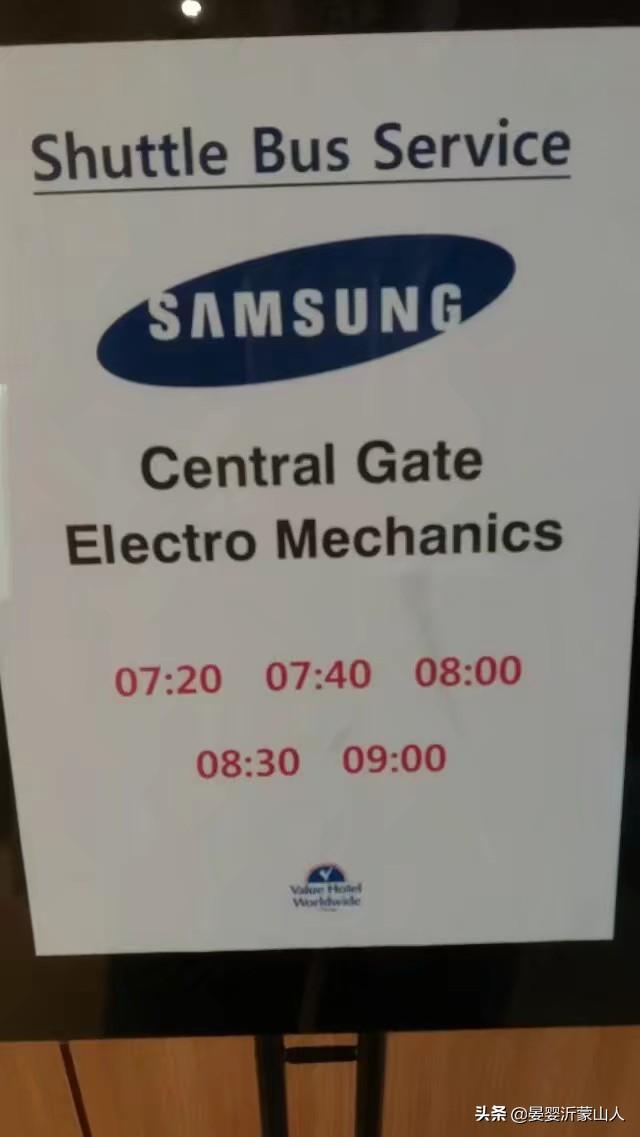
The first time entering the park, a Korean colleague familiar with the procedures took me to the passport registration and information input center to obtain a passport registration.

Impression 1: Strict hierarchical system. This is evident from the parking lot itself. Senior managers have parking spaces near their workplaces, while employees with lower ranks are further away.
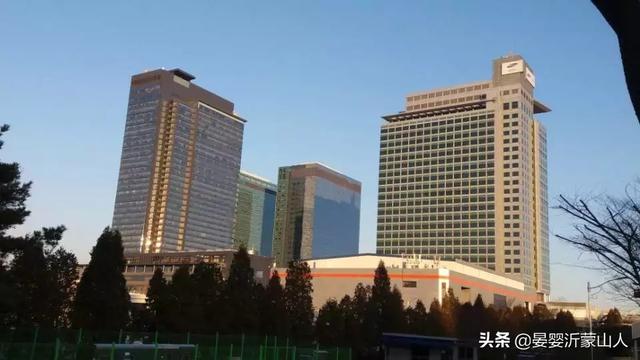
Impression 2: Samsung's park is a comprehensive functional facility. For example, there is a professional soccer field within the park, and the Waterdrop Samsung team trains there regularly during my visit.
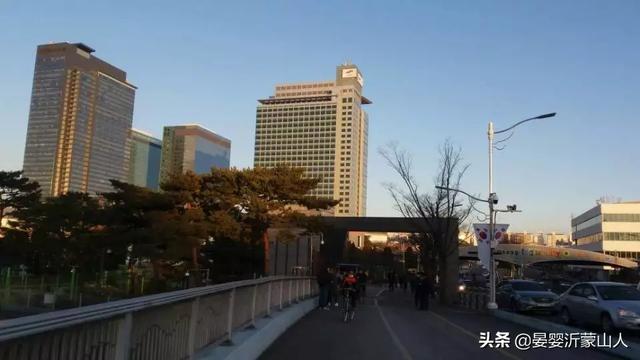
Impression 3: Samsung's industry influence extends beyond your imagination. As a Korean colleague told me, Samsung products are likely to be present in almost every Korean household. From the Samsung Happy Ride Park to the Samsung Medical Insurance System.

Impression 4: Samsung keeps pace with industrial standards. After the Korean War, Korea rapidly rose to become one of the 'Four Asian Dragons' from a devastated landscape. Besides favorable conditions, I believe the rapid establishment of an industrial system is a key factor. Industry standards are led by domestically influential leading companies, and they are continuously updated to keep pace with the world's most advanced research and market demands. Do you think products produced by such a company lack competitiveness?