Manjianguan Town, Shaanxi: Ancient ‘Zhongren’ Customs Offer Warmth, Despite Not Being a ‘Popular’ Tourist Spot
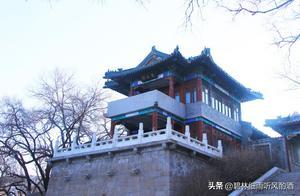
From the traveler's perspective, the ancient town of Manjianguan in Shaanxi Lanzhou is not a so-called 'internet celebrity' attraction. Manjianguan town, with its Ming and Qing-era street along the mountains and water, was once a gathering place for merchants from the major merchant groups of China, West Qin Jia, and Gansu.
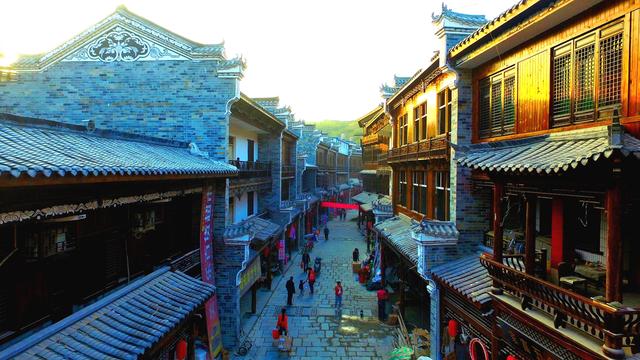
However, what is truly refreshing and eye-catching is the historically rich 'zhongren' (intermediary) customs.
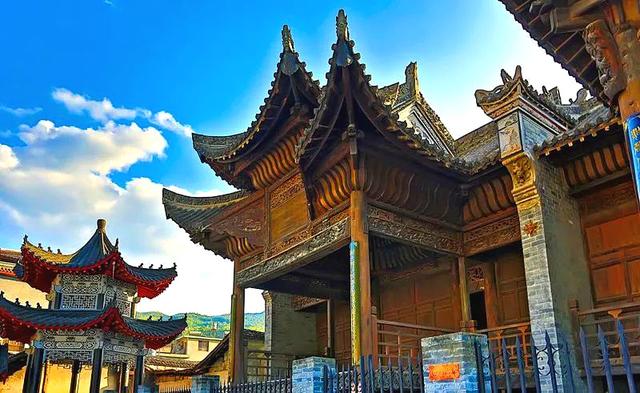
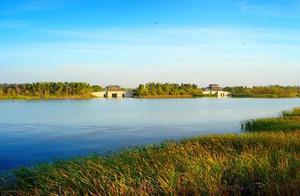
The ancient town of Manjianguan is located 70 kilometers southeast of Shanxiang County, Shaanxi Province, at the confluence of the Jinqian River and Jinjia River, named for its vast terrain and wide, expansive waters. Manjianguan was formerly the boundary between Qin and Chu, and defensive measures were established here throughout the dynasties. The famous saying, 'North to Qin and Jin, South to Wu and Chu,' 'morning to Qin, evening to Chu,' originates from this place and is worth a visit.
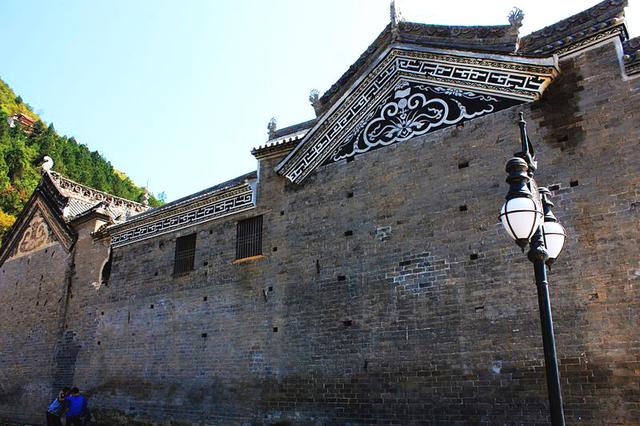
A 'Manjianguan Major' (Manjianguan Major) song sang the rise and fall of Manjianguan. Located in the north of Shaanxi Province, Manjianguan town is backed by the Qin Mountains to the north and the Han River to the south, surrounded by mountains. As a gateway between Shaanxi and Hubei, it has been a battleground between Qin and Chu states since the Spring and Autumn period. For centuries, there were endless fires and unrest, and the people of Manjianguan realized the difficulty of achieving peace. Therefore, when people encountered disagreements, they would seek 'zhongren' to mediate and quell disputes.
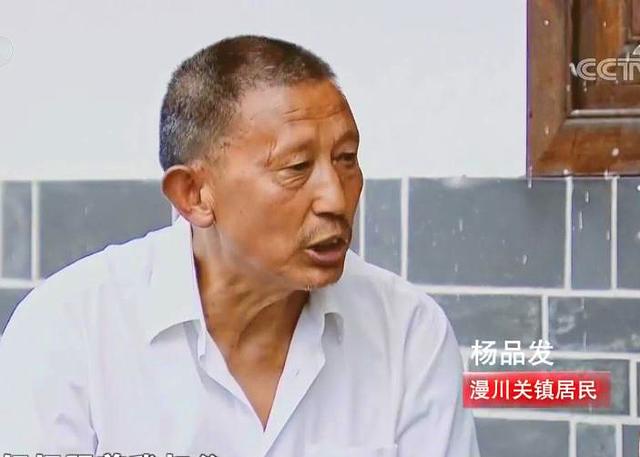
In Xu Shen's 'Shu Wen Jie Zi' (Shuowen Jiezi) during the Han Dynasty, 'zhong' also meant 'harmony.' 'Being in the middle means to be harmonious.' 'Zhongren' is the person who puts an end to disputes. Yang Fafa was one of the respected 'zhongren' in the town. For decades, he successfully mediated hundreds of civil disputes, all thanks to a childhood incident.
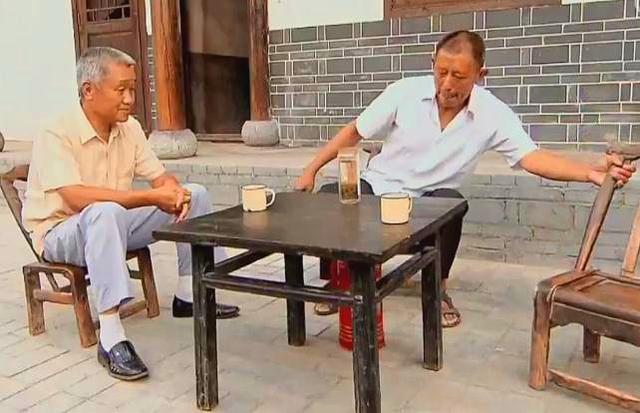
Yang Fafa said that after the Liberation, a piece of land was allocated to their family, and his grandmother's uncle lived there for many years. When they wanted to acquire a paddy field, it couldn't be negotiated. Young Yang Fafa was only six or seven years old at the time, but he never forgot the appearance of that 'zhongren'.
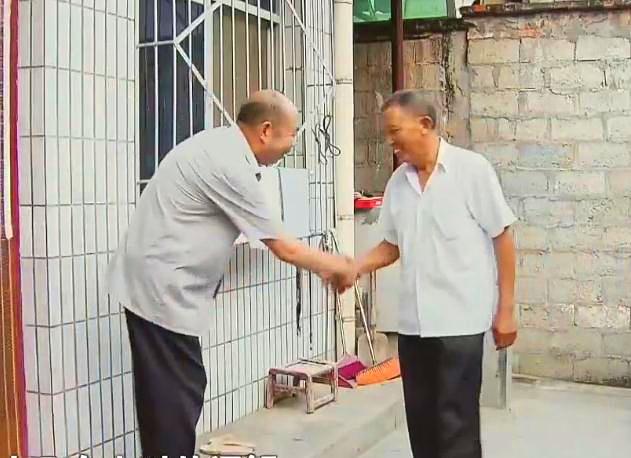
An old man who ran a small shop and did business for more than ten years, known for being honest and sincere. Yang Fafa realized this only after reviewing the agreement, that he was labeled as 'zhongren'.
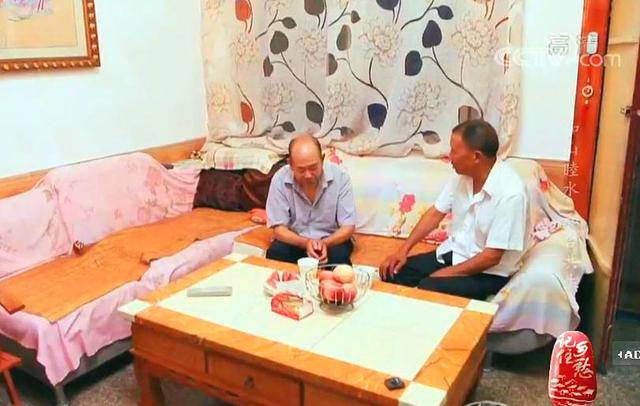
A common person, with a simple agreement, gained the recognition and respect of both parties, inspiring Yang Fafa to become a 'zhongren.' After work, whenever there were disputes between family members or neighbors, he would go to the scene to negotiate and mediate: 'Small matters with emotion, mediate with reason, major matters with law.' This was the principle Yang Yang followed when acting as a 'zhongren'.
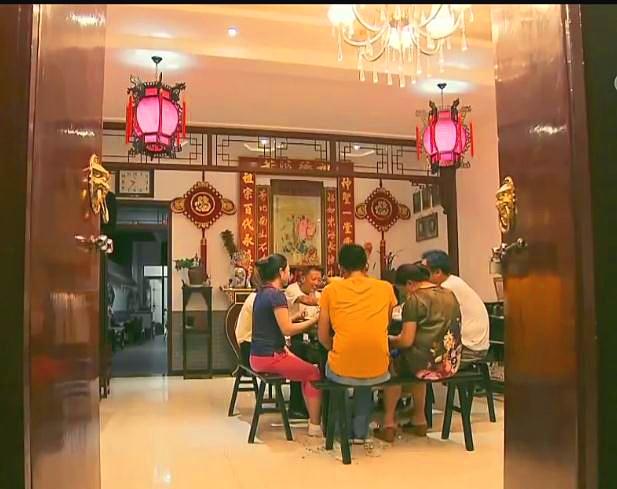
Ten years ago, a pair of Zhang brothers, inheriting their father's estate, had a dispute over the division of the house. Both brothers wanted to get a bigger, brighter room. Families saw the dispute escalating and quickly called in Yang Fafa.