Most Commercialized Historical Street in Anhui: Tourists Regret Returning
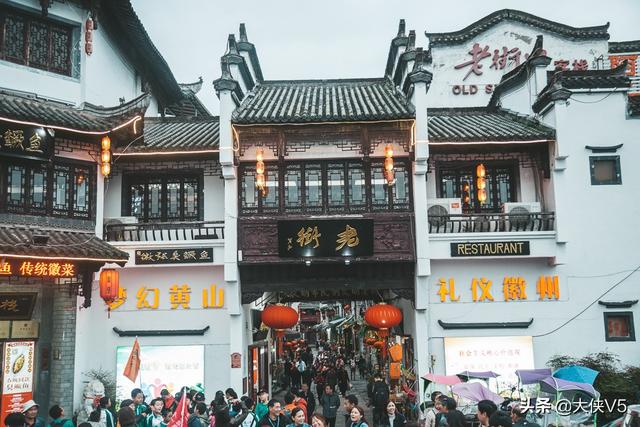
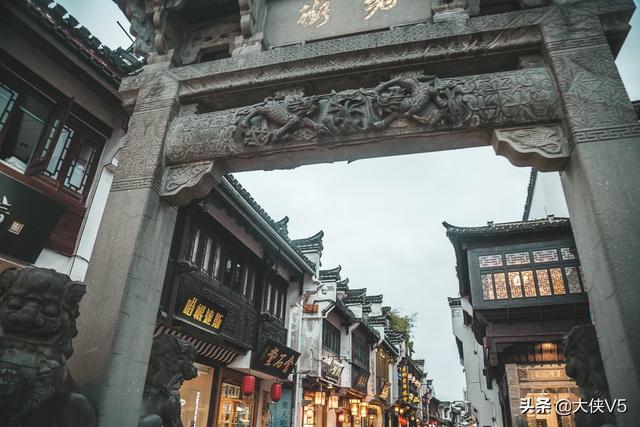
As yellow mountain tourists all know about Tunkxi Old Street, if it's your first time going to Huangshan, you'll also arrange Tunkxi Old Street as one of your itineraries. However, many second-time Huangshan tourists find Tunkxi Old Street disappointing, even locals feel disappointed about it. This is really puzzling, but when you think about it, it seems reasonable.
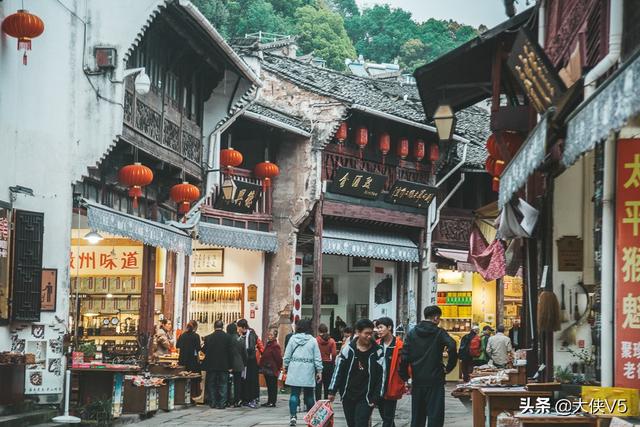
In 2009, Tunkxi Old Street, together with Beijing Guozijian Street and Suzhou Pingjiang Road, was elected as 'China's Historical and Cultural Street'. This weighty recognition actually confirmed the historical depth and cultural value of Tunkxi Old Street. However, under the influence of Huangshan tourism, a large number of tourists flocked to Huangshan and Tunkxi Old Street. Therefore, the transformation of Tunkxi Old Street is both logical and beyond logic.
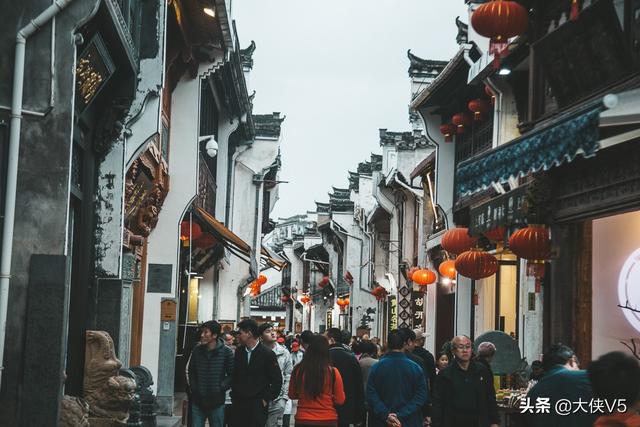
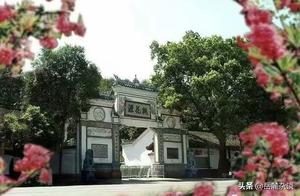
Tunkxi Old Street is located in the central area of Tunkxi District, Huangshan City, Anhui Province. It is north of the mountains and south of the river. It is 1272 meters long, with the most charming part being 853 meters wide, and includes 1 straight street, 3 side streets, and 18 small alleys. The entire street and alleyway is composed of more than 300 buildings built in different eras, forming a fishbone-shaped layout. The western part is narrow, and the eastern part is wider. Because Tunkxi Old Street is located at the confluence of the Heng River, La Shui River, and Xin An River, it is also known as the 'Qingming Festival Up the River'
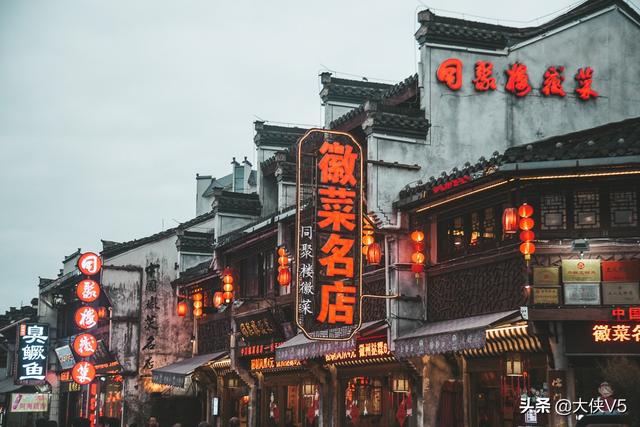
It is said that during the Republic of China period, Tunkxi Old Street was formerly known as Zhongshan Street, and had the 'Hu Hang Da Shang Pu Hui' (Shanghai-Hangzhou Great Merchant Meeting). The Anhui Provincial Revenue Office, the Salt Public Office, and the Merchant Association were all located in Tunkxi. During the Strategic Support Group period, a large number of merchants and refugees poured into Tunkxi, and the Strategic Support Group Command Headquarters was also located in Tunkxi, which led to a rapid population increase and economic prosperity, which was called 'Little Shanghai'
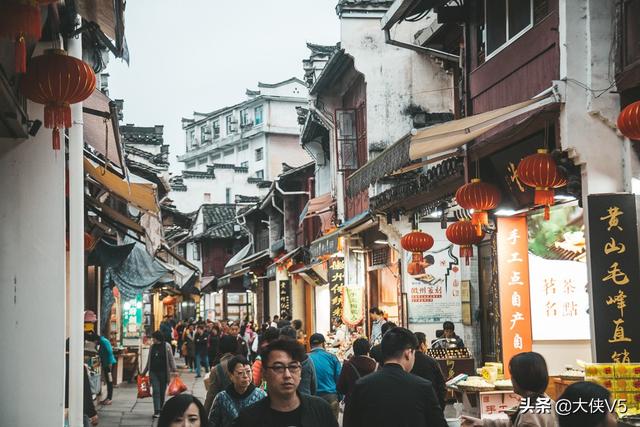
Tunkxi Old Street is one of the best-preserved ancient markets in China with the most complete and most representative architecture of the Southern Song and Ming Dynasties. The level of prosperity in the past can be imagined. Even today, it is unparalleled among other historical and cultural streets. Every time you go to Tunkxi Old Street, it is crowded and congested. It's not about seeing the ancient cultural street's appearance, but about counting people's heads.
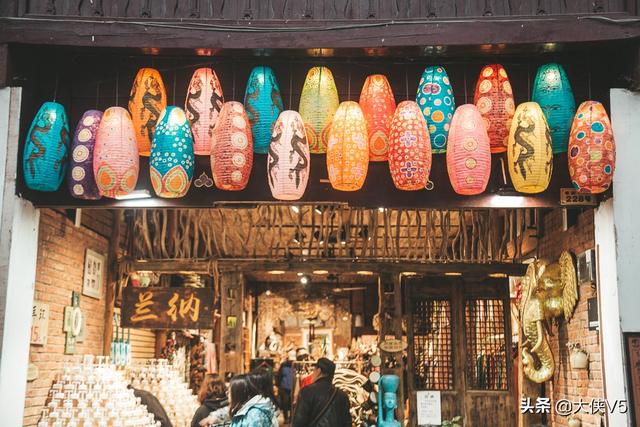
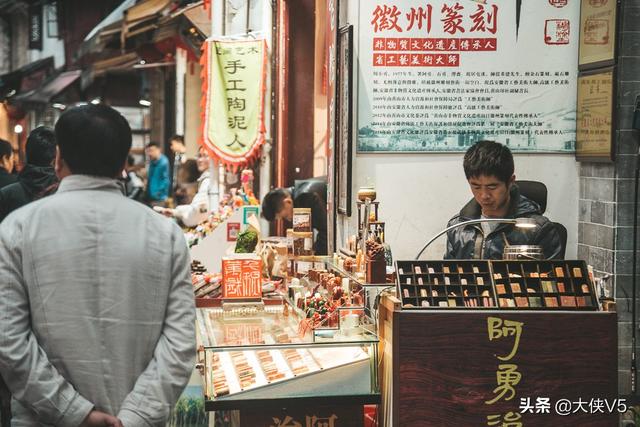
Perhaps a big reputation isn't always a good thing. Many tourists who have visited Tunkxi Old Street have said that not only are prices high, but the taste of small snacks is not good, and it has no 'old street' flavor at all, completely commercialized. They definitely won't go a second time.
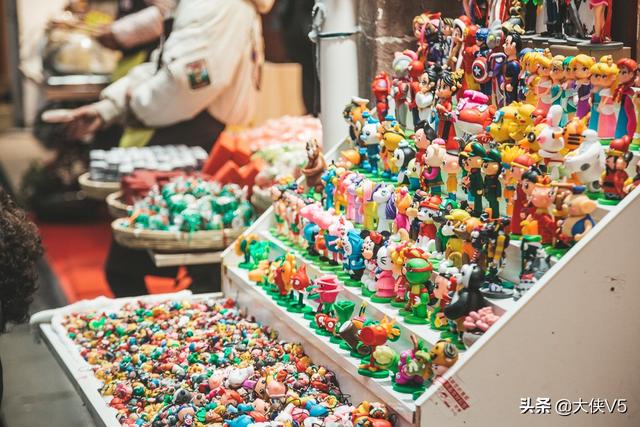
To be honest, the commercialization of Tunkxi Old Street is the most severe among all the old streets I've ever seen, which has led to the loss of Tunkxi Old Street's unique significance of being located at the confluence of the Heng River, La Shui River, and Xin An River.
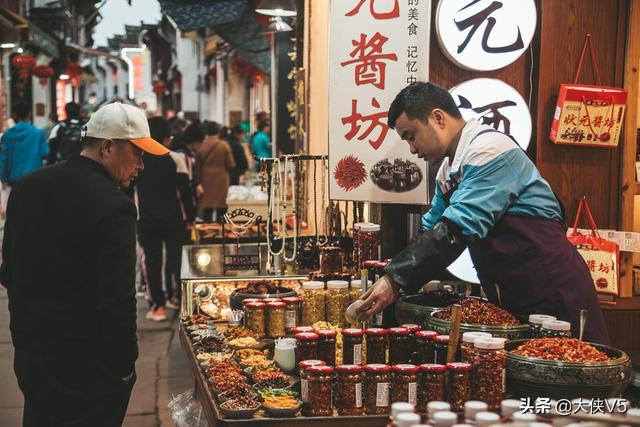
Because of the increasing popularity, Tunkxi Old Street has changed its appearance, and the severe commercialization has led to soaring prices. Locals rarely go shopping or strolling there. Many locals said that most of the shops in Tunkxi Old Street are now contracted by outsiders, who are exploiting the 'authentic' flag to deceive tourists without scruples.
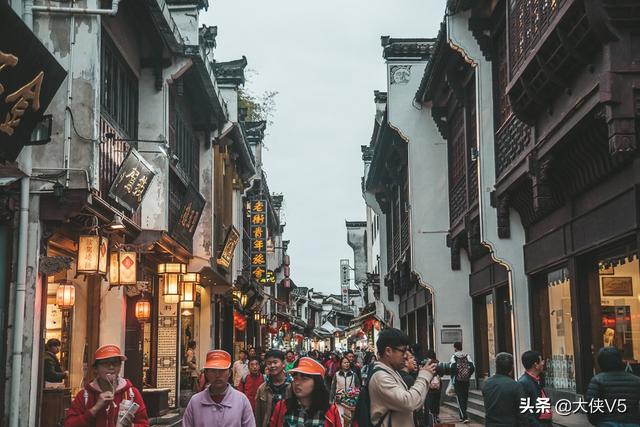
Of course, we don't reject commercialization. Under the influence of the tourism economy, everything has become commercialized. However, if commercialization exceeds a certain limit, it makes people feel disgusted, hate, and despise.