The Second-Largest Canal in China: Beauty and Controversy – Do You Know Where It Is?
A canal is a man-made river channel used to connect areas or water bodies, typically linked with natural waterways or other canals. The most famous one is the Beijing-Hangzhou Grand Canal, which is a UNESCO World Heritage Site. It is the earliest, longest, and largest engineering canal in the world. Starting from Beijing () and ending in Hangzhou (), it stretches about 1794 kilometers. It has a history of nearly 800 years since its construction. Of course, the canal we are going to introduce here is not the Beijing-Hangzhou Grand Canal, but the Chongqing Tongnan Canal, which is known as the second largest canal in China.
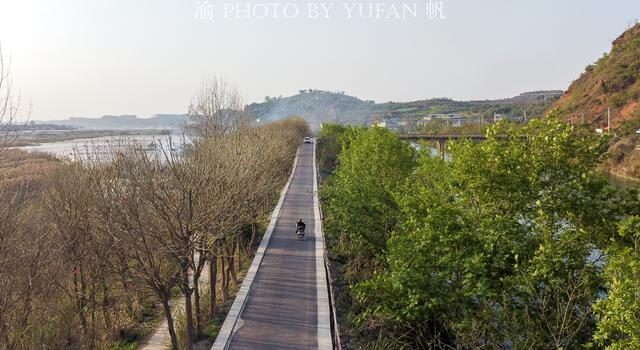
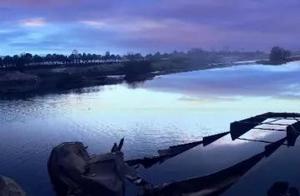
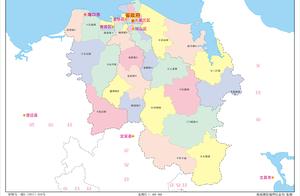
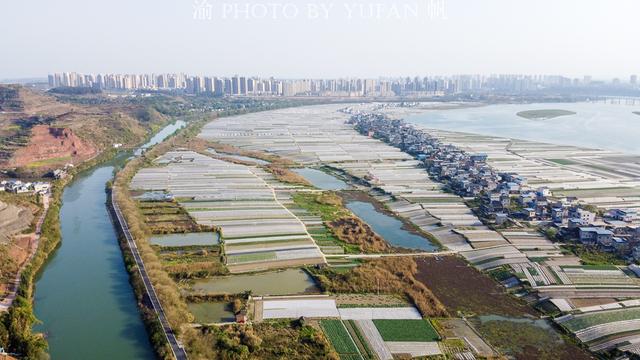
The Tongnan Canal is located in the Gui Lin Street of Tongnan District, Chongqing, with a total length of 15.2 kilometers, a width of 110 meters, a trapezoidal cross-section, a depth of about 10 meters, and a maximum flow rate of approximately 280 cubic meters per second. It runs from west to east and is the diverted river of the three-piece stone power station in Tongnan.
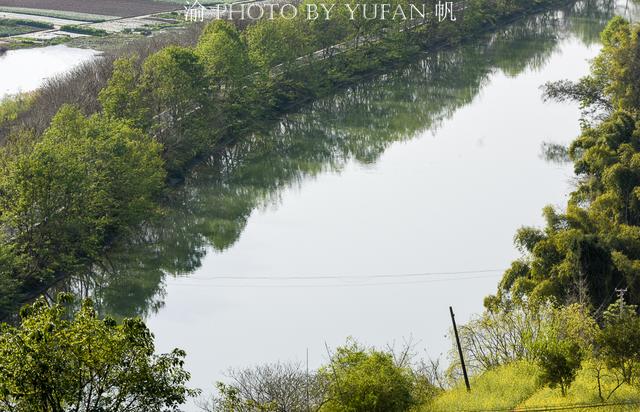
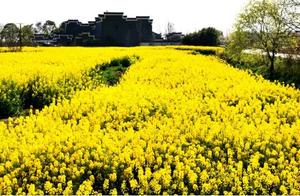
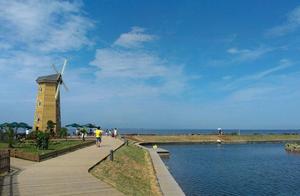
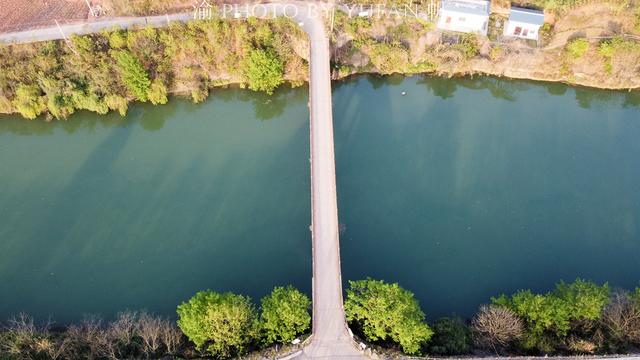
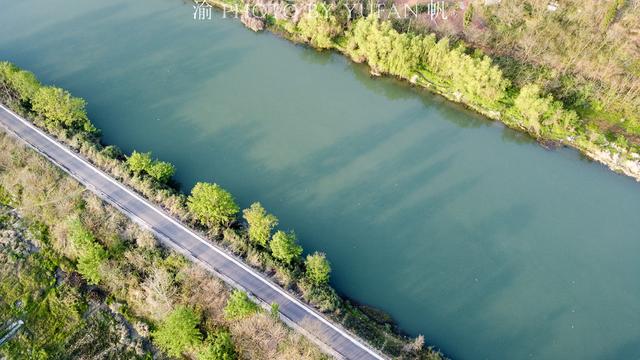
The Tongnan Canal has undulating hills on its north side and vast Guilin ten-thousand-mu pesticide-free vegetable bases on its south side. It borders the three-piece stone dam of the Three Gorges and connects to the Tongnan New County Lotus Temple Power Station in the east. A total of 13 pedestrian bridges have been built along the canal, with scattered villages on both sides, small bridges and flowing water, and continuous mountains. The landscape is picturesque.
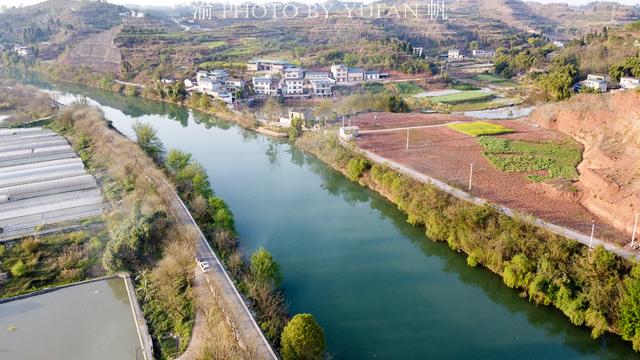
The history of the Tongnan Canal is not very long. In the late 1970s, across China, there was a boom in self-reliance and developing small hydropower stations. In those years when goods and food were scarce, to overcome the shortage of electricity, the people of Tongnan tightened their belts and endured hardship, establishing a base camp for building hydropower stations for thirty miles downstream of the Three Gorges, and constructing a battlefield for building hydropower stations.
At that time, the fathers who participated in the construction introduced that they had received an arrangement from the collective production team, and everyone brought their own steel picks, shovels, bedding, and salted fish. They walked to the construction site, and along the way, they saw countless migrant workers rushing back and forth. The scene was magnificent and spectacular. Below thirty miles, there were dense lines of people. Some were digging canals, some were building embankments, some were transporting mud, and some were using picks and cannons. 60,000 people worked together, carrying their burdens on their shoulders, and worked overtime through the night for three years. They finally dug the 15.2-kilometer artificial canal and built the first dam of the Three Gorges, creating a miracle for the people of Tongnan.
In September 1979, the Tongnan Three-Piece Stone Power Station with a total installed capacity of 14400 kilowatts built its first generator set. This marked the end of the era of coal oil lamps for the people of Tongnan and the end of the dark age. Bright electric lights, black and white TVs, and audio recorders were all available. The Tongnan Chemical Factory and other industrial enterprises were established, and Tongnan took a big step forward.
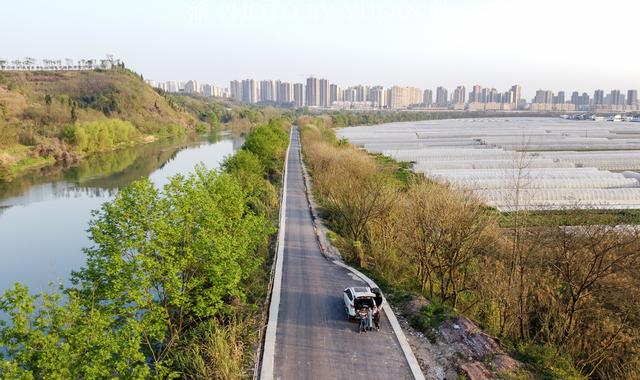
Today, the Tongnan Canal has been operating for 40 years. Besides bringing light to the people of Tongnan, it also has functions of irrigation, flood control, and transportation. It was precisely the construction of this canal that transformed the Three Gorges floodplain into vast cultivated land, forming the largest contiguous pesticide-free vegetable base in Western China – Tongnan, and over the 40 years, the canal has also been the main channel for transporting 100,000 people on both sides.
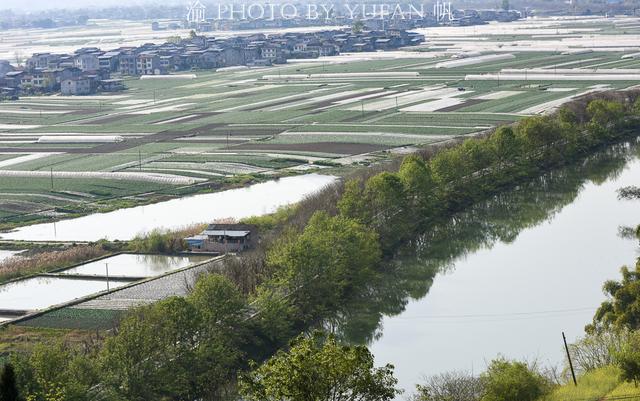
For the people of Tongnan, the canal is not only a man-made canal, but also a monument to history, telling the passionate years of the people of Tongnan who struggled and worked hard. The 'Three-Piece Stone Spirit' formed by the people's blood and sweat when building the canal has become the spiritual belief of the people of Tongnan, inspiring and motivating the people of Tongnan to be self-reliant, forge ahead, and strive for transformation and progress.
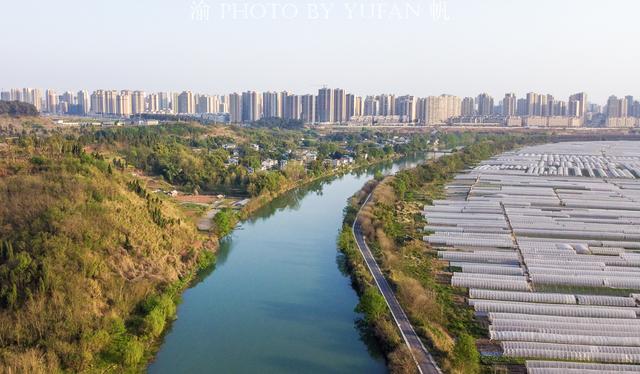
The Tongnan Canal is undoubtedly a good engineering project that benefits the people of Tongnan. Recently, it has also been proposed to develop the canal town and build it into a 5A-level tourist attraction, which is highly anticipated. At the same time, the canal is also a controversial topic, as it is often called the second largest canal in China in various materials. However, according to the 'World Canal Directory', besides the Beijing-Hangzhou Grand Canal, there are also the ancient Guilu Canal, the ancient Gualey Canal, the Leiqiao Youth Canal (full length of 74km), the Xiang-Gui Canal (also known as the Lingquan Canal), the Red Flag Canal (full length about 70.6km), the Jianghan Canal, the Zhengzhou Canal, and the Urumqi Canal. Whether the Tongnan Canal is truly China's second largest canal depends on its history, scale, length, and influence.
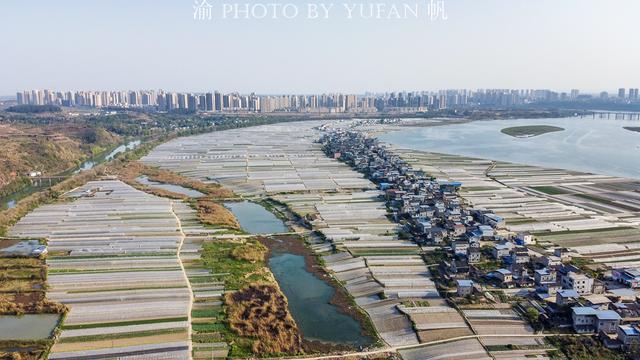
What do you think? Is the Tongnan Canal beautiful? Is it China's second largest canal?