Doing These Things, Even Beginners Can Self-Drive to Lhasa
Embarking on a self-drive trip to Tibet is often the dream of all travelers. After returning from Lhasa, many people asked me: 'What kind of car did you drive? Did you drive your own car?' 'Can your XXX company do it?' So, let's talk about the road first. The line is difficult to drive, or the roads into Tibet are difficult to drive, this is a well-known fact, but the line is difficult to drive is due to the road's steep slope and sudden turns, not the road surface's potholes and ruggedness. Along the way, until you reach Lhasa, the road is all paved with asphalt. So it's not necessary for a hardcore off-road vehicle to enter Tibet. As for me, I drove a 2015 CRV, 2.4L four-wheel drive, which was completely sufficient.
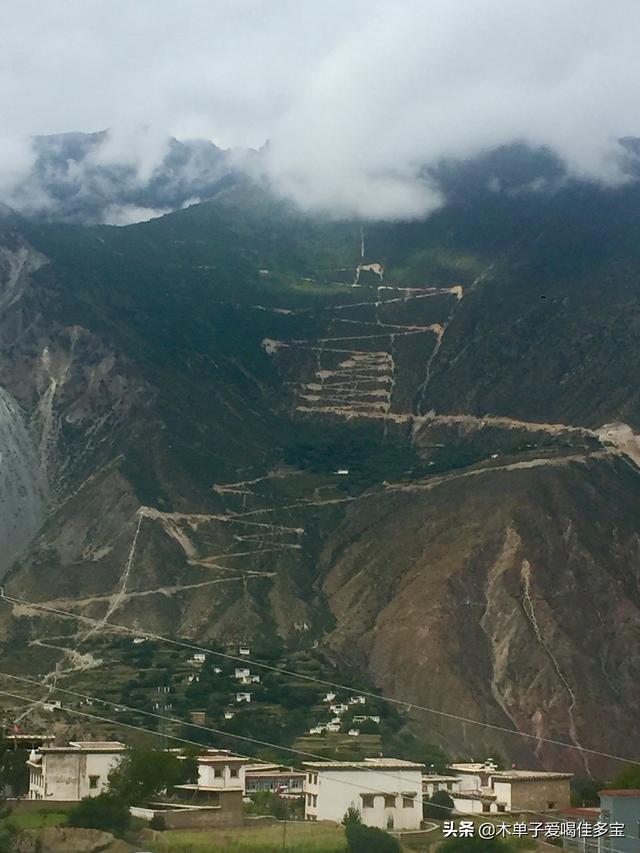
What others describe about driving into Tibet
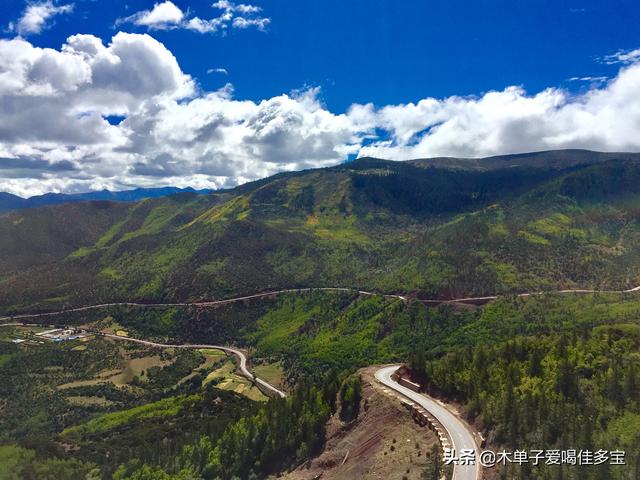
The actual driving into Tibet
Don't overemphasize the vehicle's passability, but rather consider the car's adaptation to high altitude. Not only people, but also vehicles will have ( reaction). The air is thin at high altitudes, the combustion efficiency of fuel is not high, which will cause power shortage, and the slope of most ascents is relatively steep, so it is not recommended to choose cars with small displacement. In general, as long as it's not a very poor car, the road conditions will not have a big impact. There's no need for an off-road vehicle just to avoid driving into Tibet.
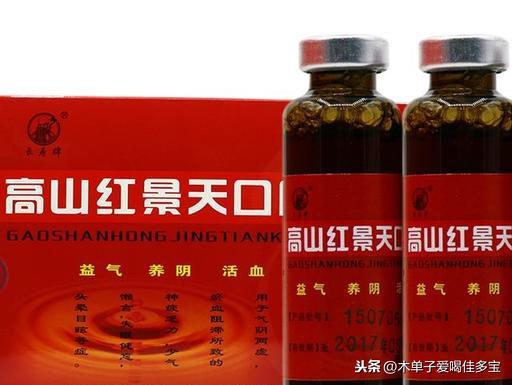
Second, the supply of materials. The 214 National Highway section driving to Lijiang, Shangri-La is the best, starting from (Tiger Leaping Gorge), driving to (Shangri-La) is the most difficult part. Starting from the (Tiger Leaping Gorge), it's a test for people. The extreme changes in altitude are more harmful to the human body than gradual ascent. It's recommended to equip red (red oral liquid), electronic blood pressure monitor before entering the (high altitude area), and measure blood pressure after rapid ascent and sustained climb to grasp the body's condition, but don't measure too frequently to avoid mental burden. In addition, the line ( highway) although the road surface is good, there are many rocks falling on the side of the road. As old drivers know, these sharp rock fragments falling from cliffs can scratch tires. Moreover, there are long ascents followed by long descents, which is a test for vehicle brakes. For example, when we returned from (Namtso Lake) to Lhasa, we damaged the left front brake pads. So it's best to carry a simple car repair tool, at least one spare tire, and a tire repair tool. It's also necessary to have a basic understanding of vehicle knowledge and be able to roughly identify the location of the fault. During driving, pay attention to 'selecting roads', use brakes and throttle reasonably.
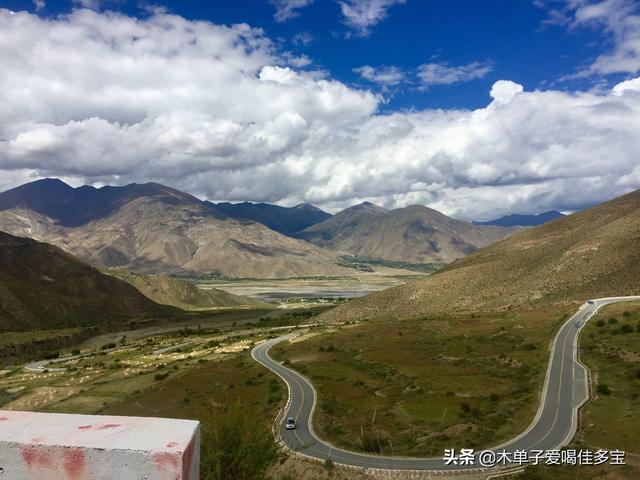
Looking down, you can feel the extent of the ascent
Altitude changes mean temperature changes. The foot of the mountain is summer, and the top of the mountain may be winter. In addition to bringing warm clothes, bring some medicines to prevent colds. ( reaction) is not a joke.
Red is effective in preventing ( reaction). The electronic blood pressure monitor can be used to measure blood pressure at high altitude.
Red
Electronic blood pressure monitor
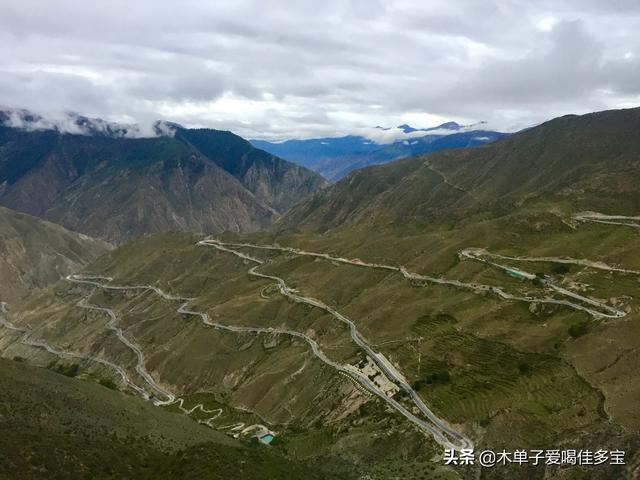
Third, the itinerary. The biggest fear in the driving into Tibet area is ( reaction). When planning the itinerary, try to avoid staying in high-altitude areas for a long time, and it's best not to spend a night in high-altitude areas. Therefore, the itinerary in high-altitude areas can be rushed, and when you arrive at low-altitude areas such as (Linzhi), you can take a rest. Furthermore, the itinerary should follow the principle of 'rush early, don't rush late'. For example, driving from (Changdu) to (Linzhi) you need to pass through (Bangda Town) and the (72 Bends). Bangda's altitude is above 4000 meters, while the altitude of the Linzhi direction is only about 2000 meters. According to the plan, we arrived at Bangda town at around 6 pm, had dinner at Bangda, and then drove to (72 Bends of Nu River), which took about two hours to arrive at the lower altitude of (Bashu County) for an overnight stay.
However, when we set off after dinner, we were stopped by police in Bangda town because it was late at night, the sun had set, and the (72 Bends of Nu River) were frozen. For our safety, we couldn't pass through. So we had to return to Bangda town for an overnight stay. The next morning, five of us had ( reaction). This shows that firstly, it's not appropriate to spend a night in high-altitude areas, and secondly, the high-altitude itinerary should be arranged in the middle of the day, so if it's dark and you can't continue driving for some reason, you can stay overnight in a low-altitude area.
( reaction) often appears two or three days after entering the (high altitude area). Some people feel no discomfort when they enter the (high altitude area), so they become complacent. This is not your body adapting to the (high altitude area), but because your body hasn't responded yet. So, it's important to respect the (high altitude area). You can't do whatever you want in the (high altitude area) just because you don't feel any discomfort now.
Regarding fuel supply, the line ( highway) is not like the (famous Kerekely) , there is no legend of having to carry an extra fuel tank, and you don't need to go to a gas station as soon as you see it. Reasonably plan the mileage, but many gas stations require ID cards to fill up. Even if this is the case, you can't be arrogant. In the western part of Tibet, there are few people on the line ( highway) , and the counties are separated from the townships by hundreds of kilometers. So it's best to follow the signposts, don't 'go off-road', and avoid getting lost. Many places in the (Tibet region) have no signal, even no signal. Relying on navigation, you need to practice navigating by signposts and maps in advance. It's also necessary to record the mileage to ensure you can follow the plan and not delay your itinerary.
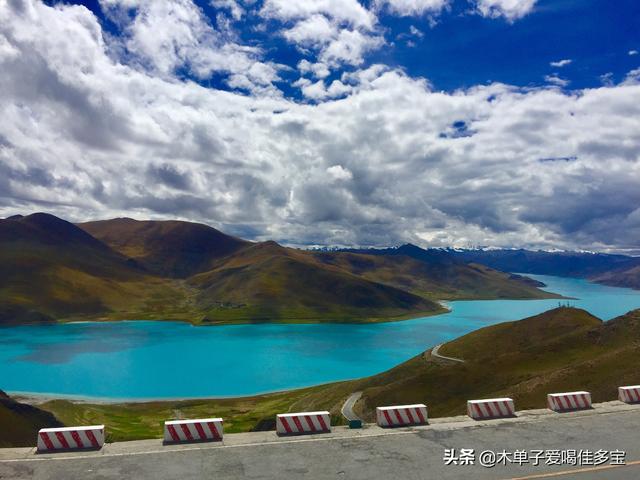
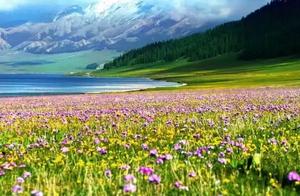
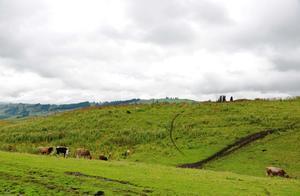
Regarding details, the fun of self-driving is not only about challenging yourself, but also about being able to open the door of the car at any time to embrace the beautiful scenery in front of you. But when you see 5000 meters high, the wind blows grass low and cattle and sheep, don't stop the car, open the windows to let the air circulate, let the temperature adapt, otherwise you will catch a cold.
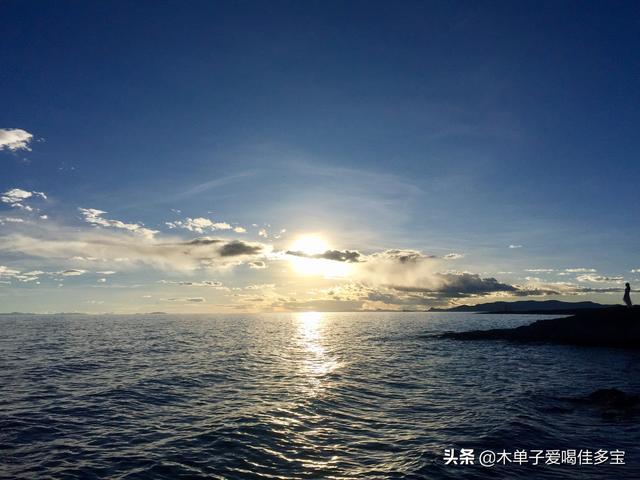
(Yangzhu Lake)
(Namtso Lake sunset)
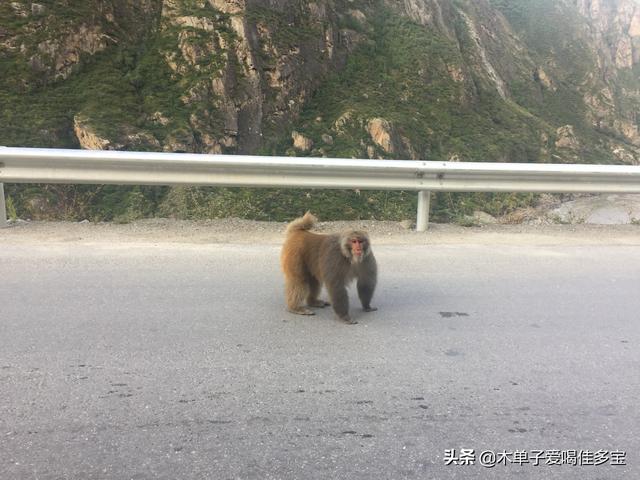
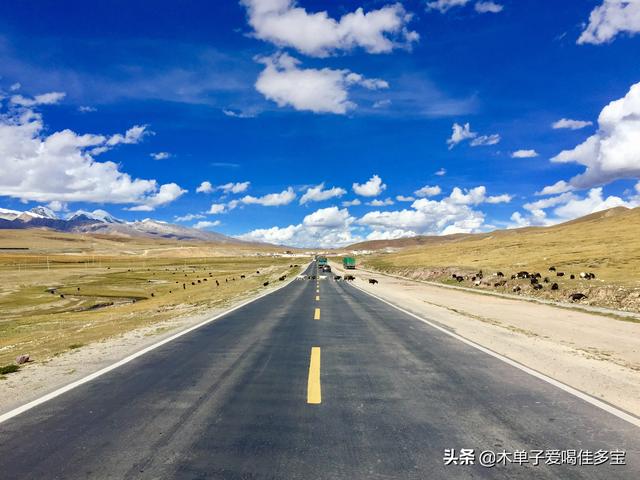
When you see (macaques) playing along the (Yarlung Tsangpo Grand Canyon), you see (sheep) crossing the road at (Yangzhu Lake), and you see (foxes) crossing the road at (distant ridge), and you see (yaks) in the (herd) at (distance). Don't stop the car, drive slowly as a passerby.
(macaques) in (Yarlung Tsangpo Grand Canyon)
(yaks) crossing the road