A Mother-Generated Chinese Ancient Town
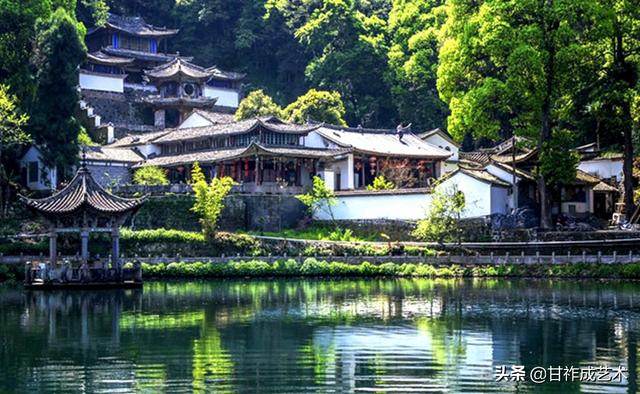
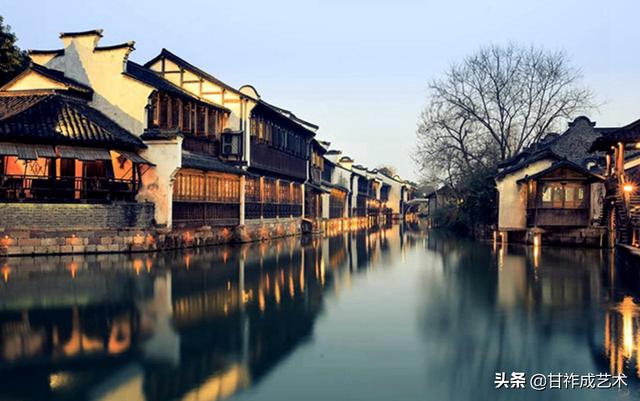
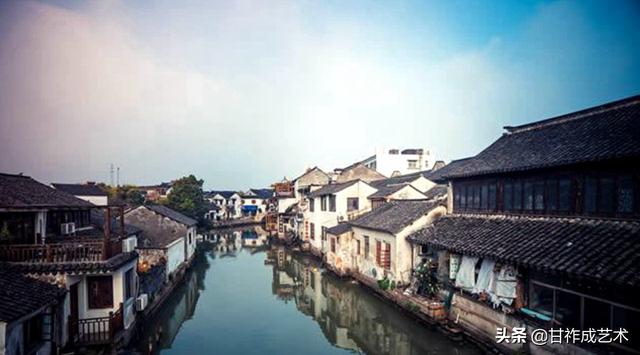
Chinese ancient towns, if not visited, regret to visit, if visited regret more, because 'too similar,' 'all the same,' even 'architectural style is similar,' 'ancient town layout is similar,' even 'the souvenirs sold are similar,' there is no distinctive feature.
I. Why Chinese ancient towns are alike
Currently attracting tourists, many ancient towns lack the vicissitudes of history. Not because ancient towns cannot trace their historical origins, lack of historical figures or legends, but 'towns' themselves are designed and built by 'design institutes' and 'classical garden architecture companies' within a few years, by 'classical garden architecture companies' commissioned to build it.
From a horizontal perspective of a certain ancient town, the buildings left behind are basically formed by the courtyards of the merchant tycoons, officials, scholars and the use of temples and Zen monasteries for clan and religious deities. These buildings have their own functions and characteristics, and due to different designers, different craftsmen and different building materials, there will be various differences. Sometimes, the owners of the courtyard will also participate in the design to demonstrate their own creative expression.
However, the current ancient towns, each independent system town, whether the wall is in style, the gate form, even the wooden structure is basically the same. There is no distinction between the different economic levels, there is no distinction between the gentry, peasants, merchants and craftsmen. In the past, it was a glimpse of, fearing to see one point does not see the rest, now only big, no small differences, seeing one courtyard, other courtyards are the same.
The single structure of the craftsman is also a common defect. Almost all the rebuilt ancient buildings are a pattern, the ancient town in Anhui has the horse head wall, this is regional characteristics. However, the ancient town in Jiangsu has the horse head wall, the ancient town in Guizhou also has the horse head wall, even the gable structure is the same. It's strange.
II. The signs of ancient towns
Ancient town attractions use stone carvings without distinctive features. The ancient town road signs and nameplates are almost the same in color, material and font, without distinctive features.
III. The architecture of ancient towns
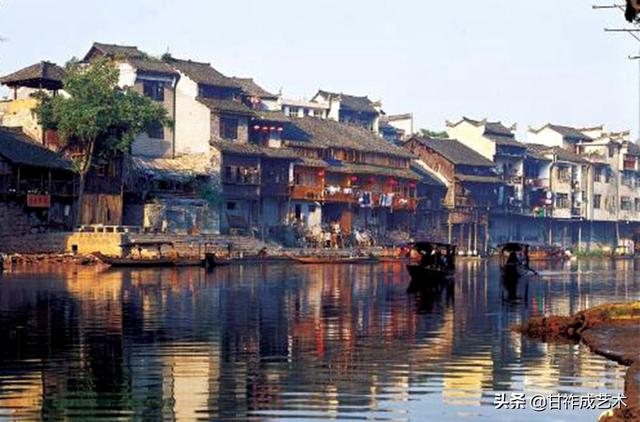
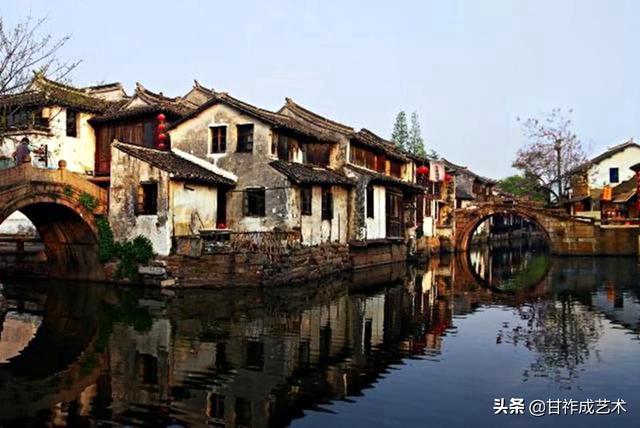
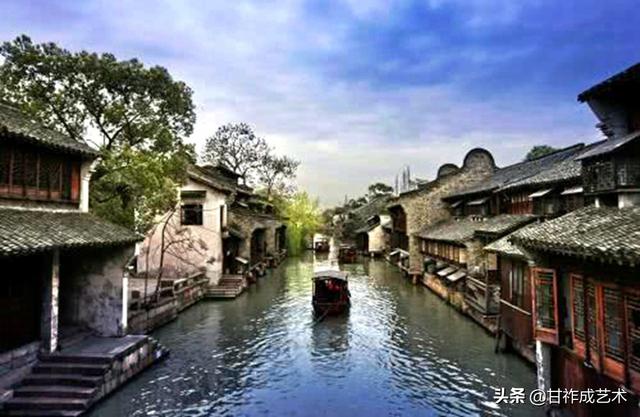
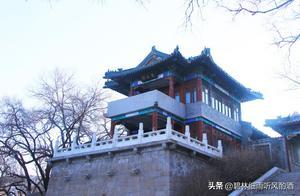
Many current ancient towns are not 'restored' ancient towns, many are 'new' ancient towns, whether in the north, south, or ethnic minority regions of China, they are all one style and one mother, without local features, crudely built, not fine carving and intricate details.
IV. The landscapes of ancient towns
The landscapes of ancient towns are mostly not naturally formed, but broken and leveled to create a panoramic view, not like natural landscapes, seeing one is artificial, without aesthetic value, and no human touch. Many ancient towns and ancient streets don't have long corridors for shelters, rain protection and leisure.
V. 'Empty Core' and 'Commercialization' of Ancient Towns
The 'empty core' of Chinese ancient towns is the biggest reason why they are the same across the board. It has two main characteristics: one is deception, the other is excessive commercialization.
The whole ancient town has no historical foundation, all imitation roads, imitation buildings, roadsides are lined with shops, almost no people, shopkeepers are idle or gather together to play mahjong, but at night and on weekends, the ancient town becomes another scene, people come to eat and entertain.
Currently, Chinese ancient town tourism has shifted from pure tourism to multiple forms, integrating catering, shopping, performance and other forms, which will make tourists like it more.
The 'one face of China' ancient town inevitably formed, and ancient town tourism became a pattern of shopping, eating, drinking, and visiting performances.
False ancient towns are annoying, but changing ancient towns are sad. The expert said that it must admit that ancient town tourism is unavoidable and related to commercialization and marketization, but some ancient towns have experienced large-scale reconstruction and a large influx of foreign businesses, coupled with the opportunistic promotion of real estate developers and a large influx of outsiders, shops, no distinctive tourist products, the original ancient town style disappeared, becoming a shopping center, hindering the sustainable development of ancient towns. 'The distinctive folk customs and folk activities of ancient towns are either packaged and promoted superficially or disappear and vanish with the commercialization of ancient towns.' The loss of the original nature has led to the homogenization of the ancient town's environment and atmosphere, losing competitiveness.
VI. The lanterns of ancient towns
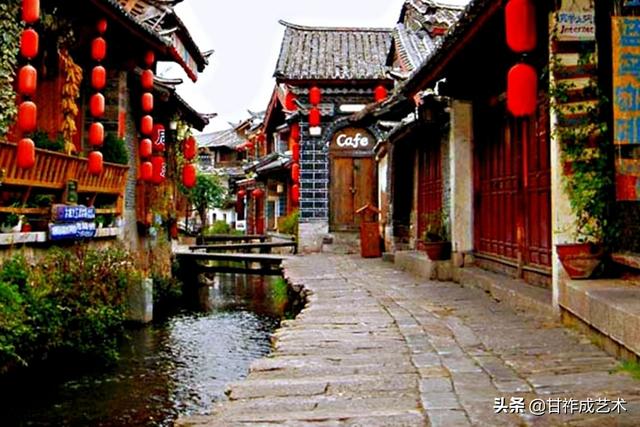
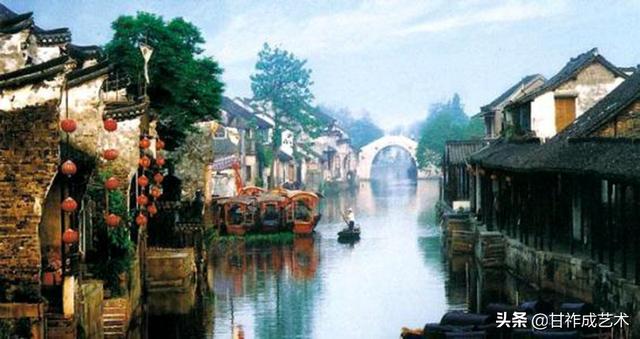
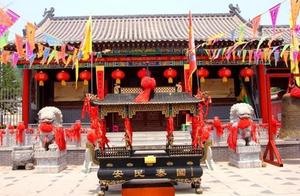
More surprisingly, to highlight the characteristics of ancient towns, ancient streets in ancient towns often hang lanterns, it's ironic that almost all the lanterns hung in Chinese ancient streets are Japanese-style lanterns, which is completely inconsistent. It's known that Chinese lanterns and Japanese lanterns have significant differences.
The lanterns are long and round, and the colors are not usually bright red. Chinese lanterns are mostly oval, and the top and bottom are yellow, and the middle is red. In China, northern and southern lanterns also have great differences. Because the south is always green, trees are abundant, so the lanterns are hung on trees, and the green leaves and lanterns are beautiful. In the north, because it is cold in winter, the trees become bare, so the lanterns are hung on buildings such as eaves and roof edges. Southern lanterns are mostly long peach-shaped, and the color is not very bright. Northern lanterns are pumpkin-shaped, and the color is very bright.
tourism topic: a mother-generated Chinese ancient town