Seven Ancient Villages in Yannan: A Look at Their History and Charm
Yannan, formerly known as Fushi and Yanzhou.
This is the birthplace of the Chinese nation, and the mythical Yellow Emperor once lived here.
This is the birthplace of the Chinese nation, and the mythical Yellow Emperor once lived here.
This place belongs to the starting point and foothold of the Chinese Revolution, and is known as the ‘Chinese Revolution Museum City’.
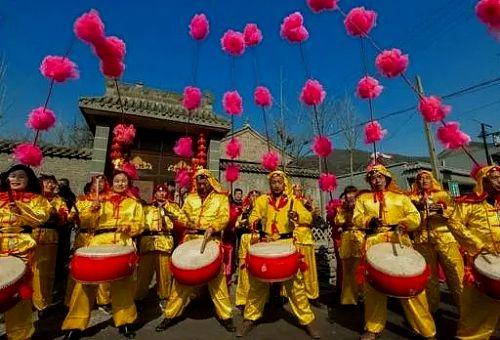
To date, Yannan still preserves many ancient and beautiful villages, shining brightly, ancient and rustic.
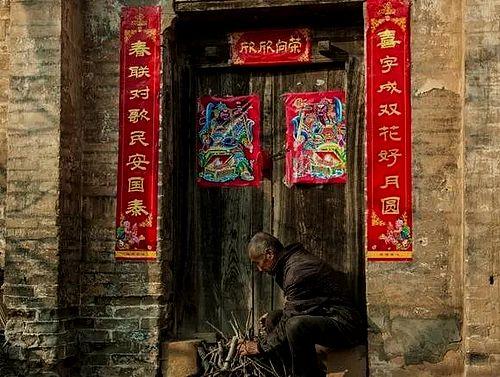
Let's take a look at the 7 most beautiful ancient villages in Yannan, do you know how many you know, have you been to how many?
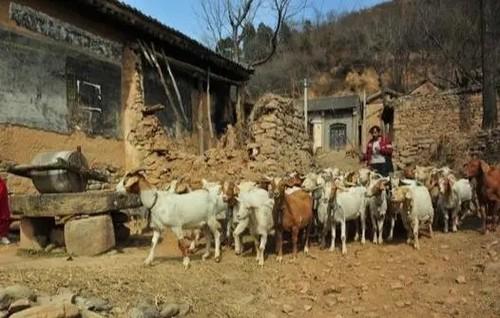
1. Zhangfeng Village
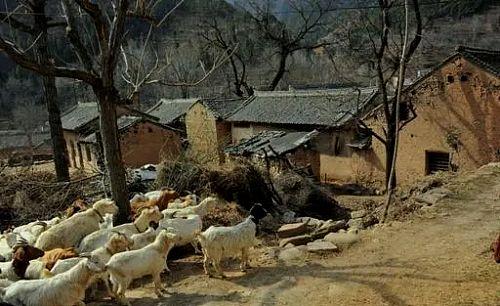
Zhangfeng Village is located in Baihutang Town, Huanglong County, Yannan, where the Yellow Earth culture and the Zhongyuan culture intersect. When you enter Zhangfeng Village, you can feel the ancient fragrance, original flavor, simple and rustic, and a strong sense of nostalgia and nostalgia for the old city. Those who are used to the hustle and bustle of the city suddenly have a nostalgic and thoughtful mood.
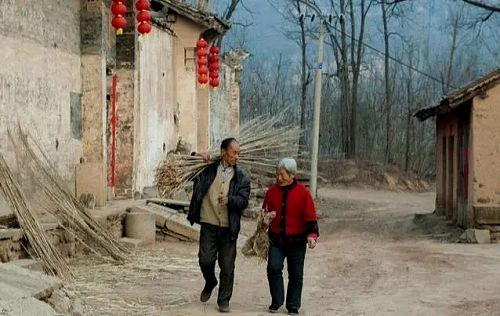
This is an undeveloped ancient village. When you delve into the depths of history, you can see the traces of Ming and Qing architecture and the changes of time, which sometimes flow out of the film strips and heart copies of the people who witnessed it.
Zhangfeng Village has been formed since the Yuan Dynasty, and was a vital route for the Ming Dynasty's Sichuan County to Tongzhou Prefecture. The village preserves numerous Ming and Qing architectural relics, such as existing ancient,,,,,,, and Qing Emperor Xinfeng Stone Inscription, which are golden plaques representing a thousand-year history and culture.
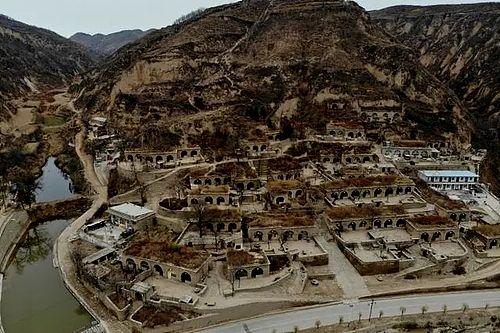
Zhangfeng Village is built along the mountain, following the mountain slope, with buildings mainly located on the foot of the mountain, with a neat and compact layout, and a consistent and orderly arrangement. The old village is mainly divided into upper and lower courtyards, both built in the Ming Dynasty. The upper courtyard has three courtyards, and the lower courtyard has two courtyards. The buildings are mainly built with stone, supplemented with brick and adobe. The courtyards are connected by small lanes, and also paved with stone and have drainage ditches and small walls, which are square, atmospheric and full of ingenuity, absorbing the local customs and emotions, and showcasing the characteristics of traditional building craftsmanship, becoming a true record of the village’s material heritage.
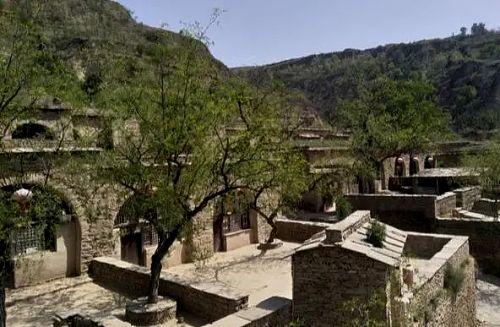
Zhangfeng Village has been listed as a national traditional village heritage, and has become a brilliant ‘small town gem’ on the banks of the Wei River, worthy of its reputation. There is also the undiscovered from the New Stone Age, the military training ground of the late Western Han Dynasty general Yao Qi Ma, and other humanistic historical relics such as ‘Zhu Family Orphanage’ and Nine Lang Temple.
2. Zhenjiawan Village
Zhenjiawan Village is located 15 kilometers northwest of Chengwan County, and is 5 kilometers from Wanan Ancient Town and 7 kilometers from Liangjiahe. Qingpingwan, where the famous writer Shi Tie Sheng lived and wrote ‘I My Distant Qingping Bay’, is also located here.
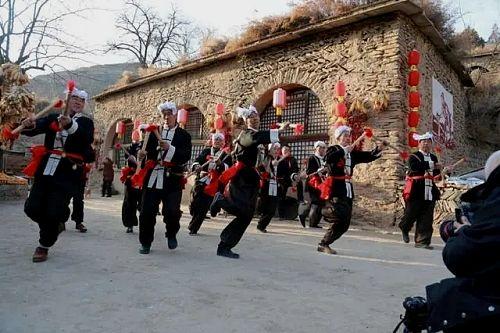
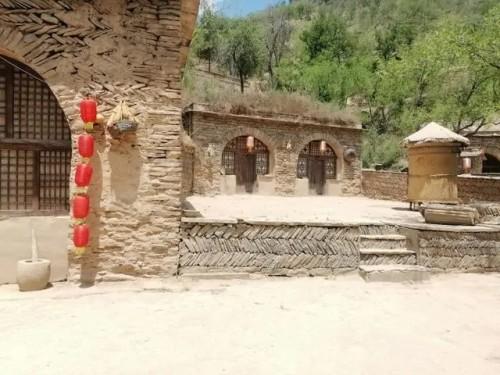
Zhenjiawan Ancient Village was built in the second year of the Yuan Dynasty (1265), and has a history of 754 years. It was named Zhenjiawan because of the surnames of He. In the forty-fourth year of the Hongxi Emperor (1702), the He surname moved out, and the Zhen surname moved in, and the village was renamed Zhenjiawan.
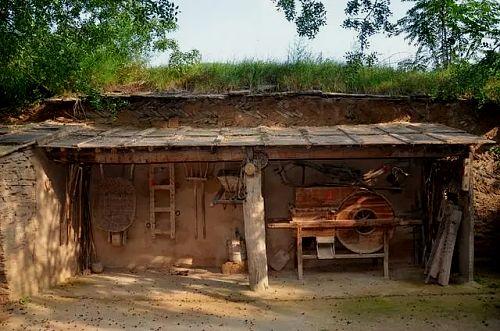
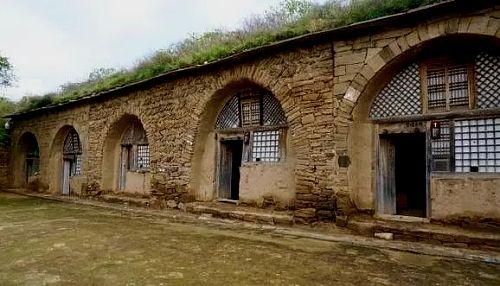
Zhenjiawan Ancient Village is the largest and most complete ancient kiln architecture group in the Shaanxi Province. The architectural group preserves 66 yards with 167 kilns. In 2018, this ancient village was listed as one of the ‘Fifth Batch of National Traditional Villages’.
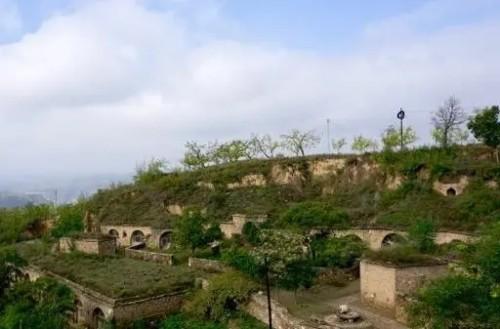
According to preliminary investigation, after the He surname moved in during the Kangxi reign, it continued until the Jiaqing and Qianlong reigns, and was elected twice as a official, once as a official, once as a official, and once as a official, and a student was elected twice, and the village has always had a flourishing literary style.
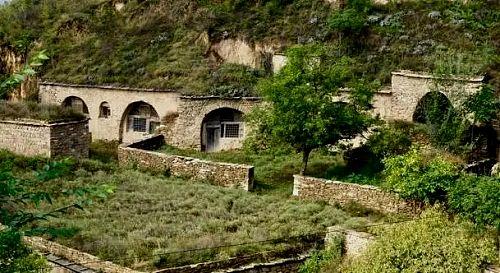
Today, Zhenjiawan Village has a rustic and quiet atmosphere, especially quiet and harmonious. It has the characteristic of Liangjiahe Youth Culture Tourism and Wanan Ancient Town Culture Tourism, and has created four tourism bases around Zhenjiawan Ancient Village’s characteristic: ‘Film and Photography, Education Study, Creation Sketching, and Traditional Culture Experience’, attracting tourists to visit.
3. Tuanpan Village
In the township of Tonggang, Chengwan County, Shaanxi Province, there is an ancient village called Tuanpan Village. Tuanpan Village is located on the west side of the Qin Jin Yellow River Grand Canyon, and is west of the Shaanxi Yellow Earth Plateau village.
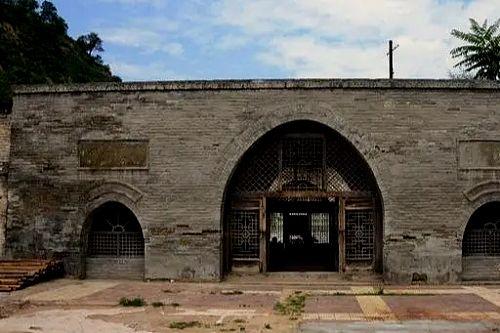
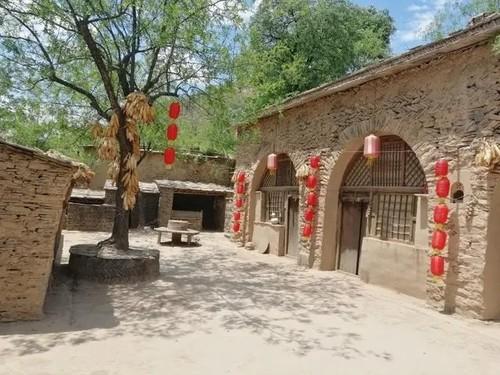
Here, one row of kilns is arranged on the mountain, facing south and north, with upper and lower sections, and left and right sides are adjacent. The kiln architecture is mostly made of earth and stone, with a round top and a square bottom, known as ‘round top and square bottom’. Generally, one yard consists of five kilns. The name of the yard is derived from the large mill outside the door, so it is called ‘Tuanpan Village’. Due to the sound of ‘Tuanpan’, combined with the residence near the Yellow River, the people gradually wrote ‘Tuanpan’ as ‘Tuanpan’.
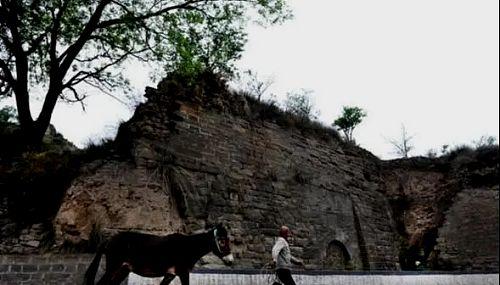
Tuanpan Village is mainly dominated by the surnames of Guo, Feng, and Hao. According to relevant records and legends, the Hao and Feng surnames are the old households in the village, and the Guo surname migrated from the old locust tree under the Hongdu County of Shanxi Province. As early as 500 years ago, they built an ancient temple and cast a bronze bell, and planted inscriptions on the trees. The three major surnames – Hao, Feng, and Guo – respectively lived in the three courtyards, and the courtyard was built with walls and had a large gate, and ancient elms were planted outside the gate, symbolizing everlasting life.
4. (Anning Village)
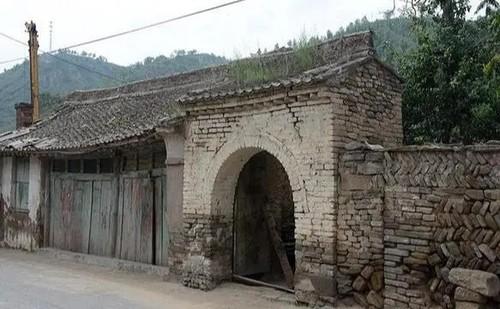
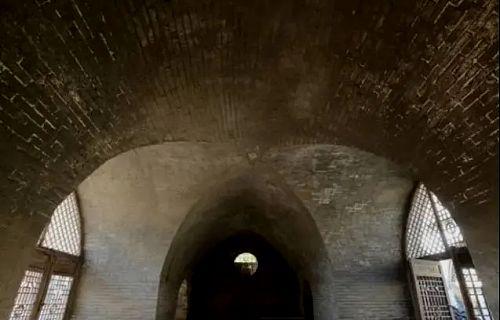
Located in the western town of Anning, sub-district of Zilong City, Anning Village is located at the center of the town, and it is one of the best preserved Song Dynasty ancient towns in Shaanxi Province. As early as the Song Dynasty, it was called ‘Anning’ which means ‘peaceful and stable’. It was later elevated to Anning Fort and Anning County. It was renamed as Anning City today because of the revolutionary military exploits of General Xie Zilang, who established a revolutionary base in Anning.
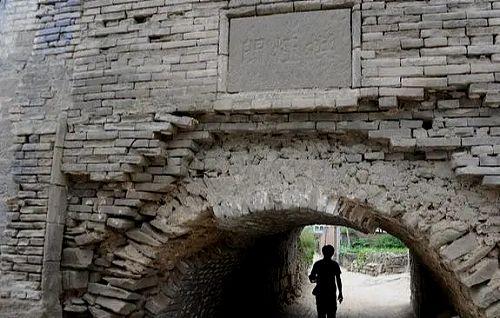
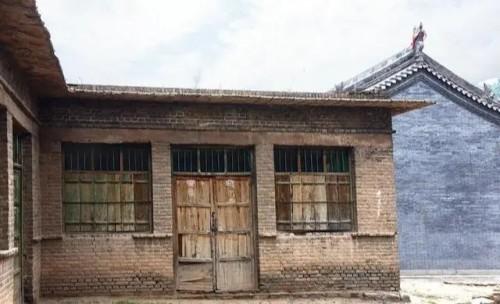
When you come to Anning, you must definitely walk around Anning's ancient city gate, of which only the north gate Jingu Gate and the west gate Qingmen are well preserved. The city gates have clear inscriptions and distinct features, and the city wall is also relatively well preserved. The existing wall stretches for 2.2 kilometers, with a height of 6 to 8 meters and a width of 5 to 8 meters. The information states that the remaining city walls are 2.2 kilometers long, with a height of 6 to 8 meters and a width of 5 to 8 meters.
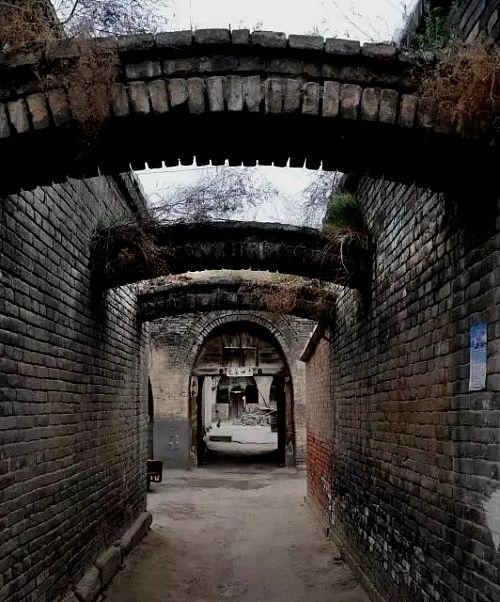
Walking along the ancient street and alleyways paved with blue bricks, you can see many historical residences and numerous historical relics. Although dilapidated and dilapidated, most of them still retain their charm. There are also many historical legacies and legacies.
There is also the only complete preserved Ming Dynasty County Government Ruins in Shaanxi Province – Anning County Government Ruins, a protected cultural unit, which was the office of Anning County in the Ming Dynasty. The architecture has no beams and columns, and is composed of four arched gateways. It is a characteristic building of local architecture. Inside the north gate, there is a commemorative inscription by Feng Yu Xiang in the sixteenth year of the Ming Dynasty; to the east of the south foot of Mount Zhongshan, there is the ‘Second Dunhuang’ – Zhongshan Stone Cave, which was built during the Jin Dynasty and has been built for more than a thousand years in the Tang, Song, Yuan and Ming Dynasties.
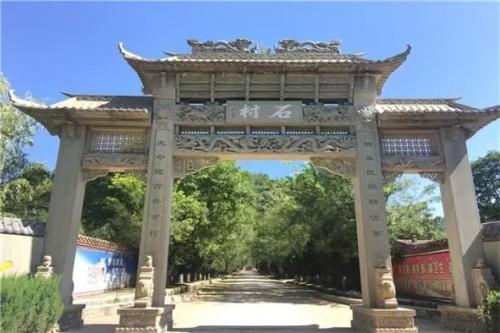
There is also ‘Anning Eight Scenery’ including ‘Silver Mirror on Snow’, ‘Evening Smoke in the West Lake’, ‘Floral Cliff Beauty’, ‘Dragon Mountain Sunset’, ‘Northern River Moonlight’ etc. which will make you reflect.
5. (Shi Village)
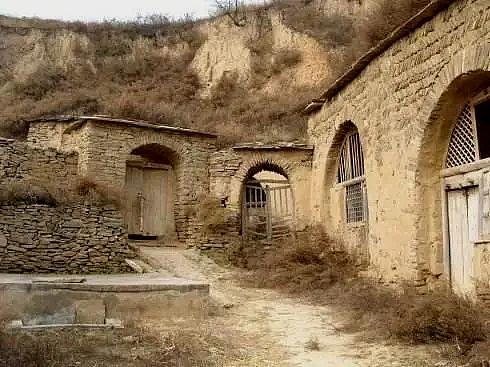
In the township of Lingzhen, Baozha District, Tangshan, Shi Village is a famous scholar village, with inheritance of Confucian learning and traditional culture.
MX
3“”“”“”
MX