Da Yun Shan (Daiyun Mountain) Ancient Village in Putian
The city of Putian, Fujian Province, is experiencing rapid economic development, with hospitals proliferating and temples generously donating. Modernity, speed, and wealth seem to be the hallmarks of Putian. However, deep within the mountains of Da Yun Shan, lies a hidden, old-fashioned, and slow-paced serenity.
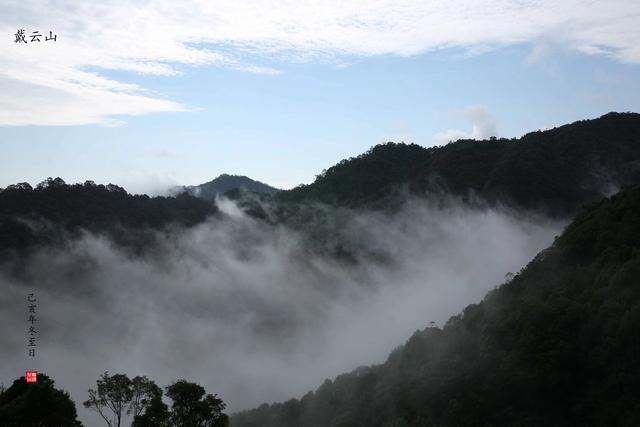
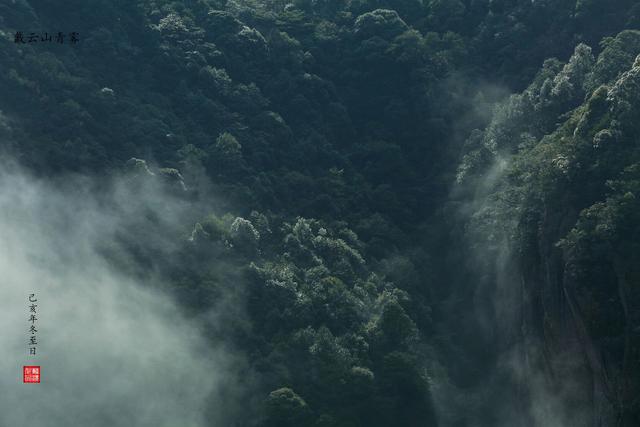
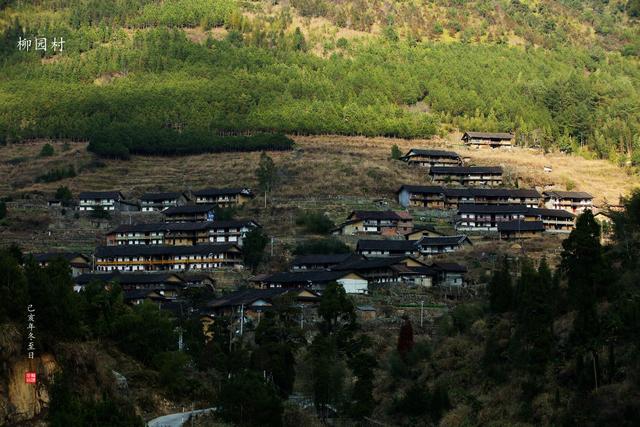
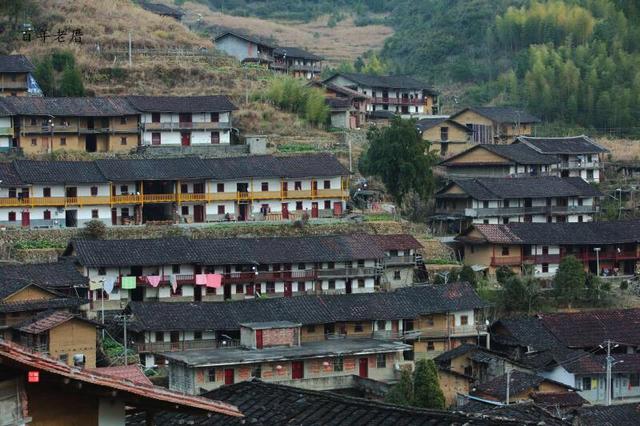
Small villages nestled amidst mountains, shrouded in mist and the sound of flowing water. Black-brown wooden railings on two-story buildings with red tile roofs, stone-paved courtyards, and a backdrop of green hills and deep ravines. Fields of golden crops, not boastful, but quietly hinting at abundance. Birds gather, undisturbed. Winter solstice is a particularly important festival in the Putian region, regarded with a significance akin to the Spring Festival. The Putian dialect features proverbs regarding the winter solstice – 'Winter solstice night is greater than thirty nights, winter solstice morning greater than the first day of the month' – reflecting the deep importance placed upon it. In the morning of the winter solstice, the women of the household would wake early to cook glutinous rice balls with ginger and sugar, first offering it to the gods and ancestors, then burning incense to honor the Earth God, Kitchen God, and Mother Goddess, before placing the cooled rice balls on doorways or windowsills to invoke family unity, prosperity, and well-being. After eating the rice balls, people would wear new clothes to visit ancestral graves. The Putian custom of winter solstice tomb sweeping is believed to avoid delaying the spring planting season, and also stems from the fact that during the Qingming Festival, food offerings could not be made due to a lack of supplies, while winter solstice and early spring offered a time of abundant harvests.
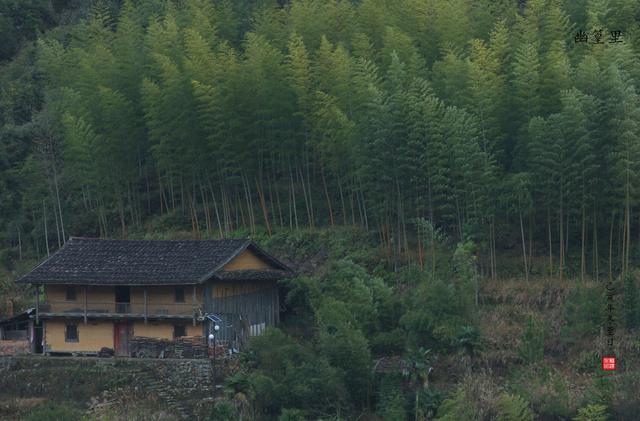
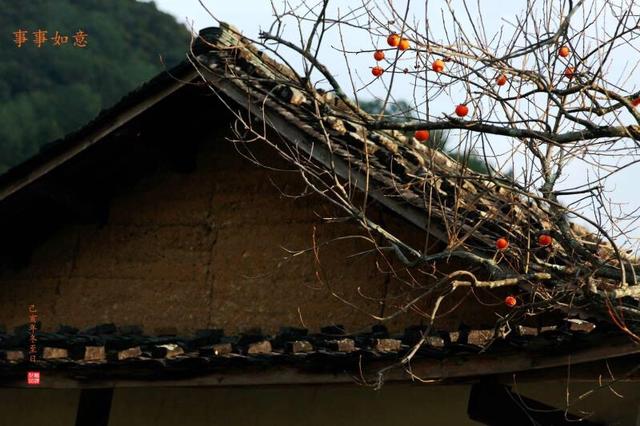
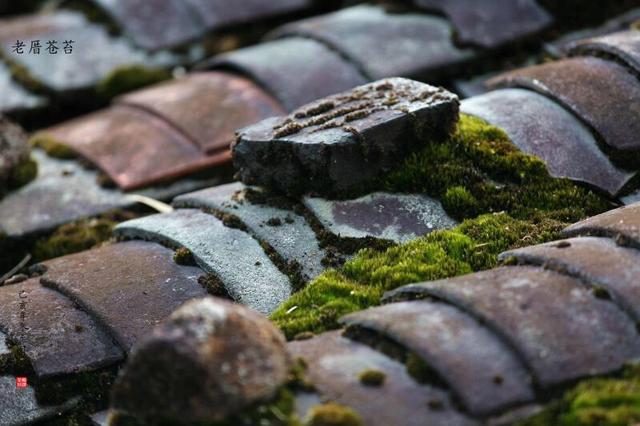
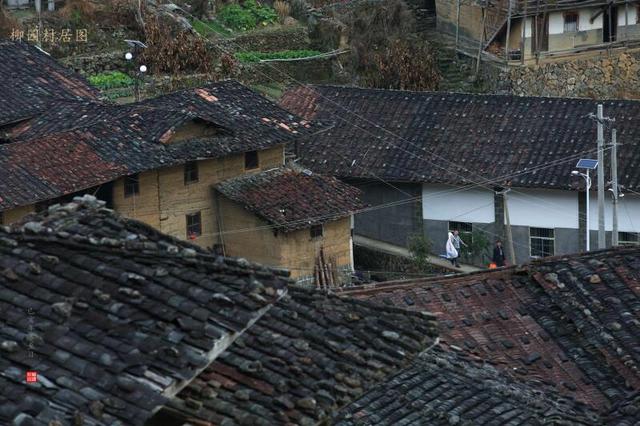
Before a small temple, young people carried baskets of sacrificial supplies, chatting while older men sat on the steps, their gaze fixed on their children. Crimson persimmons, perfectly ripe, flew back and forth between the trees, adding a touch of color to the aging village. The small temple, with its two round windows resembling eyes, was endearing and sacred. A winding stone path, covered in moss, connected the houses on the hillside. Two-story houses with living spaces on the upper floor and chicken coops and agricultural tools on the lower floor, accompanied by bamboo poles for drying clothes, chickens and dogs and cats lounging about, and patches of green vegetables in oil-green hues. The roofs were topped with brick, laid neatly, with moss growing between the gaps, extending over the bricks, merging them into a cohesive whole. A small barbershop stood at the corner, simple and clean, and the barber greeted us with a genuine and rustic smile.
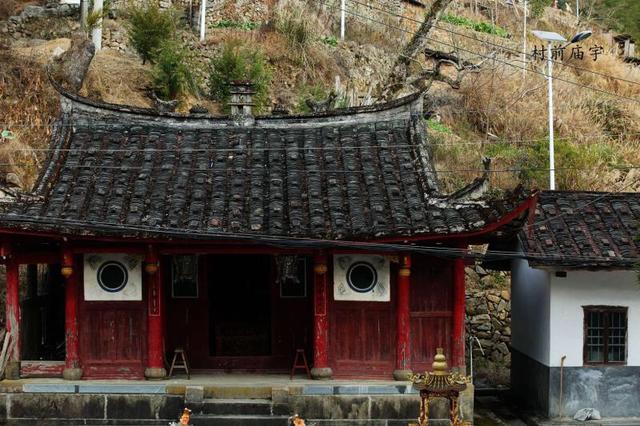
The village, named Guo, had been inhabited for seven hundred years in this idyllic sanctuary, offering stunning scenery. The Guo Clan Ancestral Hall gathered older houses, and solitary dwellings nestled under bamboo groves. The most striking and unique were the rows of large houses connected together – the Guo family, using the design of a five-finger palm roof, symbolizing the interconnectedness of family members. The large houses were well-preserved, and the courtyard in front of the entrance was filled with women chatting and doing housework. The windowsills were intricately carved with floral patterns, though somewhat dilapidated, still reflecting the former prosperity of the homeowners.
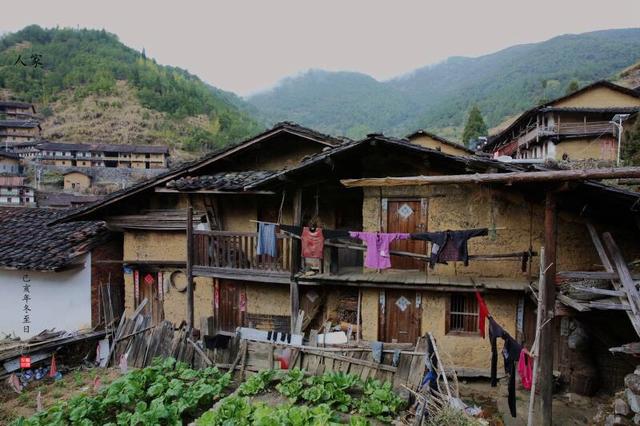
Solitary earthen houses, like hermits, separated from the village and its inhabitants. They maintained a quiet and unassuming watch over their neighbors. Large houses, elegant houses, and small houses in front of them each had a square courtyard built on a leveled stone base, surrounded by unobstructed views, sunlight filtering through the mist, bathing the courtyard, where families would dry bedding, grain, and tea, and the warmest moments were spent around a centuries-old wooden table eating food grown in their own gardens. Time passed in the stillness of the grass and clouds.
Silent mountains, warm villages, old houses, quiet stone paths. This ancient village, deeply rooted in the folds of the mountains, maintained its ancient spirit and traditions, resisting the allure of modern trends while steadfastly adhering to its customs.