When You Hear ‘Jiangsu’, What Tourist City Immediately Comes to Mind?
Jiangsu boasts abundant tourism resources, with natural and cultural landscapes harmoniously blending. Famous historical sites are scattered throughout the province. There are picturesque ancient towns and waterways with small bridges and flowing water, magnificent thousand-year temples that echo with the voices of countless people, exquisite and elegant classical gardens, vast and magnificent lake and mountain scenery, grand imperial tombs, majestic ancient city ruins, and a combination of delicate and rugged beauty, truly a 'Wu wind and Han charm, each with its own strengths.'
Someone summarized Jiangsu as follows: 'Jiangsu has thirteen cities, each with its highly representative tourism resources: Nanjing's Six Dynasties Relics; Suzhou's ancient gardens; Wuxi's Taihu Lake scenery; Changzhou's themed parks; Zhenjiang's temple mountains and forests; Yangzhou's Han and Tang culture; Taizhou's national cultural heritage; Nantong's Jiangtao Sea Tide; Yancheng's red history (New Fourth Army Reconstruction Headquarters) and precious birds and beasts; Lianyungang's sea paradise; Huaian's great man's former residences; Suzhen's rural scenery; Xuzhou's Qin Han Ruins, all of which attract tourists from all over the country.'
My first impression of Jiangsu is 'Su' and 'Suzhou' – 'There is paradise above Suzhou and heaven below Suhang.' Since entering the 'paradise on earth' Suzhou, I have quietly sensed her beauty. Suzhou is a cultural ancient city with a history of 2500 years, accumulating Wu culture, and its wisdom is reflected in the exquisite carvings. Suzhou has become a treasure that has been carefully crafted for centuries, with Wu culture and gardens as its highlights.
There is a blend of prosperity and tranquility, and tranquility reveals an air of pride. Sometimes like a glamorous and decadent noblewoman, and at other times like a pure and innocent young girl. The scenery is constantly changing and endless.
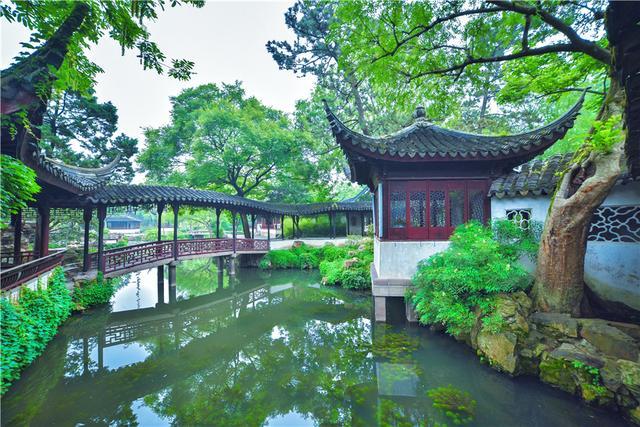
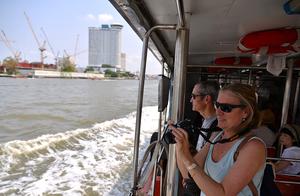
Taking a gondola cruise into Suzhou, along the way, there are lush green mountains and flowing blue waters, poetry and reflection, and a sense of understanding. Outside the cabin, a light drizzle, inside there is plenty of wine, and we drank happily while enjoying the scenery.
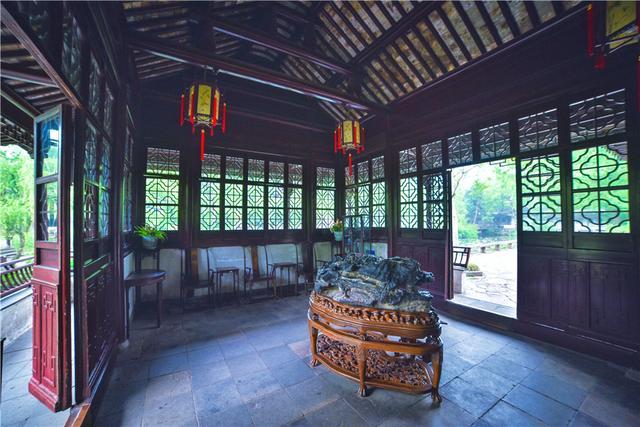
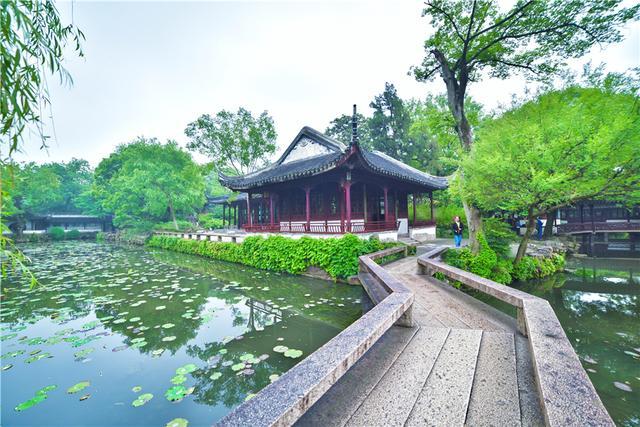
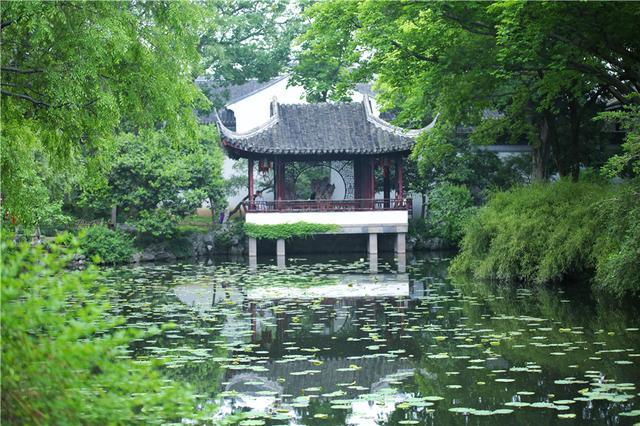
Suzhou is a city with a dense concentration of gardens. It is said that many scholars have emerged from here, and these gardens were built by high-ranking officials returning home after serving their dynasties.
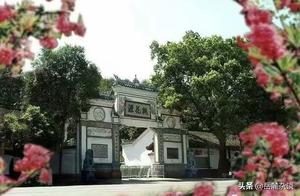
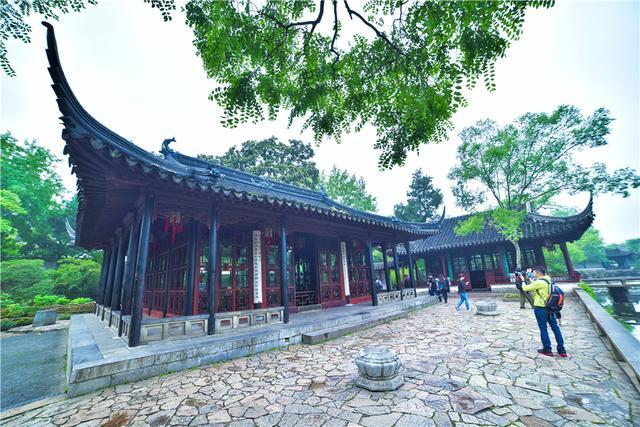
In the Humble Garden, Lion Grove Garden, and Shizi Garden, the elegant Suzhou gardens showcase the beauty of Suzhou in a small space. The pavilions, halls, towers, and terraces in the gardens were designed for quiet contemplation, and the way to appreciate their charm is to lean on the railings to look at the scenery and reflect on life.
Some say he always likes to walk along the Pingjiang River in Suzhou and quietly seek out Suzhou's fragments of words. Sitting in a tea house, he sat on a wooden bench, as if he were at home. In a coffee shop, he climbed the narrow staircase to the upper floor, and beside the staircase were letters written to the future. The shop was filled with books and a brown-toned lamp was arranged with a flower-filled ceramic pot, creating a chaotic and charming atmosphere.
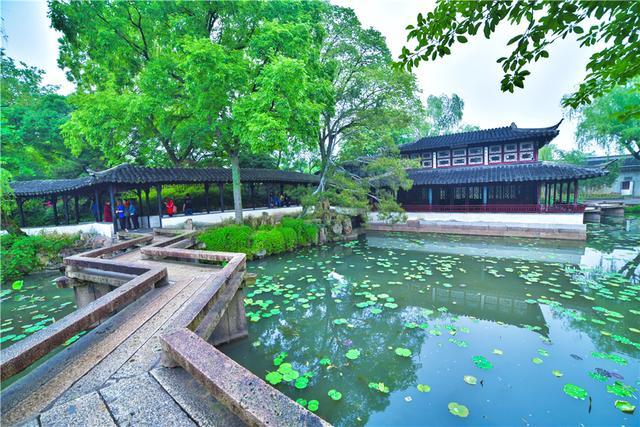
For Suzhou, I have always been a stranger, but I can feel Suzhou's unique Jiangnan atmosphere, like a young girl dancing in my heart, and like the dream I have been longing for. Stepping into Suzhou is like stepping into a long historical corridor.
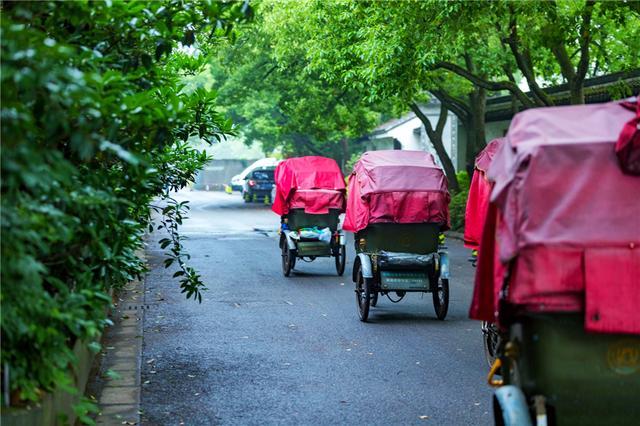
The alleys of Suzhou are not only beautiful, but each alley can evoke a vivid story. Quiet alleys create countless stories of talented men and beautiful women. Suzhou is a river that has been read and understood by people for generations, and it will surely flow into more people's hearts in the future, wash away dusty souls, and let people show their purest and brightest selves.