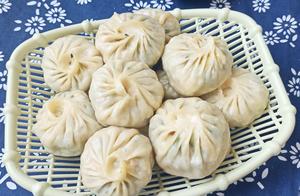
To make smooth, fluffy, and elastic steamed buns, here are a few key techniques to remember
Although it's now convenient to buy things like steamed buns, baozi, and flower rolls, when buying noodles, they always seem to lack flavor compared to making them yourself.
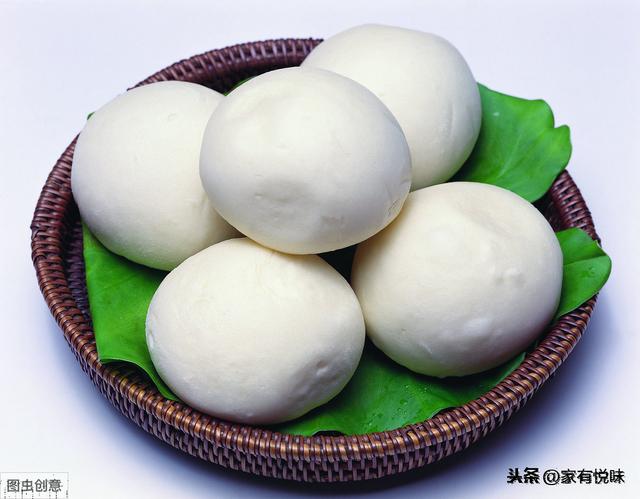
When making steamed buns yourself, they sometimes become too big, too fluffy, or sunken. This is quite frustrating.
Actually, making steamed buns is simple, but there are a few techniques to make them taste good.
About kneading the dough
When making steamed buns, the dough should be soft and pliable, generally with a ratio of 2:1 for flour and water. Of course, this also depends on the moisture of the flour.
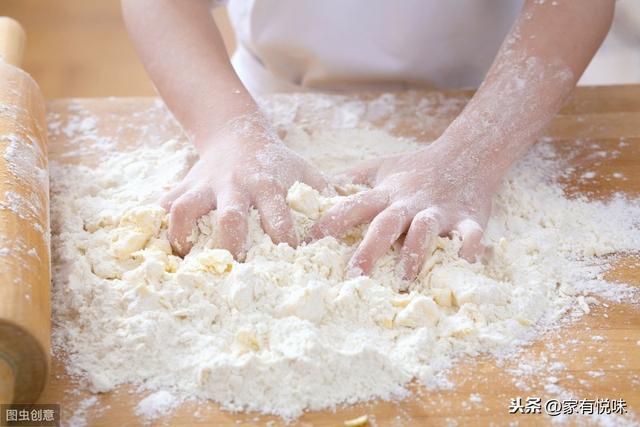
Typically, 500 grams of flour needs 3-4 grams of yeast. You don't need much. When kneading the dough, it's best to first dissolve the yeast in water before kneading, because the yeast will be fully dissolved, preventing it from sticking to the dough. Also, kneading with this method will make the dough rise faster than adding the yeast directly to the flour.
About kneading
When the dough is first made, it's hard to knead it into a smooth dough because the water hasn't fully entered the flour granules. At this point, you can let the dough rest for a while, and then kneading it will become easy.
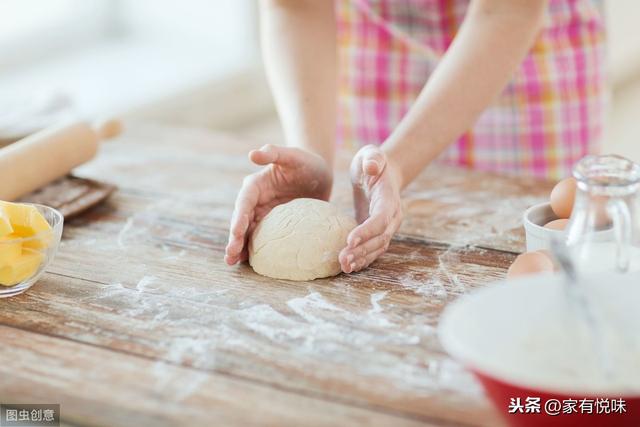
After the dough has risen, kneading is also crucial. You should try to expel all the gas from the risen dough and knead it to be smooth. Then, shape the dough into steamed buns.
About rising
Because the most suitable temperature for yeast growth is 20-30 degrees Celsius, it's relatively easy to make dough in the summer. In winter, due to the low temperature, you can increase the rising time, or place the kneaded dough in a warm place for rising. For example: under an electric mat, in an oven, or under a pot of hot water.
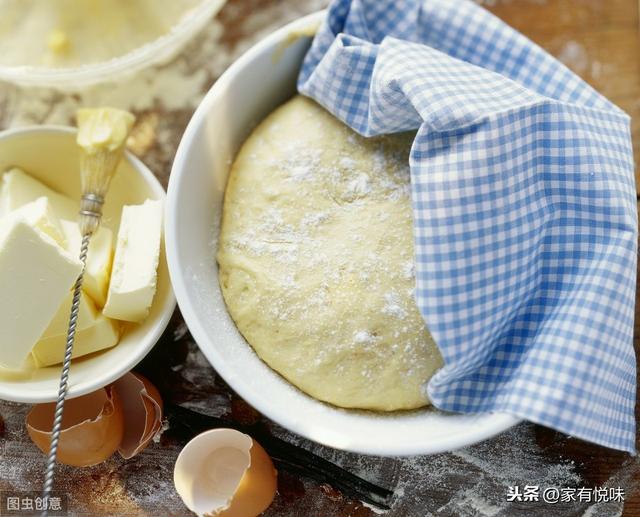
There's also an important point: steamed buns need to undergo a secondary rising. This is very important and cannot be omitted. To determine if the secondary rising is complete, you should see if the steamed buns have become plump and feel light in your hand. If these two conditions are met, it's ready to be put into the pot.
About steaming
1, The amount of water in the pot is also crucial. If the water is too much, when it boils, it will wet the gauze, affecting the quality of the steamed buns. If it's too little, the generated gas will be insufficient, causing the steamed buns to shrink and deform, which is unsightly. Therefore, the most appropriate amount of water is 6-7 out of 10.
2. Generally, after the steamed buns have undergone secondary rising, it's best to put them into the pot with boiling water.
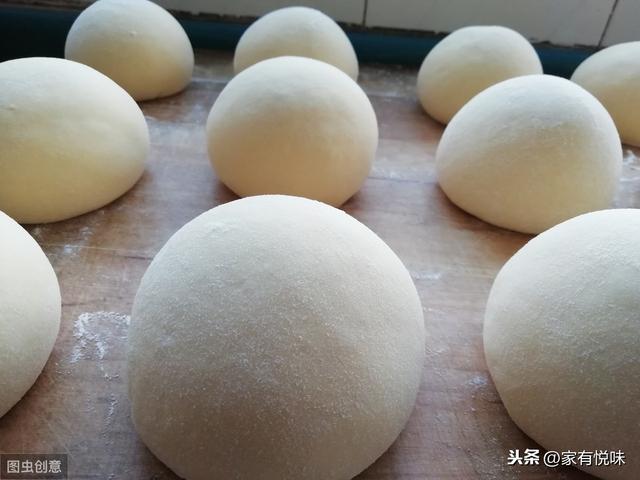
3. The steaming time for steamed buns is generally 30 minutes. If the time is too short, the steamed buns will stick to your hands or will not be cooked through. The heat should be medium-high. (If you prefer to steam with cold water, steam for 30 minutes after opening the pot.)
4. As the saying goes, 'Steam for a good breath,' which means that during steaming, the lid of the pot must be covered tightly, and you shouldn't lift it in the middle to ensure uniform temperature inside the pot, which is the key to making good-quality steamed buns.
After steaming is complete, turn off the heat and let it stand for 2 minutes before opening the lid to reduce the impact of the cold air.
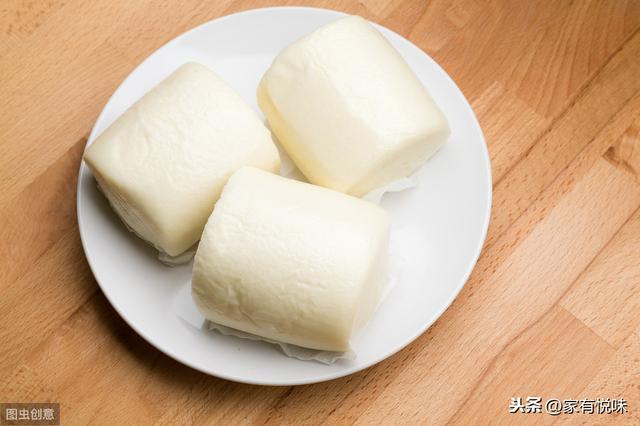
If you master these points, you're sure to succeed in making steamed buns.
Okay, today's sharing is over. I'm Home Sweet Taste, and this article is my original work. I hope you all like it. If you have any questions during the process of making them, please follow me to discuss and share culinary experiences with me. Let's make good food together and eat healthier and more nutritious!