Eating Too Much Starch Leads to a Quick Death? Is It True?
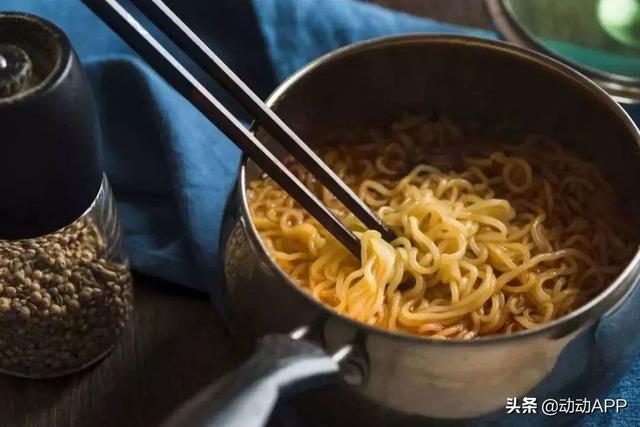 Asking this question to friends, it's likely you've seen the viral article from Moments – 'Are you dying from eating too much starch? The latest research from the Lancet, embarrassed many doctors and nutritionists'.
Certainly, the main point of the article is:A higher intake of carbohydrates increases the risk of total mortality.and provides survey data, the group with the highest mortality rate had a carbohydrate supply of up to 77.2%.But actually: the data in the study is biased,
Most Chinese people don't eat a lot of carbohydrates!Maintaining a normal 60-70% is not a health hazard.Besides that, there are many widely promoted 'healthy viewpoints' in daily life that are also questionable. Let's see if you've fallen for it!Misconception 1. Eating fruit for dinner is healthy!
Truth: Eating a pound of mangoes or grapes already contains a lot of sugar. And long-term consumption can lead to a lack of protein and other nutrients, resulting in nutritional imbalance and even disease.

Misconception 2. Drinking milk on an empty stomach is convenient!
Truth: Although protein is good, an empty stomach hinders absorption. It's still necessary to add some main food and fat.
Misconception 3. Eating raw carrots is good for your teeth!
Truth: The vitamin A that protects your eyes in carrots is fat-soluble, so cooking carrots with edible oil to eat is more nutritious than eating them raw.
Misconception 4. Peel fruits to eat them is delicate!
Truth: The skin of eggplants, blueberries, and grapes contains a large amount of polyphenols, which have the effect of antioxidant and anti-aging. Removing the skin to eat is a pity! Furthermore, removing the skin of tomatoes will make the important antioxidant substance—lycopene in tomatoes easily lost with the juice, which is not conducive to maintaining health.

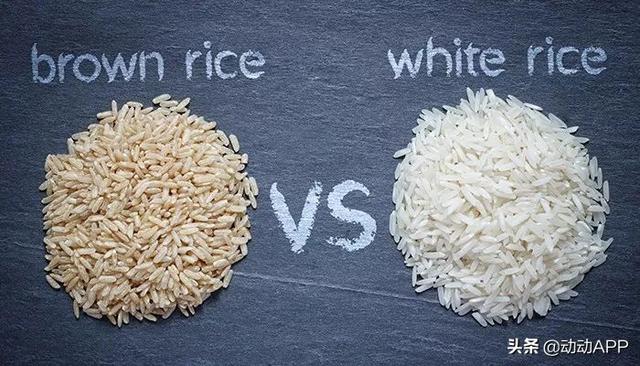
Misconception 5. White rice is of higher quality!
Truth: The whiter the rice, the less nutritious it is. The whiteness of the rice is related to the degree of removal of the outer layer of the rice, i.e., the more the outer layer of the rice is removed, the whiter the rice is, but the more nutrient loss there is. In fact, the rice bran contains B vitamins and dietary fiber, and the rice germ contains vitamin E and polyunsaturated fatty acids.
So, to 'eat well' and 'eat skillfully,' you need to carefully examine your choices.
Small habits, big influence, join Little Dong to love health every day~
* If you also have questions about exercise and health, welcome to leave comments in the comment area, Little Dong will select representative questions for reply in the next issue of the program~
~
* ~