Yeast, Baking Powder, and Baking Soda: What's the Difference? Can They Be Used Together? 30 Years of Baker's Advice
Yeast, baking powder, baking soda are common 3 food additives, familiar to housewives and foodies alike. Almost every household kitchen can't be without them.
But for novice cooks or those unfamiliar with baked goods, they may not know the characteristics and differences between these three. What are their respective advantages and disadvantages? When to use which one?
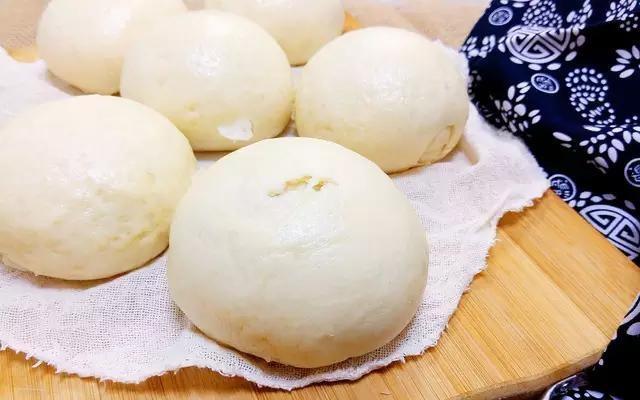
Today, Mr. Hu, a professional baker with 30+ years of experience, will explain it to you. Once you understand it, even beginners can bake soft, white, and delicious steamed buns.
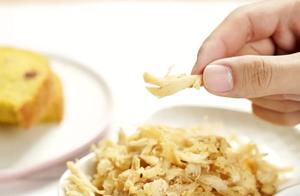
First: Yeast powder. Yeast refers to single-celled fungi that converts sugar into alcohol and carbon dioxide, distributed throughout nature. It is a typical facultative anaerobic microorganism. It can survive in both aerobic and anaerobic conditions. It is a pure natural and safe leavening agent.
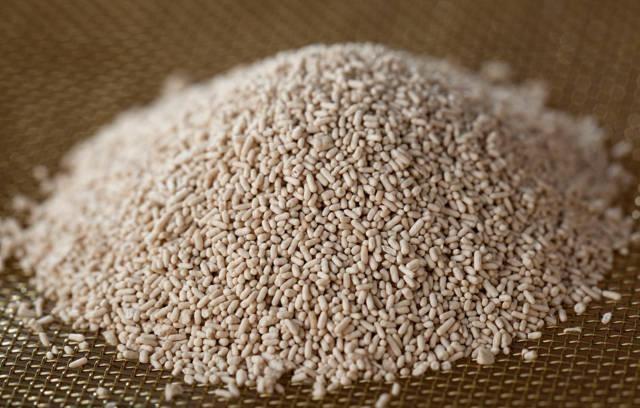
The fermentation principle of yeast powder is that yeast and dough produce a large amount of carbon dioxide through fermentation. It starts fermenting as soon as the dough is mixed, and the temperature is too high, the yeast will die, and the temperature is too low, the dough will not rise. Adding a little sugar to the dough during fermentation can accelerate the fermentation effect.
Yeast powder is a pure natural microbial leavening agent, harmless to the human body. And because it ferments quickly and is safe, it is the most used leavening agent in home kitchens. People use it to steam steamed buns, buns, or pancakes.
Second: Baking powder.
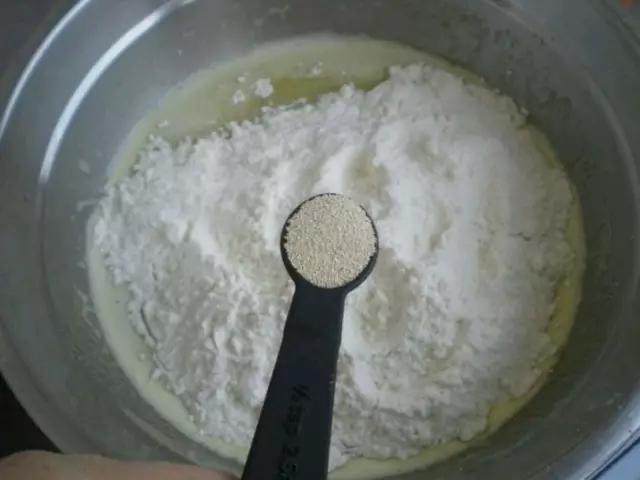
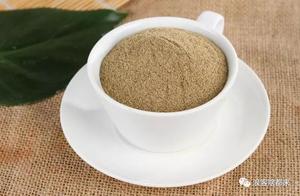
Baking powder is a composite leavening agent, made of soda powder added with acidic materials and made into a white powder filled with cornstarch. Some formulas contain aluminum.
The fermentation principle of baking powder is secondary fermentation when encountering heat in the steamer. It starts fermenting when it encounters heat. It is a neutral substance and is not affected by temperature and humidity.
Baking powder has a fast and fluffy effect and is also used in baking, such as cakes, puff pastry, and cookies. It can also be used for steamed wheat and corn flour steamed buns. Especially those containing aluminum are not good for human health.
Third: Baking Soda. Here refers to edible baking soda, not industrial-grade soda ash and baking soda. It is made by absorbing carbon dioxide from the solution or crystals of baking soda. Baking soda is an alkaline substance. It does not promote dough fermentation, but it has a key role: it acts as a neutralizing agent with acidic substances, that is, it is used to neutralize the sourness in the dough after fermentation. It is very effective.
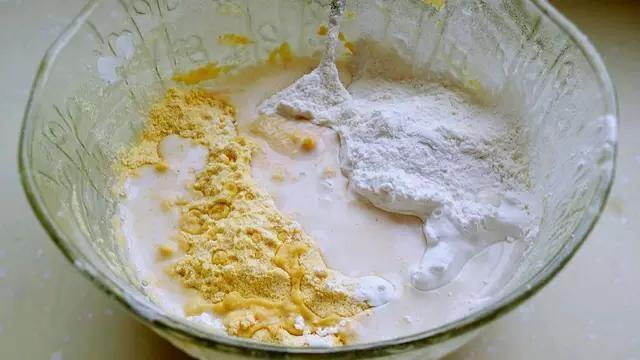
Of course, baking soda and leavening agents were used before yeast was invented, which is why people used lard or old yeast to make dough. Now it's common to use baking soda to neutralize the sourness. The amount of baking soda used is generally 5-6 grams per 1 kg of flour. When the dough is easy to hand and tastes sweet, it's the most appropriate amount.
Baking soda can also be added to baking food. I add baking soda to my puff pastry. In addition, baking soda also has a good cleaning function, such as washing sinks and stoves,
All three leavening agents have similar methods and effects, that is, they produce a large amount of carbon dioxide gas in the dough. During the steaming process, carbon dioxide expands with heat, so the flour becomes fluffy and delicious. But the principle is different. Yeast fermentation uses the biological process of yeast fermentation, which is safe and harmless, and can improve the nutritional value of baked goods. While baking soda and baking powder are chemical processes, which can severely damage the B vitamins in flour, which is not good for human health.
It's best not to use these leavening agents together, as they may react with each other and affect the taste. But in special cases, they can be used together. Because I have used them, I made corn flour steamed buns, first put baking powder, then yeast, and after the dough started to rise, I used baking soda, and the result was quite amazing.
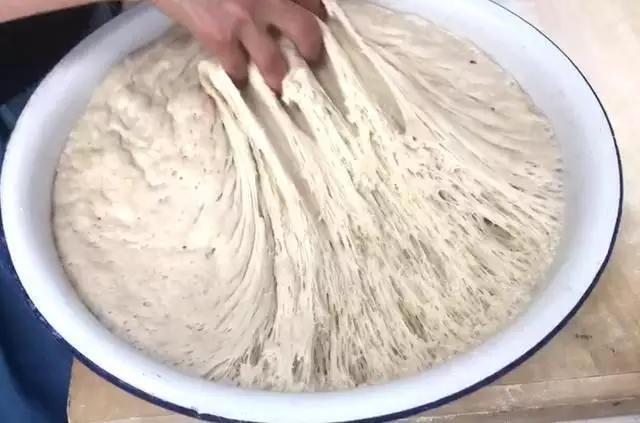
Outside steamed buns and buns are soft, white and fragrant, better than home-made. The secret is that.
You have learned their differences and methods of use. Tomorrow go and try to steam some steamed buns.
“ ”