Making Noodles at Home: Rolling, Cutting, and Shaping Dumplings
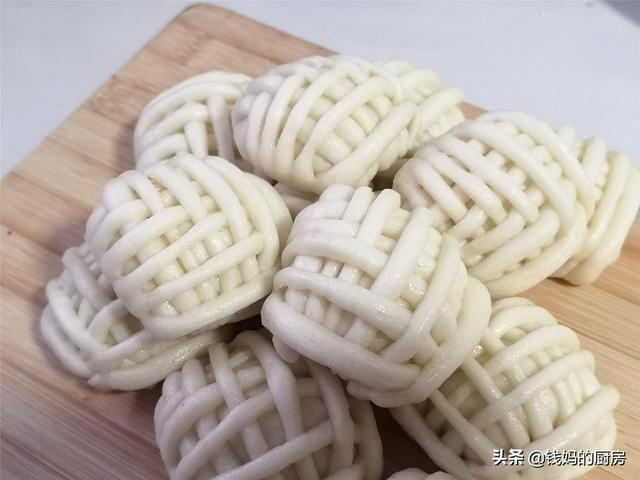
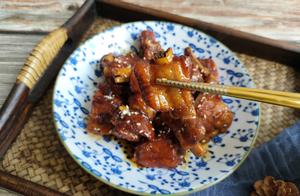
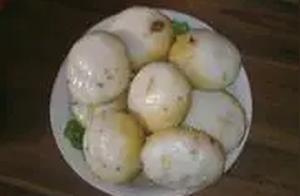
These few days the temperature is very high and the weather is good, the children always say they want to eat cake, mom always doesn't have complete tools and can't make it, compromise, I can make some noodles for them, because the temperature is high, the flour will quickly rise, half a day's work can be finished, when I get home, I brought some black sesame dates back to mom, I said it was for her to eat as a snack, the old man doesn't get used to eating snacks, he always puts it aside, today he took it out to make some buns, he can eat them together with porridge for dinner, it's very convenient, these few days at home, I forced myself to make noodles better than cooking rice, really, in the afternoon, our classmates one by one shared delicious food, I posted the buns I made, and they all said, 'Wow, it looks like a work of art, right? It’s just buns!'
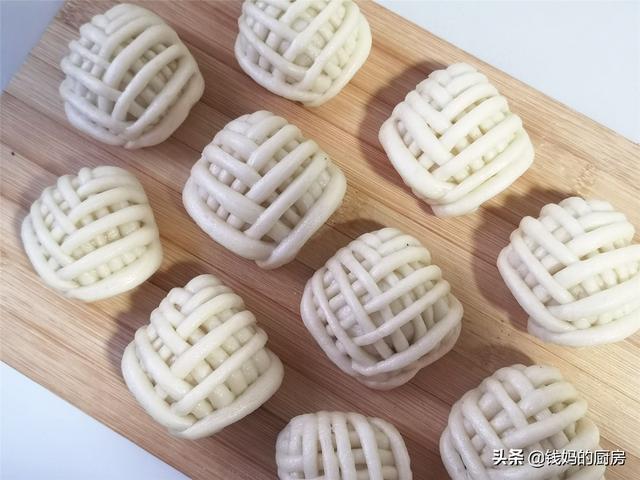
The main points of making noodles are kneading and rising dough. If you have a bread machine or kitchen machine, kneading dough won’t be a problem. If you knead dough by hand, it's more troublesome. Remember to use the root of your palm to knead the dough, cross your hands to knead the dough until it's smooth, and the dough has no air. Cutting the dough is also very tight. The fermentation method I use for buns and steamed buns is one-time fermentation. After shaping it, ferment it. When the dough becomes twice its original size, you can press it to see that it’s very elastic, which indicates that it’s almost done. If the steamed buns are sunken and have pits on the surface, it means that kneading and fermentation are not enough. This will be explained in the process. I hope you can also make soft and beautiful noodles.
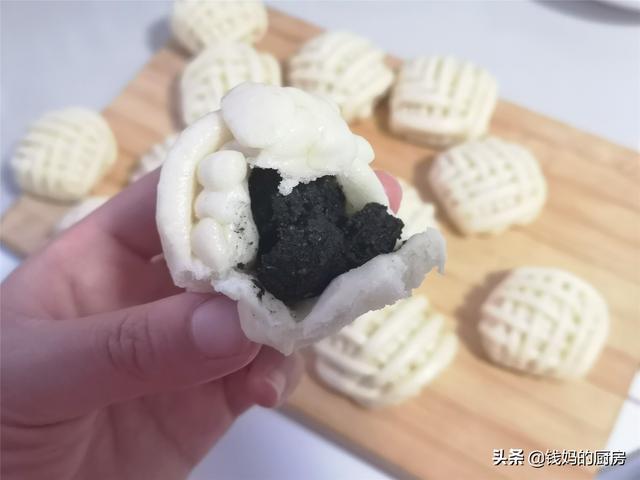
Black Sesame Buns
Ingredients: 300g flour, 4g yeast, 150g warm water, 2 spoonfuls of sugar, black sesame dates as much as needed
Method: 1. Pour yeast into warm water and mix evenly, stir until there are bubbles, indicating that the yeast is active and fermentation is fine. Some yeast, if stored for too long, will affect the fermentation speed. You can use this method to check if your yeast is active.
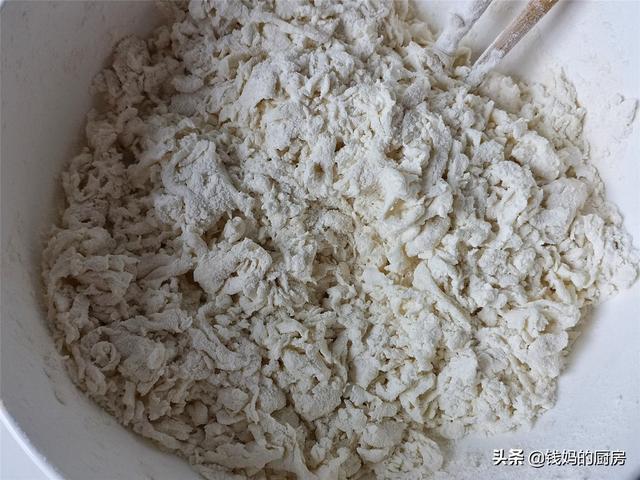
2. Mix flour and sugar evenly, slowly pour yeast water into the flour and stir until the dry flour disappears, then start kneading. Use the root of your palm to cross-knead the dough until it’s smooth, and the dough has no air. The dough is difficult to knead at first, so let it rest for about 10 minutes before kneading. The dough is very easy to knead smoothly.
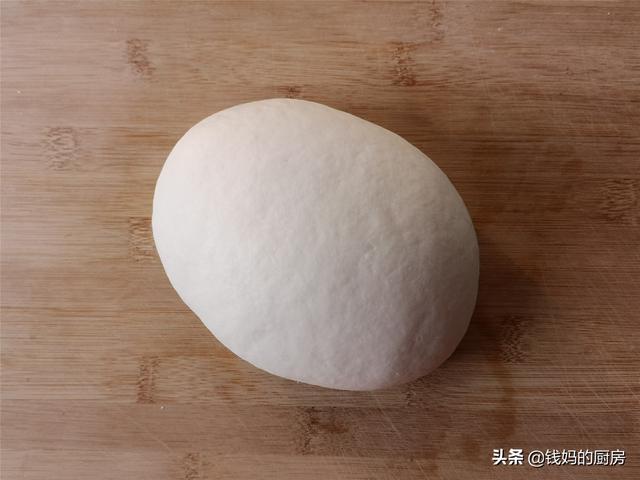
3. After kneading the dough, use a rolling pin to roll it into two or three millimeters thick slices. Cut long strips with a knife first, then cut them into square slices.
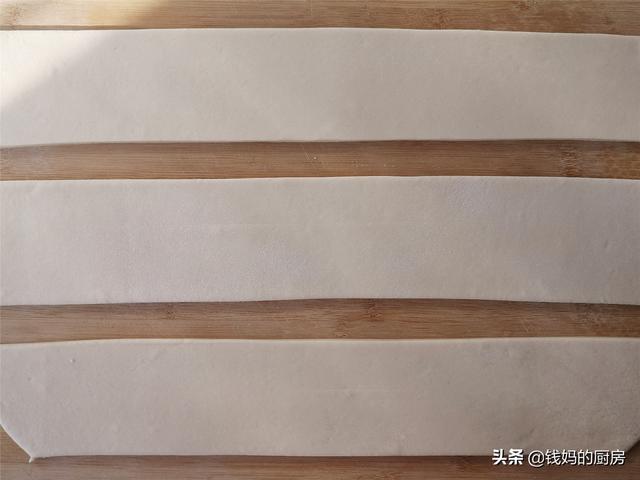
4. Then cover with plastic wrap or damp cloth to keep it moist.
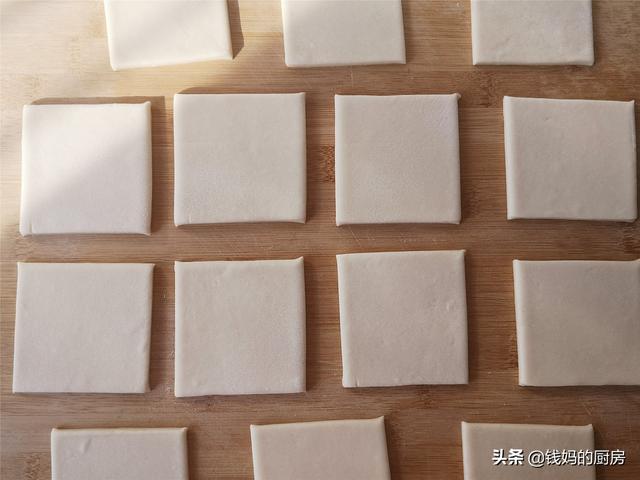
5. Cut the slices in half vertically and horizontally in the middle, and then cut into small strips, you can cut 5 or 6 strips, try to make them uniform and beautiful.
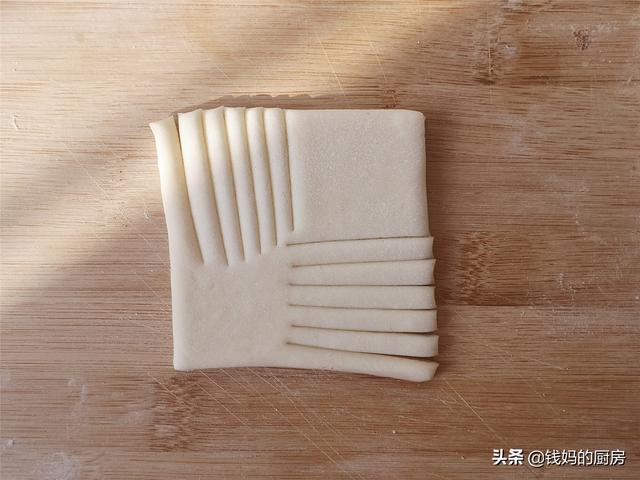
6. Place the black sesame dates in the middle and on the right side, facing each other, cut a knife through the middle, then cut small strips, cut 5 or 6 strips, try to make them uniform and beautiful.
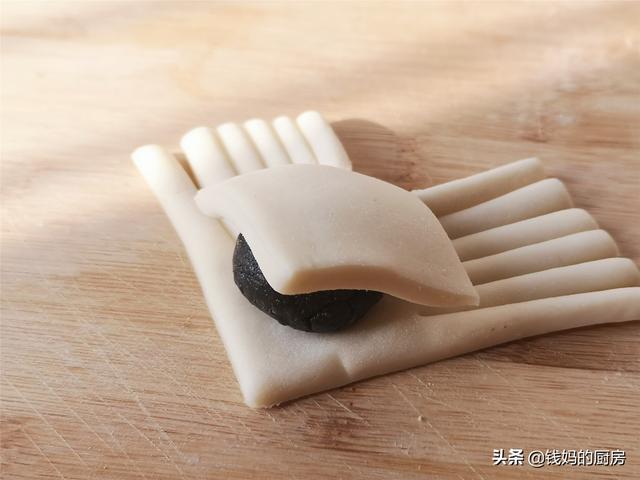
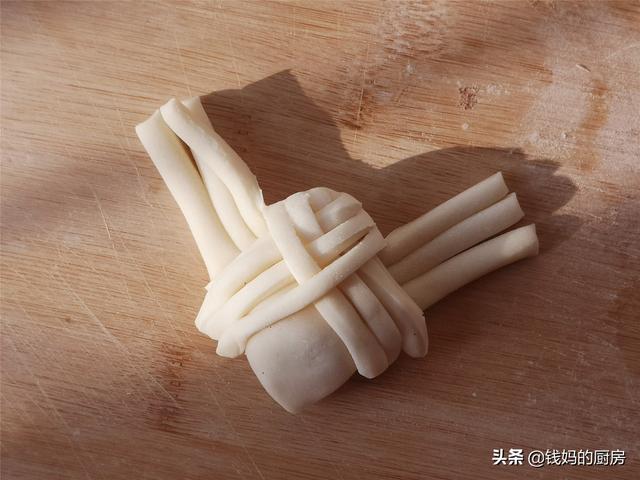
7. Wrap the dough with black sesame dates, turn it over and wrap it, press it tight and seal the edges, and stack them in a cross shape, try to make the lines as straight as possible.
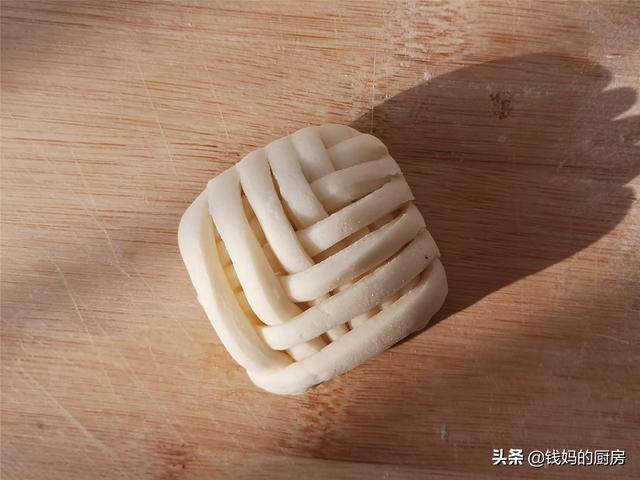
8. The edges are folded, and the shaping is complete.
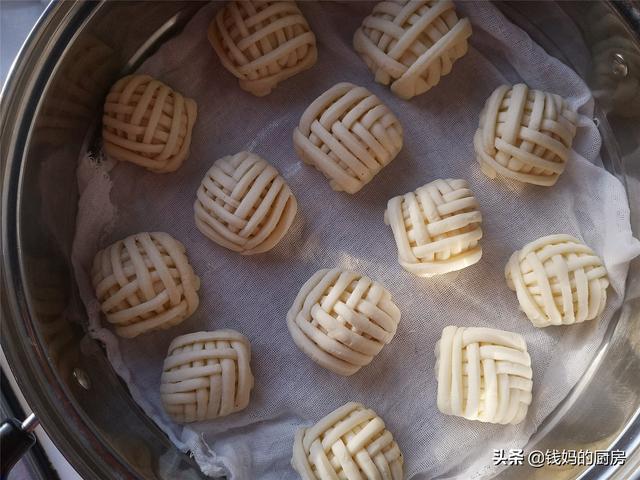
9. Cover with a lid and put it in a warm place to ferment, until the buns grow twice their original size, press the dough to see that it’s very elastic.
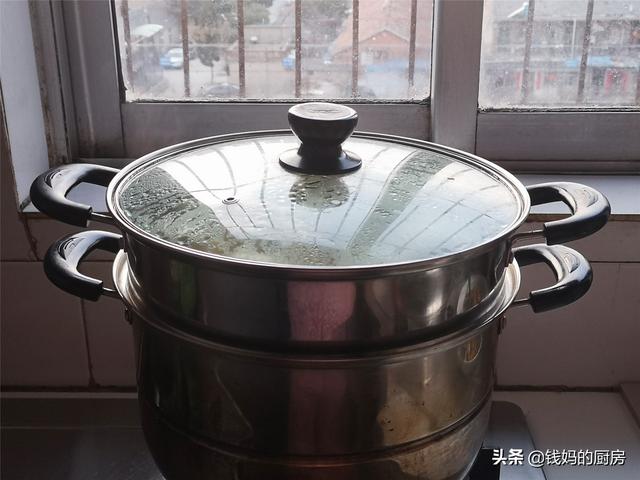
10. Bring a pot of water to a boil, then put the buns in and steam over high heat for 10 minutes, turn off the heat and steam for 1 or 2 minutes.
Tips: 1. When making buns and steamed buns, the ratio of flour to water is basically 2:1. The amount of flour and water depends on the absorption of the flour. When kneading, don't add all the water at once, add a little and adjust it. Adding white sugar to the flour also provides nutrients for the yeast and speeds up the fermentation of the dough.
2. After shaping and fermenting once, it’s easier to make buns that are smooth and won’t sink.