Too much sweet bread, come and try this No.1 selling Japanese Salt Bread from the Bakery!
Leaving Wuhan for a total of 70 days, I finally returned to Wuhan on March 31st.
The community is still under closed-management, and my family just happened to have a block of salted butter in the refrigerator
So I made this salted butter bread roll. I made 20+ at a time, and I shared some with my Wuhan friends, and it received a lot of praise.

Salted butter bread is actually from Japan, said to be a staple product of every bakery.
I loved it the first time I tasted it – it has a rich texture and a slight chewiness.
The key ingredient is salted butter and butter with salt. As for only having unsalted butter at home, let's take a look.
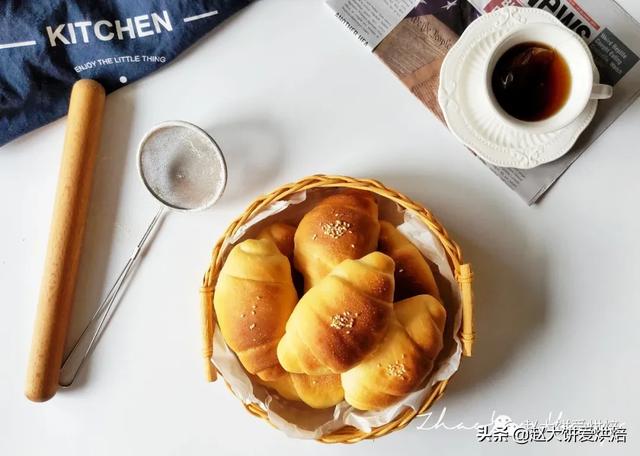
Salted butter bread was a No.1 product in major Japanese bakeries in 2015, sold out quickly, and limited to a certain amount in the bakeries
The method of making it is relatively simple, a single loaf can bring out a savory and fragrant taste, the bottom is crispy, the inside is soft and chewy with a texture of three kinds

Its shape resembles a cream roll and croissant, but the process is simpler than croissant

The perfect pairing of butter and salt, after high-temperature baking, the melted butter with salt penetrates the bottom, creating a crispy texture, but inside it is very soft and chewy
You can press it down, and it will immediately bounce back
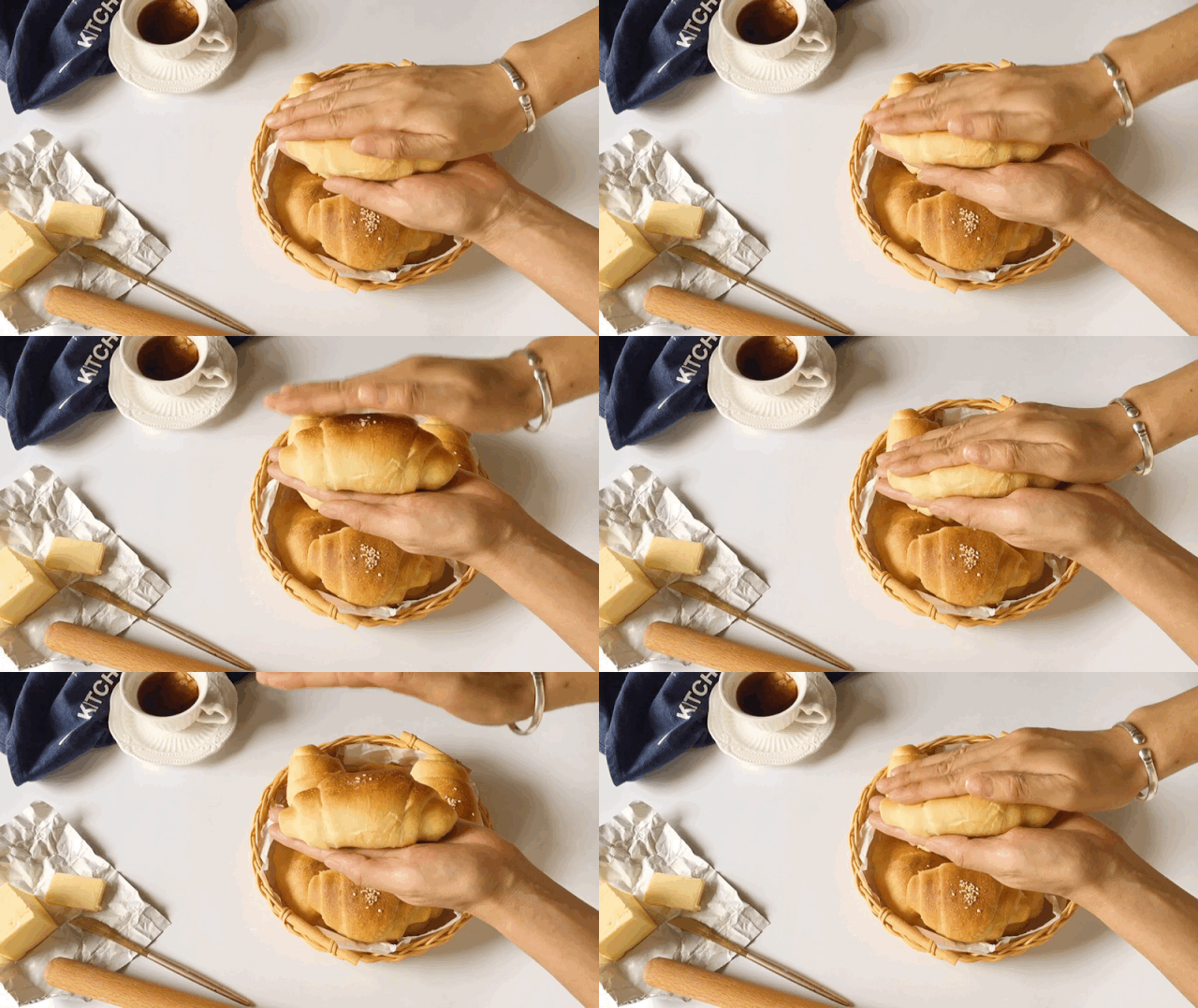
It's a really simple bread with delicious flavor.
· Ingredients ·
Proofing dough ingredients: 40g high-gluten flour / 4g granulated sugar / 40ml hot water
Main dough ingredients: 250g high-gluten flour / 150g milk
25g whole egg liquid / 20g granulated sugar / 15g milk powder
25g unsalted butter / 3g yeast / 4g salt
Enrobing material: 50g butter with salt
If you don't have butter with salt, you can melt 100g of unsalted butter
Add 2g salt, stir until smooth, and return to the refrigerator for solidification before using
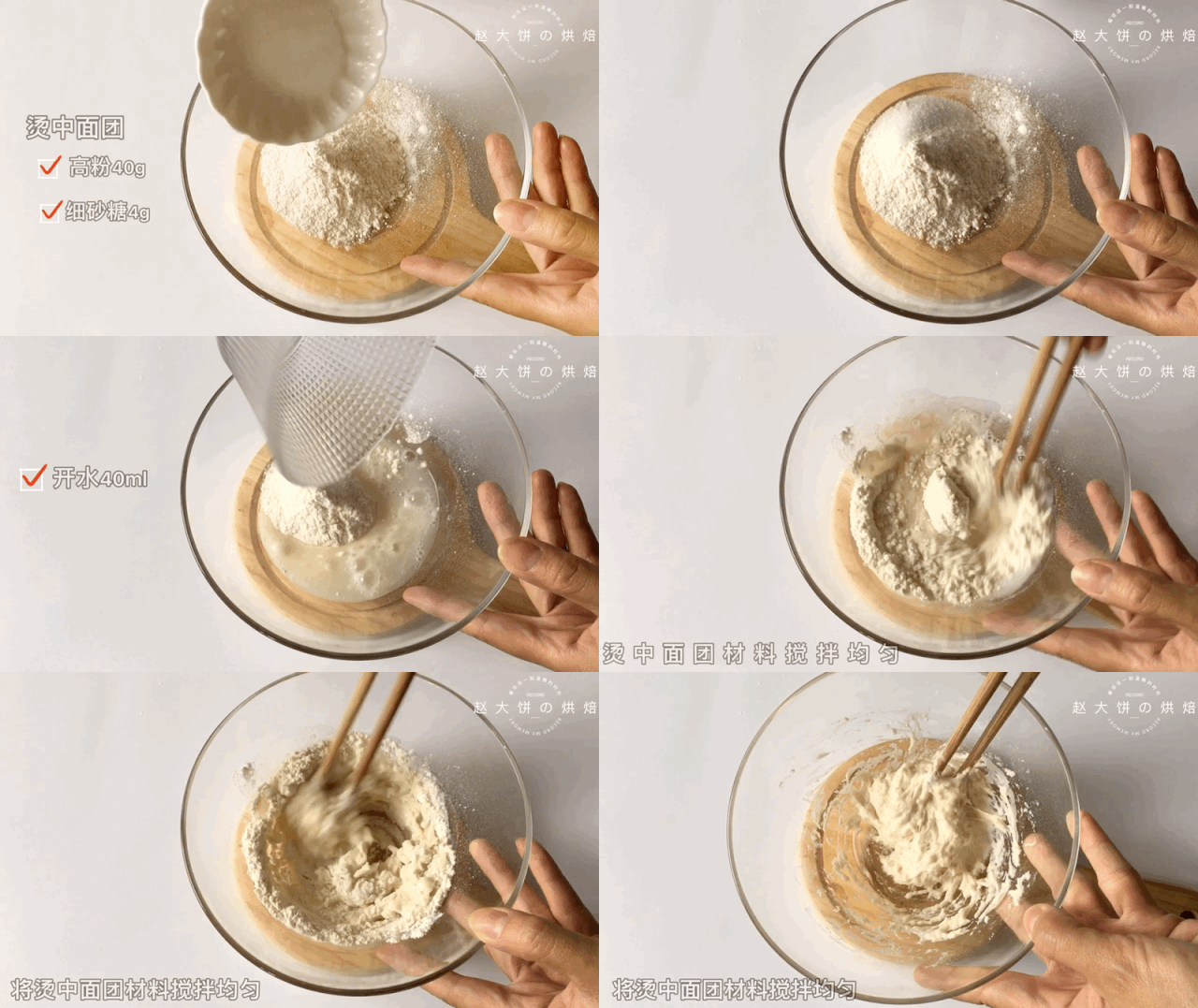
1Proofing dough
Mix high-gluten flour and sugar evenly, pour in hot water and stir until smooth, then let it cool and set aside
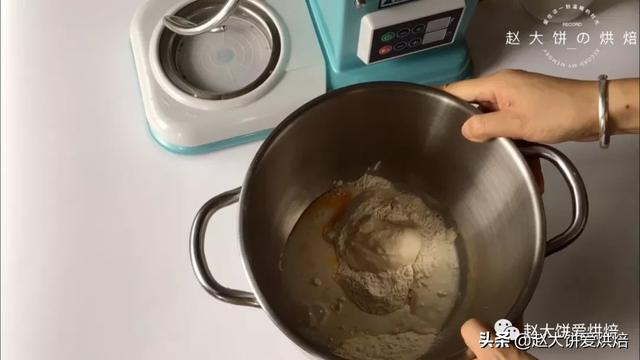
2Main dough
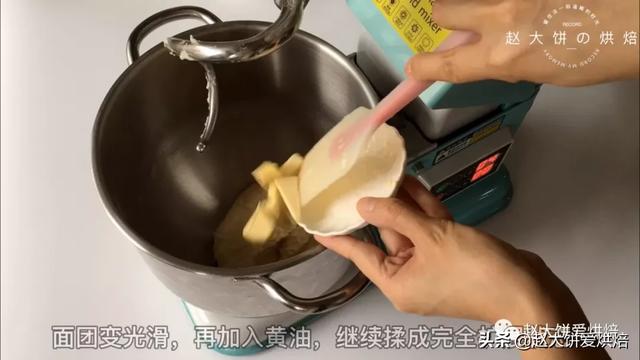
Except for unsalted butter, all ingredients, including proofing dough, are kneaded into a smooth dough
Add unsalted butter and continue kneading to a fully extended state
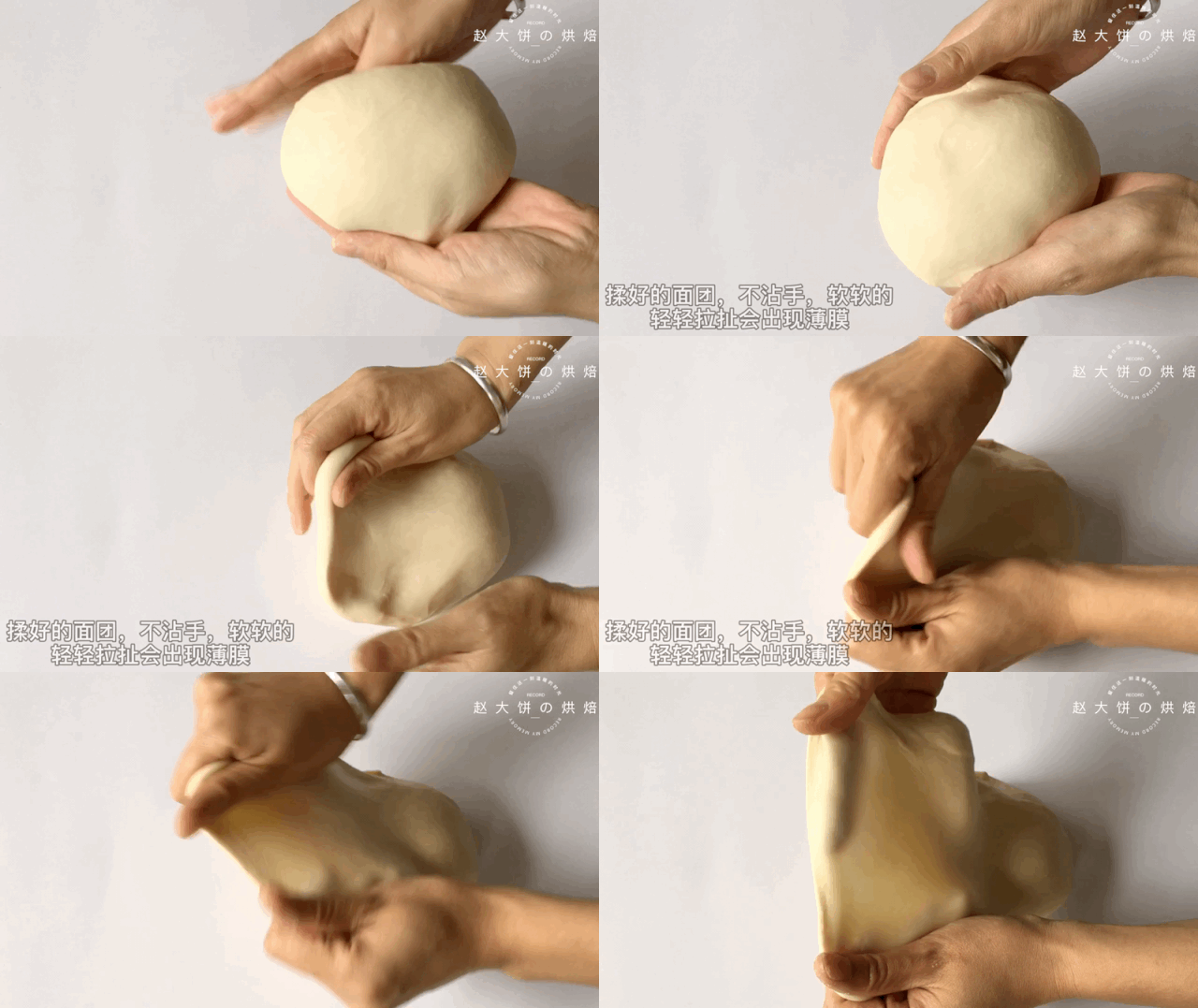
The kneaded dough is fluffy, and you can easily stretch it into a thin film
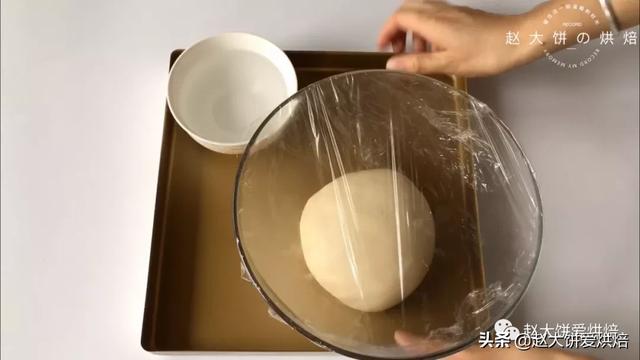
3First proofing
Cover with plastic wrap and place a bowl of warm water, place in the oven for proofing
Some ovens have a built-in proofing function, you can adjust the temperature to around 30 degrees
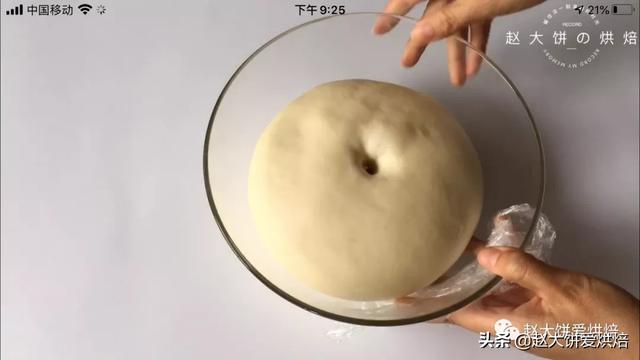
If there is no proofing function, the warm water in the bowl, plus the sealed environment of the oven, can still proof
First proofing, proof until about 2 times its size, pinch a little dry powder, poke it in, if it doesn't shrink or rebound, it's proofing well
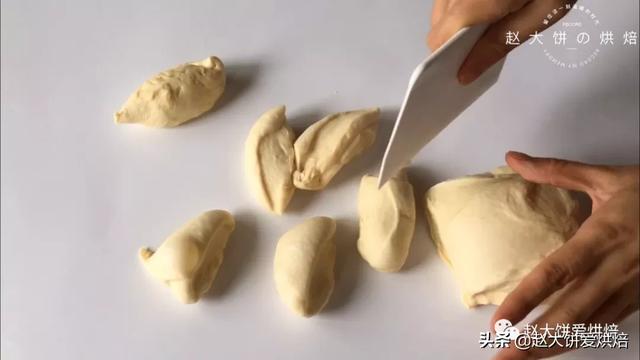
4Deflate and shape
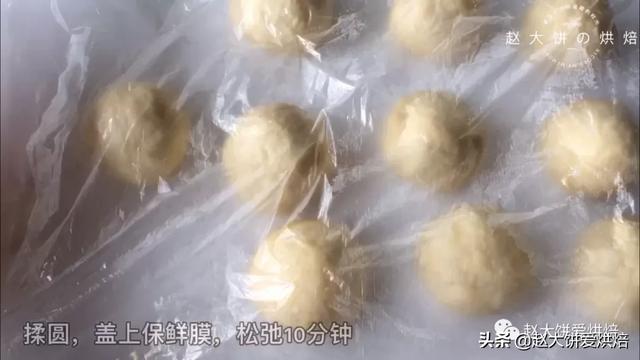
Divide the dough into 10 pieces, about 55g each
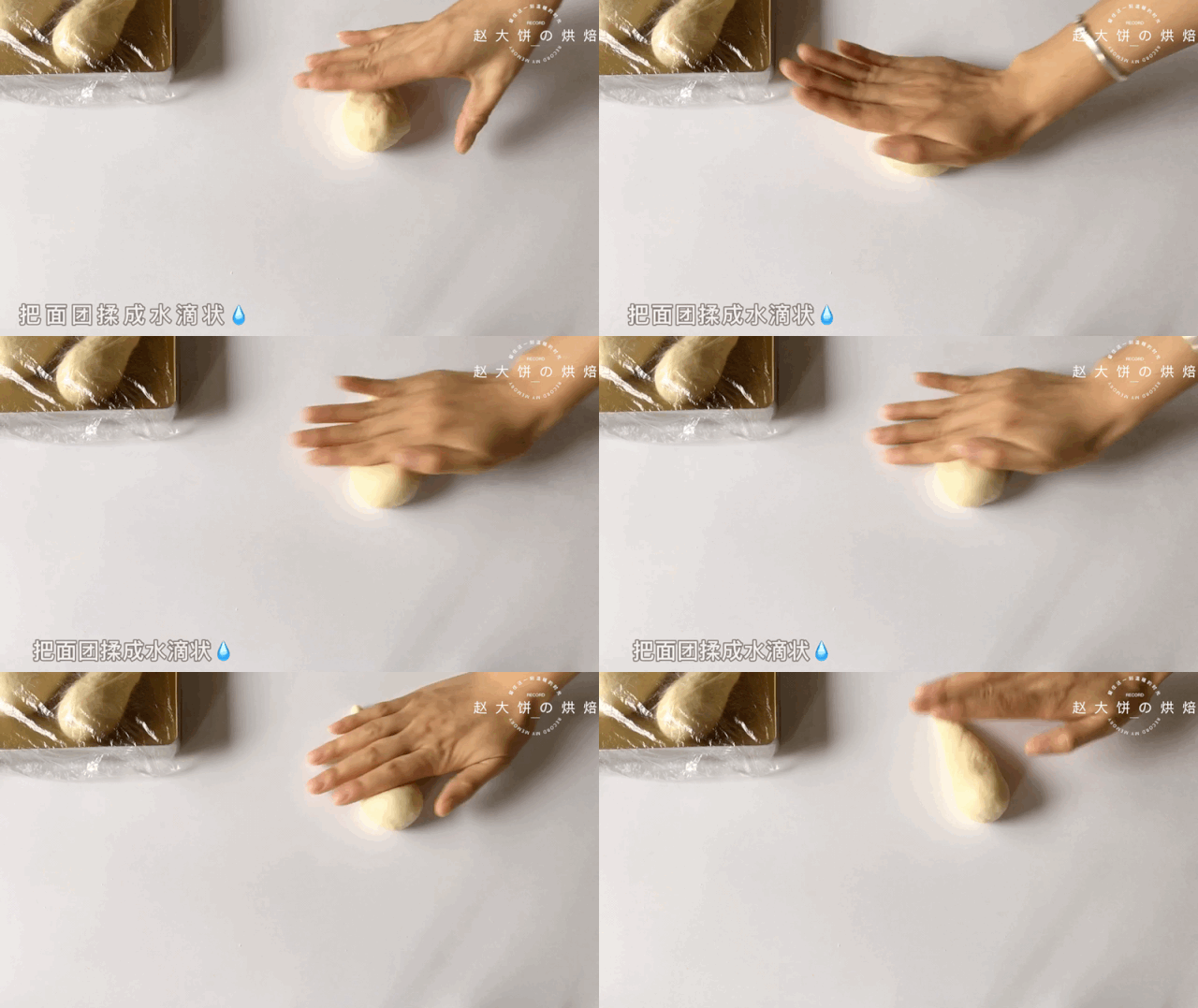
Knead into a ball, cover with plastic wrap, and let it rest for 10 minutes
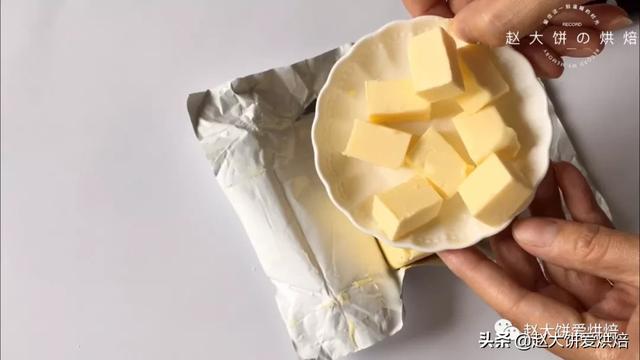
During the resting time, we cut the butter with salt into about 5g pieces
After resting, knead into a water drop shape
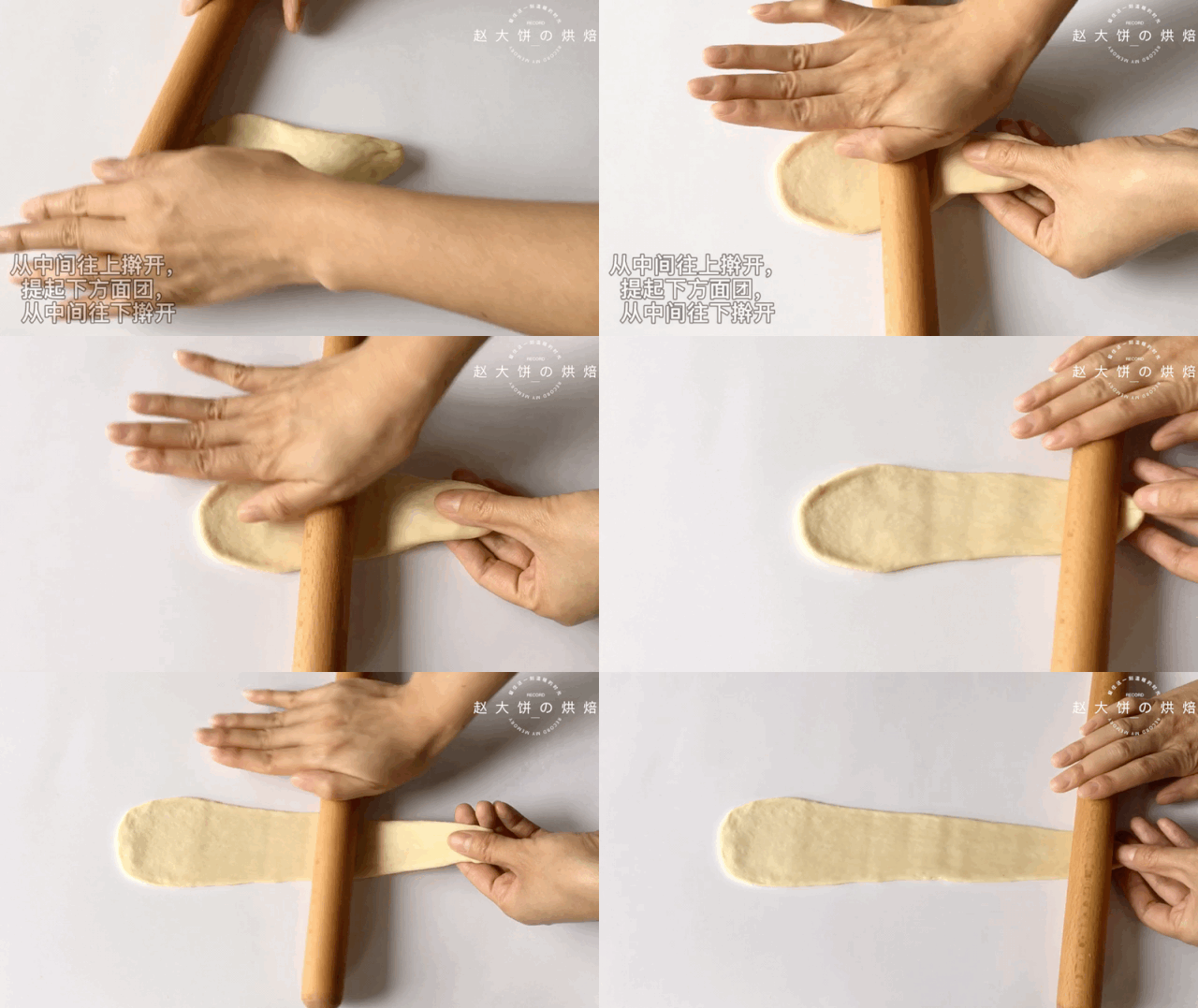
From the middle outwards, spread it open
Lift the bottom dough and spread the rolling pin from the middle down, while spreading it open, and while spreading it open, pull the bottom dough down
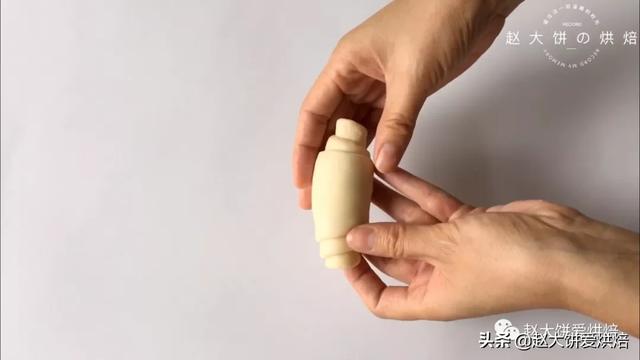
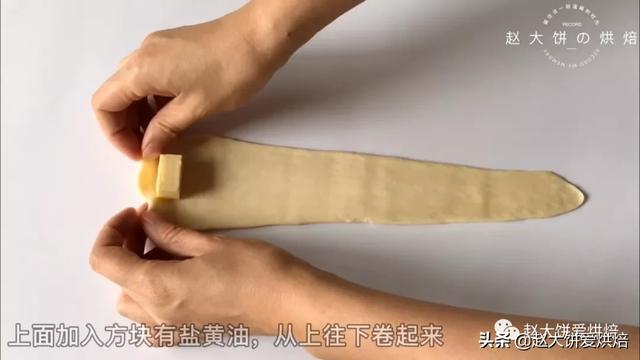
Press a small piece of butter with salt on top and roll it up from bottom to top
5Second proofing
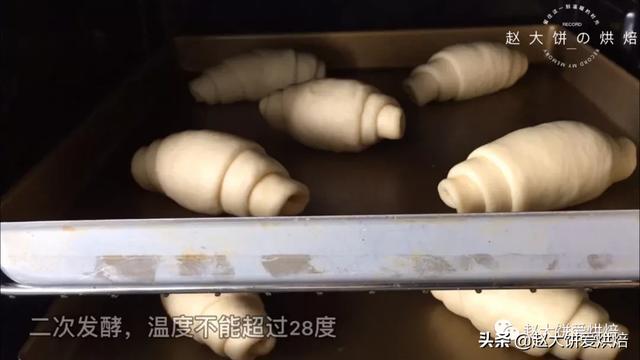
Conduct second proofing, proof until about two times its size
Because the inside is wrapped with butter, the proofing temperature cannot be too high
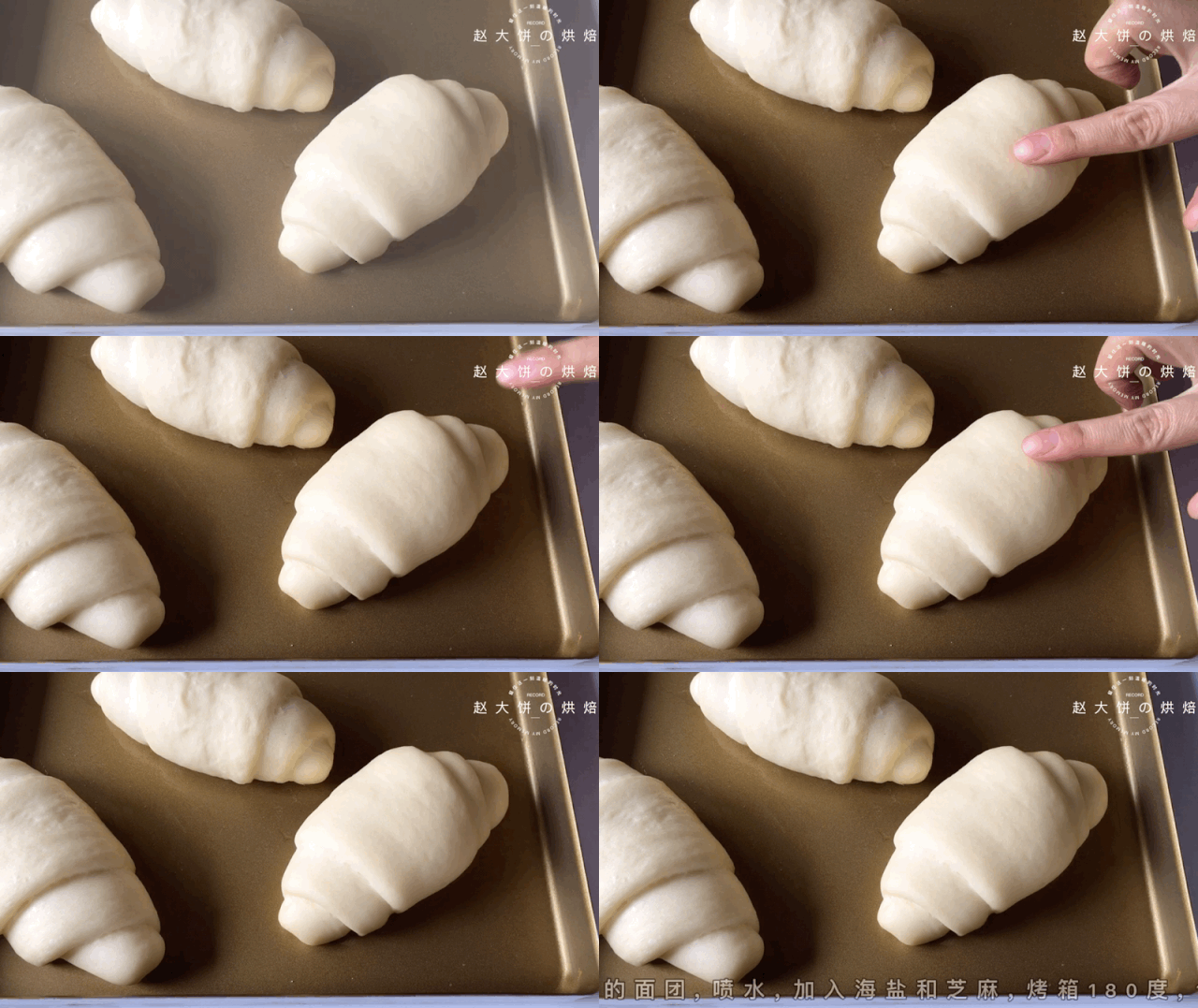
But if it leaks oil, it will not affect the taste (the baking pan is best to put in oil paper, for easy cleaning)
After proofing, the dough can be pressed down, and it will slowly rebound
6Baking
Preheat the oven to 180 degrees in advance
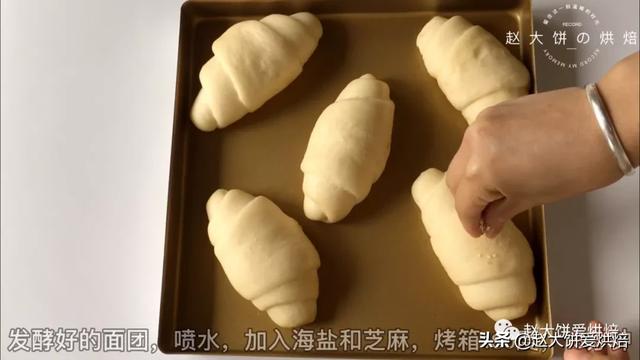
After proofing, sprinkle with sea salt and sesame seeds, if you don't have sea salt, you can use edible salt

Oven 180 degrees, about 15 minutes (adjust according to your home oven temperature)
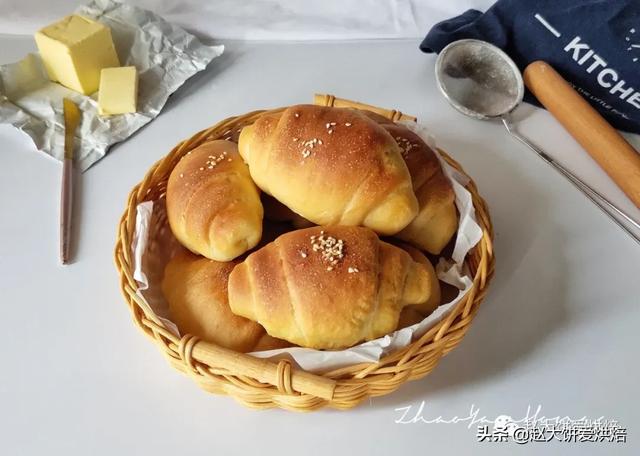
During baking, the butter with salt melts and penetrates the bottom, it's normal to have a hollow shapeLet's try making this salted bread!