When Making Steamed Buns, Remember Not to Just Add Yeast – Add a Few Drops to the Dough, and the Buns Will Be White, Soft, Fragrant, and Sweet
Everyone nowadays likes to steam buns at home for breakfast, which saves the trouble of going to the breakfast shop. A pound of flour costs four dollars, and four dollars can only buy four steamed buns. Using one pound of flour to make buns, a family can eat it for two or three days, so the Food Explorer chose to make and eat them himself. Steaming buns simply require flour, yeast, sugar and water. Northerners might like to add some alkali to the buns, while southerners prefer to add baking powder.
Usually when we knead the dough, even without adding eggs or sugar, the dough will turn yellowish when steamed, and the steamed buns won't be white and fluffy. But the buns sold in the store are always white and soft. This is the problem? It's impossible for the breakfast shop to add anything, right? Later, the Food Explorer repeatedly bought buns from the same breakfast shop and got to know the boss well, and she was willing to reveal the secret: they added white vinegar inside!
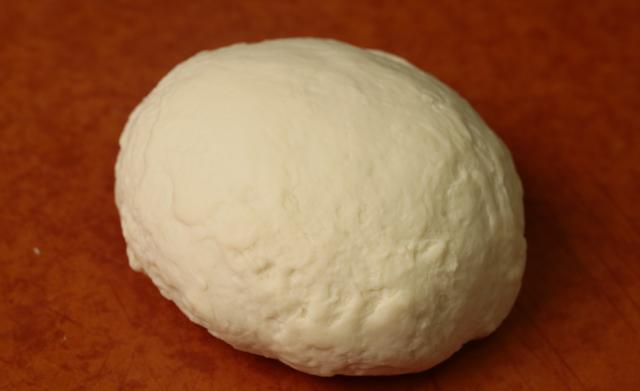
After repeated attempts at home, the Food Explorer found that adding a little white vinegar to the dough could indeed make the buns whiter, softer, and sweeter. It's strange, isn't it? The curious Food Explorer wanted to understand the mystery. Later, searching online, he discovered that this used the principle of acid-base neutralization. Flour contains a certain amount of alkalinity, and when fermenting, we add alkali or alkaline yeast powder, if the alkalinity in the dough is too high, it leads to the dough turning yellow.
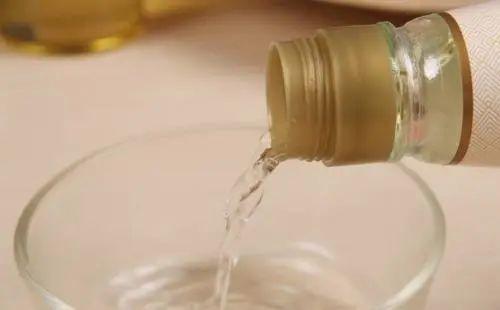
Adding white vinegar not only neutralizes the alkalinity of the dough but also has a whitening effect. Our spicy chicken wings with vinegar are white and clean because of the whitening effect of vinegar.
Now that we've talked about the little tricks for steaming buns, let the Food Explorer share his summarized steps for making buns.
One. Making Dough
Making dough requires the correct proportion. The liquid is half the weight of the flour, yeast is generally added at one percent of the weight of the flour. Taking 500g of flour as an example, you need to add 250g of water, 5g of yeast powder, and usually 5g of white vinegar. The amount of sugar is determined by everyone's preference. The Food Explorer usually adds 30-50g of sugar. This makes the dough relatively soft. After kneading the dough, it needs to be placed in a container and covered with plastic film for proofing.
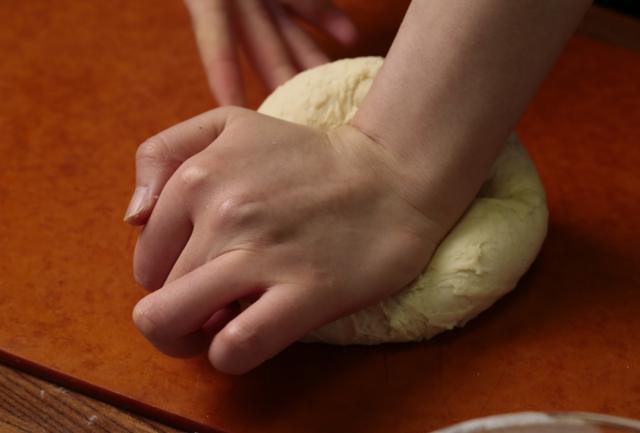
Two. Deflating
When the dough has proofed to twice the original size, you can take it out to deflate it. After the dough has proofed, it becomes softer, and a little dry powder can be kneaded into the dough, kneaded evenly, and added again, until the dough is no longer sticky and the smoothness is increased. Then you can shape it. You can pinch it into pieces of the same size, or you can add dry powder to knead it into balls, or you can make knife-cut buns by making long strips.
Three. Putting it in the Pot to Steam
When putting the buns in the pot to steam, you must pay attention to it, you must wait for the water to boil first, then put the buns in, otherwise it will be wasted. After the water boils, put it in, steam it over high heat for about 12 minutes, then turn off the heat and let it steam for 3-5 minutes before taking it out. Don't just turn off the heat and leave it unattended, or it will become a mess, hard and unpalatable.
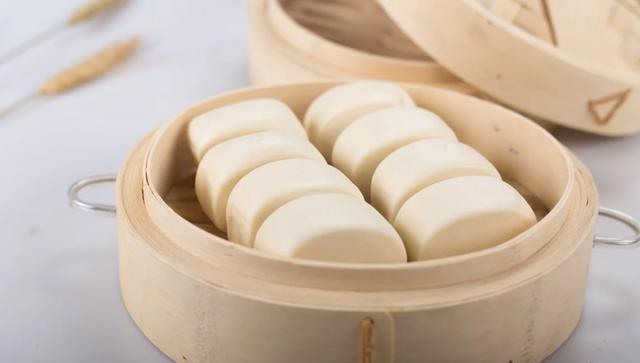
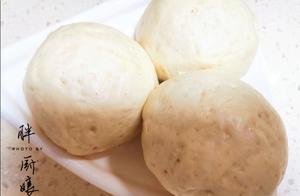
Using the Food Explorer's method, the buns are absolutely fragrant and soft, and each one is white and plump, and they taste good without any sourness, because the white vinegar has been evaporated during fermentation and steaming, which has no effect on the taste.