The Beautiful Blue Planet, Not Only a Home for Humans but Also a Habitat for Animals
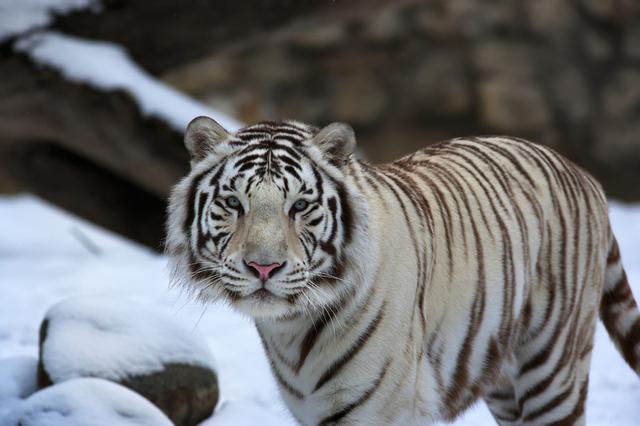
In the animal world, there are the same survival laws as exist. Fish eat small fish, and small fish eat shrimp, these are the food chains that we have all heard since childhood. Animals' adaptability to nature is also diverse, such as in the ocean, desert, swamp, and tree hollows, almost everywhere nature can cover, there are animal homes.
Some animals are huge in size, some animals are small in size; some animals are fierce and dangerous, some animals are weak and cute; some animals are good at running, some animals move slowly. These colorful animals, whether strong or weak, all exist with humans in this beautiful blue planet.
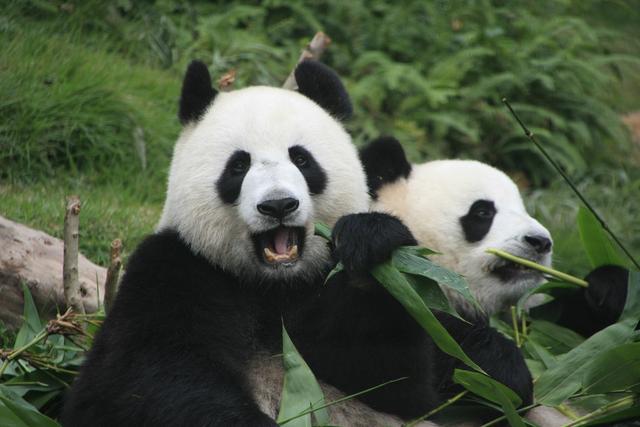
Animals have different appearances, with different sizes and shapes, but all animals are made of cells, and every type of animal has nerves and muscles, and they judge their behavior according to the surrounding environment. Like humans, all animals also get the most important energy through food. For example, the sun and rain nourish the plants on the ground, so that the plants are full of energy. When herbivorous animals eat plants, they also get the energy of plants, when herbivorous animals are eaten by carnivorous animals, carnivorous animals get energy, energy is transmitted and continued through the chain of eating and being eaten, forming the food chain in nature.
To adapt to nature, every type of animal has different body shapes and features according to nature, such as birds have feathers all over their bodies; the bodies of reptiles have hard shell plates; mammals are covered with fine fur, these different body surface shapes protect their internal organs while regulating their body temperature.
Animals are divided into two major categories: one is vertebrates, and the other is invertebrates.
1, Vertebrates
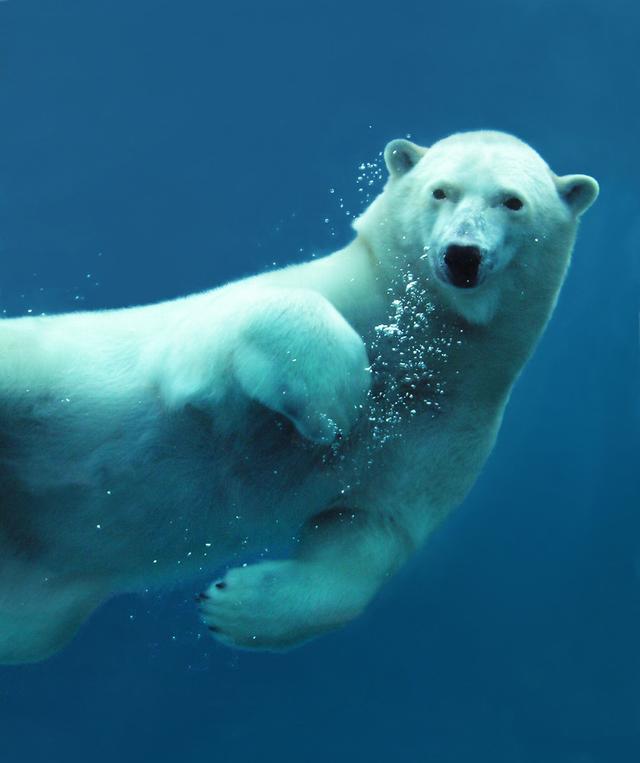
Birds, reptiles, amphibians, fish, and mammals all belong to vertebrates. Vertebrates account for about 5% of the total animal population, although they are considered a higher class of animals. 'Higher' actually refers to mammals, with more developed brains, such as elephants and monkeys. Fish, amphibians, and birds are still classified as lower classes.
2, Invertebrates
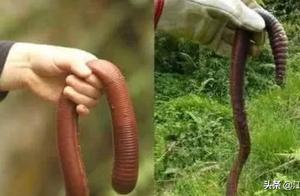
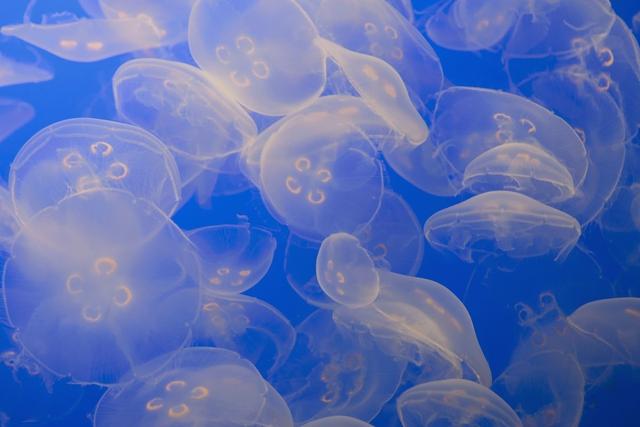
Insects, worms, arachnids, crustaceans, cnidarians, and sponges all belong to invertebrates. Invertebrates account for 95% of the animal kingdom, almost covering all corners of the earth, but most invertebrates live in the sea, small ones drift around in the sea, and large ones live on the ground, such as butterflies, flies, dragonflies, mosquitoes, earthworms, snails, spiders, scorpions, etc.; In the sea, common invertebrates include octopuses, shellfish, starfish, sea urchins, crabs, corals, jellyfish, etc.
In addition to finding food, animals also clean themselves, and this cleaning is very simple, and as a reproductive behavior, attracting mates is important. Animals have diverse ways of courting, such as frogs use their gills to make calls to attract the attention of males; male deer obtain the ownership of females by confronting each other with their antlers; male peacocks spread their colorful tail feathers to gain the favor of female peacocks.
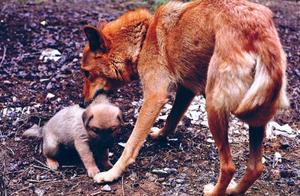
Animal babies, some animal babies receive careful care from their parents, such as baby orangutans, baby kangaroos, and baby birds, etc.; but some animal babies start eating from birth, and may never see their parents, such as the well-known tadpoles and some fish and reptiles. The happiest is the baby dolphin, dolphins are definitely a communal family and will always live together.
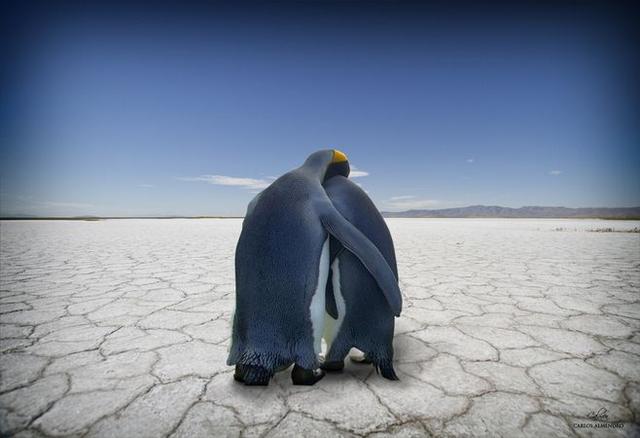
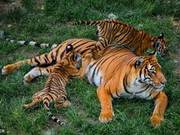
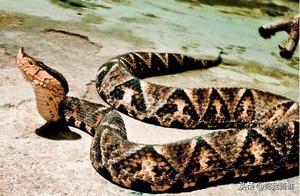
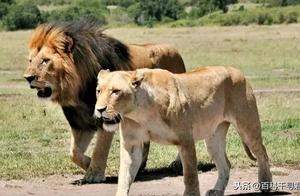
Snakes and water birds like to inhabit wetland areas with aquatic plants; bears, squirrels, wolves, etc. like to live in temperate forests dominated by deciduous leaves; zebras, deer, etc. graze in the grasslands, and because of the existence of these herbivorous animals, large predatory cats also live in the grasslands; sea birds have ideal habitats in the sea; rattlesnakes like hot deserts; polar bears, penguins, and seals live in the polar regions.
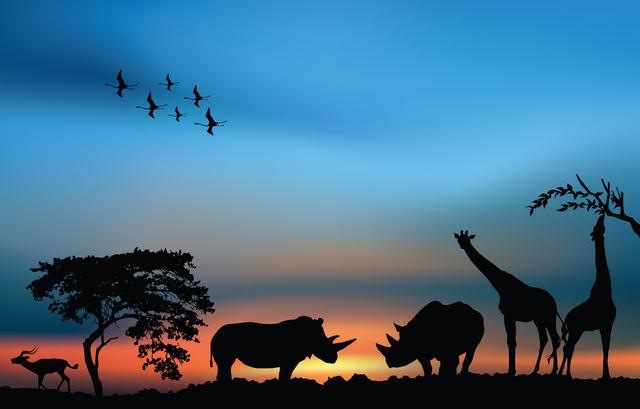
The earth has abundant resources and different climates, from extreme heat to extreme cold, from oceans to land, the natural ecology is diverse. Due to human survival and development or excessive hunting, the ecological environment that animals rely on for survival has been gradually damaged, and every year many animals die, their habitats are destroyed, and animals can't find suitable living places, which is not only threatened but also food is not guaranteed. Every animal species has a suitable habitat, and if this habitat disappears, survival will become extremely difficult.