ObservationNational First-Class Protected Bird ‘White Crane’ Visits Rose Lake

“National First-Class Protected Bird” White Crane Visits Rose Lake
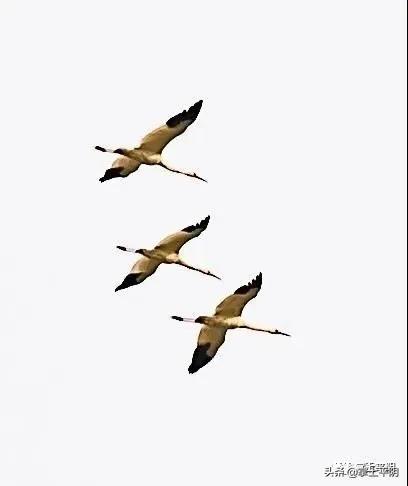
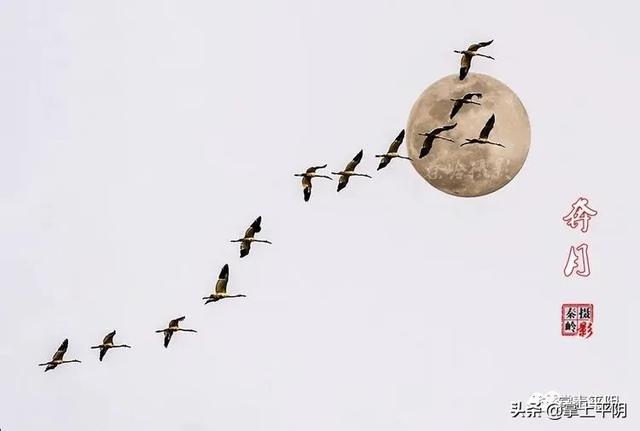
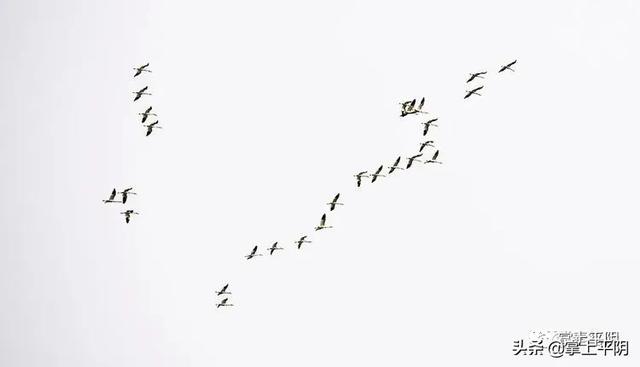
On April 5, 2020, Qin Duling, a teacher from Qinduling, while photographing vibrant tulips in the Shandong Yellow River Rose Lake National Wetland Park, suddenly raised his eyes to the sky and saw a flock of birds flying above the lake. Without hesitation, he picked up his camera and snapped several shots. After identification, Mr. Qin photographed the ‘White Crane’, a national first-class protected bird.
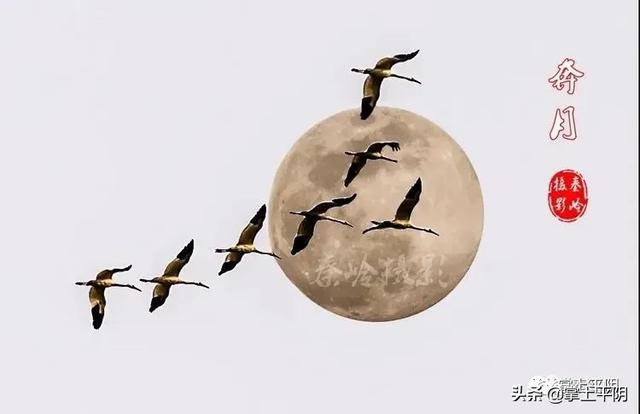
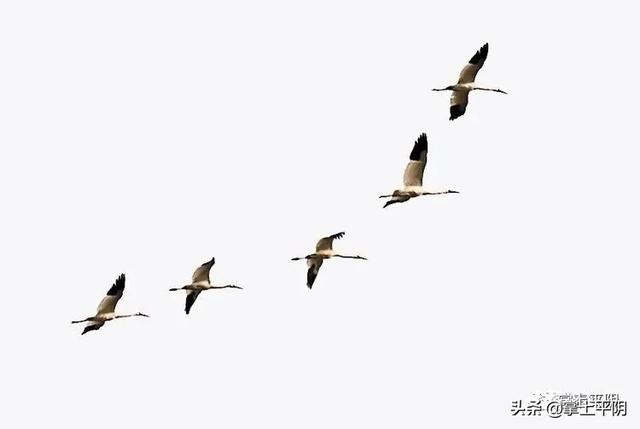
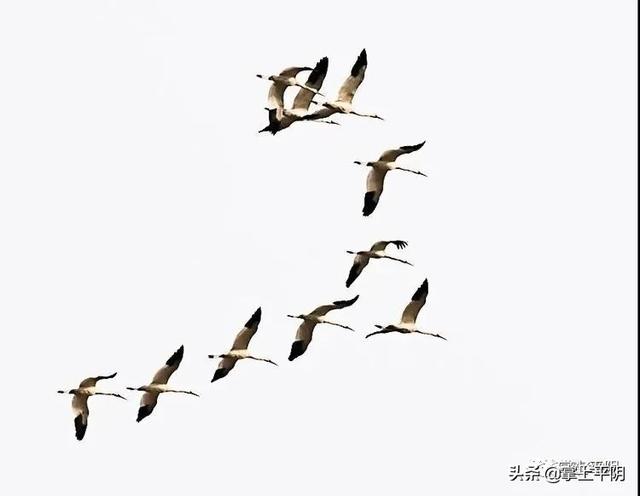
White Cranes are large wading birds, slightly smaller than Demihamori Cranes, with a body length of 130-140 cm. When standing, they are entirely white, with bright red on the chest and forehead, and dark red on the beak and feet. When flying, their wingtips are black, and the rest of their feathers are white. They inhabit open plains, marshy grasslands, mossy wetlands, and the edges of large lakes and shallow marshes. They often activity alone, in pairs, and in family groups. During the migratory season and winter, they often gather in flocks of dozens or even hundreds, especially during migratory stops and overwintering grounds, often gathering in large flocks. They mainly feed on the stems and blocks of plants such as bitter grass, eye-grass, moss grass, and, as well as aquatic plants’ leaves, tender buds, and a small amount of clams, snails, soft-bodied animals, insects, and shellfish.
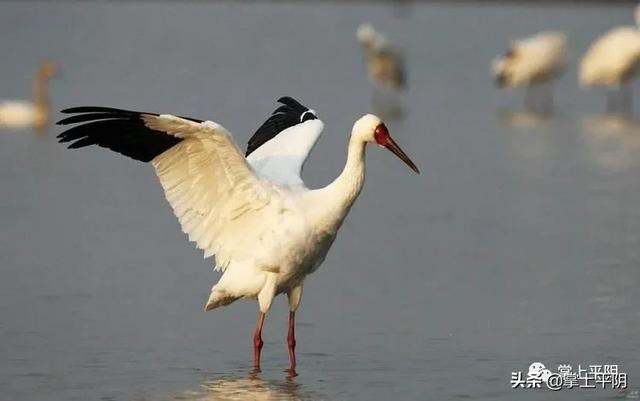
White Cranes, also known as ‘First-Class Birds’ by ancients, were once praised by Bai Juyi: ‘White cranes appear wherever the cage is opened, ancient people appear when books are unfolded.’ ‘I am a crane from the sea, occasionally meeting Jiangnan guests.’ ‘Cranes have those who do not gather, flying in the wild fields.’ This made later generations admire cranes. Cranes, with female and male companions, walk regularly, have sincere feelings but not excessive, possessing high moral character. Therefore, ancients often used ‘pannanran’ to compare white cranes, wise and virtuous scholars, and described people who cultivated their bodies and practiced good conduct as ‘cranes singing scholars’.
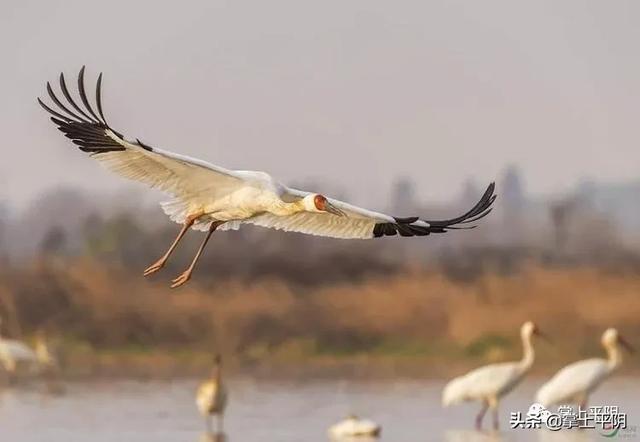
The flying white cranes disappeared in a flash, and it was a regret that it was not confirmed whether the white cranes during migration stayed and rested in the Rose Lake wetland. Soaring for ten thousand miles, coming and going for thousands of years. The spectacular and moving migration of migratory birds has continued since ancient times, because it is a praise of life. Compared to the white cranes in the sky, humans can only look up. According to the survey, the number of white cranes worldwide is less than 4000, 98% of the white cranes winter in Poyang Lake, and there are 46 lakes in the Poyang Lake area recorded for white crane distribution during winter. In the spring, white cranes migrate north, and they stop and rest on the rich food coasts of the Yellow and Bohai Seas and in Northeast wetlands before flying to the remote Siberian breeding grounds.


The good ecological environment of the Shandong Yellow River Rose Lake National Wetland Park attracts many wild birds to reside, nest, and breed, becoming an important passage for many birds’ migration, and is known as ‘Migratory Bird Station’. Currently, the wetland has discovered nearly 70 wild bird species, including 9 national second-class protected bird species, and the discovery of the national first-class protected bird ‘White Crane’ in Rose Lake is a milestone discovery of wild bird species in Rose Lake.