The Parent's Guide to Raising Young – How Determined Are Animal Parents to Raise Their Offspring?
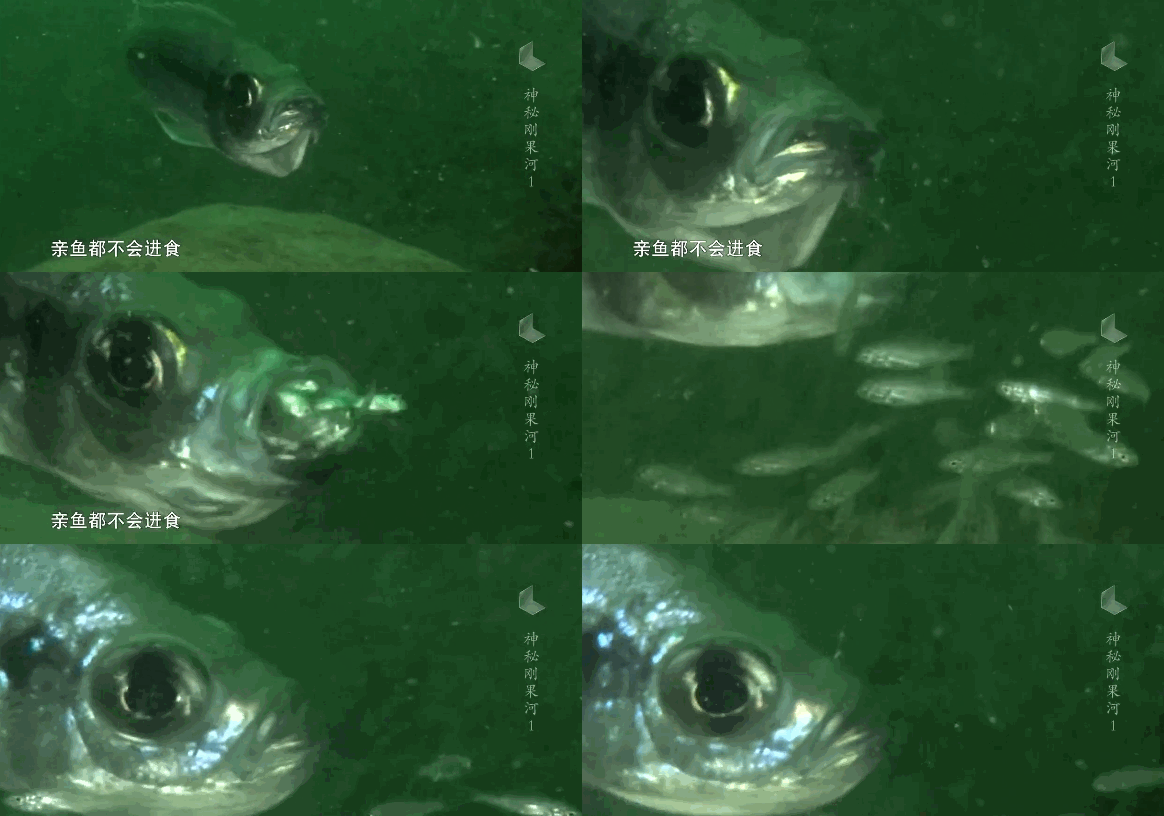
A large freshwater fish is leisurely swimming in the Lake Tanganyika, carefully observing its surroundings and confirming its safety before spitting out a group of small fish from its mouth.
Children, go!
This fish is calledMouthy FishThey ensure the safety of their offspring by simply using their mouths as nurseries, with the young fish developing inside their mouths. As a result, the fish babies often have their mouths closed, pretending not to be hungry at all.
So hungry, but a mother can endure~
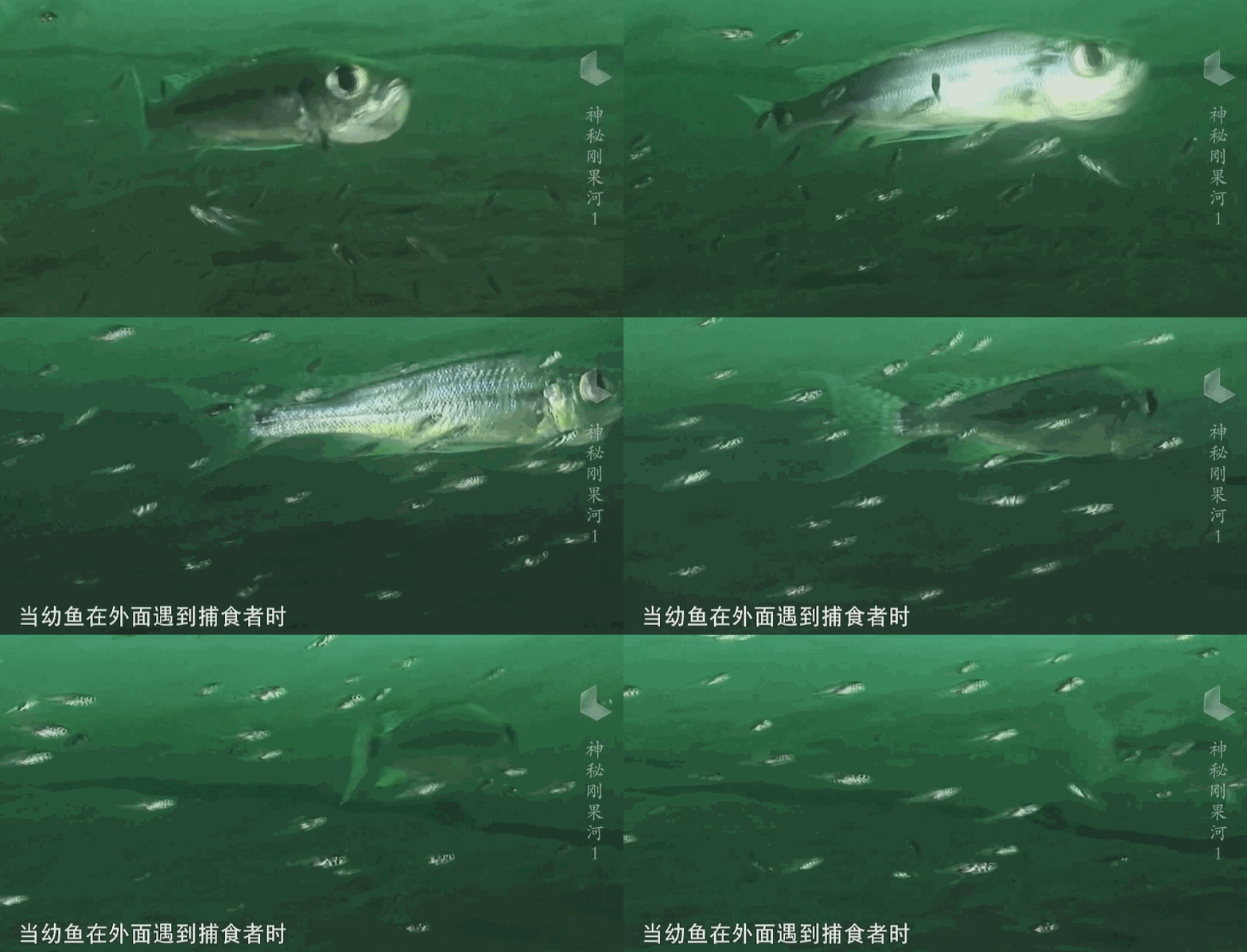
Only when the environment is safe and the young fish are released, the mother fish can seize the opportunity to eat something. Once a danger is sensed, the mother fish opens its mouth, and the young fish quickly return to its mouth.
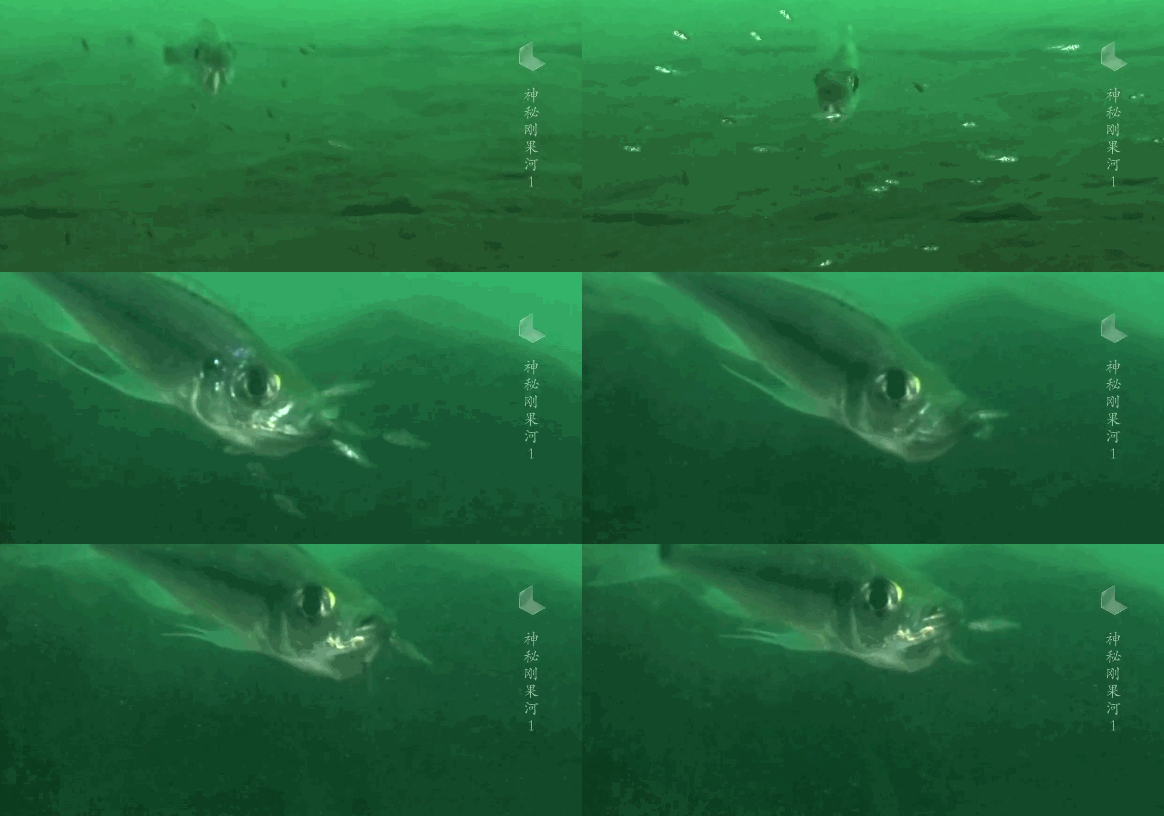
Many offspring, one second retract
As the young fish grow, the space in the mother fish's mouth is limited, so it's not always possible to bring back all the young fish. For the slow young fish, the mother fish can only watch it fend for itself in the cruel world.
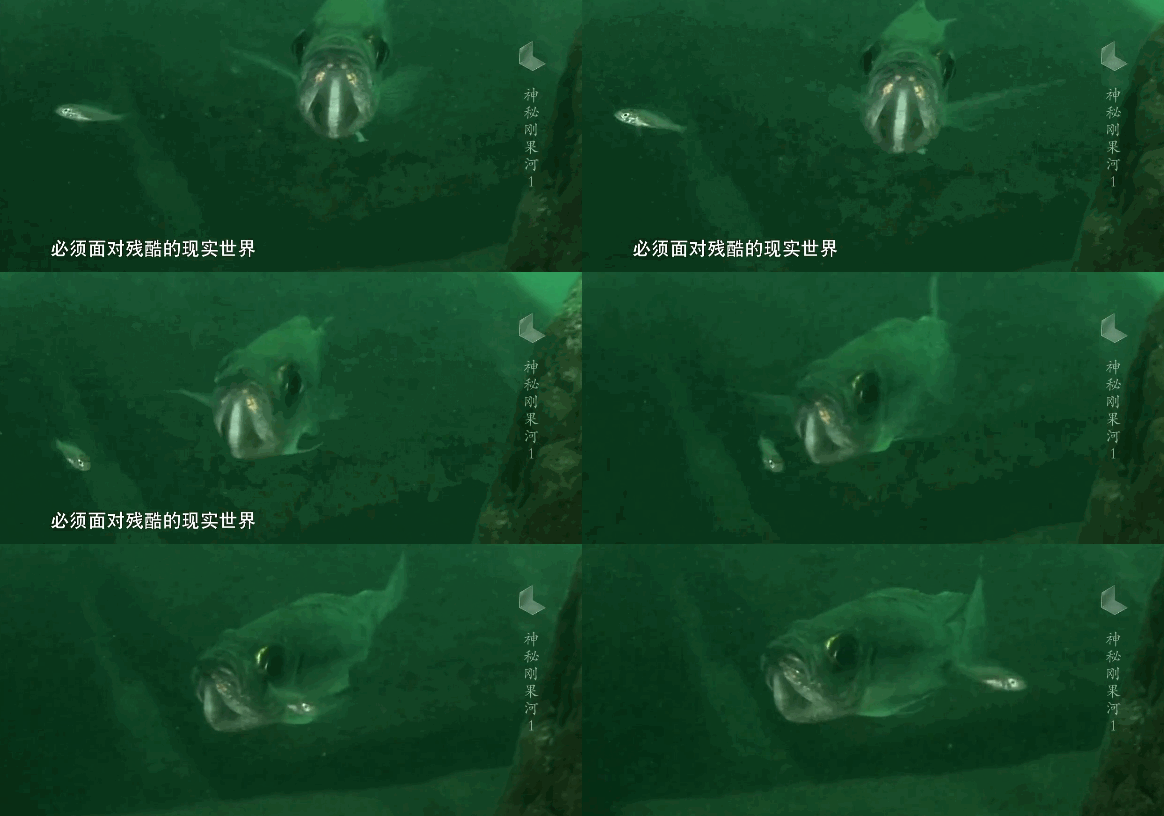
Mom, I'm not adopted, am I?!
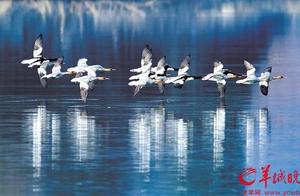
In the Arctic tundra, a mother duck is swimming with her ducklings in a small pond. Suddenly, a hungry Arctic wolf discovers their whereabouts.
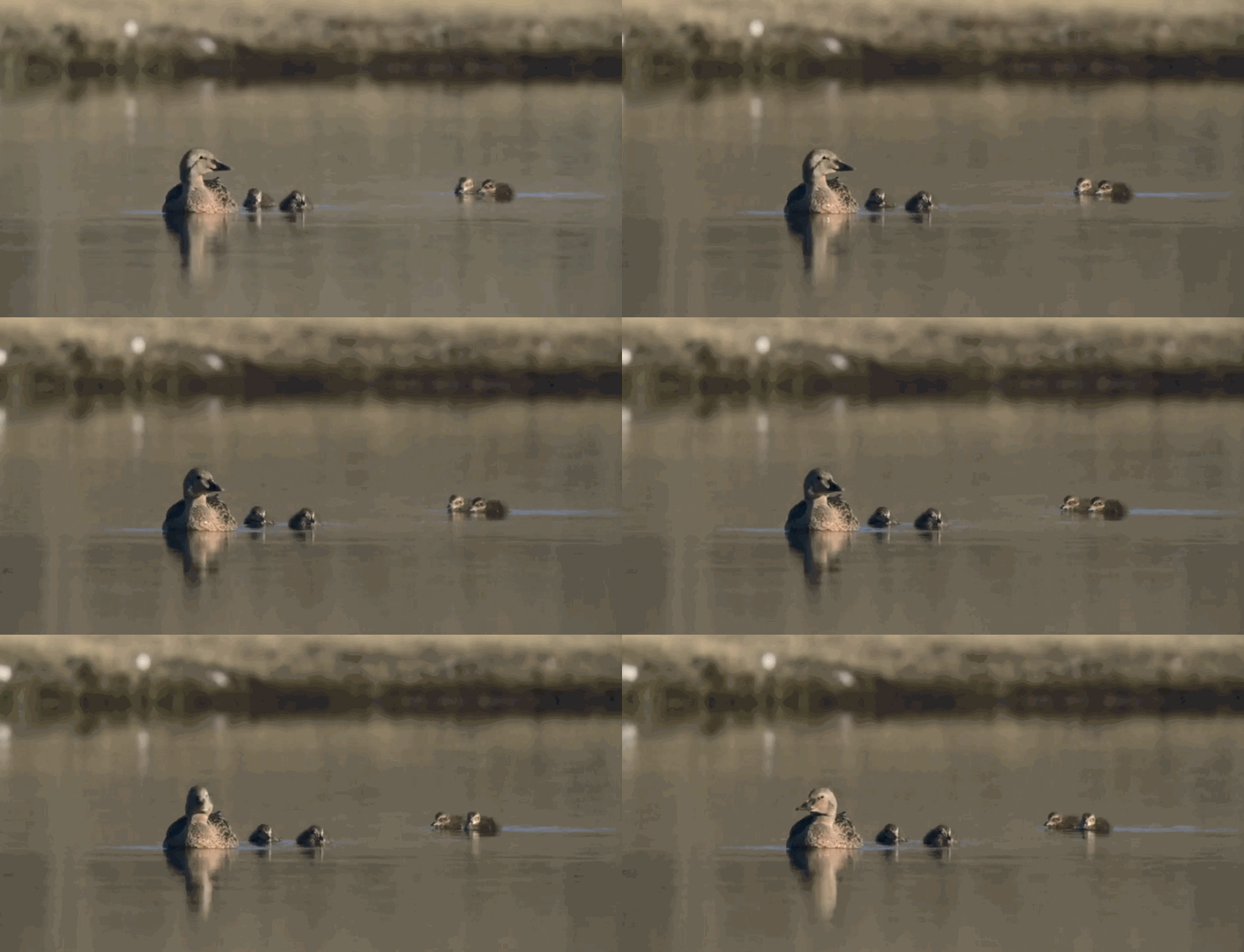
Oops, there's danger!
At a critical moment, the mother duck takes the risk of posing injury to its wings and flails its body to attract the attention of the Arctic wolf.
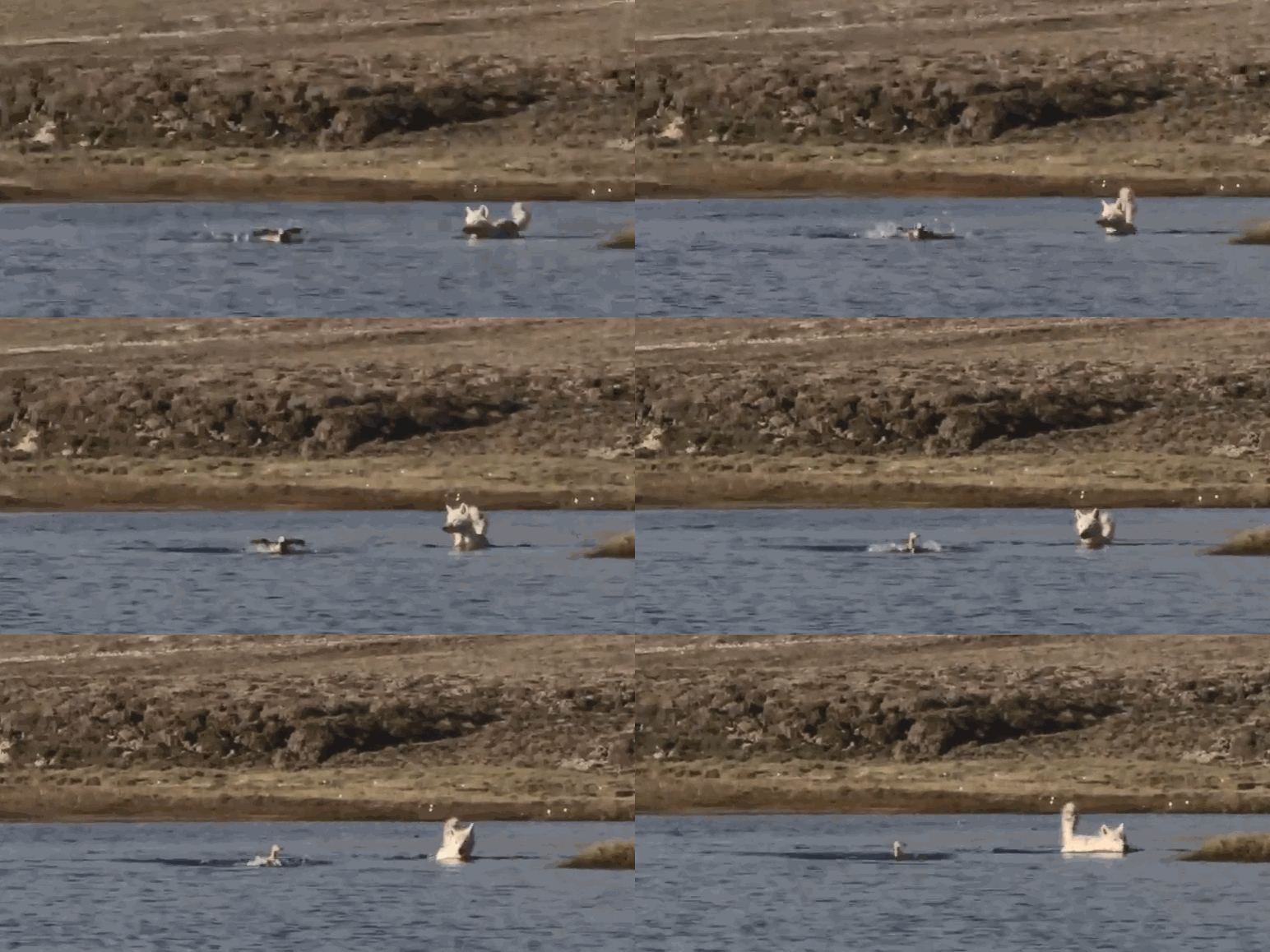
I'm here! Come and catch me duck
The ducklings then quickly dive into the water and hide beneath the surface. When the Arctic wolf discovers it's a fake and turns to look for the ducklings, the surface is already empty.
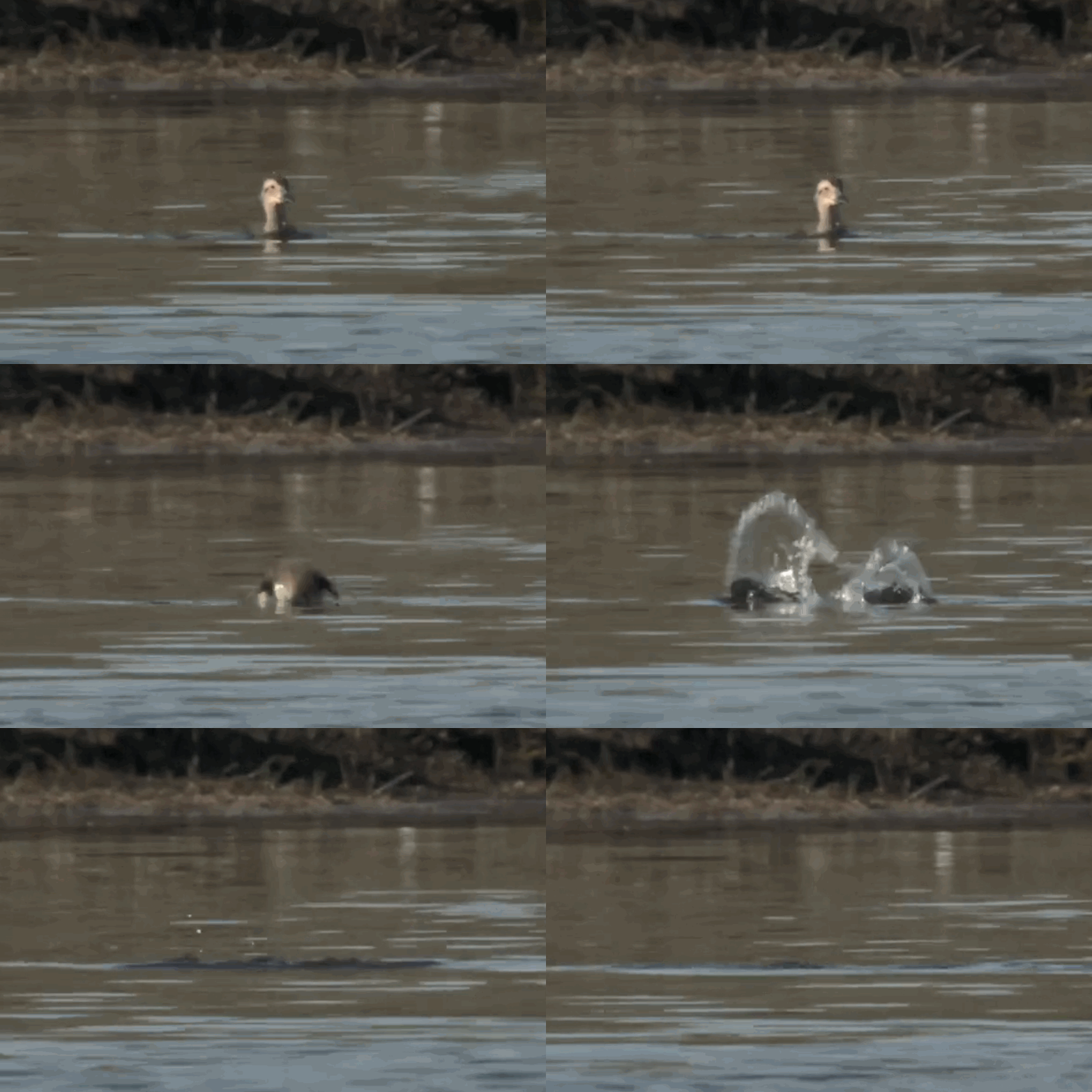
Mom, so lucky
The wolf might know that ducklings will eventually float to the surface, so it keeps a close watch on the front and prepares to strike. At this time, the mother duck comes to disturb, further diverting the attention of the Arctic wolf.
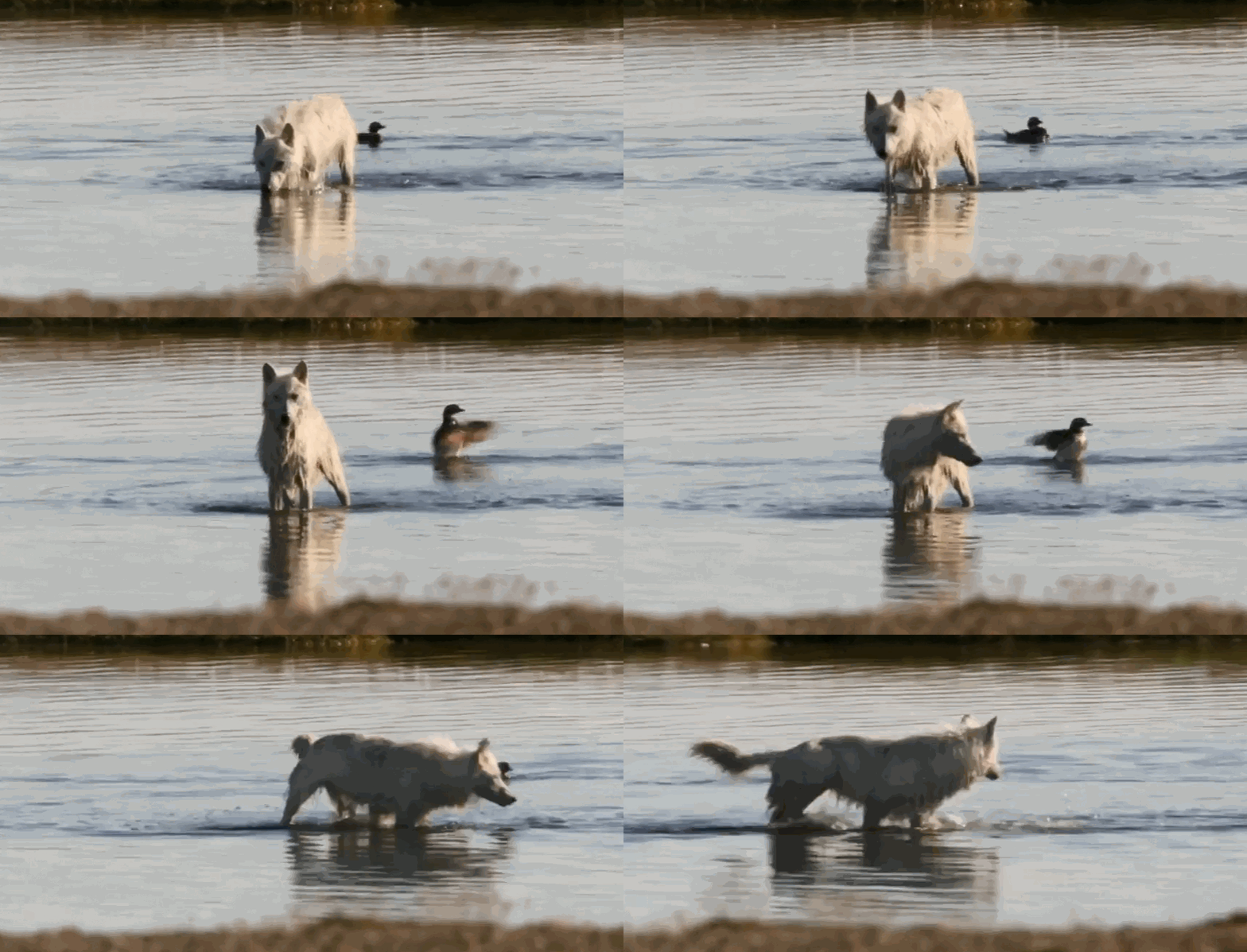
Hey, where's the duck??
The ducklings have no time to play, so they quickly dive into the water and take a deep breath, and then quickly dive back in. In this way, the mother duck and the ducklings use deception and tactics, successfully fooling the cunning Arctic wolf.
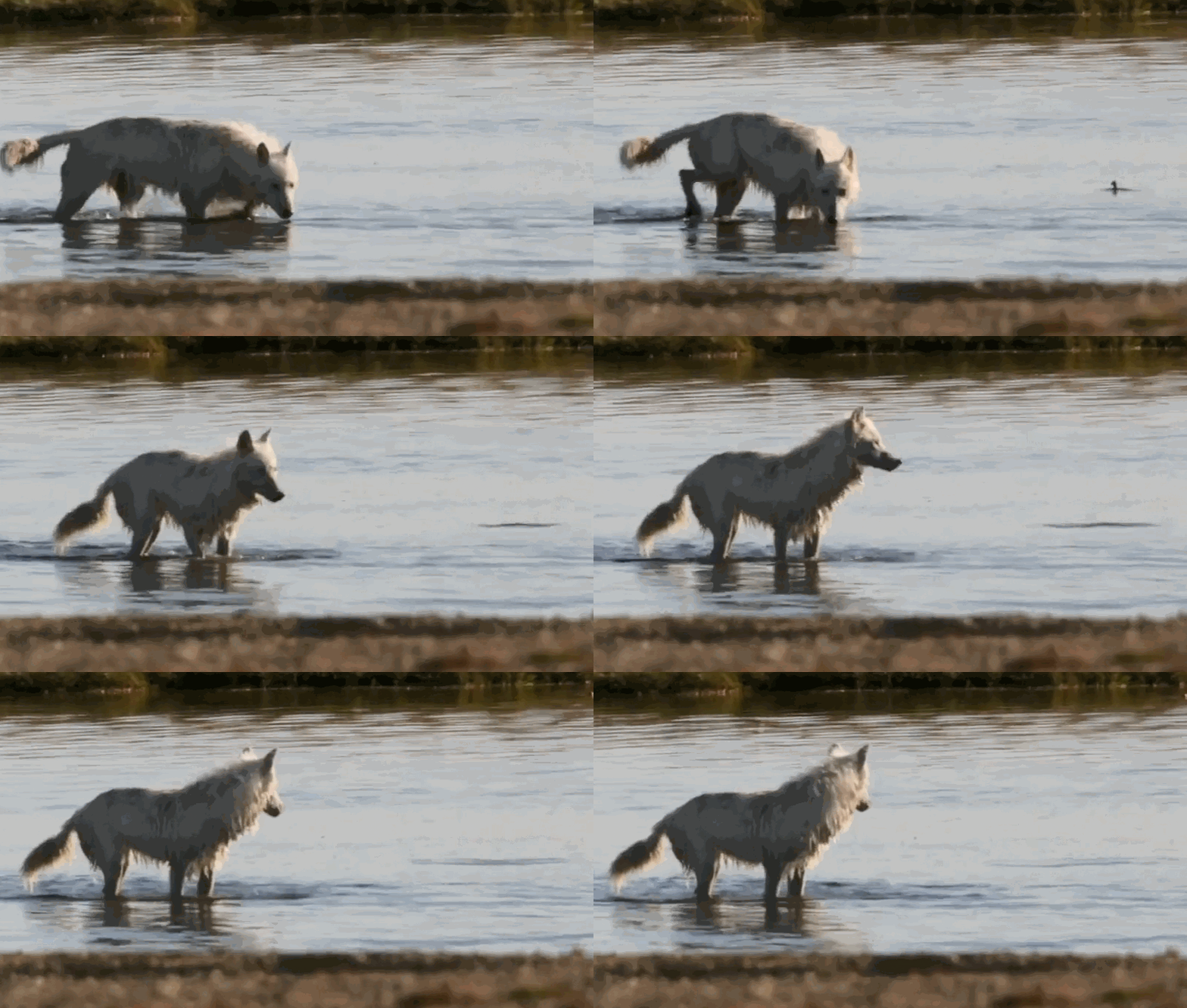
You guys are finished playing!
On the Antarctic continent, in winter, when there are no predators, the extreme cold climate is the biggest enemy for animals. As winter approaches, male emperor penguins gather together to incubate eggs.

Brothers, get closer, it's cold!
Two months later, one by one, the little emperor penguins hatched. The newborns have no feathers and fat protection, and they are very easy to freeze on the cold ice surface. The emperor penguin dad uses his palm and belly as a nursery to protect the little penguins.
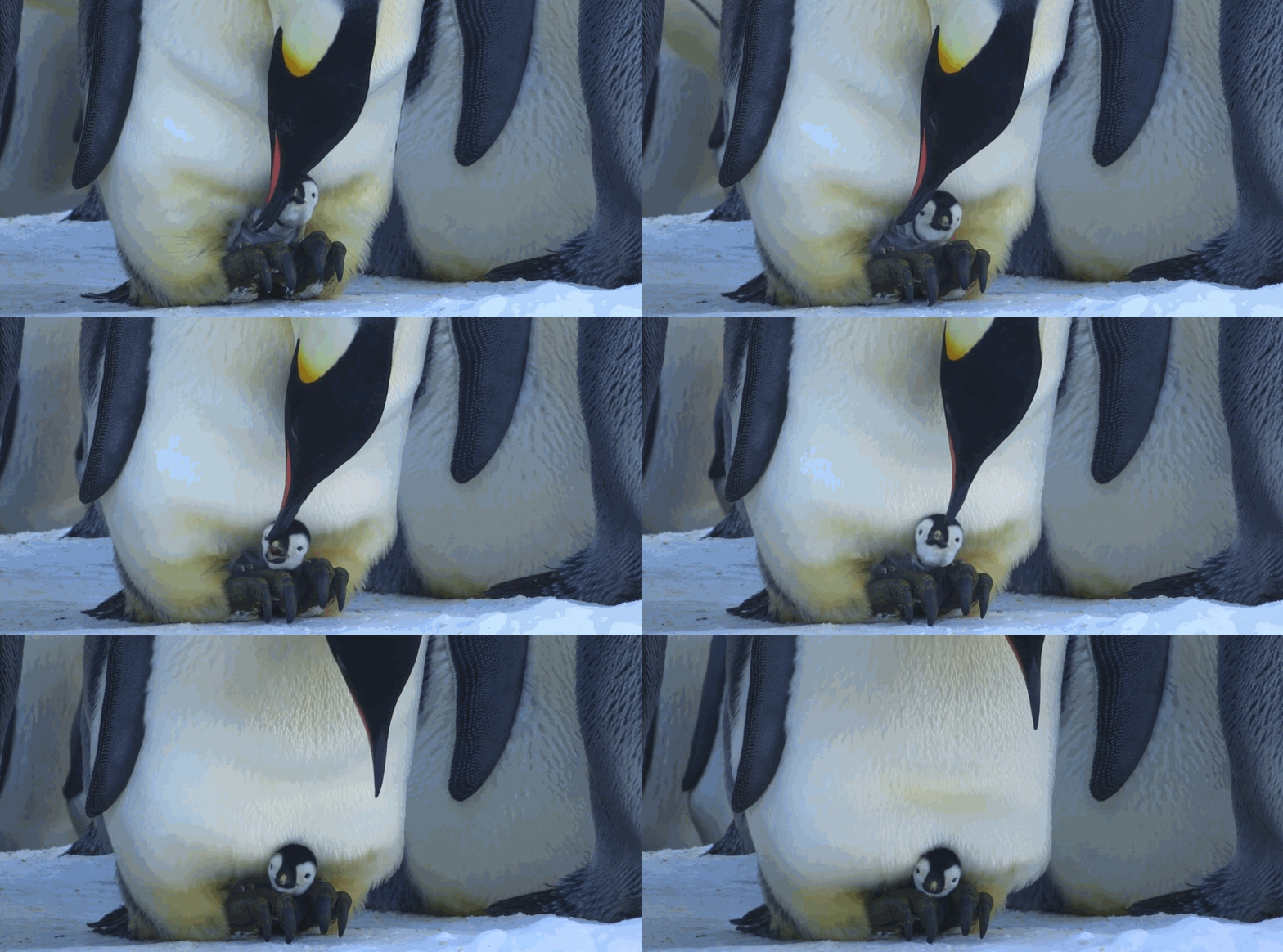
Lie down, don't move
Soon afterwards, the penguin mothers who brought back a full belly of fish arrived, and the father and mother exchanged food carefully, and the hungry father went to the distant place to hunt.
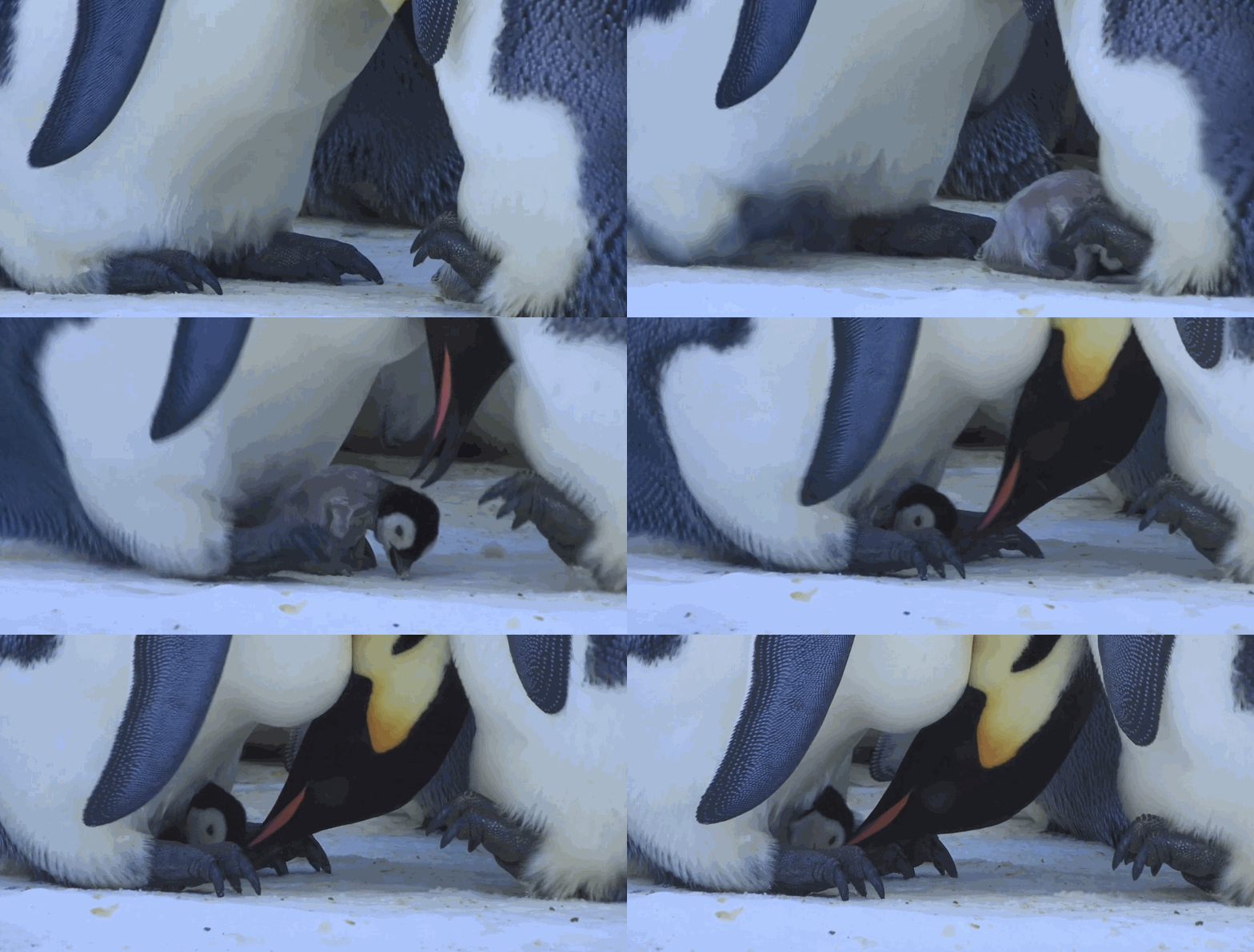
Quick, kids are here
On the Antarctic polar night, the temperature can drop to -60℃ and the wind speed can reach 110 kilometers per hour. In this extremely harsh environment, the emperor penguins who are left to take care of their babies will tightly circle around the little penguins, and the penguin in the center will successively move to the outermost position to give everyone a chance to warm up.

Be a goose, let's turn the magic circle~
With the joint efforts of the parents and the mutual assistance of the entire emperor penguin group, the cute little emperor penguins finally survived the coldest winter on Earth.
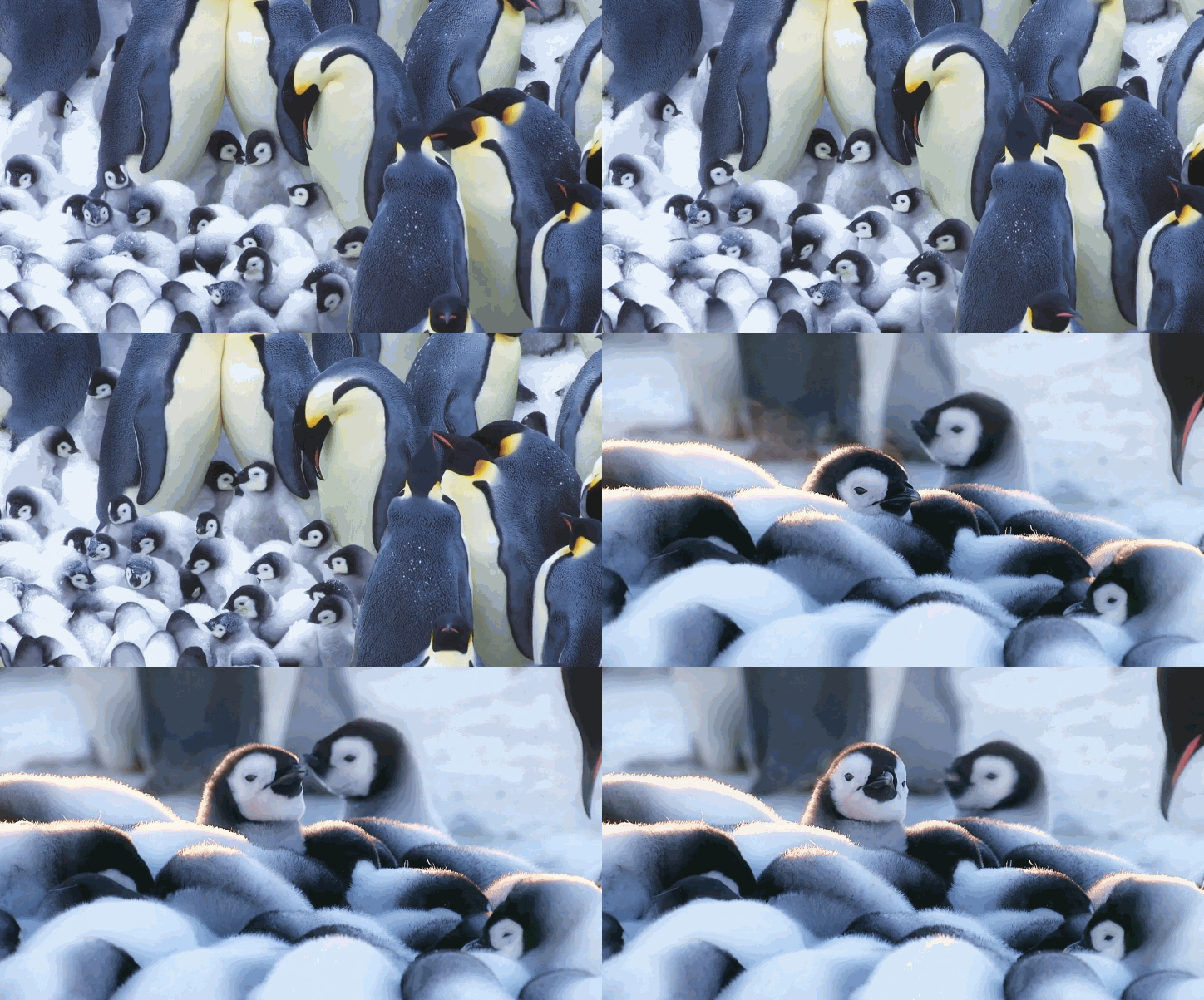
Hard work has not been in vain, look, how cute!
These lovely little creatures thus write a song of life one after another on the Antarctic continent.
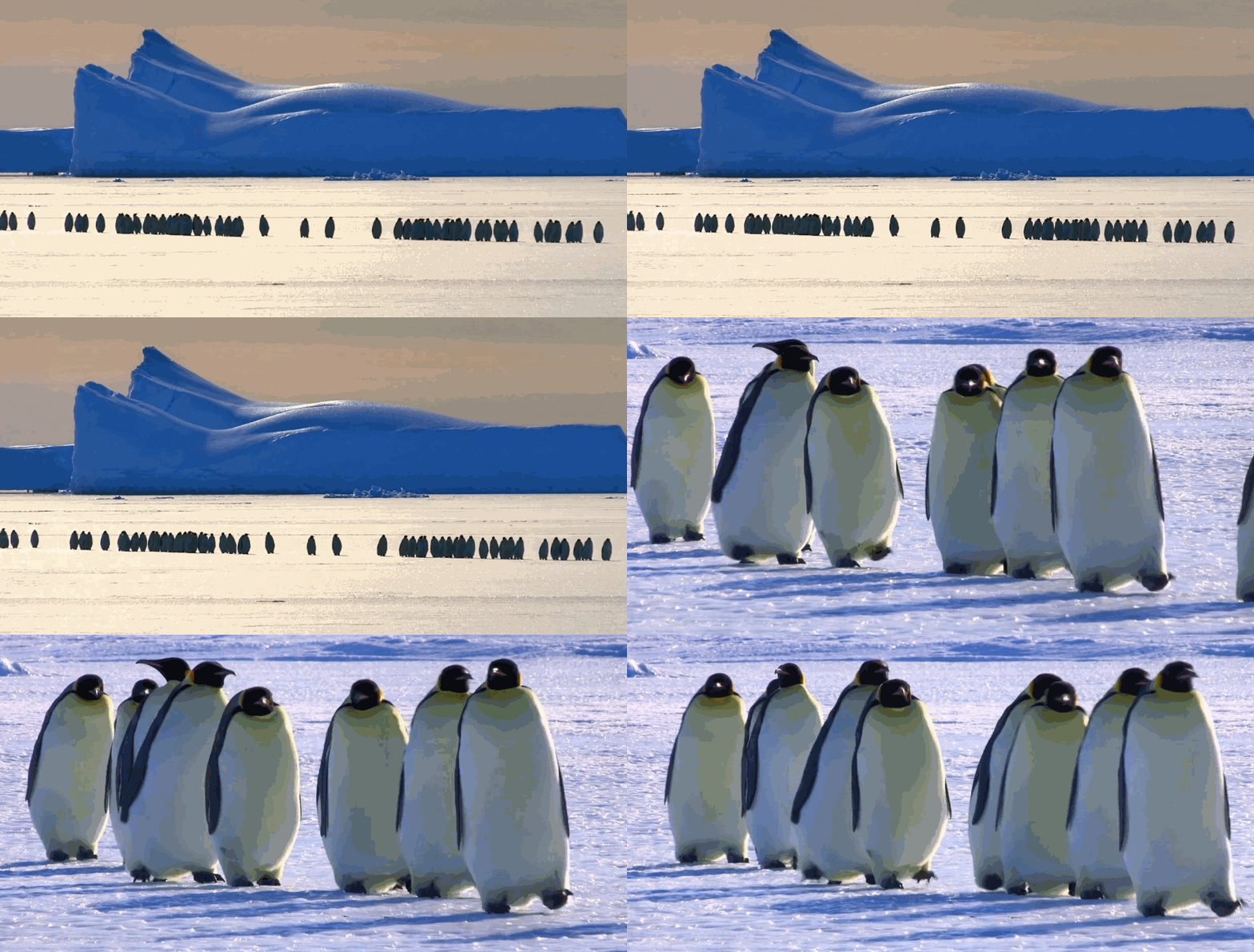
A straight-arm swing
Although the natural environment is full of challenges, just like humans, innate love is the strongest motivation for animals in critical moments.
May humans be like parents protecting their children, protecting our Earth, and let these beautiful creatures always be on our side.
(END)
Follow Earth Travelers, good articles don't miss~
Click the link below 'Learn More'↓