A Prehistoric Bird Discovered Frozen in Siberia for 40,000 Years
NEXTMIND
Recently, scientists discovered a prehistoric bird in Siberia's permafrost, dating back tens of thousands of years.
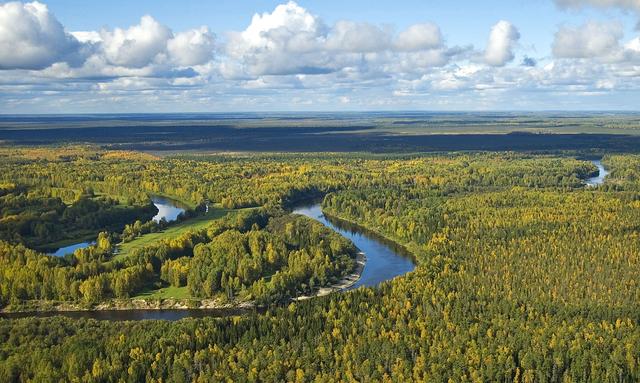
According to CNN reports, the frozen bird was found in Belaya Gora, Republic of Sakha (Yakutia), Russia.
The Republic of Sakha (Yakutia) is Russia's largest administrative division, located in the Russian Far East Northeast, north of the Arctic Ocean, with an area of 3.1 million square kilometers.
Scientists used radiocarbon dating to determine that the bird lived approximately 44,000 to 49,000 years ago, during the Earth's Ice Age.
The picture shows the remains of the prehistoric bird, which are remarkably well-preserved.
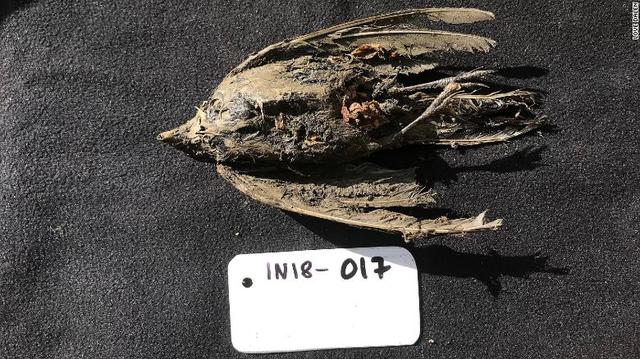
The bird's preservation is thanks to the Siberian permafrost—sub-zero temperatures inhibit the growth of most bacteria and fungi, but don't destroy the internal tissues.
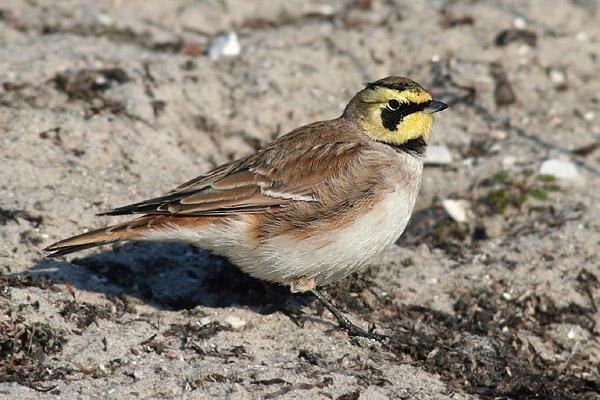
Scientists extracted DNA from it, revealing it to be a species called 'bushfinch', belonging to the order Passeriformes.
Nicolas Dussex, a researcher at the University of Stockholm's Department of Animal Biology, said that the bushfinch is a common ancestor of today's two finch subspecies, one living in Siberia and the other in the Mongolian Steppe. This helps us understand how the diversity of subspecies evolved.
Indeed, this is not the first time humans have discovered prehistoric organisms in permafrost.
In 2019, scientists discovered the remains of a dog in the permafrost near the Indigirka River in Siberia, which was 18,000 years old but remarkably well-preserved.