What is Liu Gou? It's about having a camp and a town.
Amidst the roads leading from Ganzhou, Shaanxi, to the Yellow Earth Plateau via the Ma Xieling Ancient Road, there is a strategic route – Ma Xieling Ancient Road, built during the Hongzhi period of the Ming Dynasty (1472), it was originally a military channel facilitating the swift transport of troops, supplies, and salaries. It served as a vital post road for the imperial court to address border disputes.
Today, many ruins are scattered throughout the mountains, concealed by weeds and gradually disappearing. Liu Gou Fort is one of these fortified towns. It is known as 'Liu Gou Camp'.
In autumn, walking along the Ma Xieling Ancient Road, you are captivated by the myriad colorful fallen apricots, and you inadvertently overlooked the fact that you were passing through a fortified town called Liu Gou.
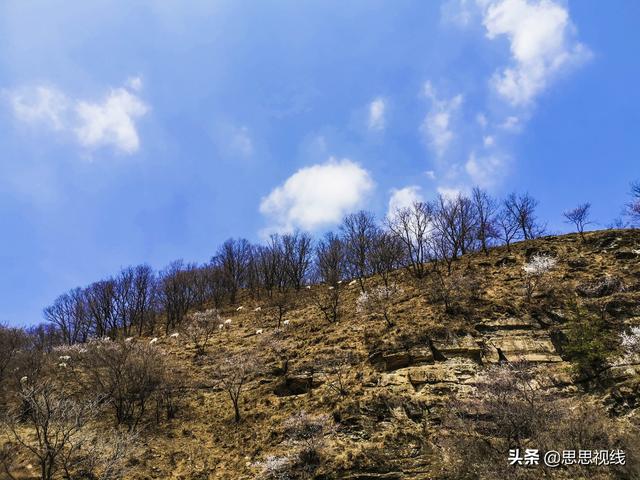
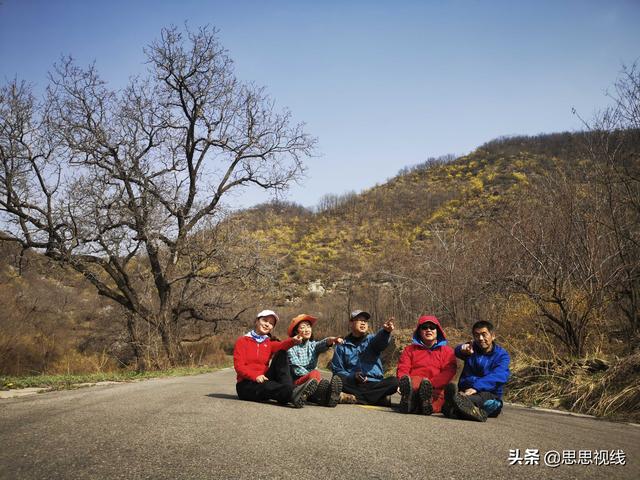
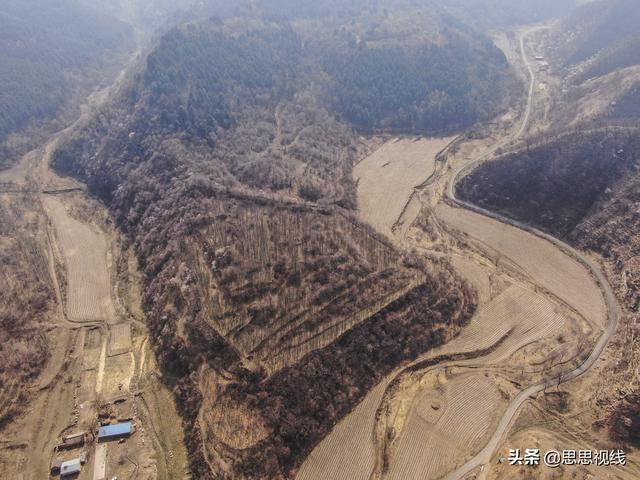
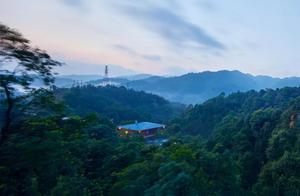
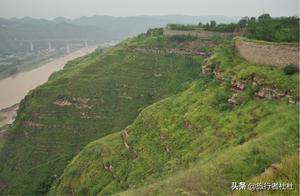
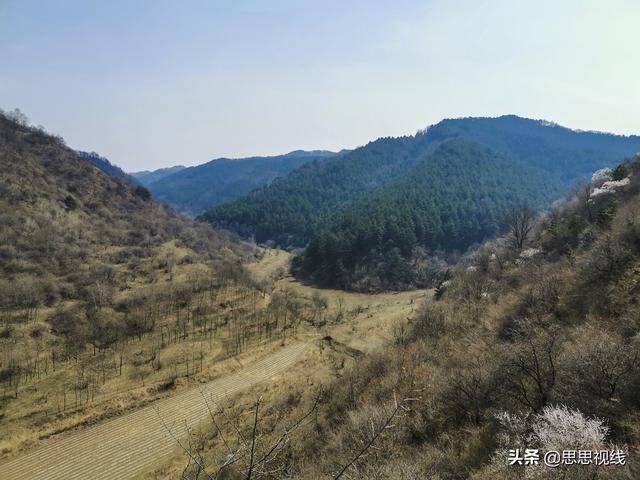
In the spring equinox, returning to this place, the mountains are slightly green, 30 kilometers northeast of Huanglong County, along a east-west river channel, Monkey River, a broad channel (Liu Gou) emerges sharply, intersecting at the convergence of the two channels, a mountain peak gradually rises, and Liu Gou Camp is established here, dense trees cover the outline of the fortress, Liu Gou Camp's abandonment has gone unnoticed by passersby, it is simply a common hilltop or cultivated farmland, with no distinguishing features.
Standing at the Liu Gou channel mouth, a spring breeze carrying warmth arrives from the south, it is said that this channel, Liu Gou Village, was a trading post and station before liberation. In the early days of liberation, most were refugees from Henan, Shandong, and Anhui, after gradually returning to their hometowns, they traveled east along the Monkey River, never turning back…
Liu Gou Village's houses are reduced to five or six, as we walked, dogs barked and sheep bleated, and there was no one in sight. The cultivated fields, however, were vast, and the ancient trading route had completely transformed.
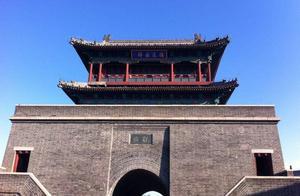
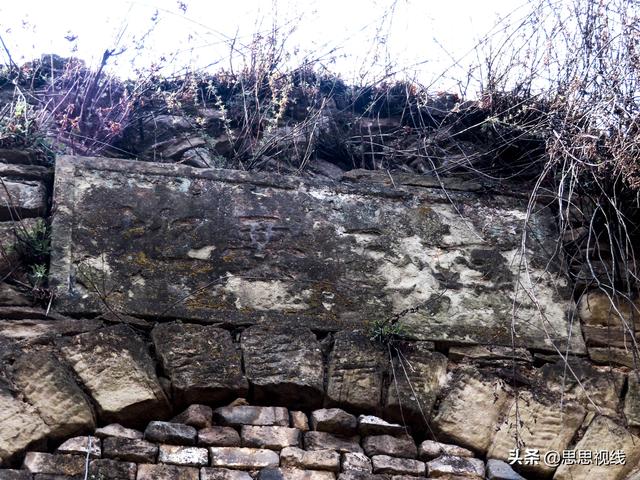
A fortress-like structure is vaguely visible on the hillside, and after walking along a curved stone-paved road, we arrived before it. A city gate blocked the road, covered in weeds and moss, bearing the faded inscription 'Four Counties Strategic Points' , indicating that this was an important fortress.
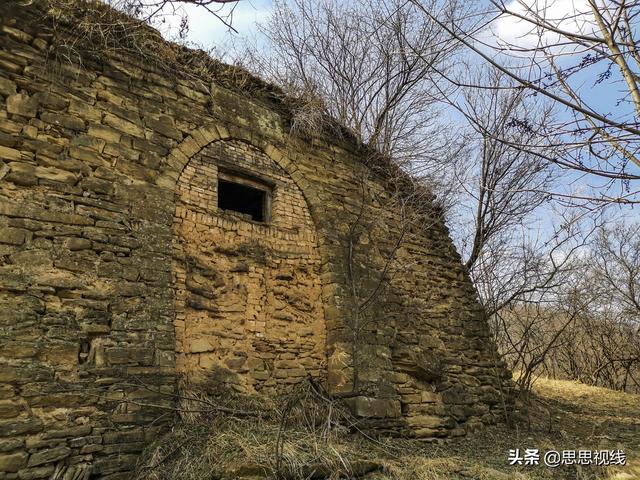
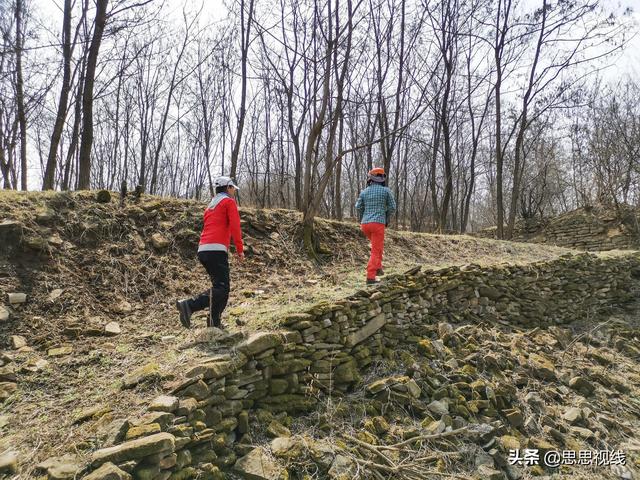
We entered Liu Gou Camp, the open courtyard was planted with locust trees, the outermost city wall encircled the steep hillside, with stone-built walls and roads everywhere, large flat stones lay scattered along the walls. According to the 'Huanglong County Chronicle', Liu Gou was built in the 12th year of the Qing Shunzhi Dynasty, with a garrison command. This was a military outpost! The Ma Xieling Ancient Road, as a military channel, passed through here northwards,,, , Liu Gou Camp played a comprehensive role.
The camp was approximately 300 meters east-west, south higher than north, the southwest city wall remains intact, the northeast side has collapsed. Standing on the high point of the southern city wall, the channel is visible, the mountains are cloudy and clear, various wildflowers quietly bloom.
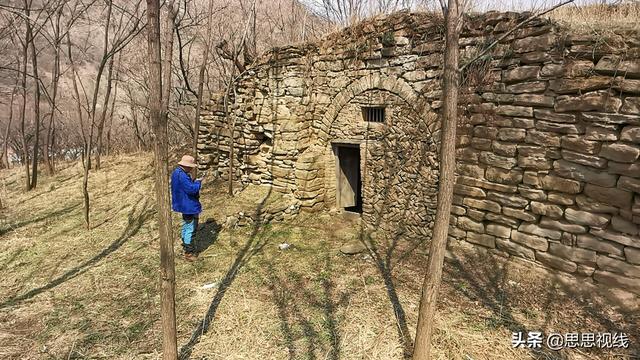
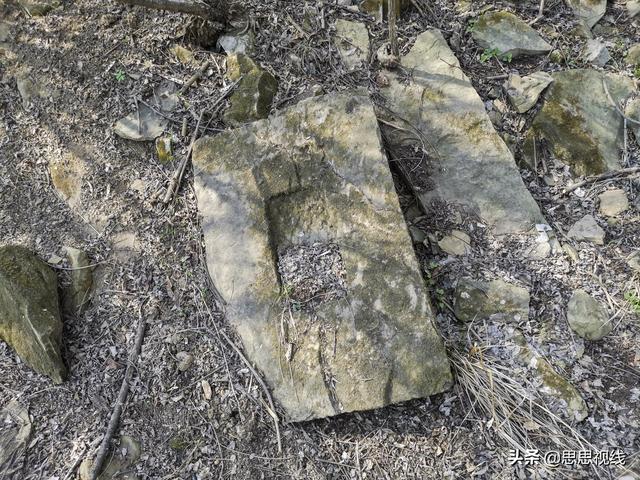
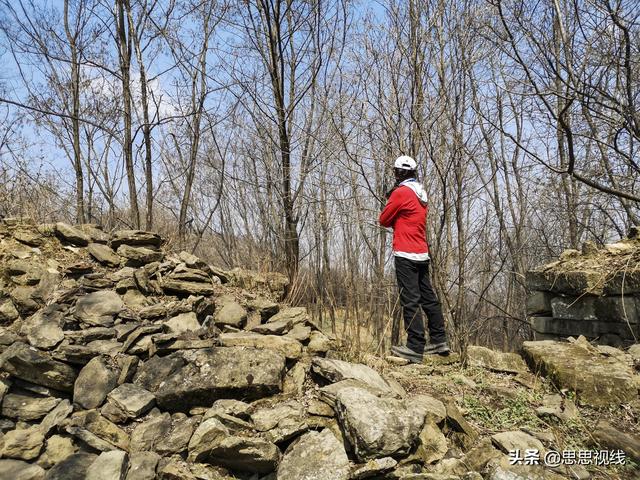
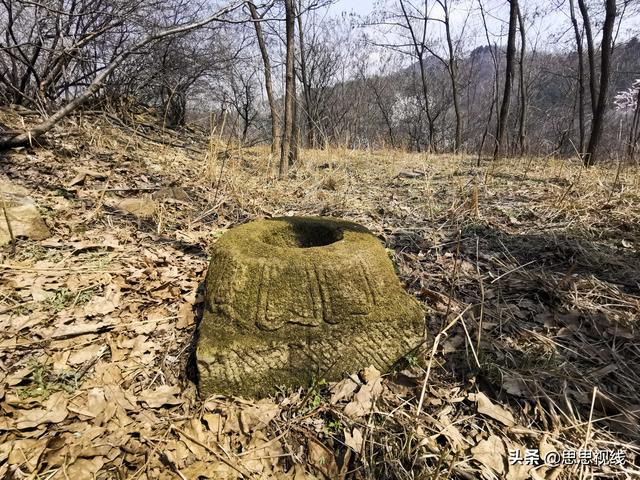
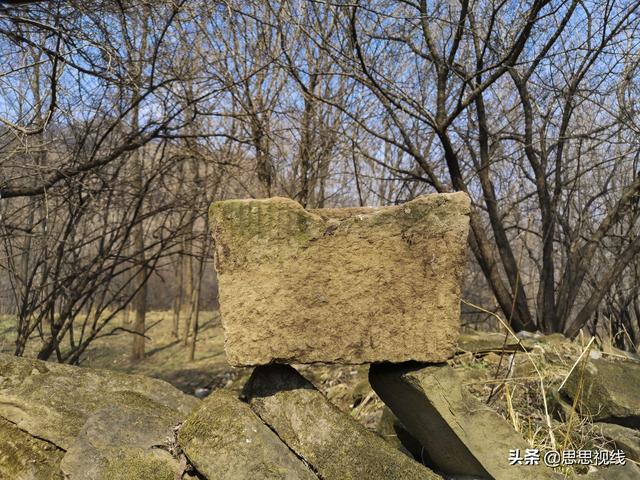
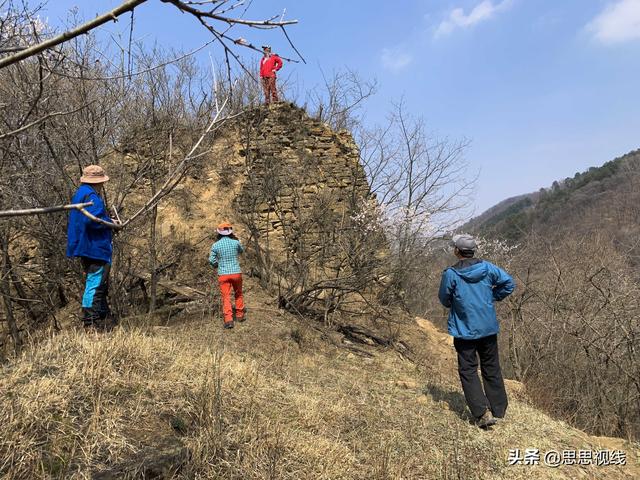
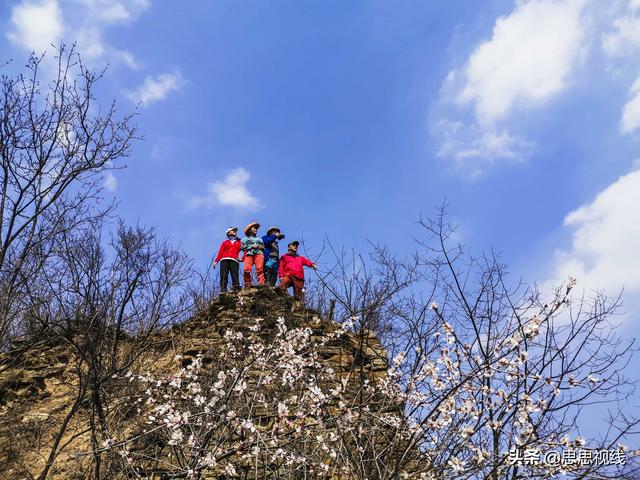
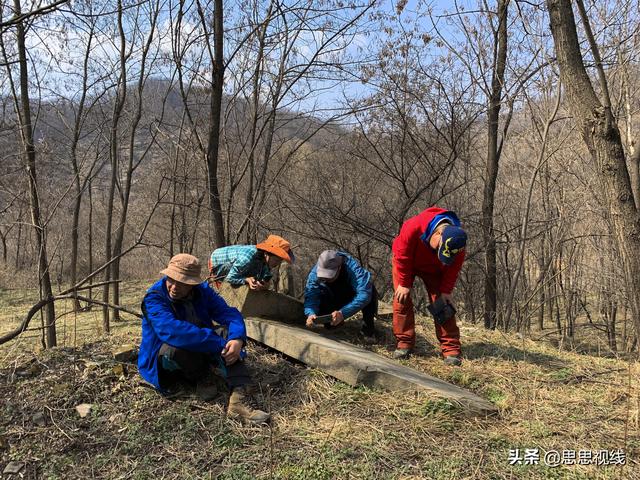
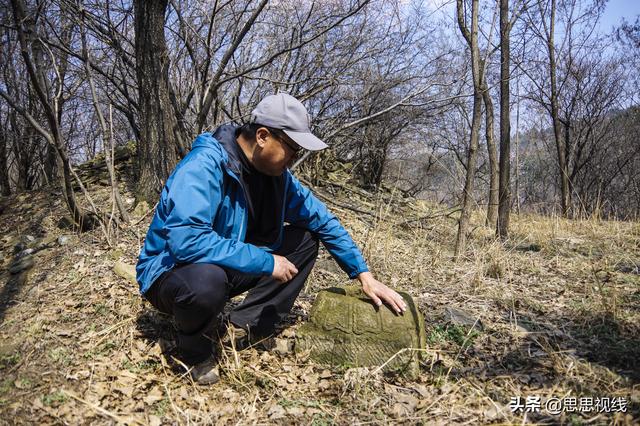
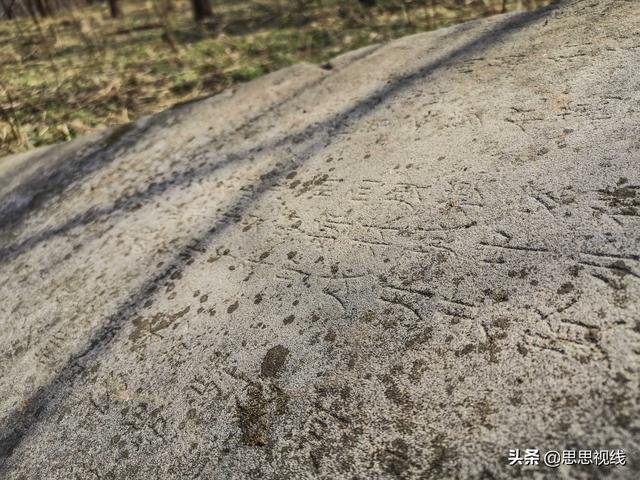
What is Liu Gou? There is a camp and a city. What is a camp? There is a temple, a platform, a field, and a house. Stone, walls, gate inscriptions, pillars, incense burners, altars… everything is covered with moss and lichen, but we failed to find any inscriptions. Thanks to a keen-eyed companion and a ray of sunlight passing through the trees, illuminating a stone tablet, the tablet, originally blank, revealed the faint impression of characters: 'Change of All Things', 'Liu Lin Cheng' , 'Post Communication Can Be Connected' , 'Qing Shunzhi Twelve Year' , we spent a long time deciphering, unwilling to disturb its dust, for fear of erasing this connection of information.
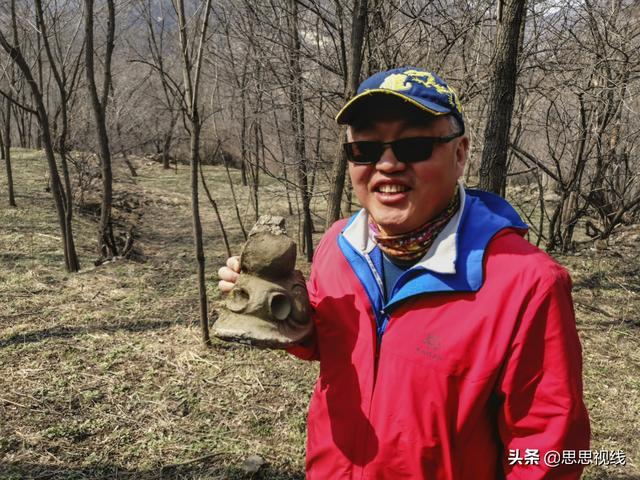
Returning to the channel, looking back at the Liu Gou Camp buried in the locust trees, it seemed better this way – less discovered, less vulnerable to intrusion. Let it remain quietly on the hilltop, waiting for someone who loves and cares for it to appear and bring it back to life.