Shaanxi, Bordering the Most Provinces, Features Chang'an, and the Dangerously Famous Mount Hua
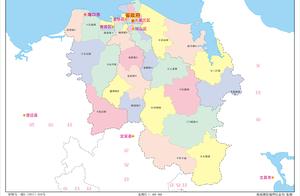
China is vast and rich in resources, with each province boasting unique tourism destinations. Shaanxi Province is particularly special, being the only one bordering eight other provinces – Sichuan, Chongqing, Ningxia Hui Autonomous Region, Inner Mongolia Autonomous Region, Henan Province, Hubei Province, Gansu Province, and Shanxi Province. Shaanxi is also one of the cradles of the Central Plain Civilization. Qin Shi Huang established the Great Qin Empire here, and the Han and Tang Dynasties, China's most powerful dynasties, were also established in Shaanxi, then known as Chang'an, the capital of both dynasties, and was once one of the world's most prosperous cities, alongside Rome as a counterpart of Eastern and Western civilizations.
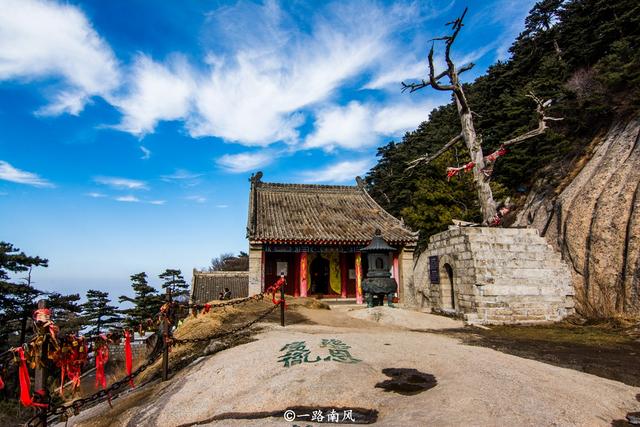
Shaanxi boasts numerous tourist attractions, and the cities with the most distinctive tourism resources are Xi'an, Weinan City, and Baoji City.
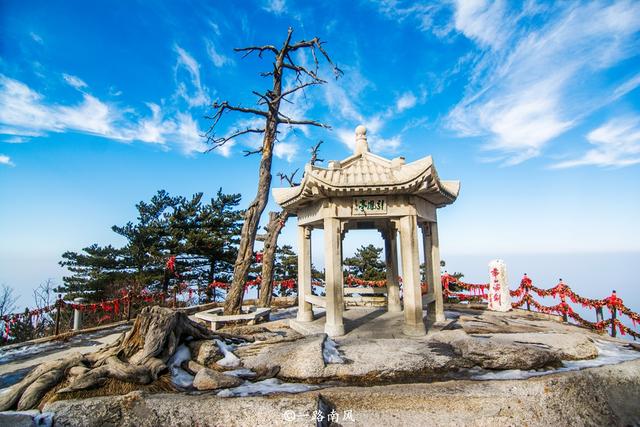
Mount Hua, known as 'China's First Dangerous Mountain,' is located in Weinan Hua Yin.
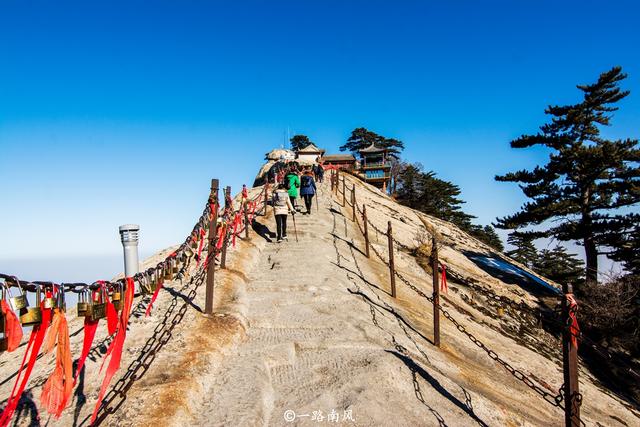
Just how dangerous is Mount Hua?
Ancient people have said, 'Mount Hua has one path, and one road.' Mount Hua's steep granite mountainsides, in some places reaching a vertical angle of eighty-nine degrees, present a very high climbing difficulty. Because of its incredible danger, few scholars and writers have ever reached the summit, and few famous works have been created. In that era, climbing Mount Hua could be considered an adventure, and many of those climbers were skilled herbalists.
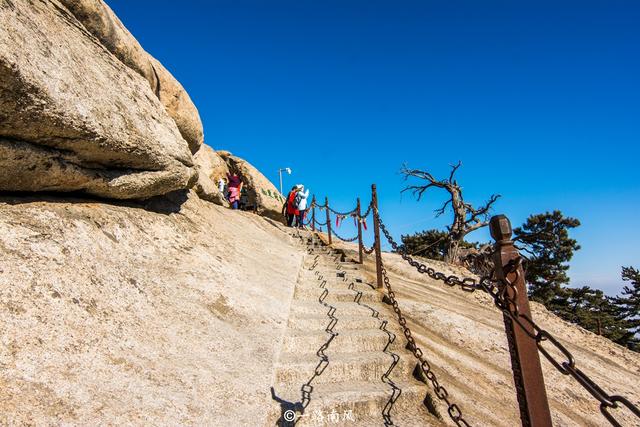
Today, Mount Hua still maintains a high climbing difficulty, but with the addition of a cable car, tourists can basically return on the same day without seeing the sunrise.
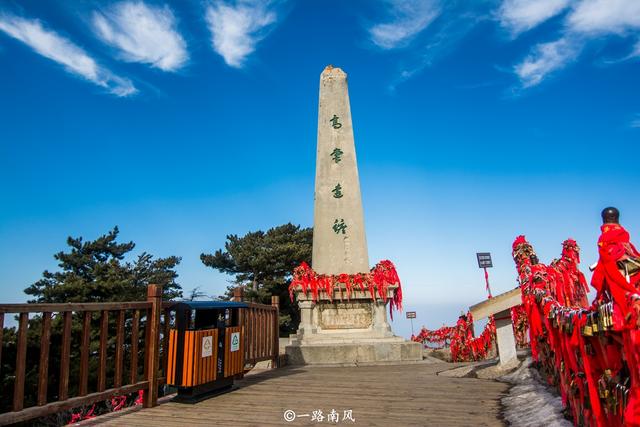
Riding the cable car up and down the mountain not only saves time but also bypasses a large section of the steep climbing trail. Sitting in the cable car, you can see the 'ten thousand fathom abyss' below, and some tourists are still very nervous. However, the 'ten thousand peaks and ravines' are still quite beautiful to watch.
Mount Hua is the birthplace of Chinese civilization, and the character 'Hua' in China refers to Mount Hua.
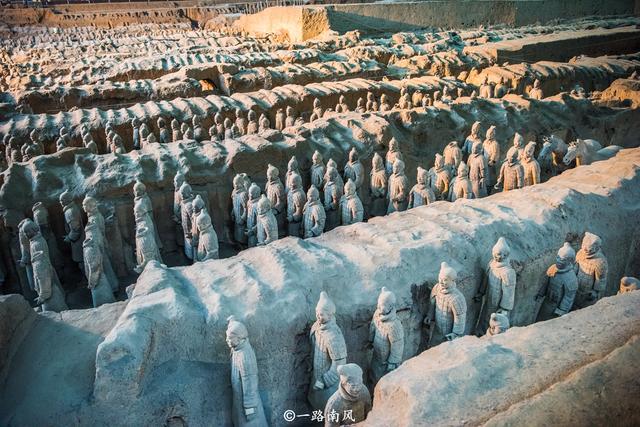
Shaanxi is the city with the most tourists, as it is the provincial capital and the provincial center for economics, culture, and transportation.
Historically, a total of thirteen dynasties had their capitals in Xi'an, the palaces from the Qin and Han dynasties are long gone, with no complete ruins, however, Ling Tom remains with the Tang Dynasty palaces – Huaqing Palace, the most world-renowned discovery was in the mid-1990s, when farmers in Ling Tom discovered the Qin Emperor's terracotta warriors.
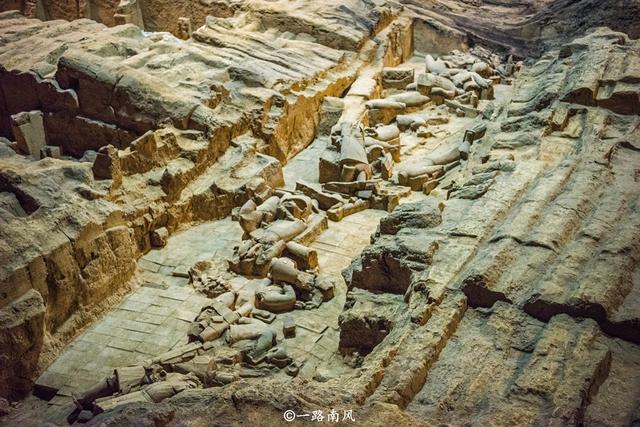
These several scale-sized tombs, with their great size, the abundance of pottery figures and weapons, and the number of cultural relics, have amazed visitors from all over the world.
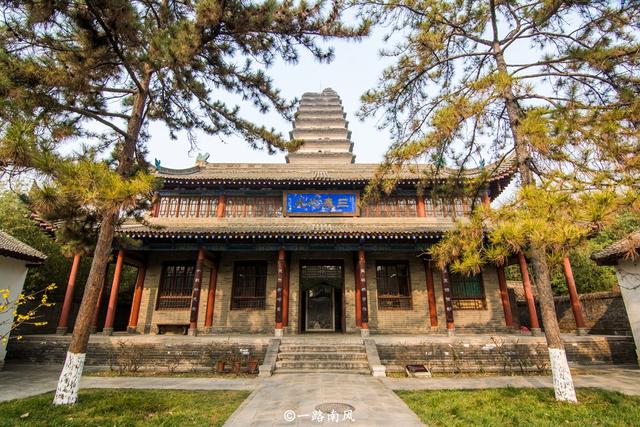
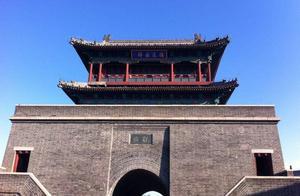
From the Great Qin Empire to the Tang Dynasty, Xi'an has always been the center city of the whole country, although subsequent dynasties moved their capitals elsewhere, it still cannot hide the charm of this city. Xi'an's major landmarks and tourist destinations inside the city include the Great Pagoda and Small Pagoda built during the Tang Dynasty, and the clock tower and bell tower built during the Ming Dynasty, which are still the main landmarks and tourist check-in points.
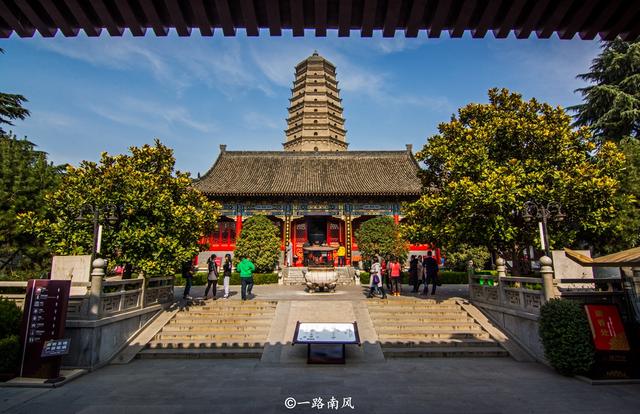
Leaving Xi'an, we arrive at Baoji City, where we can find China's oldest temple – Famen Temple.
The core attractions of Famen Temple are a distance away from the main gate, this royal temple built during the Eastern Han Dynasty has a history of more than 1900 years, besides the buildings with a Tang and Han style, there is also a palace underground of the real treasure tower open to tourists to visit.