Journey to Confucius' Hometown: Shandong Qufu Kong Miao
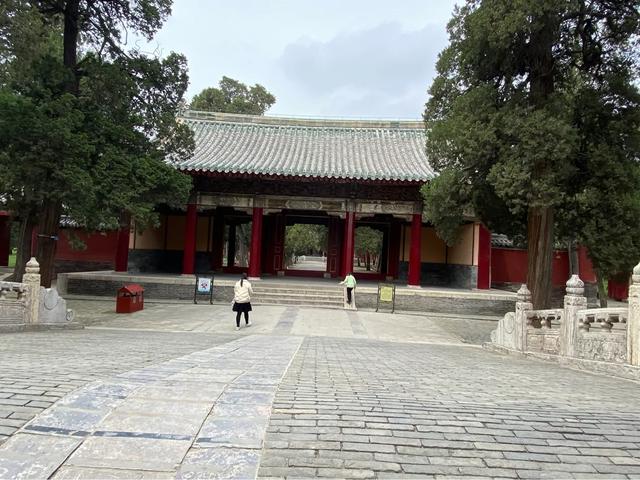
After returning from Taishan, I visited Qufu's Three Temples, a journey of approximately 80 kilometers, taking about an hour and a half by car. I parked at a convenient parking spot near the entrance of one of the Three Temples, and purchasing tickets was very easy.
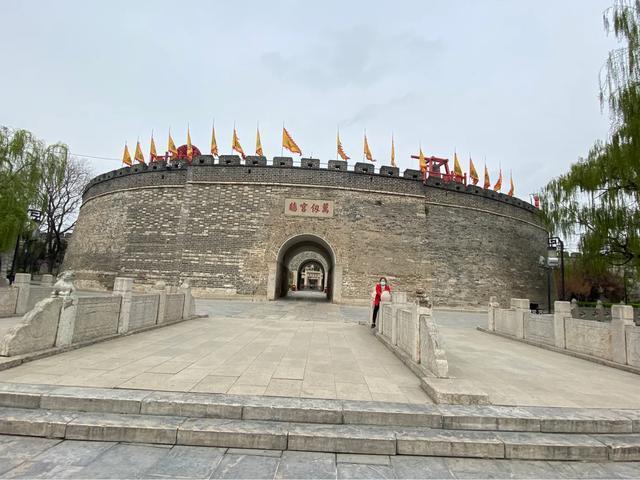
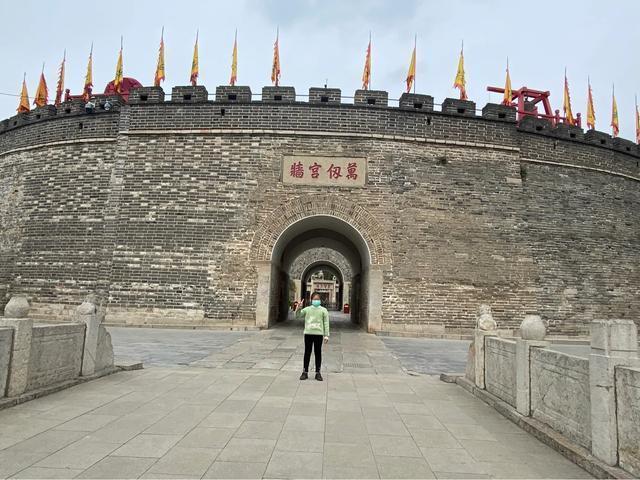
The Three Temples Scenic Area opened on March 29th, offering free admission to all nationwide medical workers. Please pay special attention to the opening hours of the Three Temples: 9:00 AM to 4:30 PM, with ticket scanning until 3:30 PM. I went out from Kongfu around 3:00 PM yesterday, which was a great regret because I missed the opportunity to visit the Grove.
The Kong Miao (Confucius Temple) and Kongfu are located nearby; exiting the Kong Miao leads directly to the Kongfu, but the Grove is about 2 kilometers away.
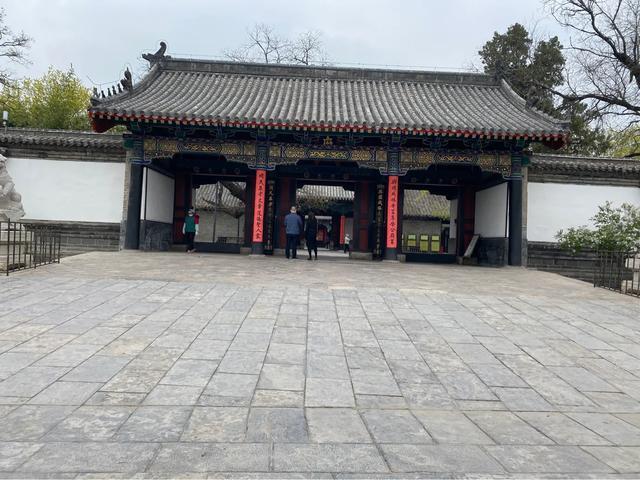
Qufu's Three Temples – the Kong Miao, Kongfu, and Konglin – are collectively known as Qufu's 'Three Temples,' a renowned historical site commemorating Confucius, the founder of Confucianism.
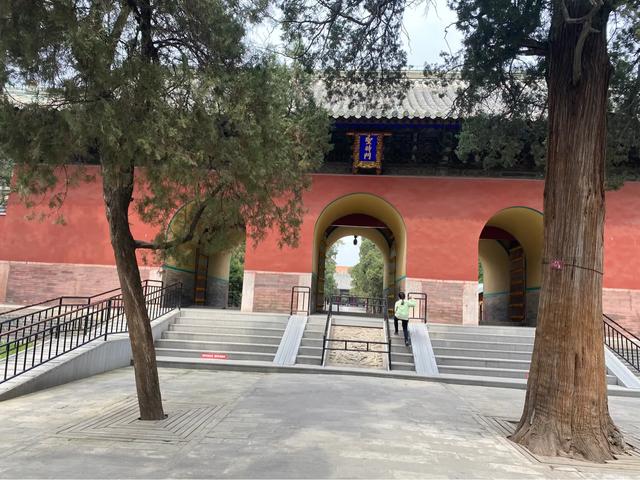
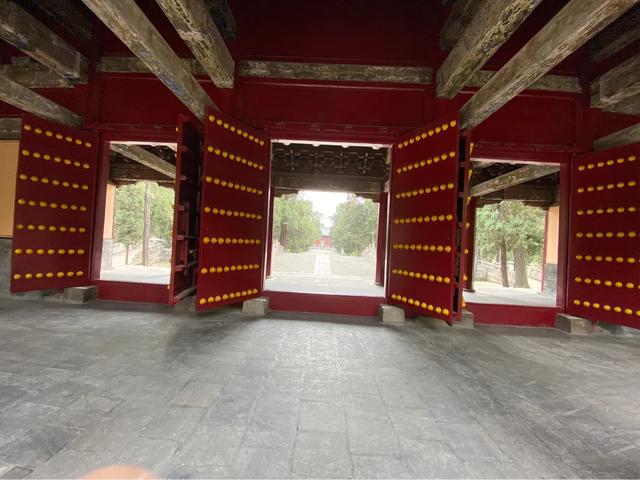
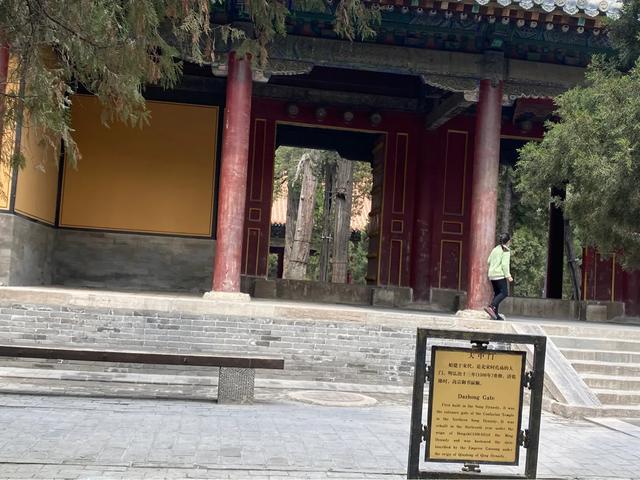
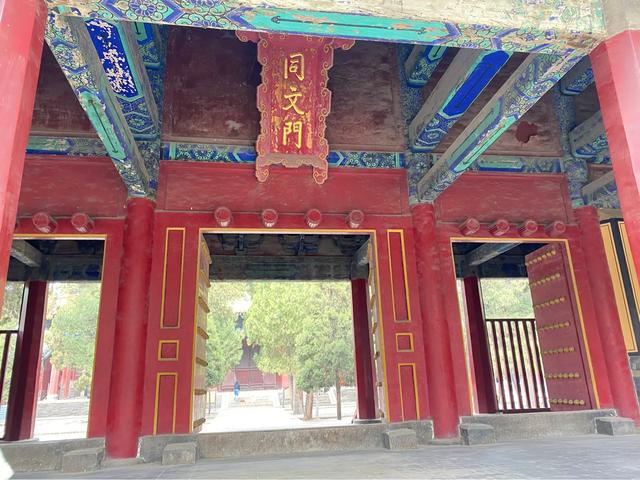
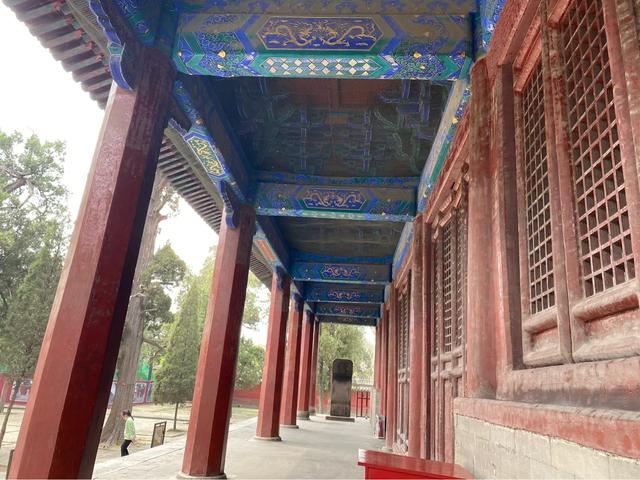
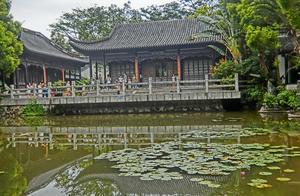
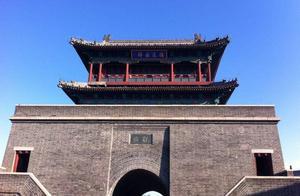
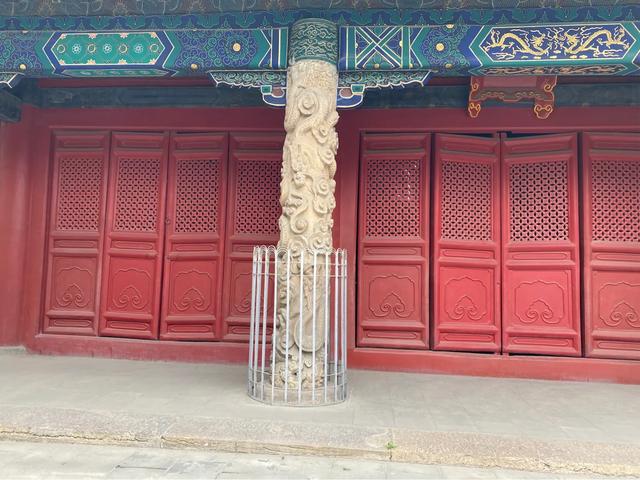
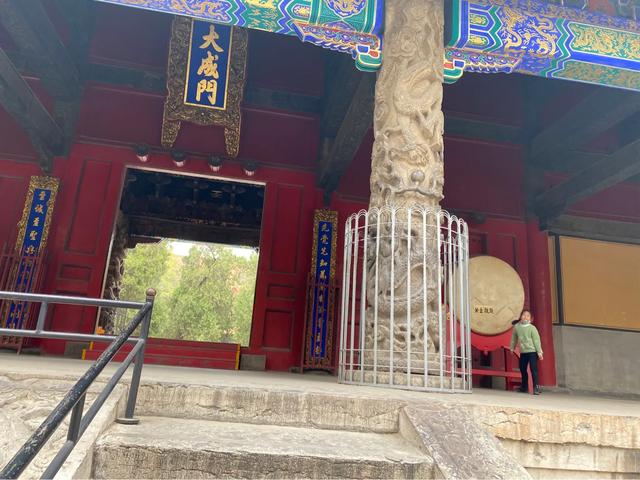
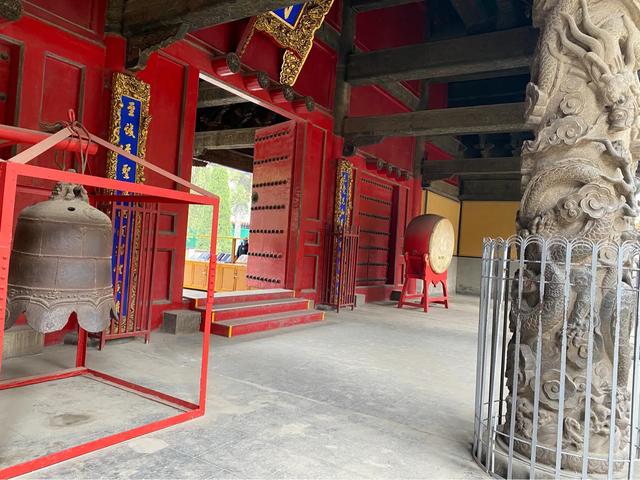
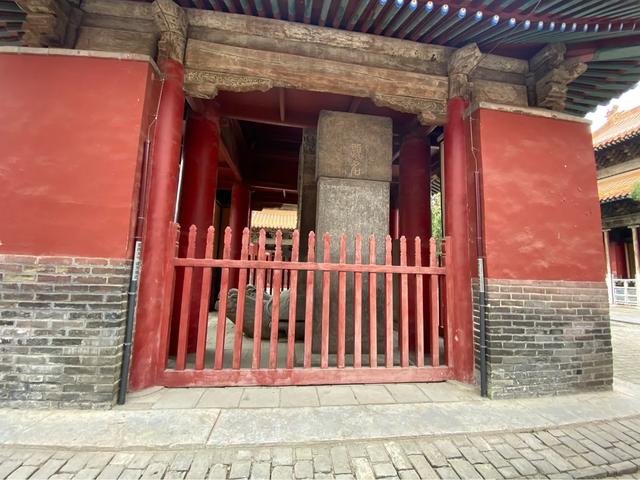
It's recommended to visit the Kong Miao first. The Qufu Kong Miao, also known as 'Que Li Zhi Yi Kong Zi Gufa,' has been dedicated to Confucius since ancient times, with emperors continuously granting him since the Western Han Dynasty, resulting in its continuous expansion and becoming the largest Kong Miao in China. The existing architectural complex is largely completed during the Ming and Qing Dynasties, covering an area of 327 mu with nine-court layouts. It's modeled after the layout of the Beijing Forbidden City.
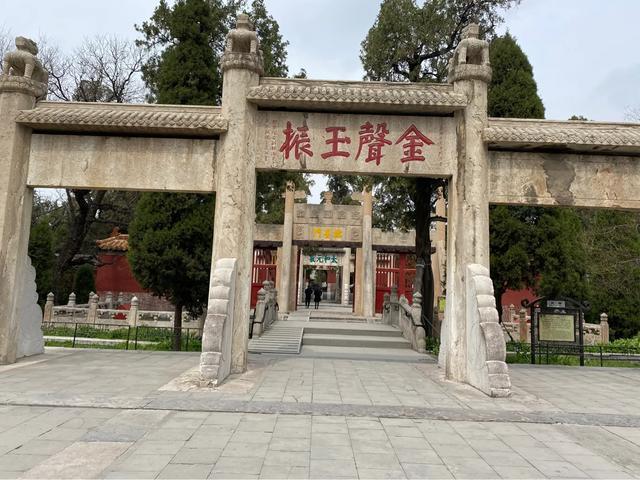
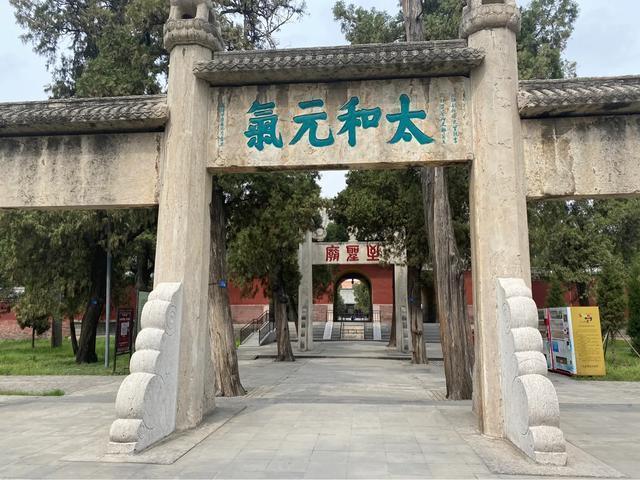
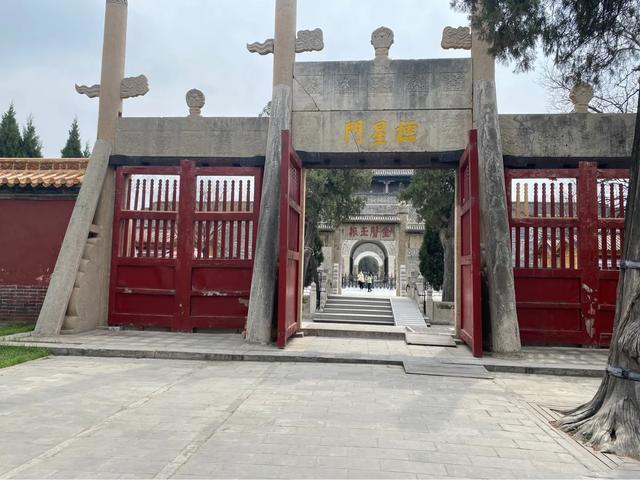
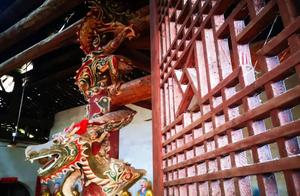
'Hook Heart and Struggle' is a phrase often associated with scenes from palace dramas. However, the origin of this idiom dates back to Du Mu's Tang Dynasty poem 'Afang Palace,' where it originally described a complex of buildings with staggered and intertwined layouts, flying roofs and connected eaves. Some may ask if such architecture truly exists. The Qufu Kong Miao features a similar situation. This is due to the Kong Miao's unique historical and cultural background, which has created this distinctive architectural form, making it a unique sight within the Kong Miao.
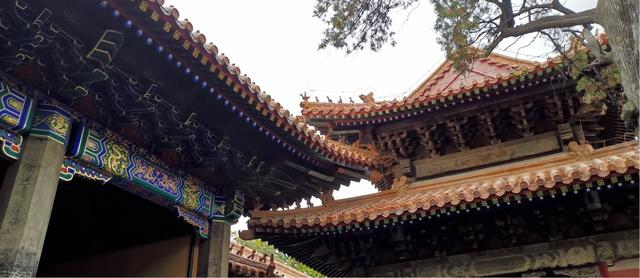
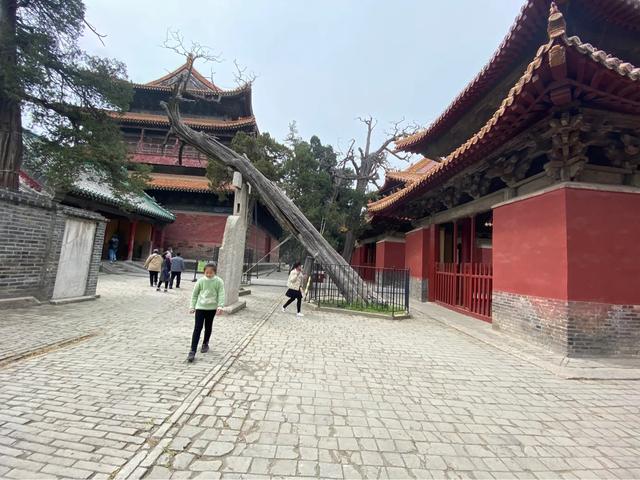
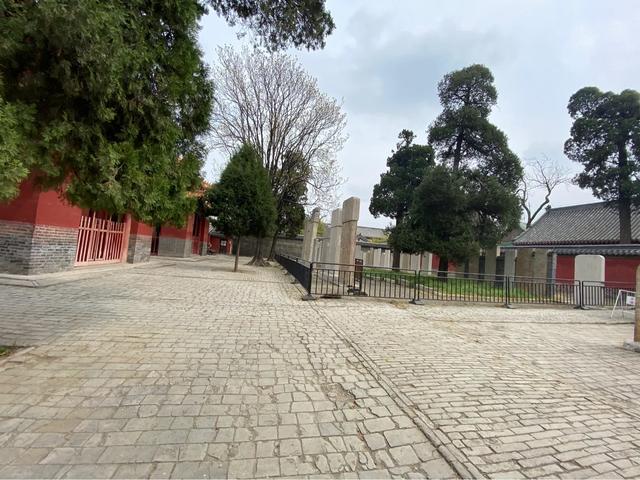
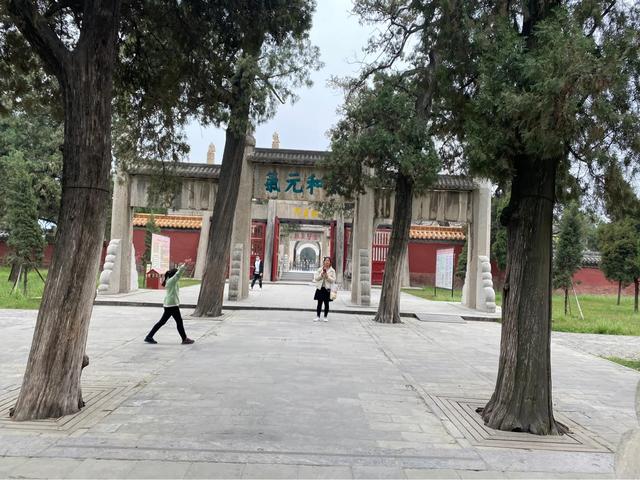
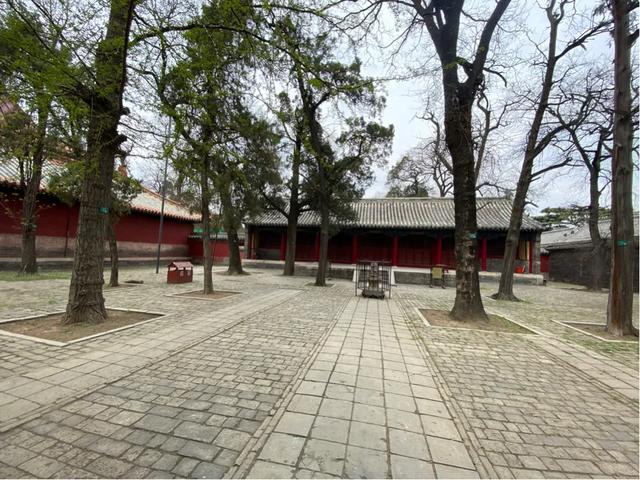
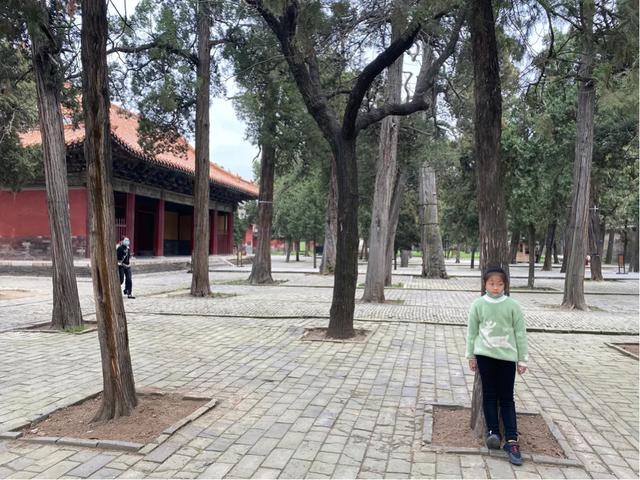
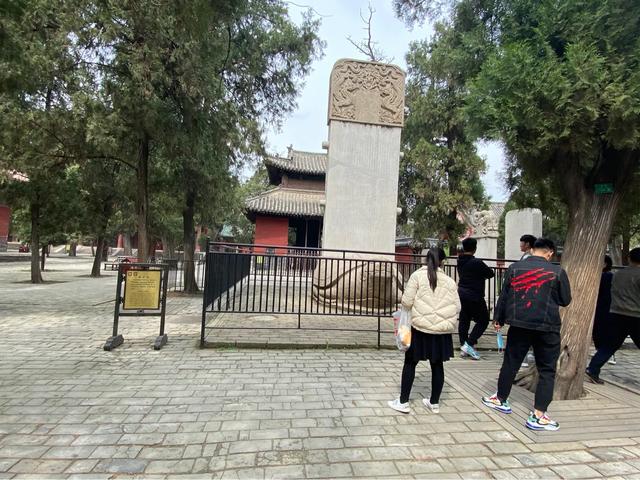
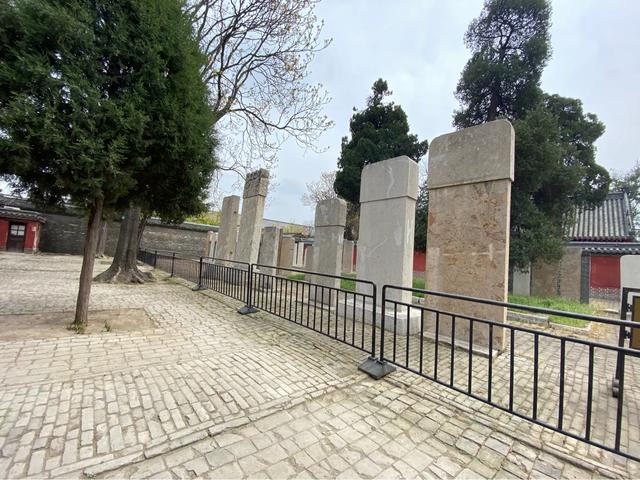
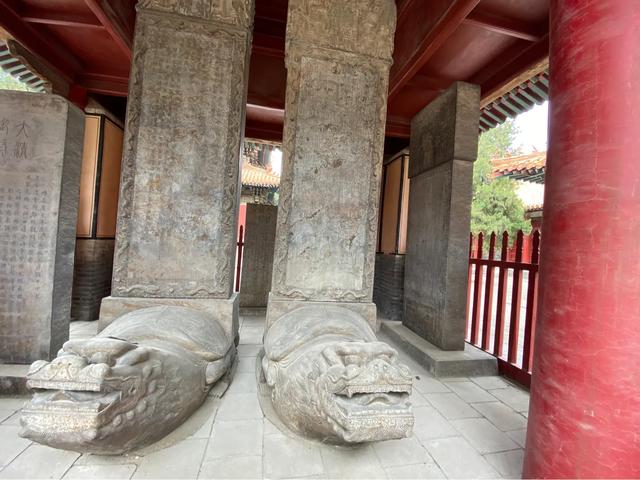
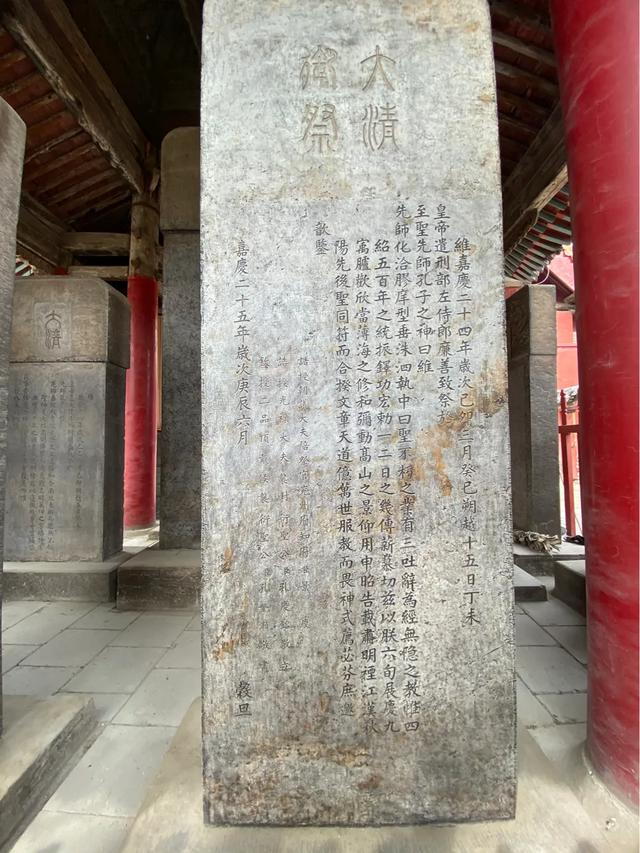
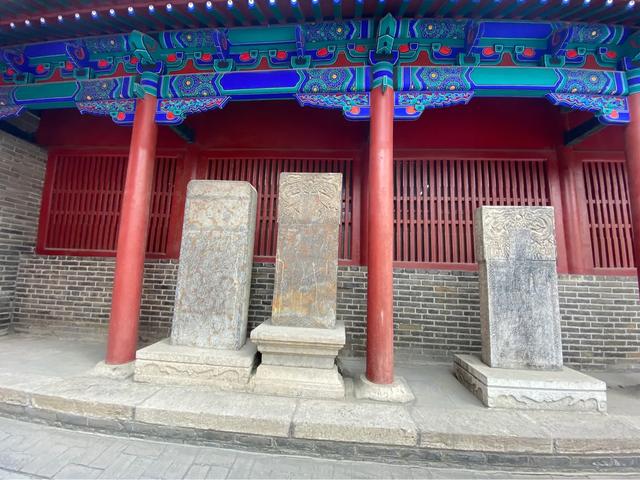
The Qufu Kong Miao currently preserves over 1,000 stone carvings and inscriptions dating back to the Han Dynasty, reflecting the evolution and characteristics of stone carving art and is a treasure of Chinese calligraphy.
The picture below is a photo of the Qufu Kong Miao from 1929, which is extremely impressive and remarkably well-preserved! (Photo source: online)
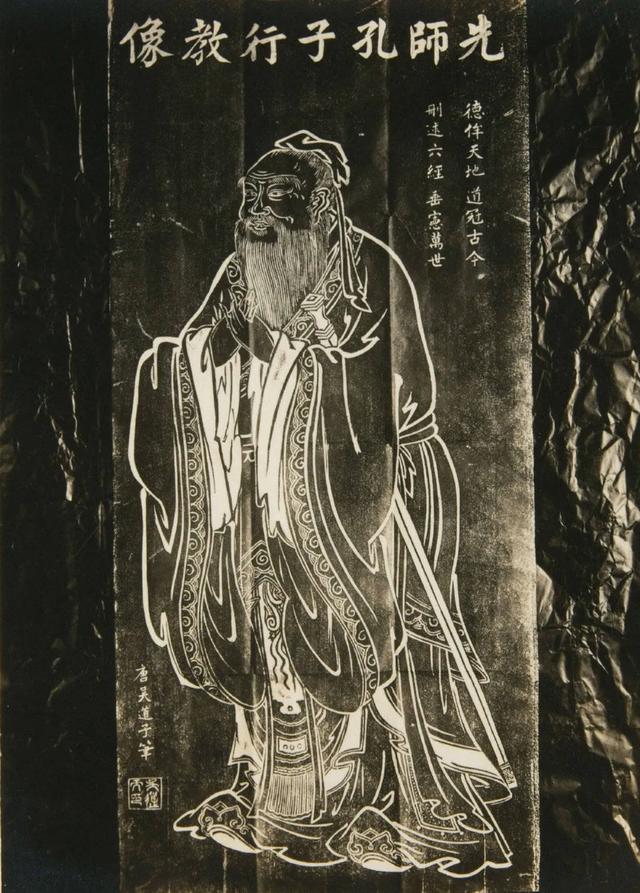
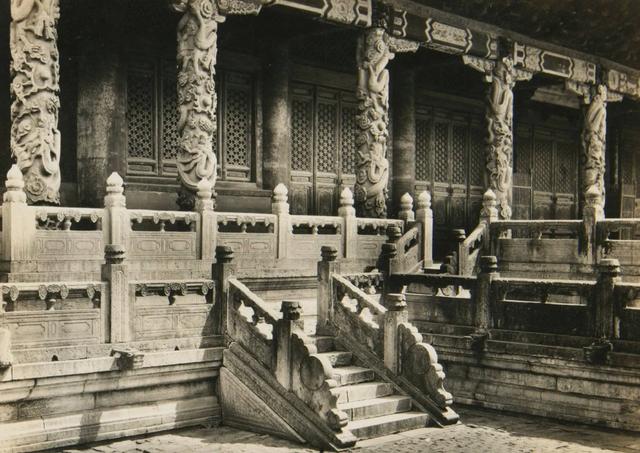
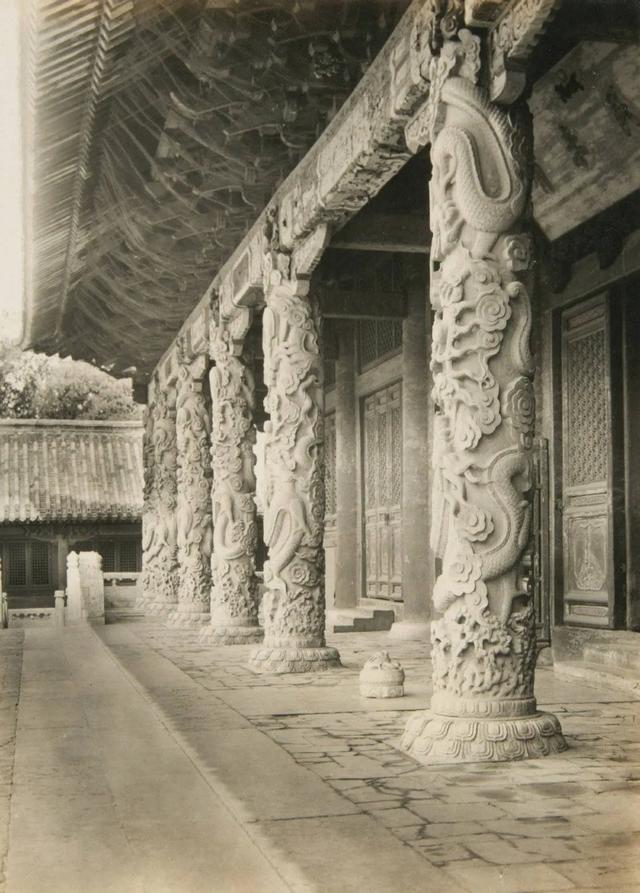
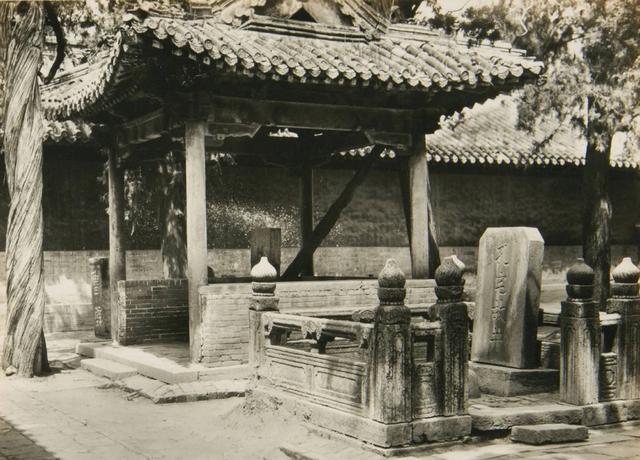
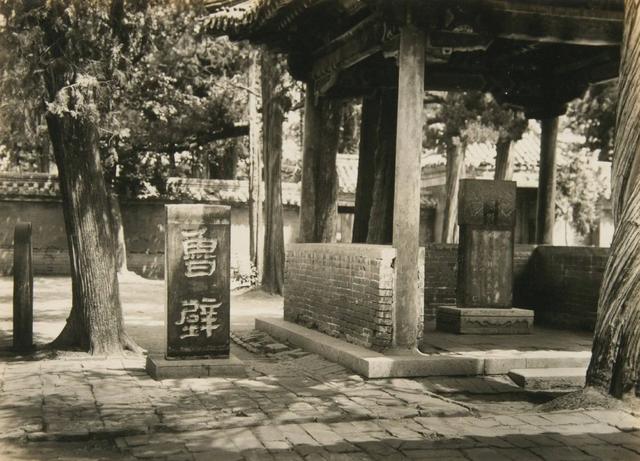
The Qufu Kong Miao, with its immense scale, magnificent aura, long history, and complete preservation, has been described by architect Liang Sicheng as a 'unique case' in architectural history, alongside the Beijing Forbidden City and Chengde Summer Resort, as one of China's three major ancient architectural complexes.