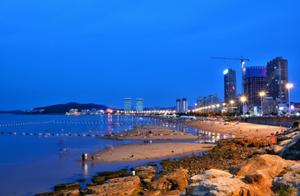
Shopping for Vintage Treasures in Buenos Aires' Most Beautiful Neighborhoods
Wherever there are coffee shops and European-style buildings left over from the Spanish colonial period, this South American city exudes an old and romantic atmosphere.
(The author provides this for Chinese netizens, copyright all reserved, please do not copy without permission)
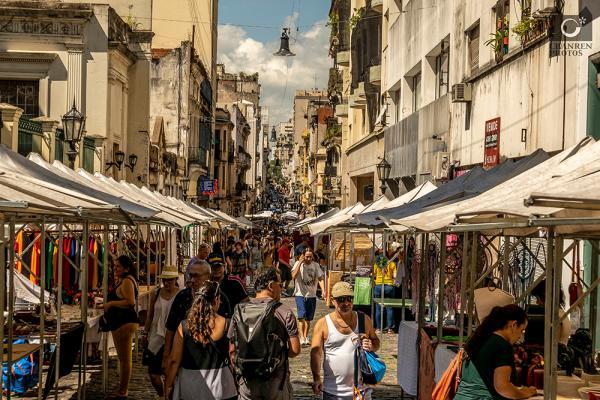
Compared to the famous Boca Old Street area, I actually prefer Plaza Dorrego in Buenos Aires, but you have to go on Sundays, because every Sunday, this place turns into a flea market or antique market, and because it is located in San Telmo, so people are used to calling it San Telmo weekend market.
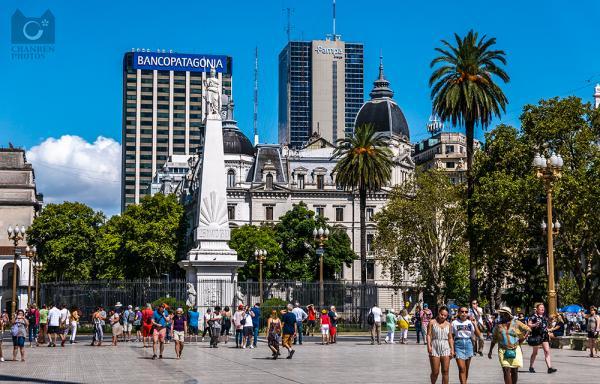
It's not difficult to find the San Telmo weekend market, just south of the famous May Square. When you visit, walking is the best way. In fact, there are many places to shop besides Plaza Dorrego. Before Plaza Dorrego, there are various stalls lining both sides of the street, stretching for at least several kilometers.
Don't just focus on the goods in front of you; the old buildings in the San Telmo district are also worth carefully observing. Someone said that Buenos Aires is like Paris in South America, wherever you go, there are coffee shops and European-style buildings left over from the Spanish colonial period, which gives this South American city an old and romantic atmosphere.
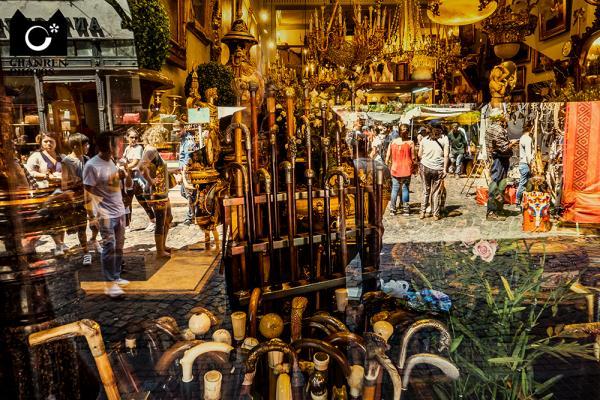
Walking on the cobblestone streets of San Telmo district will allow you to immerse yourself in the beautiful memories of the past. It is said that because the housing prices here are low, many artists came to settle here, and they opened many art studios, which made this area covered with the aura of art.
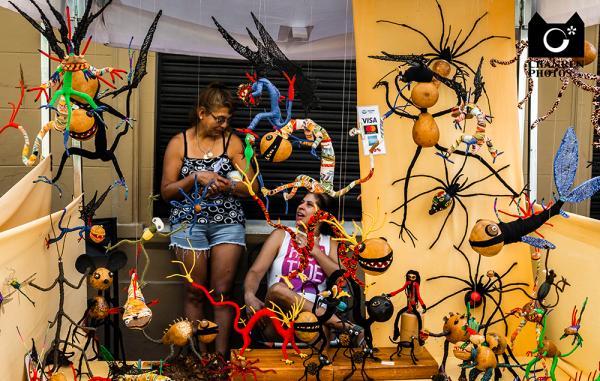
After 1870, it was plagued by epidemics for 20 years, many successful middle-income and artists migrated north, San Telmo district fell into decline and became a slum, so the streets of San Telmo district became the residence of poor people. Therefore, the streets of San Telmo district are witnesses to the historical changes of Buenos Aires, and also have profound cultural connotations.
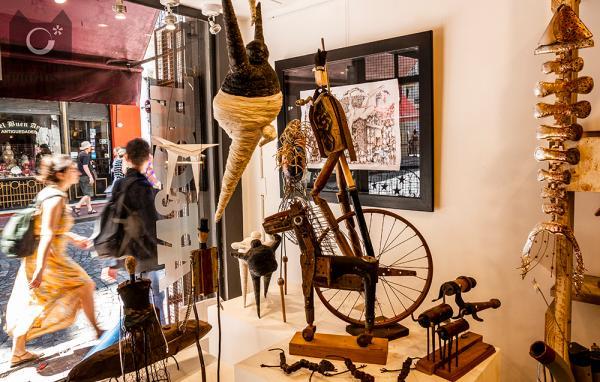
In fact, the bustling stalls on both sides of the street are mostly souvenir stalls, not particularly high-end, and the prices are also low souvenir prices. However, if you pay attention, the antique shops hidden behind the stalls are different; they are the real places to find antiques. And, considering the price of antiques, their pricing is reasonable. For example, if you see a pair of chairs from the 19th century, it costs 36,000 pesos, which is more than 4000 RMB, of course, you can still bargain a little bit.
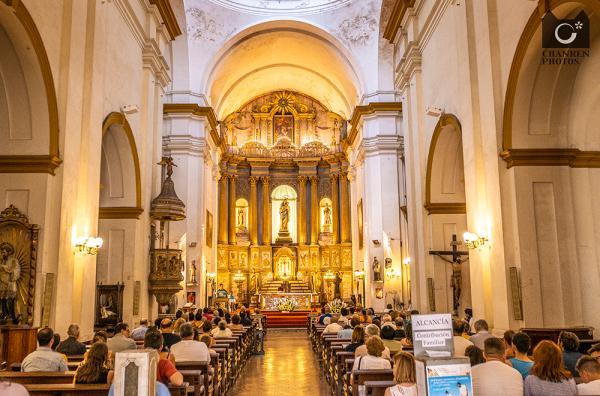
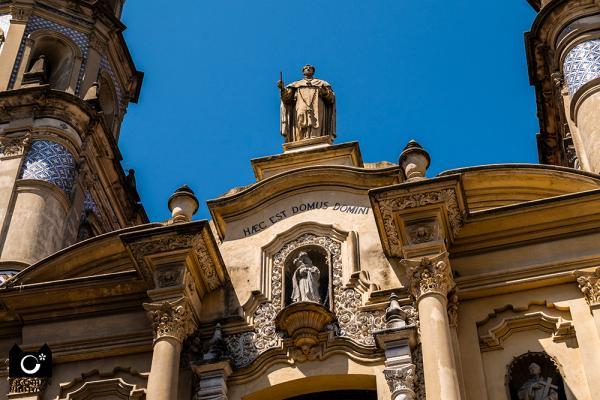
On the way to Plaza Dorrego, you will meet a church; on Sunday, there is a service, you can quietly stand behind, although you don't understand what the pastor is saying, you can feel the atmosphere. Besides, the architecture and sculptures of the church are also worth observing.
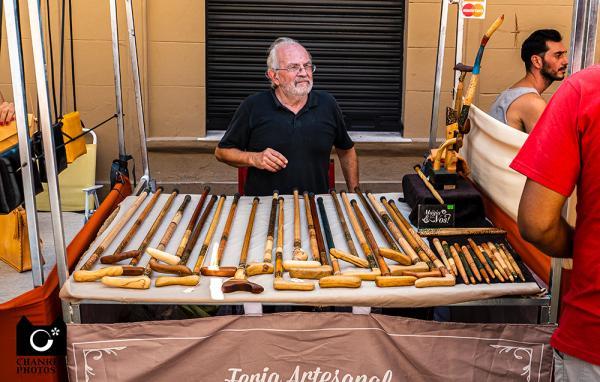
Starting from May Square, it takes at least an hour to reach the real flea market – Plaza Dorrego; if you walk slowly, it takes at least two hours. That's where the main shopping area is.
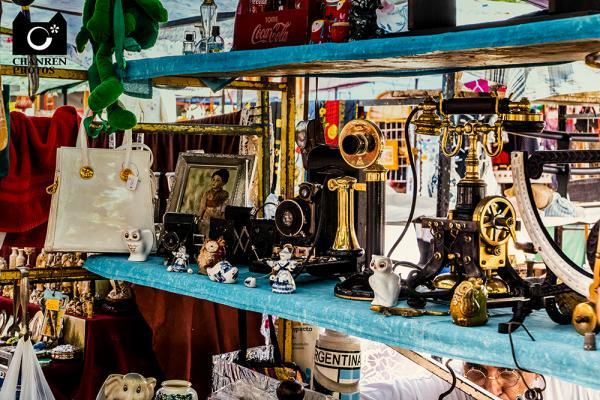
When I arrived, the market was already bustling with people, and most of the stall owners were elderly, and I estimated that there were more elderly people. The things they sold were old goods, such as old telephone sets, old cameras, posters, oil paintings, and mirrors; even the tools of blacksmiths. It seems that everything is available.
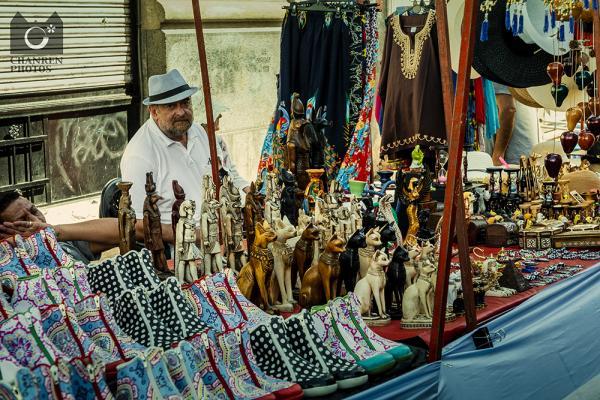
These stall owners are very calm and quiet, they will only chat with you when someone asks, but unfortunately I don't understand Spanish, so I gave up the idea of ‘communication’.
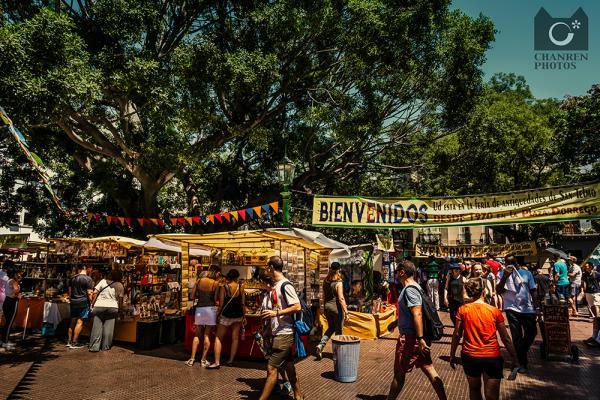
Plaza Dorrego is not very big, it's more like a small garden, and it's about the size of two basketball courts. Many people gather around the square to watch the tango performances; because tango was born in San Telmo district, so tango performances are everywhere here.
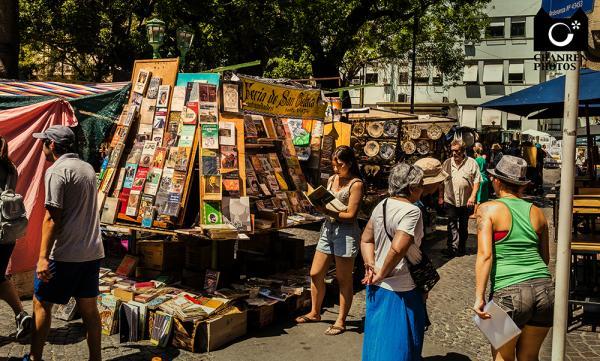
Before coming, I read that this area often has petty thieves, to be honest, I didn't feel any insecurity here. I only saw a policeman on duty in the corner of the square, and his job was mainly to guide tourists.
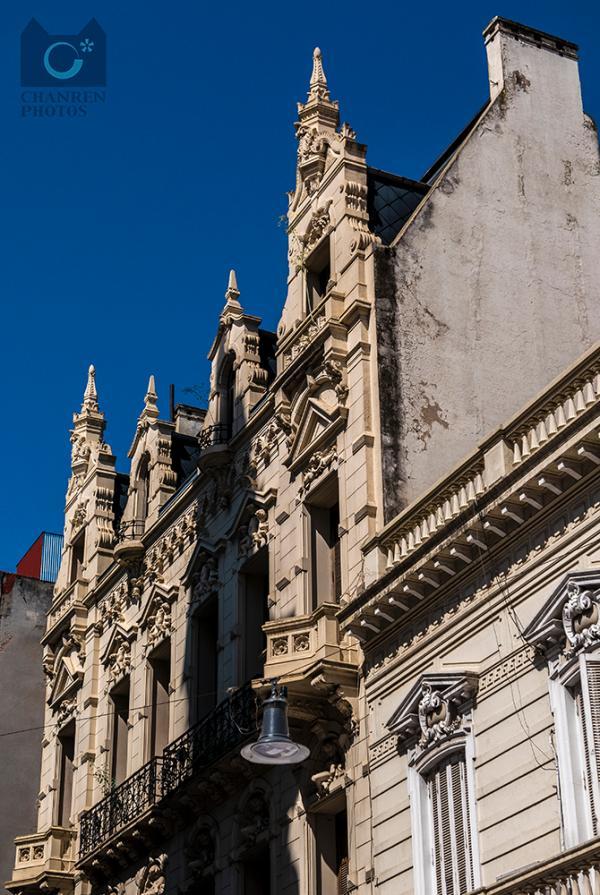
San Telmo district has a lot of honorary titles, such as it was ranked as the third most beautiful street in the world; and this weekend market was listed as one of the top ten flea markets. It doesn’t matter much what kind of ranking is, what’s most important is that we can see the historical and cultural development process in this street, and this is not reflected in words or images, but in the daily life of the residents. The continuity of this culture is the most valuable.
()