Currently, it is tranquil and can accompany a lifetime of old Sichuan bamboo leaf Pu-erh tea
Currently, it is tranquil and can accompany a lifetime of old Sichuan bamboo leaf Pu-erh tea
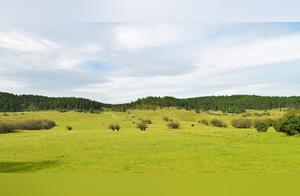
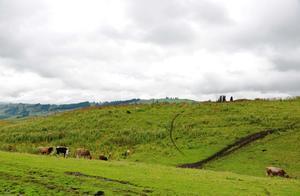
Yasun City in Sichuan's ‘Rainy City’ Ya’an has Mount Jun, which is said to be where Zhuge Liang dreamed of Juncao. At an altitude of 1744 meters, it has steep terrain and few inhabitants. From the top, you can see the Yasin River, and you can also see the Emei Mountains, Wawa Mountain, and Gongga Mountain. Mount Jun’s ecosystem is well-established and highly diverse, with abundant wild flora and fauna, and forest coverage exceeds 80.5%.
On the slopes of Mount Jun, there is a piece of old Sichuan tea. Old Sichuan tea is Sichuan’s ‘genuine indigenous residents’. From the Shu Kingdom period, through long-term natural evolution, with the principle of survival of the fittest, old Sichuan tea has become a remnant group of tea tree varieties, most of which are small-leaf varieties of shrubs, some are medium-leaf varieties of bushes. Because old Sichuan tea is a group variety, with diverse hybridization, with different properties, but all are propagated by fruit, with a late sprouting period, low yield, so in the last century, improved tea tree varieties such as Fujian Da Bai and Fu Xian 9 have been used instead. In this case, although Sichuan is a major tea-producing province, most of the tea produced in Sichuan is not using old Sichuan tea varieties.
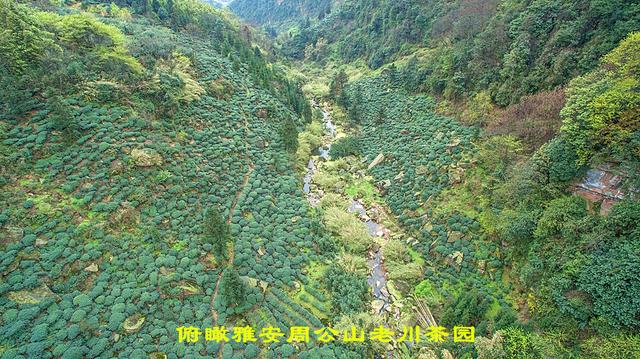
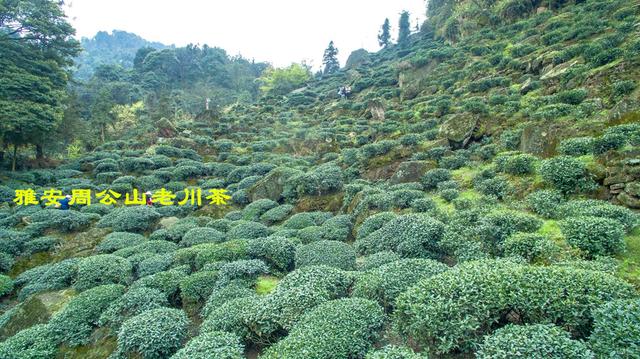
I don't just look at tea varieties when I look at tea, because improved tea varieties are also the research achievements of successive generations of tea scientists. I just say that as a representative ancient tea-producing area of Sichuan, old Sichuan tea has a long dormant period, thus giving it a rich and concentrated flavor, and abundant inner content, with its own unique quality characteristics.
Previously, we selected Monto Ganlu using old Sichuan tea varieties, which had a unique bamboo orchid fragrance and a rich, concentrated tea flavor. This time, we thought of Pu-erh tea. Pu-erh tea, although it has the word ‘Pu-erh’, its development was originally for the enjoyment of Tibet’s officials and monks. However, its production is actually in Ya’an, Sichuan. Since the Song Dynasty, the imperial court has been promoting ‘tea-horse law’ (which is not a law, but a series of decrees related to tea-horse trading), and in the Ming Dynasty, tea-horse stations were established in Ya’an and Tianquan to manage tea-horse trading. By the Qing Dynasty, the imperial court stipulated that teas produced in counties such as Guali, Chongqing, and Dayi were exclusively sold to the northwest of Sichuan, such as the Shenfan and Lilun areas, known as ‘West Road Tea’. West Road Tea is common with ‘square package tea’, because the raw tea is pressed into a square bamboo basket, hence the name. In the past, West Road Tea was transported by horses, with two packages carried by each horse, so it is commonly called ‘horse tea’. Square package tea’s raw material is very coarse and old, it is made directly from harvesting 1-2 years old mature shoots and branches, it is supposed to be supplied to the ordinary people of the Tibetan area. What tea do Tibetan monks and officials drink? ‘Official Tea’ appeared. Official tea is ‘South Road Tea’ produced in Ya’an, Tianquan, and Riying areas, which were sold to the Sichuan West Kham region and Tibet, known as ‘fine tea’.
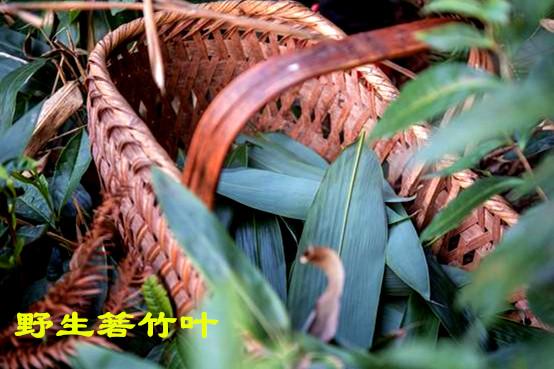
I also heard a legend about Ya’an Pu-erh tea. It is said that during the reign of the Ming Dynasty’s Jingtai Emperor, a government official was sick in Tibet and sent a letter home, which was urgently delivered to Ya’an, Sichuan, by his wife, who expressed her concern and care through tea, and packaged it with wild bamboo leaves, and delivered it to his husband. Her husband drank it, and after a long journey, the tea had changed color and fermented, with the aroma of wild bamboo leaves, it cured his illness. I didn’t take this legend seriously, but if we strip away its key points and look at it in the context of the historical background, we can draw some interesting information. In the Ming Dynasty, the tea sales system was designated by the state to designate tea merchants to sell and transport, severely cracking down on private tea sales. Even if it is the tea of one’s own property, it cannot be sent, so it must ‘disguise’ itself, so that others cannot see that it is tea.
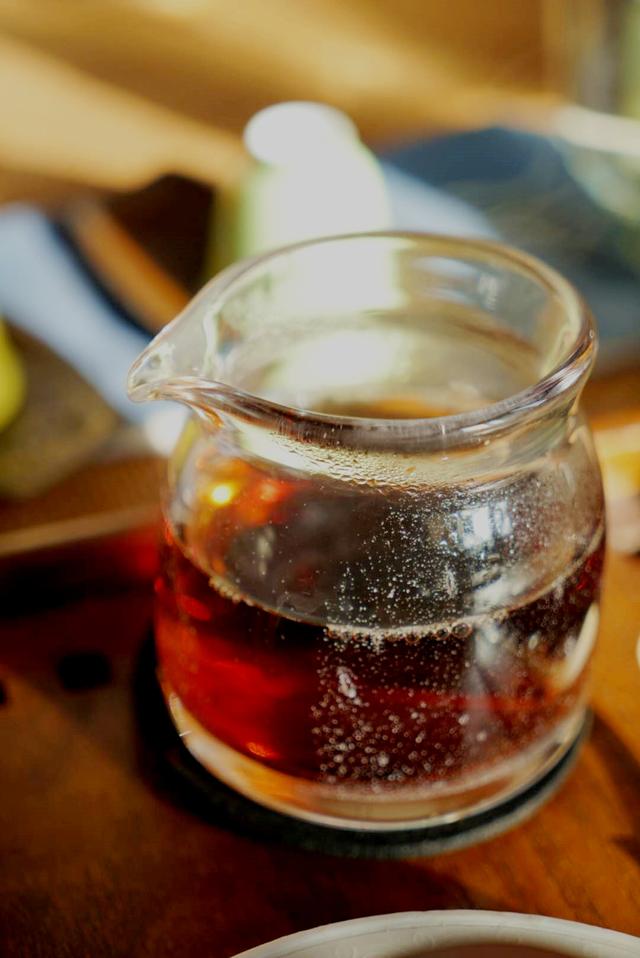
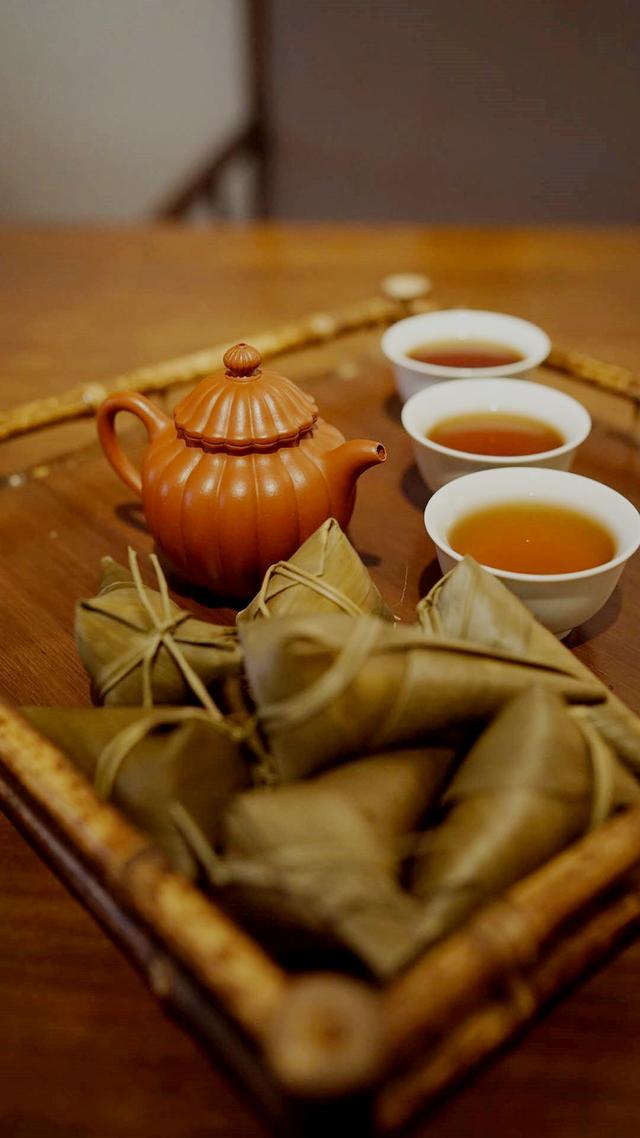
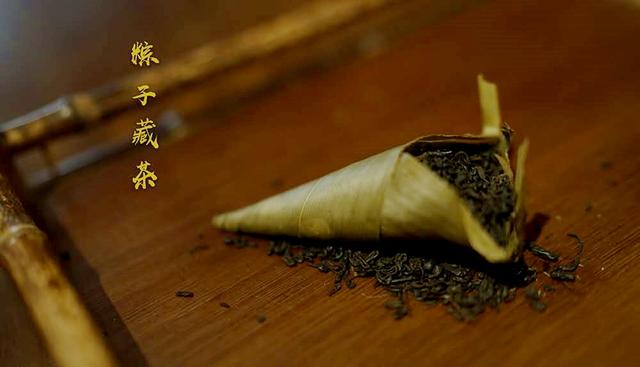
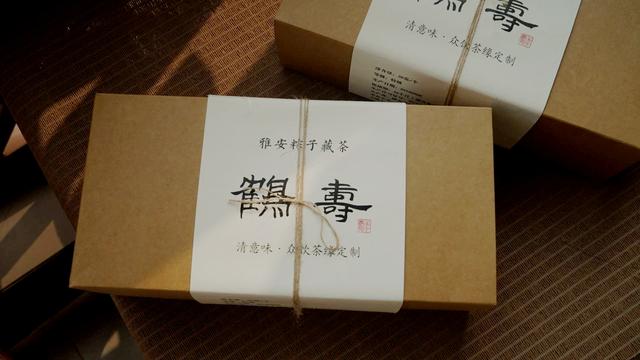
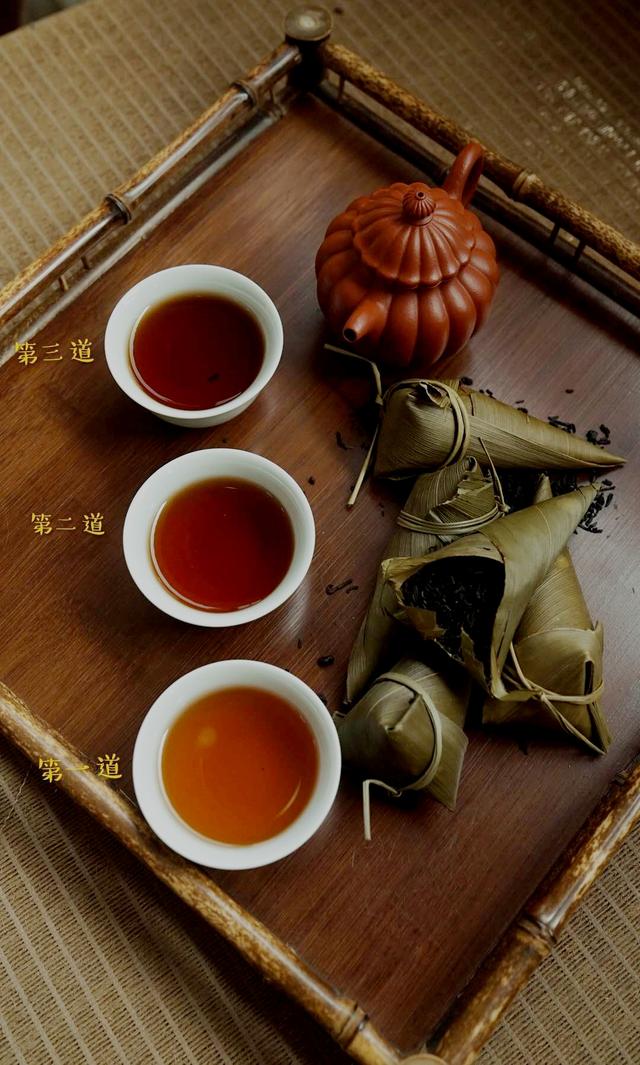
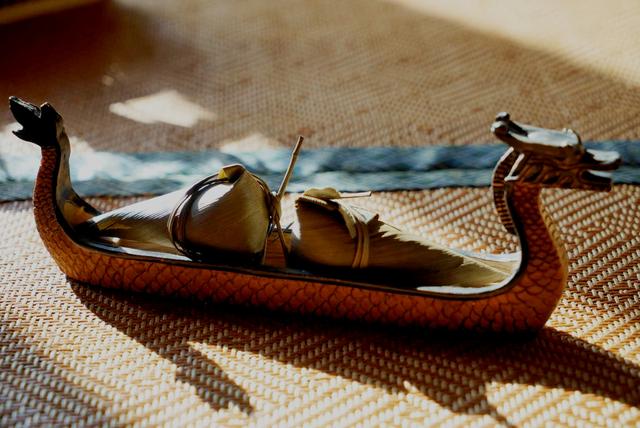
Therefore, this time I chose to make Pu-erh tea wrapped in bamboo leaves, in a zongzi shape, with the intention of looking back at history. Tea is old Sichuan tea, bamboo leaves are also wild on the mountain, the tea processing factory is a regular production factory for traditional Tibetan Pu-erh tea. With a hopeful heart, I waited for the tea to be made, and I carefully brewed it. A delicate zongzi was 20 grams of tea, all of which were tender shoots from the peak period of the rainy season, which could be brewed into 2-3 times. The tea soup is transparent and clear, with a color like red jade, with a rich tea aroma, obvious mushroom aroma, and a faint bamboo leaf fragrance. When the tea soup is tasted, it is smooth, concentrated, but not excessively heavy, with a touch of vitality. After drinking for a short time, the intestines felt warm, and there was a slight hunger. After brewing several times, I tore off a piece of bamboo leaf and the tea dregs and boiled them together, which had a unique taste. Pu-erh tea can also be added with milk, dried citrus peel, honey, and various dried flowers.
This Ya’an zongzi Pu-erh tea, contains echoes of history, the affection of the mountains, and tasting it felt the serenity of nature. It can be stored and aged in a warm, dry environment for a long time, I think this is a tea that can be accompanied for a lifetime.