Anhui and Jiangsu, Named After These Two Places After Separation, Scenic Area with Stunning Scenery
When it comes to tourism in Anhui, tourists usually immediately think of Huangshan Scenic Area and Hongcun. When it comes to Jiangnan tourism, tourists immediately think of Suzhou classical gardens, Yangzhong Shwetan, Nanjing Fuzimiao and West Lake in Hangzhou, etc. Narrowly defined, Jiangnan refers to the south of Jiangsu Province, Shanghai and the northern part of Zhejiang Province. Many tourists don't know that Anhui is also a legitimate 'Jiangnan' in its own right.
In the early Qing Dynasty, Anhui, Shanghai and Jiangsu were roughly all part of the Jiangnan Province, which was at that time the wealthiest province in the country and the province with the most literati and the most tourist attractions. Due to its large size, the Jiangnan Province was later split, with the first characters of Anqing and Huguo used as the names of the new provinces.
In the past, the capital of Anhui was located in Anqing City. It wasn't until 1952 that Hefei was formally designated as the capital. Although Anqing was separated from the capital, this city's natural tourism resources are incomparable to those of Hefei. Many tourists don't know that the abbreviation 'Wan' for Anhui comes from its ancient name, 'Wan Shan' and 'Wan Gong Shan', a famous mountain located in Anqing's Panshi District, now known as Tianzhushan.
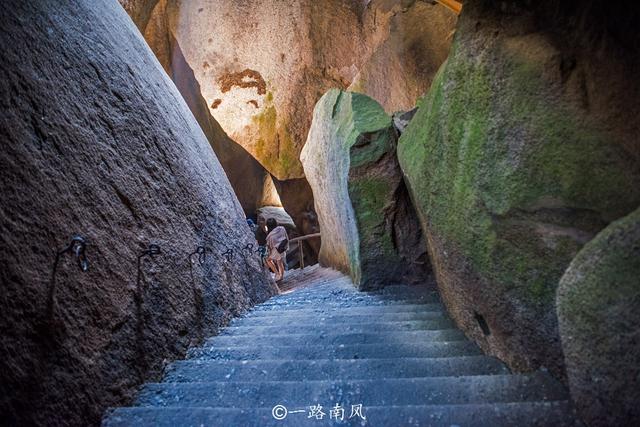
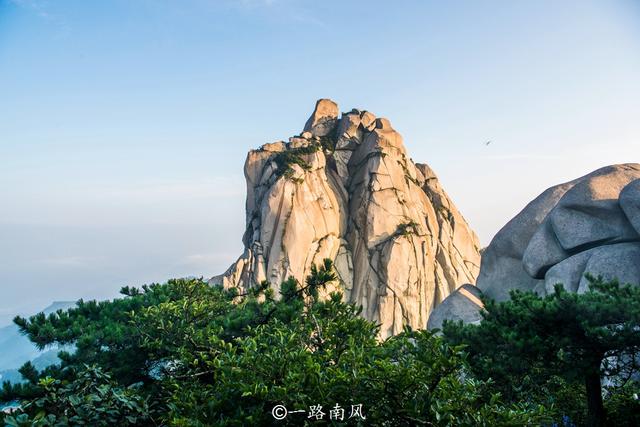
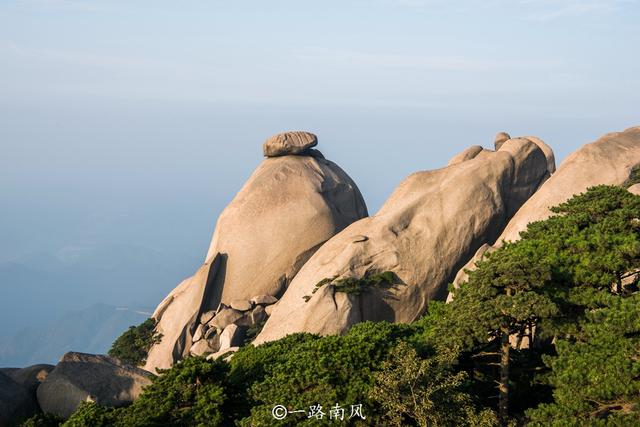
Tianzhushan Scenic Area is one of the Five Sacred Mountains, and it became the earliest South Mountain among them. It is a typical granite landform, with ancient pines, strange rocks, and peaks rising abruptly, captivating visitors. It has long been a favorite destination for literati and travelers.
Tianzhushan and Huangshan Scenic Area have a similar charm, but compared to Huangshan Scenic Area, it has far fewer tourists.
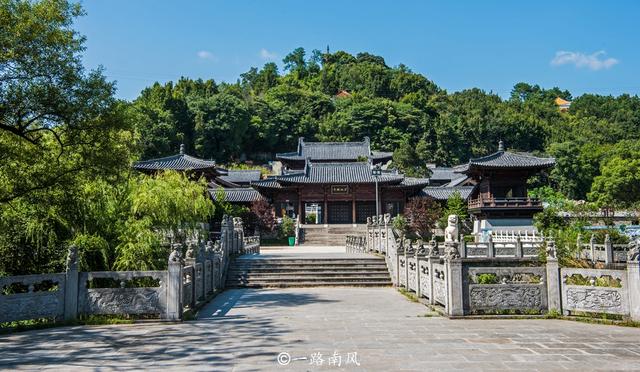
Anqing's Sanzhetiansan Temple originated during the reign of Southern Dynastic Liang Emperor Wu, and has a history of over a thousand years. The number of tourists visiting this temple is even fewer than that of Tianzhushan Scenic Area.
Ancient temples are hidden deep in the mountains and forests, creating an atmosphere that is untouched by the mundane world.
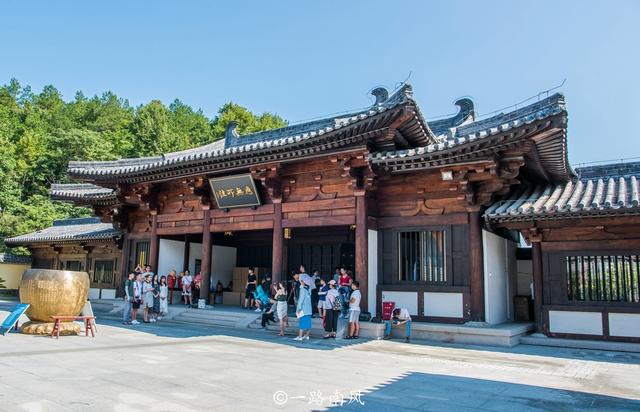
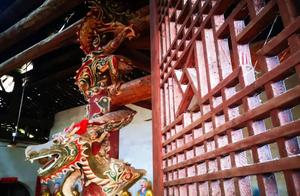
As early as in ancient times, Sanzhetiansan Temple was a favorite destination for literati and travelers, such as Wang Anshi, Su Dongpo and Huang Tingjian. The architecture of this ancient temple is grand and majestic, with colors dominated by brown and black.
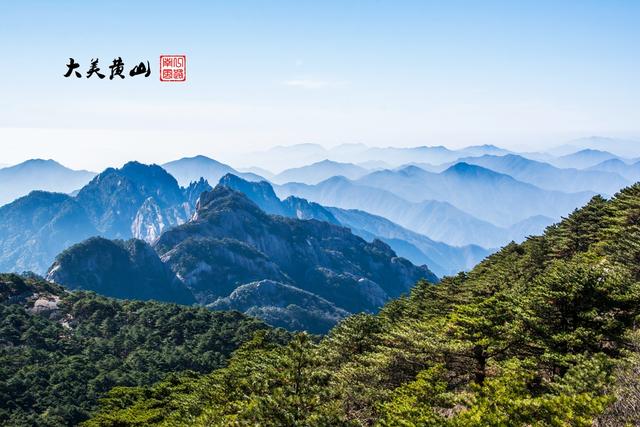
Huangshan Scenic Area has a great reputation in China and is rightfully the number one mountain in Anhui Province. Many tourists have a question: since Anqing and Huguo are used to name Anhui, where is Huguo?
The current Huangshan City's jurisdiction area belongs to the ancient Huguo, and when the city was established, it was to improve its recognition and overall competitiveness, so it used the name of Huangshan.
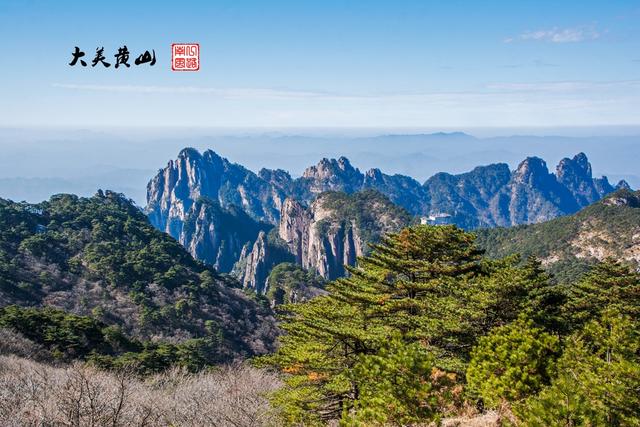
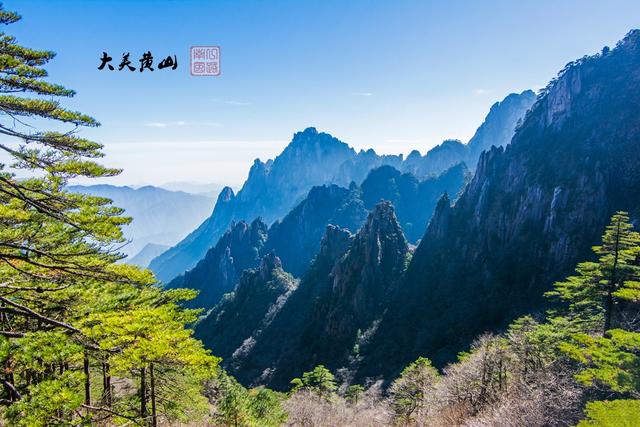
I've visited Anhui many times and have been deeply impressed by Huangshan Scenic Area. The cloud formations and weather conditions of this famous mountain are different every day, presenting completely different scenery.
Huangshan Scenic Area is a World Cultural and Natural Heritage site, with the three main peaks of Lianhua Peak, Guangmingding and Tiandou Peak collectively known as the 'Three Major Peaks'. Climbing to a high vantage point, you can see vast clouds and misty mountains, creating a breathtaking panorama.
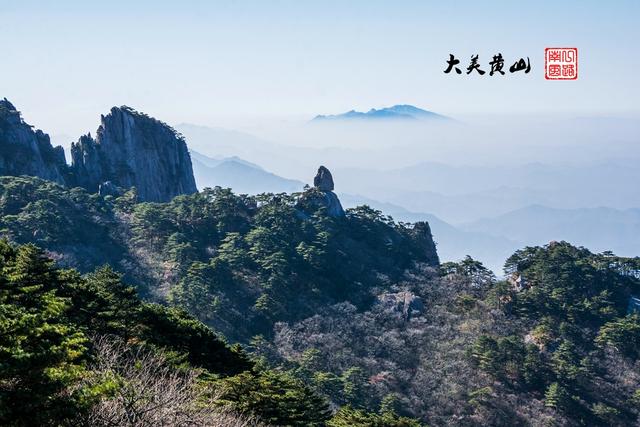
Many famous travel writers and literary figures in ancient times, such as Xu Xiake, loved Huangshan the most and had the greatest influence. The saying 'After returning from Huangshan, you won't look at the Yellow Mountains' originates from his writings.