Little-Known Tourism Spots in Yunnan: The Most Populated County of the Pngu People
The cultures of China's minority ethnic groups are worth exploring. When traveling, we often visit minority tribal settlements to learn about their lifestyles, customs, and historical background. There are 55 minority ethnic groups in China, with 25 of them in Yunnan Province, so Yunnan has become the province with the most minority ethnic groups.
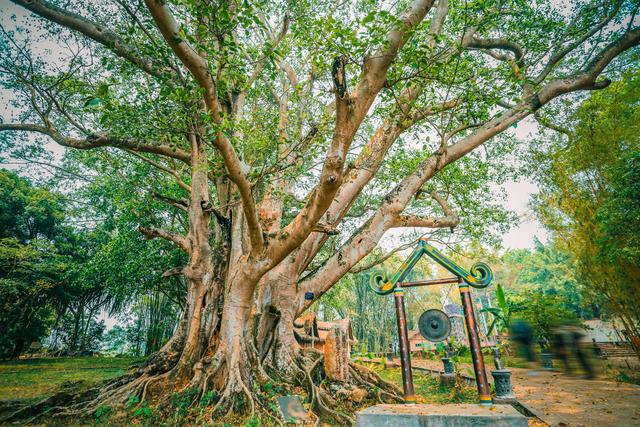
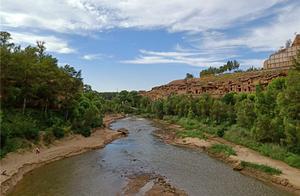
When traveling to Yunnan, we most often visit Lijiang, Dali and Kunming. In Lijiang, we can see the Naxi people and the Yi people; in Dali, we can see the Bai people and the Aba people; and in Kunming, we can see the Han people, the Dongba people, etc. Yunnan's ethnic distribution is characterized by large-scale and small-scale aggregation. There is also a place called Longchuan in Yunnan, which is the most concentrated county for the Pngu people. Compared to Kun Dali, Longchuan is much smaller, but it is indeed a little-known place where the Pngu people are abundant. Longchuan is located on the southwestern edge of China, connected to Myanmar by mountains and crisscrossing paths. Longchuan is also called 'Wan' in the Dai language, meaning 'place of sunshine.' Just the meaning of the name makes it feel like a place with a pleasant climate and beautiful scenery.
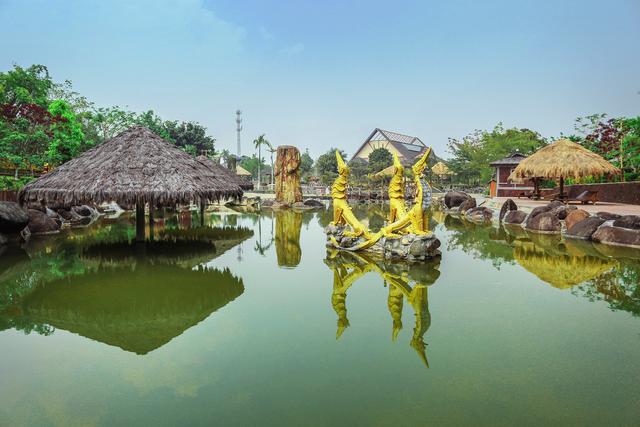
Longchuan is a small county, and its total population is only 180,000, but it is the most concentrated county for the Pngu people. Longchuan is not only inhabited by Pngu people, but also includes the Dai people, Aba people, Lisu people, Dong people and Hui people. The population of the Pngu people is particularly abundant. Many people may not know about the Pngu people, or even haven't heard of them. The current population of the Pngu people is only 147,000, which is a small percentage of China's 1.4 billion population. That's why I didn't know about it before, and it's perfectly normal.
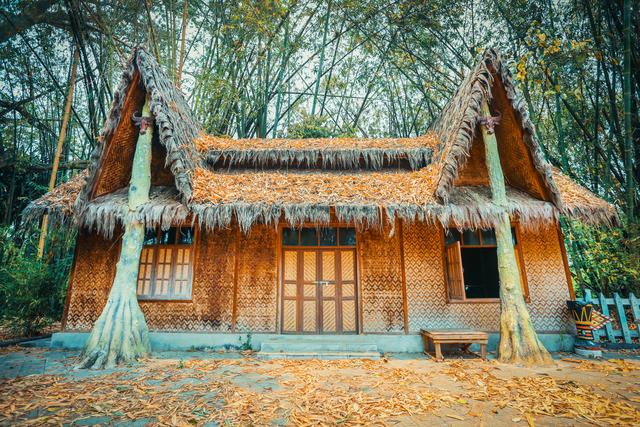
The origins of the Pngu people are related to the ancient people on the Tibetan Plateau. Now they are mainly concentrated in the mountainous areas of the Pngu Autonomous County of Yunnan Province, with some living in the Lisu Autonomous County of Nujiang and, and a large portion of the Burmese branch is also located within China. The earliest Pngu people lived in the mountains and forests, wielding bows and arrows and engaging in hunting. Now the Pngu people are a people who make a living through agriculture. One of China's national-level intangible cultural heritage projects is from the Pngu people, namely 'Me-na-zong-ge.' In Longchuan County, Yunnan Province, the Pngu people's concentrated area, the 'Me-na-zong-ge' festival is held around the fifteenth day of the first month, and every village and every town holds 'Me-na-zong-ge.'
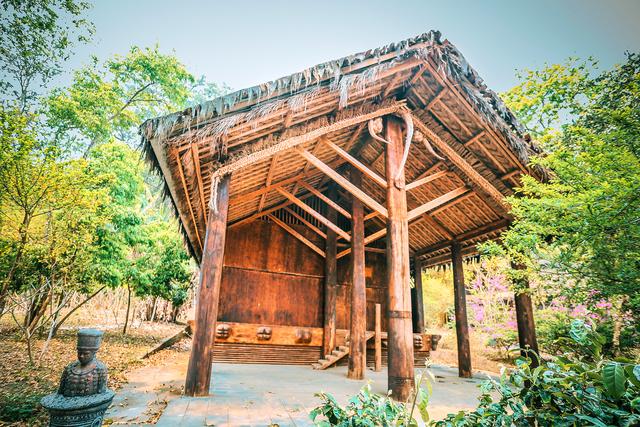
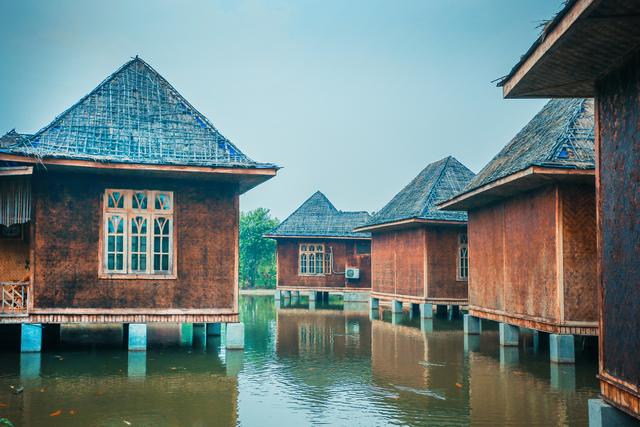
'Me-na-zong-ge' is also known as 'Zong-ge,' which means 'gathering and dancing.' 'Me-na' is the Pngu language, and 'Zong-ge' is the direct translation from the Burmese language, meaning 'everyone comes to dance.' The 'Me-na-zong-ge' festival is the most grand traditional festival of the Pngu people, with tens of thousands of people dancing to the same drumbeat, with a grand scale and strong impact, it is a national ethnic carnival in western China, with the names 'Heavenly Dance' and 'Ten Thousand People Dance.' The traditional Pngu people's dwellings are mostly made of bamboo and wood, with rectangular houses on two floors. The lower floor is 1 to 2 meters above the ground, used for storing firewood, tools and raising pigs and chickens. The upper floor is for living, divided into several rooms with bamboo partitions, each with a hearth.
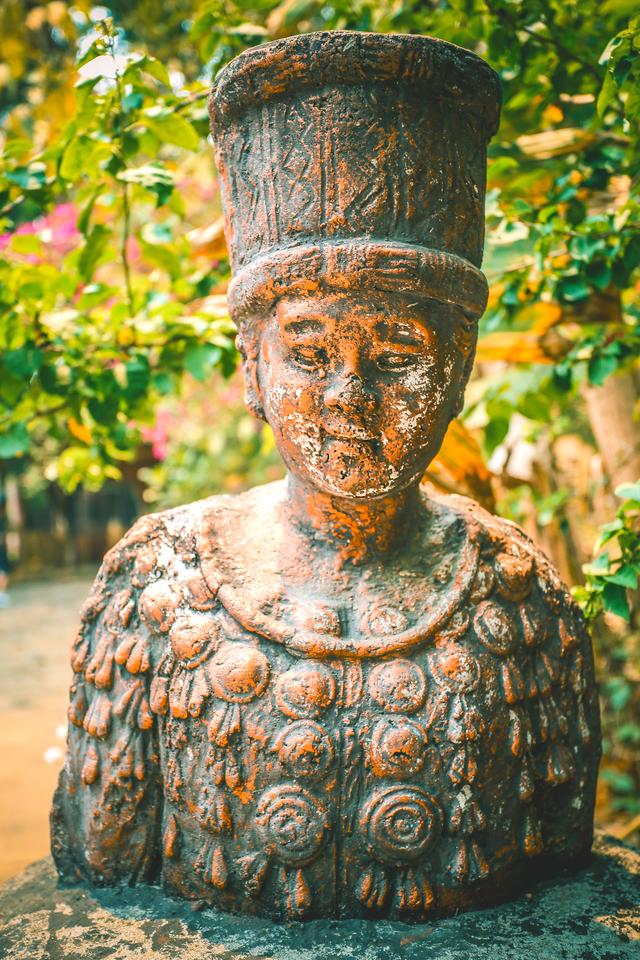
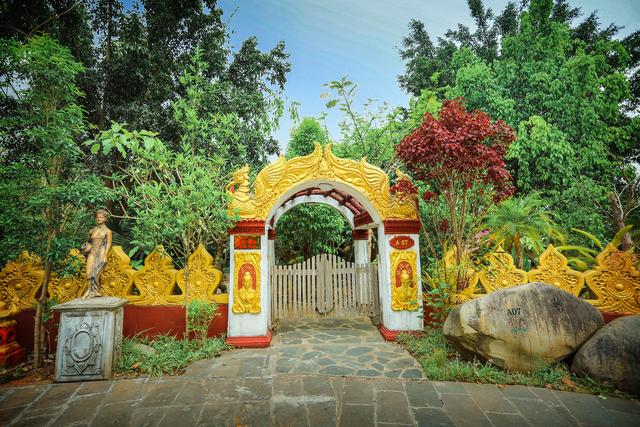
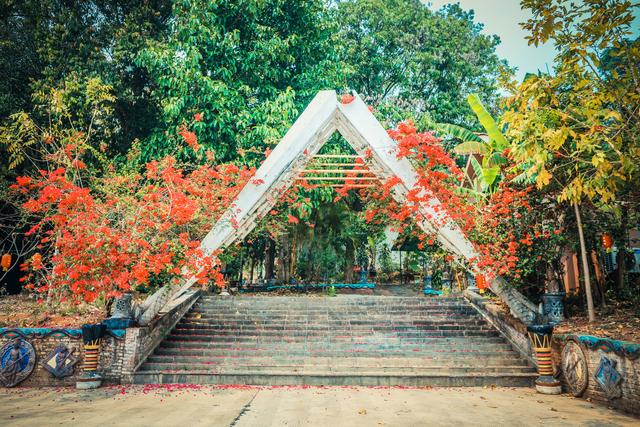
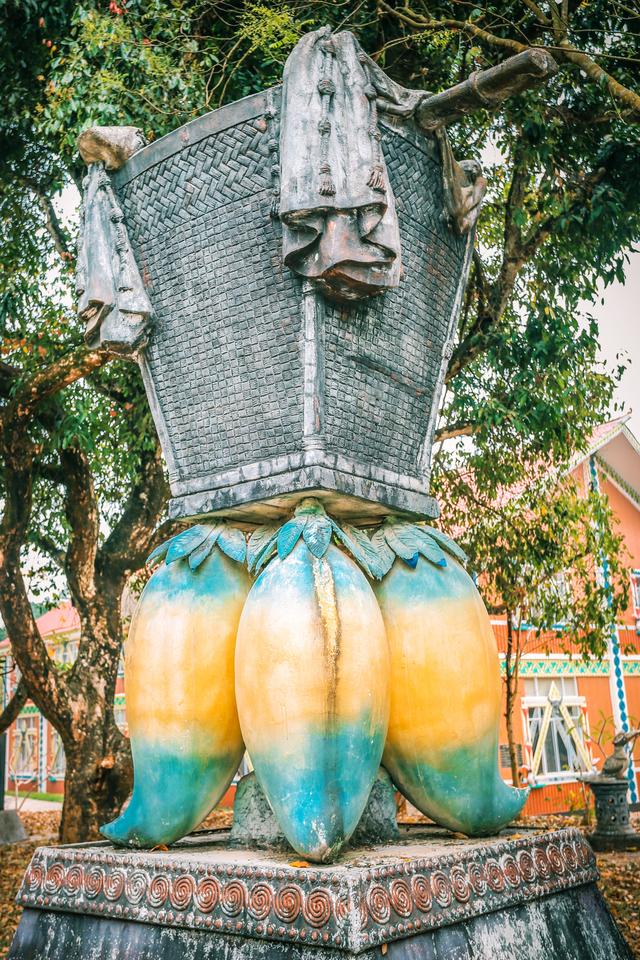
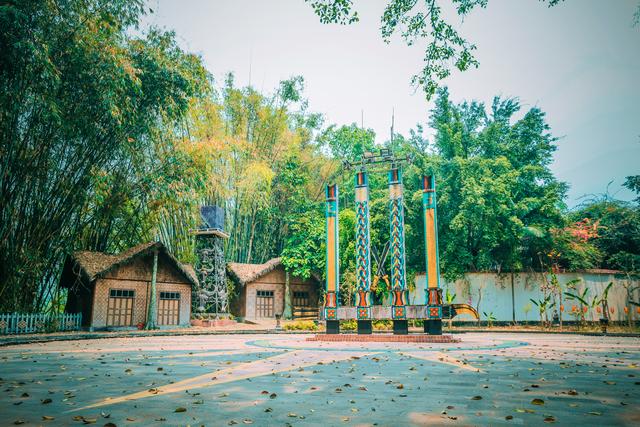
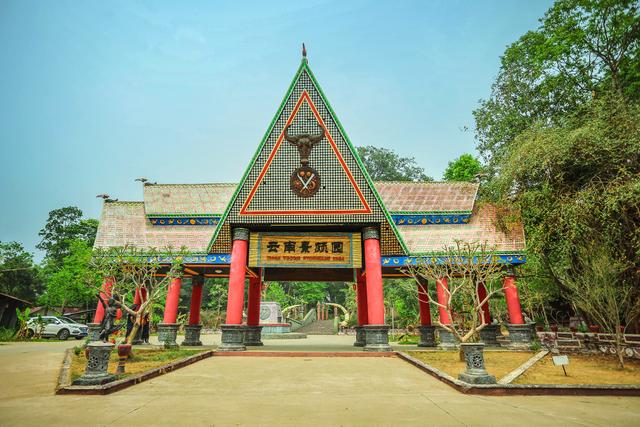
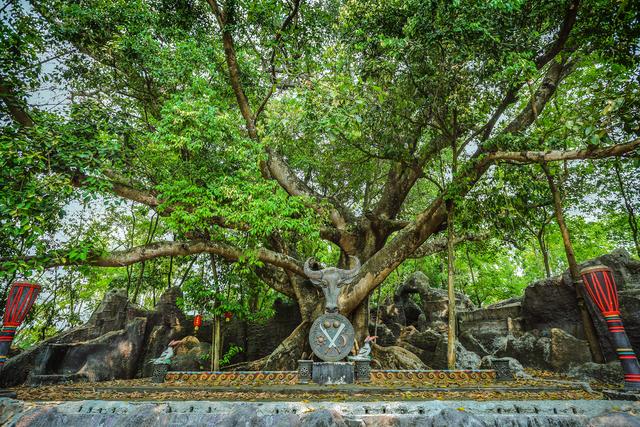
Since we've come to the most concentrated county of the Pngu people in Longchuan, we should go to the Longchuan Pngu Garden Scenic Area to learn about the Pngu people. It's a good place to learn about the Pngu people and a window to enter the Pngu people's culture. The Longchuan Pngu Garden Scenic Area is located in Changfeng Town, Guangshan Village, Longchuan County, not far from the county center, only 2 kilometers away. The Longchuan Pngu Garden Scenic Area focuses on experiencing Pngu culture and experiencing Pngu life, integrating ethnic cultural display, folk activities, leisure and entertainment, specialty catering and tourist viewing.
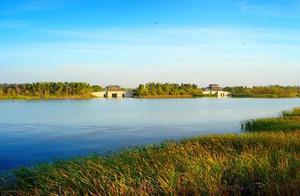
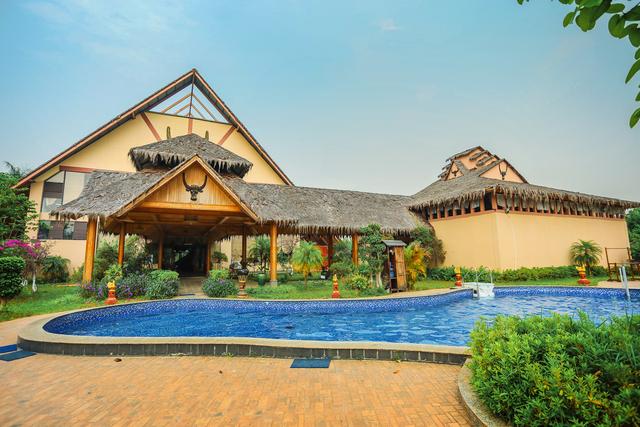
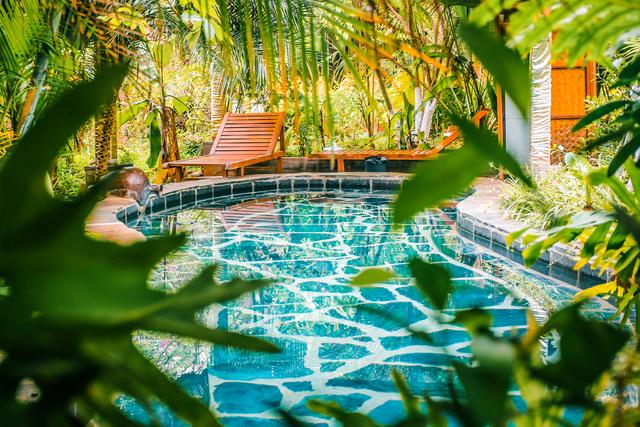
The Longchuan Pngu Garden is the most essential scenic spot in Longchuan, but tourists won't visit the Pngu Garden when they arrive in Longchuan, here is also a popular hot spring resort. The Longan Newma hot spring is a comprehensive resort integrating nature and culture. It is situated on the mountainside and by the water, with beautiful scenery. Its architecture combines local minority ethnic architecture with South Asian and Southeast Asian styles, satisfying many tourists who want to go to Myanmar and Thailand but don't have time or feel it's too far. The resort's hot spring and spa wellness center has Burmese camps, Thai camps, sandy beach pastoral hot spring villa area, pastoral hot spring outdoor bathing area and other diversified areas. Different levels of hot spring health projects meet the needs of tourists of all ages and preferences. The hotel rooms in the resort are also themed with Southeast Asian styles, such as Thailand and Myanmar, giving us a feeling of being in Thailand and Myanmar.
Honestly, I feel very emotional when I come to Longchuan, and I think the beautiful scenery of the motherland is really rich. If you want to appreciate the scenery of Southeast Asia, you don't have to go abroad. In the southwest corner of China, there is a beautiful county town waiting for us.
“”“”“”“”“”“”
12
2
SPA