Scenery of Various Movies and Variety Shows: The Village Built on a Waterfall, Super Beautiful! A Must-Visit in Life!
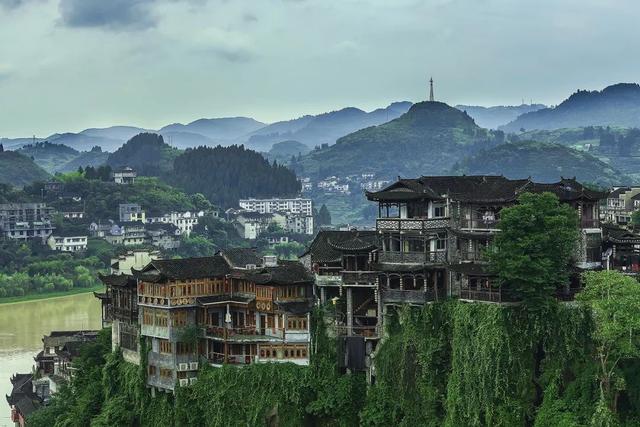
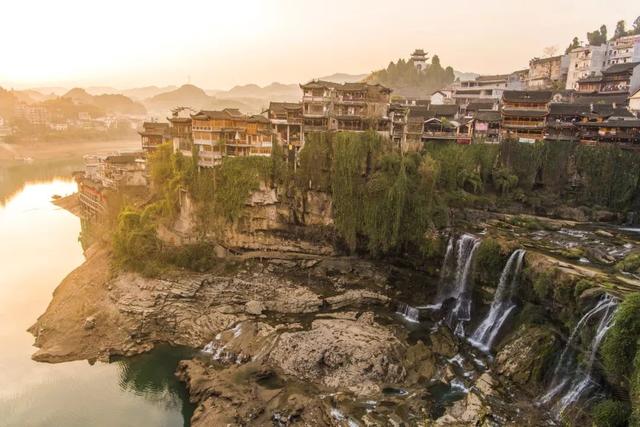
Wang Village, a village perched atop a waterfall, a thousand-year-old town renowned worldwide thanks to the film 'Hibiscus Town', a charming homeland that lingers in one's dreams.
Wang Village is the birthplace of the Tujia people. It was once the political, economic, and cultural center of the Tujia, the site of the ancient state of Xizhou.
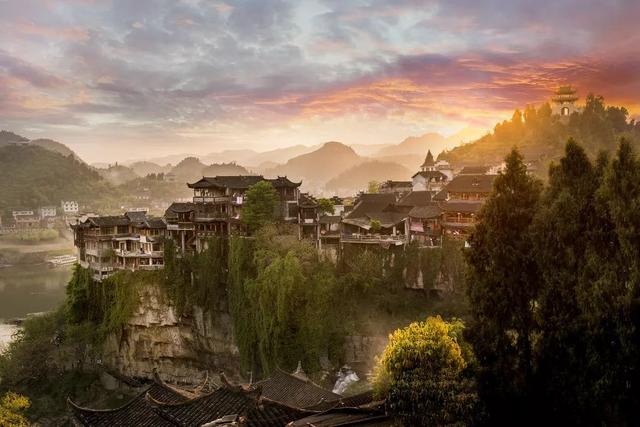
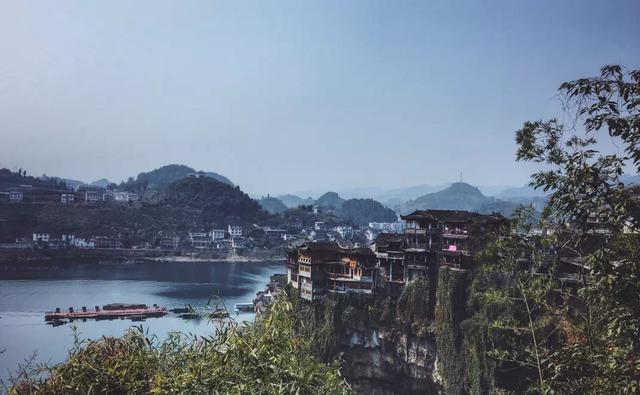
The famous ‘Battle of Xizhou’ took place here. Although it ended in defeat, it laid the foundation for over 800 years of Tujia chieftain rule in the Xiangxi region.
Wang Village served as an important gateway for travel to the southwest, earning it the name ‘Hibiscus Town’ – a vital link between Chu and Shu.
The town is quaint, elegant, and serene. It’s a destination that captivates, constantly presenting itself in different ways. It truly deserves to be one of the ‘Four Famous Towns’ of Xiangxi.
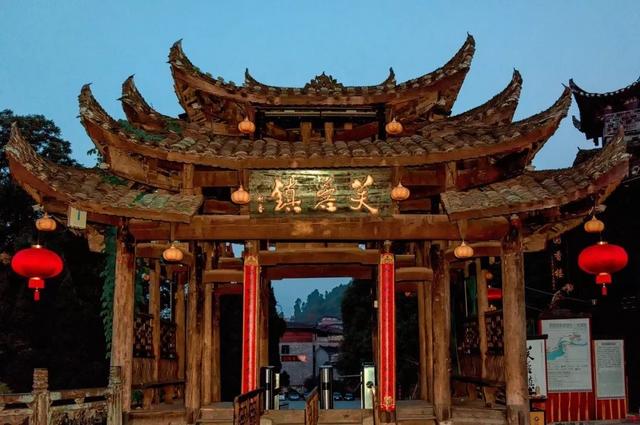
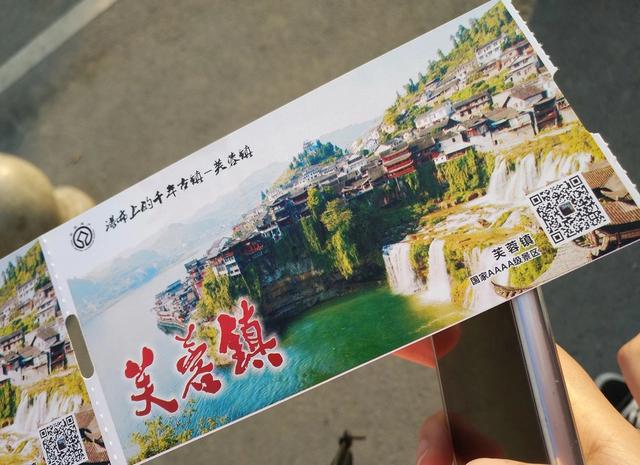
Today, Wang Village has been renamed ‘Hibiscus Town’.
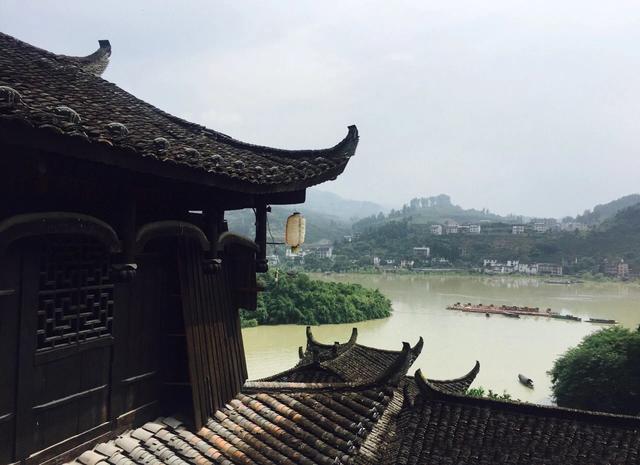
Along the River, Hibiscus Town boasts a collection of distinctive hanging houses, stacked one upon the other, creating a layered and harmonious landscape. Small grey tiles, flower-decorated balconies, suspended eaves, wooden handrails, and revolving corners are prevalent.
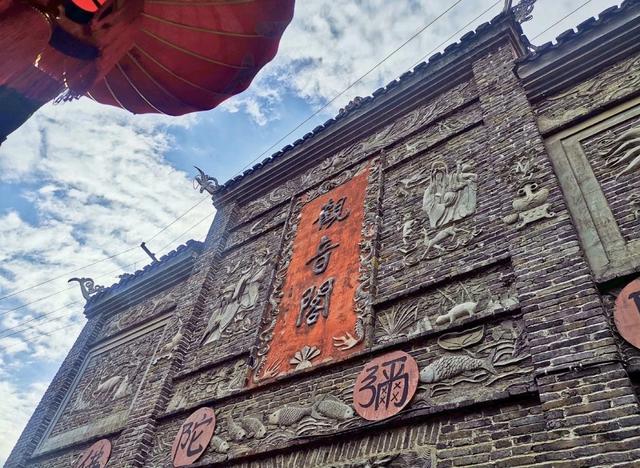
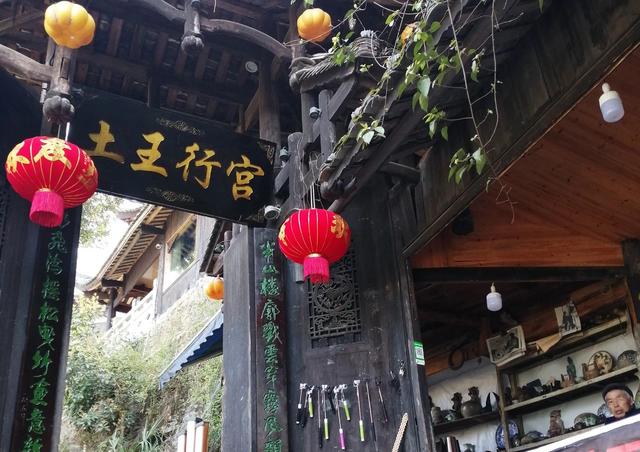
Carvings of dragons, phoenixes, animals, and mythical figures adorn the doors and windows, showcasing the exquisite craftsmanship and the deep historical and cultural legacy of the Tujia people.
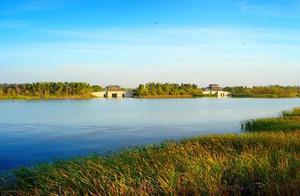
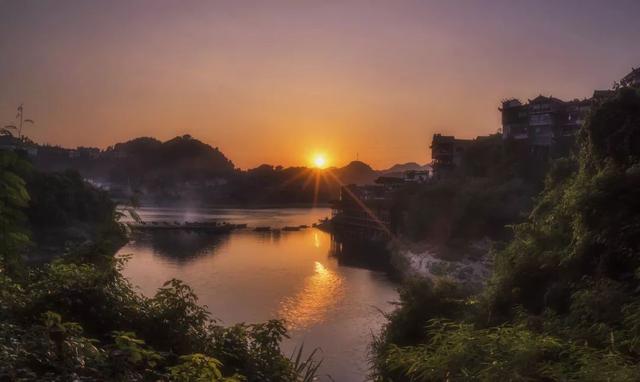
The River’s waters are sometimes rippling and calm, and sometimes shrouded in mist, reflecting the setting sun in a breathtaking display. Gently swaying reed boats float on the waters, hidden within the mist and bathed in the golden light, creating a dreamlike and ethereal effect, like a fairy tale.
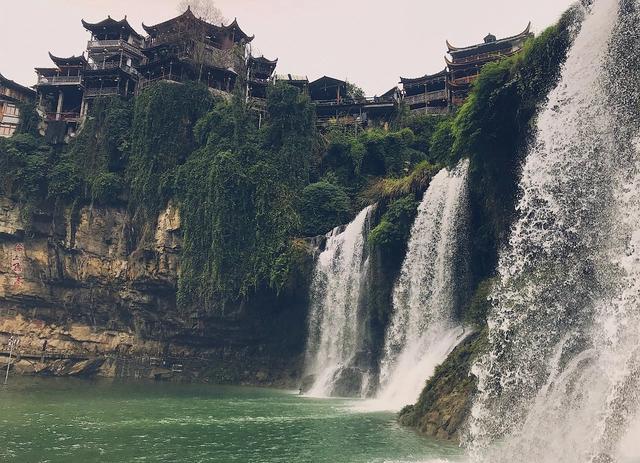
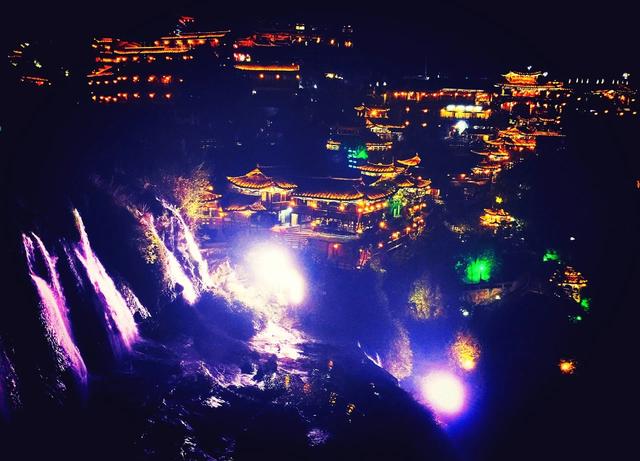
The variable formations of the Pengpan River’s waterfalls—sometimes roaring and torrential, sometimes delicate and translucent—are like a dragon soaring through the sky or silver hair flowing in the wind, like a string of pearls suspended in the air. They are truly magnificent.
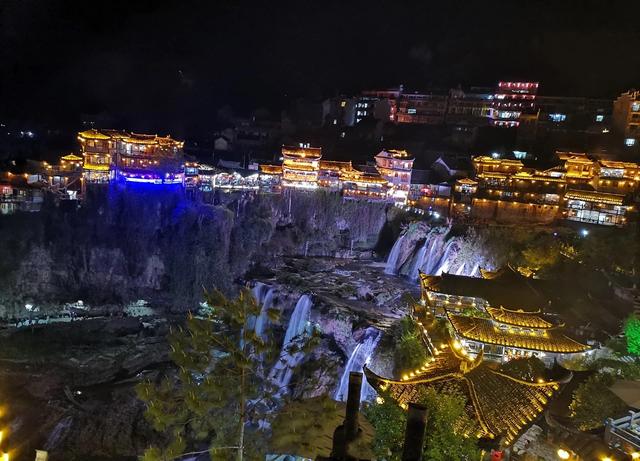
The Tujia King’s Palace on the waterfall’s edge, with its ornate eaves and towering structure, appears to defy gravity. Though time has passed, it retains a grand and imposing atmosphere, embodying the spirit of the Tujia kings.
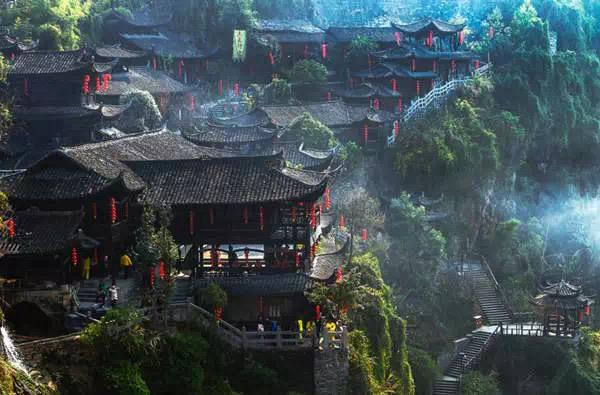
The waterfalls and the King’s Palace, along with the various hanging houses, are beautifully integrated, creating a harmonious and unforgettable scene.
At the confluence of the Pengpan River and the River, renowned literary giant Lu Xiaomin praised as the most beautiful wharf – River Wharf.
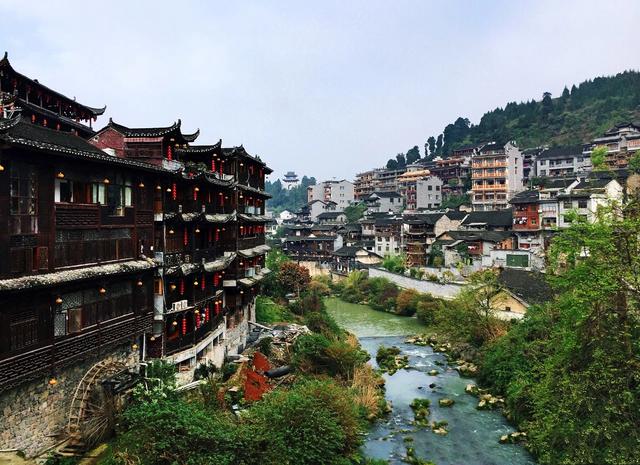
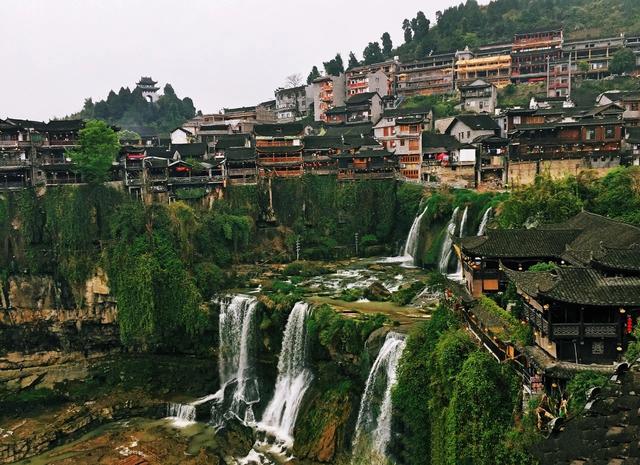
The wharf’s history is long, and the Tujia people have long used it to transport goods such as tea oil and tung oil produced in Wang Village to the outside world. From here, the Tujia chieftains launched expeditions, supported Jiang and Zhejiang, and achieved great victories.
Today, with the development of roads and railways, land transportation is convenient. The River, once navigated by bamboo rafts, is now a distant legend, preserved in the passage of time.
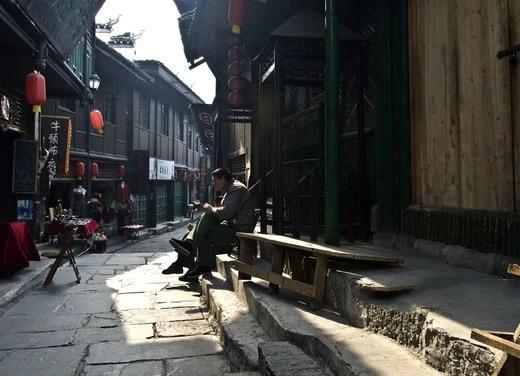
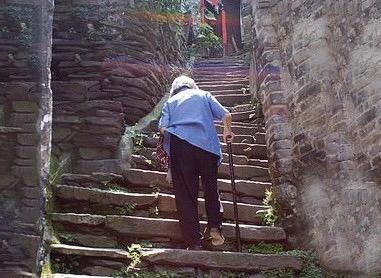
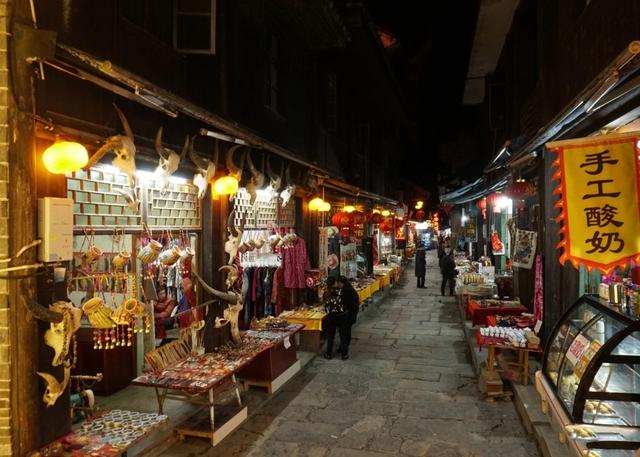
The wharf ascends along the curves of the street, a winding five-kilometer stone street. Through centuries of wear and tear, the stone slabs have become smooth and polished, reflecting light like mirrors.
The shops along the street sell local snacks, bamboo products, Tujia brocades, jewelry, and antiques, showcasing the rustic and elegant culture of the Tujia people.
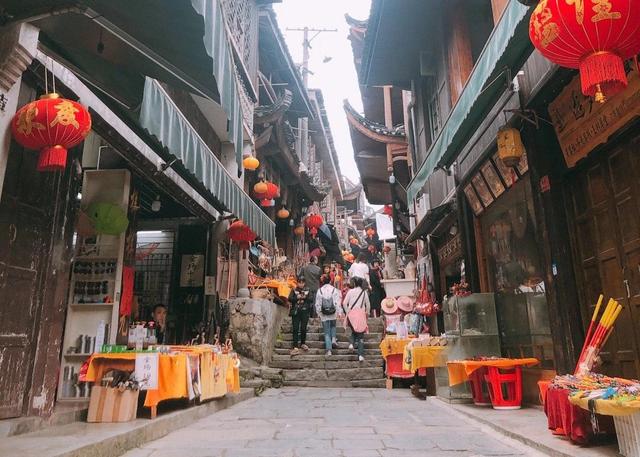
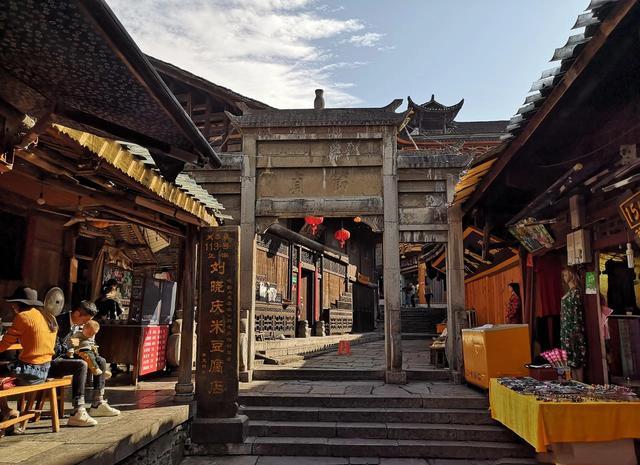
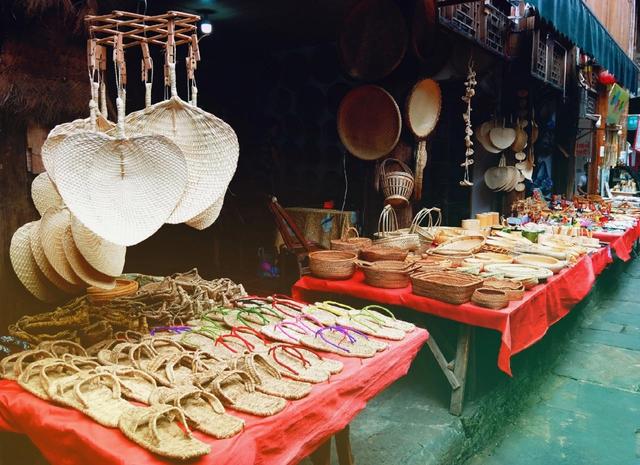
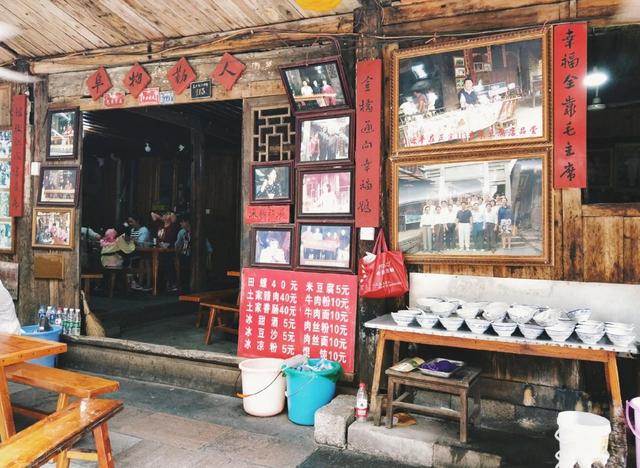
Walking along the street feels like a journey through a hidden time tunnel, with faint echoes of the past.
As night falls, the colorful lights and neon lights intertwine in the sky, creating a dazzling spectacle. Hibiscus Town is instantly enveloped in a sea of light.
The waterfalls, the King’s Palace, and the various hanging houses are illuminated by various landscape lights, creating a dynamic contrast of light and shadow, adding to the picturesque effect.
The town’s unique customs and traditions are mysterious and ancient. During festivals, the Tujia people hold grand celebrations at South Wing Square or the Tujia Hand-Waving Hall.
They hold banquets featuring ‘Bull Head Feast’ and ‘Rice Pudding Long Dragon Feast’, perform ‘Hand-Waving Dance’, ‘Gusheng Dance’, ‘Bell Ring Dance’, and ‘Stone Chair Dance – River Number’.These activities are a revival of the Tujia people’s production and life, and a way for the Tujia people to remember their ancestors’ hardships and achievements, and to inspire future generations to fulfill their patriotic duties and make contributions.
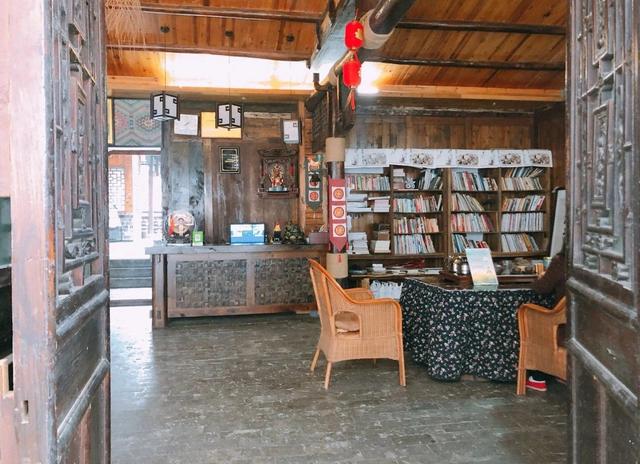
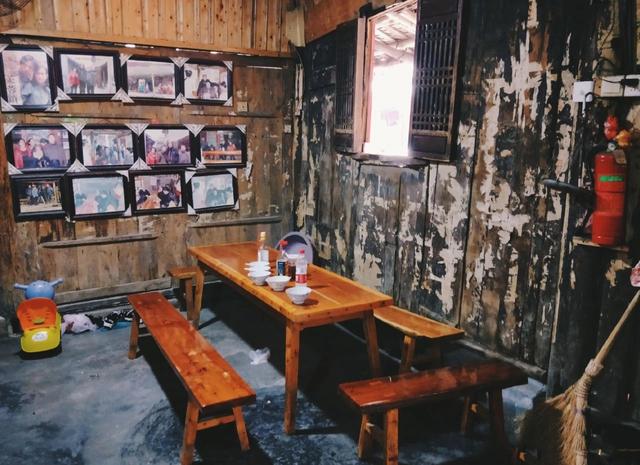
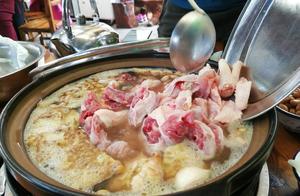
When visiting Wang Village, sample the local snacks. Find a restaurant on a hanging house or near the river with a scenic viewing balcony, relax in a small Tujia wooden chair, and order a bowl of famous Hibiscus Town rice pudding. Observe the scenery while savoring the taste.
Alternatively, relive the iconic scene from the film ‘Hibiscus Town’ where Lu Xiaomin played ‘Rice Pudding Xishi’ - Hu Yu Yin selling rice pudding, a sight that’s unique to this destination.
Today, ‘Hu Yu Yin’ can be found throughout the town, embodying her beautiful and moving image. When leaving the town, take home a piece of Tujia smoked meat, a bamboo jar of wine, or some oil cakes and steamed glutinous rice cakes. If you’re lucky enough to meet a Tujia mountain farmer selling mushroom oil, buy a jar to take home – a truly unforgettable and beloved gift for your friends and family.
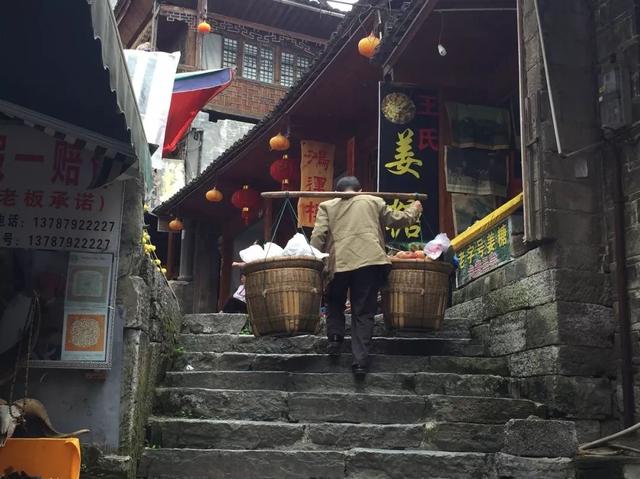
The five-kilometer stone street stretches along the town, with hanging houses and revolving corners. The waterfalls flow, and the Hibiscus flowers bloom, filling the city with fragrance. The ‘Stone Pillar Place’ – a place where battles ended and the dynasty disappeared. The dynasty has vanished, and the Tujia kings have faded into legend.