Historically, Yangzhou was Significantly Larger Than It Is Today, Including Jurisdiction Over Zhejiang, Fujian, and Guangdong
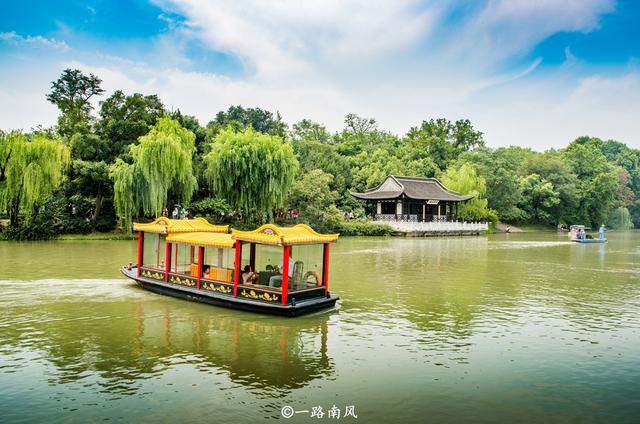
Yangzhou, a famous tourist city on the northern bank of the Yangtze River in Jiangsu Province, attracts many domestic and international tourists every year.
From the Sui and Tang dynasties to the Qing dynasty, the prosperity of Yangzhou was not inferior to that of Suzhou and Nanjing. Now, Yangzhou is a second-tier city with an area of 6591.21 square kilometers. Do you know that the ancient Yangzhou was much larger than it is now, and there are countless tourist attractions.
So, how big was ancient Yangzhou?
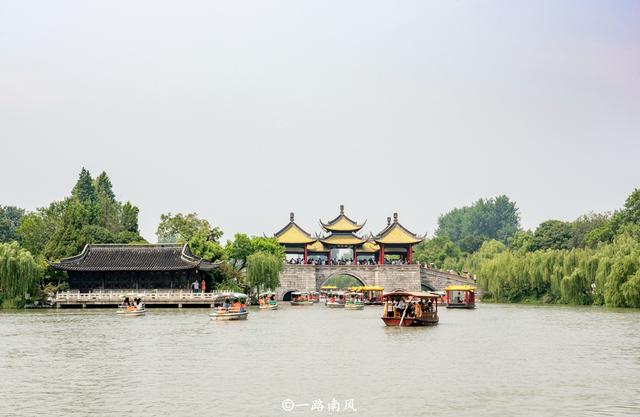
Ancient Yangzhou
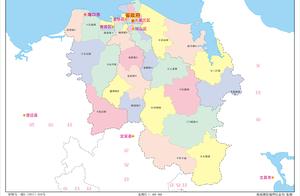
The present-day areas of the Southern Jiangsu region, Zhejiang Province, Fujian Province, Jiangxi Province, and Anhui Province, as well as most of Guangdong Province, were all under its jurisdiction. Yangzhou was one of the 'Jiuzhou' depicted in the 'Yu Gong' novel. Although its area has been constantly evolving, before the Qing dynasty, its area was extremely vast, and this is something many tourists are unaware of. According to ancient state boundaries, even with the most convenient transportation, it would take a year to visit all the attractions, and you could only see the highlights at a glance.
Among the many tourist attractions in Ancient Yangzhou, these places are particularly distinctive.
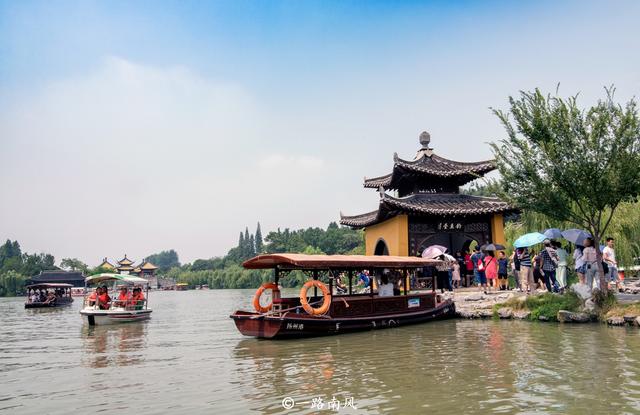
Scenery within Yangzhou City
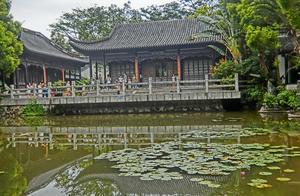
The Shuzhou Lake, located within the city of Yangzhou, is the most representative tourist attraction, with poets praising its scenery as early as the Sui and Tang dynasties. However, it was not truly formed until the Qing dynasty.
Although Shuzhou Lake is also called 'West Lake', it does not have vast waters. It is actually a classical garden tourism area composed of several intersecting rivers. The number of tourist attractions is denser than that of West Lake in Hangzhou. The more famous attractions include Wutong Bridge, Jingxiang Bookstore, Xiaojishan, Changdi and Twenty-Four Bridges.
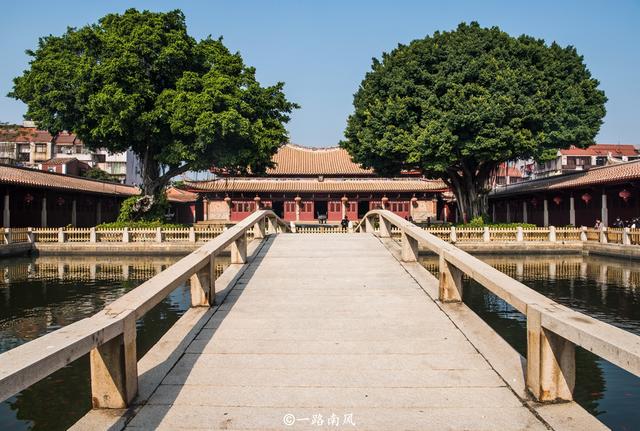
Scenery within Quanzhou City
Present-day Quanzhou, which belongs to Fujian Province, is also part of Ancient Yangzhou. This relatively low-key tourist city has a cultural foundation deeper than its neighbor, Xiamen, but its tourism popularity has always been overshadowed by Xiamen.
Quanzhou retains a large number of ancient buildings from the Tang to the Qing dynasties, many of which are now designated as cultural relics and are freely open to tourists.
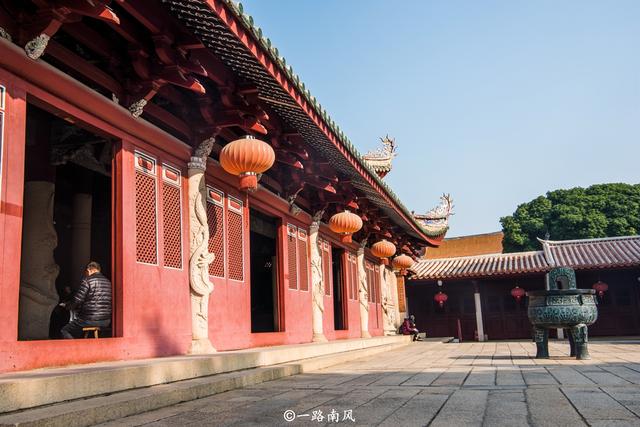
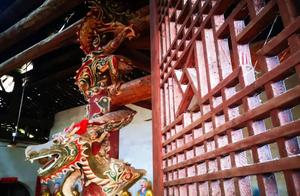
Futan Temple, located in Quanzhou's Kilin District, was established in the Tang Dynasty and the magnificent architectural complex was relocated here during the Northern Song Dynasty. It embodies the architectural style of temples from the Song to the Qing dynasties and integrates the characteristics of Fujian's Minnan region. The eaves are particularly exquisite, and visitors are constantly amazed.
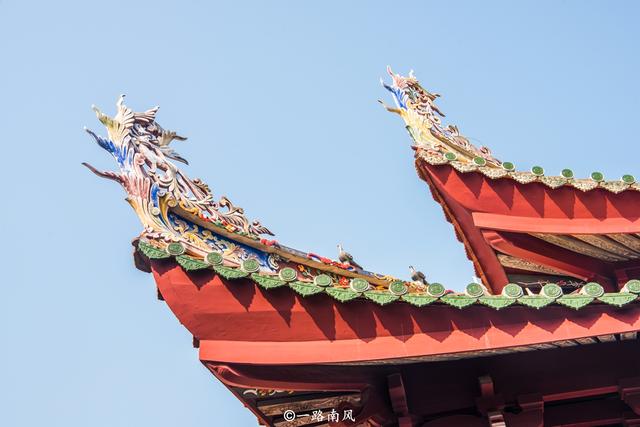
Futan Temple is the largest temple complex in southeast China, although it is freely open, not many tourists visit it, and its popularity is not as high as Xiamen's Mount Putuo or Quanzhou's Kaiyuan Temple.
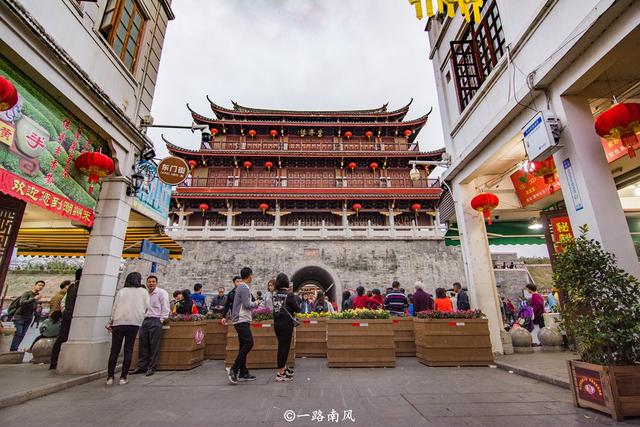
Scenery within Chizhou City
Presently, Chizhou, which belongs to Guangdong Province, is a third-tier city. It was an economic and cultural center of the Lingdong region as early as the Tang Dynasty. It is one of the few ancient cities in China where tourists visit relatively few, and it retains the most complete ancient city.
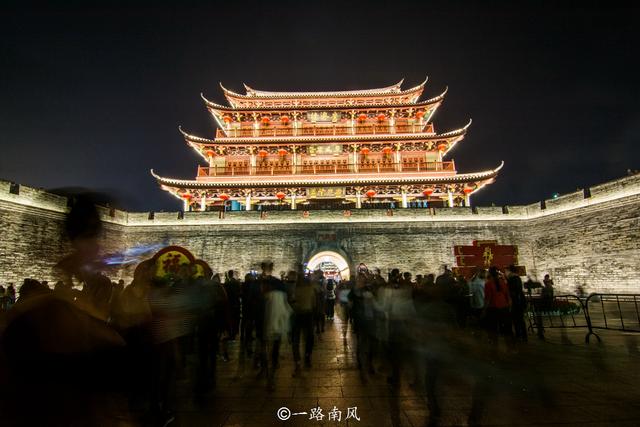
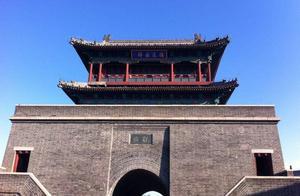
Chizhou has numerous tourist attractions. The city walls and Guangji Bridge are worth visiting. Guangji Gate, facing Guangji Bridge, is majestic and a little like the main buildings of the Forbidden City in Beijing. This classical building was built in the Ming Dynasty, and its palace-style three-tiered roof is particularly beautiful at night. More tourists visit it at night than during the day.
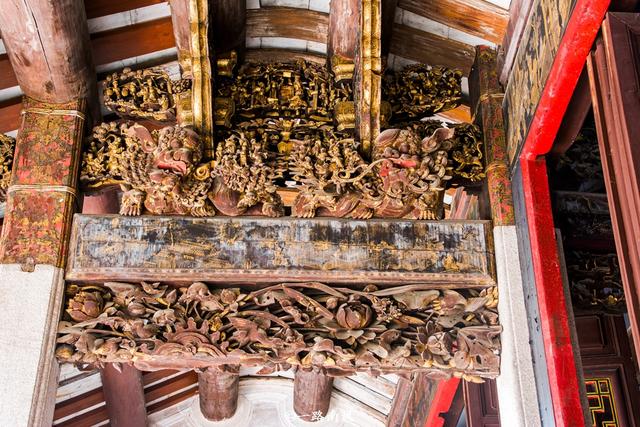
Yile Qing Gongci is located on Yisan Road, Xiyang District, Chizhou, which is slightly remote and difficult to find. It is one of the most distinctive mansions in Guangdong, comparable to Guangzhou's Chen Family Mansion. The stone carvings and wood carvings here are particularly exquisite, and the glazed decorations on the roof are also very exquisite.
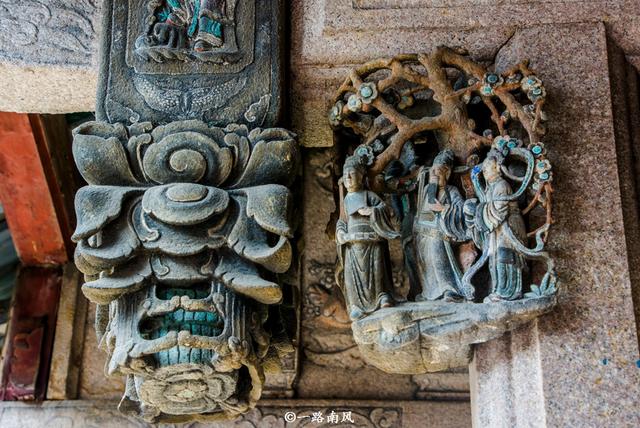
The carvings in Yile Qing Gongci are extremely complex, with many hollowed-out parts. Over a hundred years ago, the carving masters presented complex content in a narrow space without repetition, and the details of figures, flowers, insects, and fish were lifelike, which was admirable.