Old Street Houses of Quanzhou, with a History of Over 100 Years; Internet Users: Truly Charming!
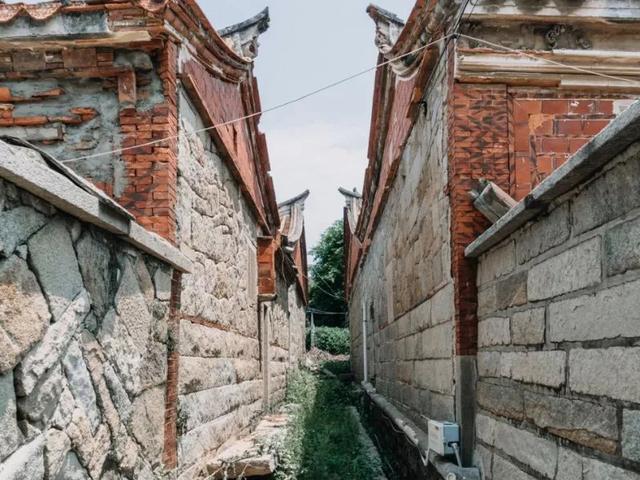
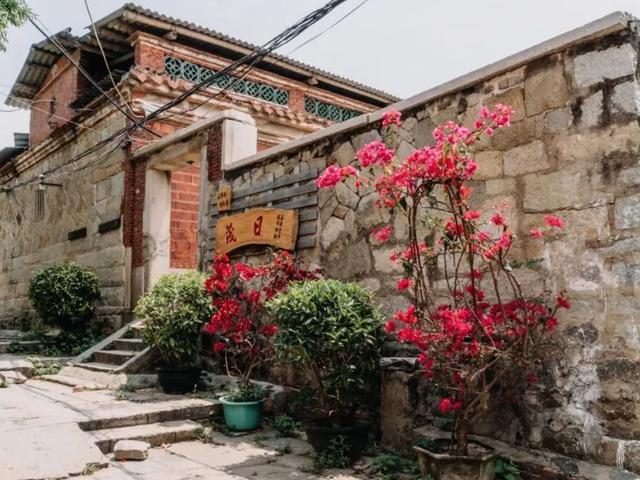
This time we came to Quanzhou to visit the old street and old houses, in (Min Nan language), '' (cuò) means 'house'. Exploring the back alleys and narrow streets, you'll find that many ancient houses on the east street. There are so many that it's impossible to count them; they are like precious historical artifacts, waiting for you to unlock their secrets.
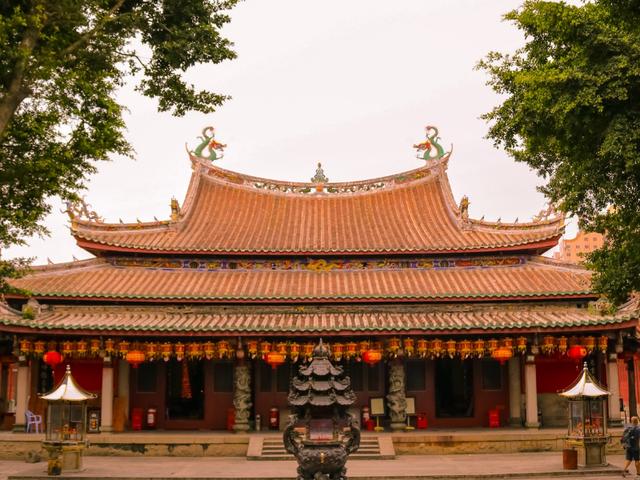
It's different from the unified color and style of northern houses, and it can also reflect the human spirit of Quanzhou. Why is this the case? (Min Nan folk architecture) decoration is extremely detailed and meticulous, with a very unique style. The colors are also all vibrant, with flowers and green hues. I, who always love eaves, was very happy to take pictures of the eaves in (Min Nan). The main ridge of (Min Nan) houses is often a horse saddle ridge or a swallow tail ridge. The swallow tail ridge, with its two segments rising gracefully and proudly, is particularly striking. This flying eaves represents the (Min Nan) people's rebellious and adventurous attitude.
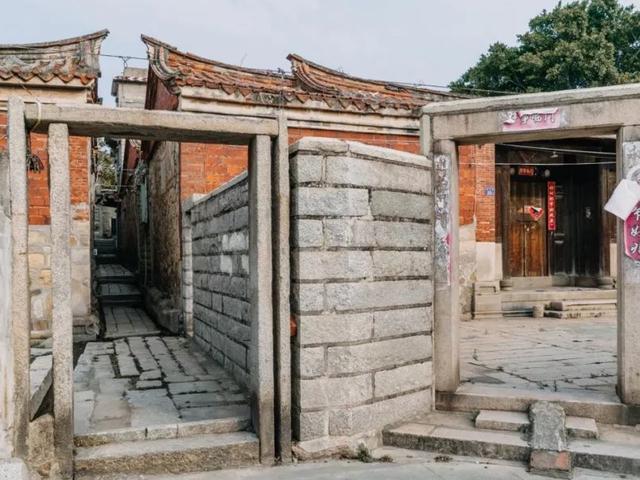
Let's first come to the street on the right of Nantun Road, where we'll see Lin Zimei's residence. Lin's wife, Wang Yewan, repaired the old houses 26 times over 35 years. In order not to regret it, she had such great perseverance. The Lin family generously donated their family heirloom, the Western Zhou copper '' ( –), and donated more than ten properties in the city to the country without charge. More of the seemingly inconspicuous old houses in the alleyways are the core; by going deep into them, you can feel the craftsmanship of the past, the owner's care, and the goodwill of the neighbors.
Let's talk about the ancient bridge, Luoyang Bridge. The local residents, in order to commemorate Cai Xiang's contributions to the prosperity of Quanzhou during his tenure, spontaneously built a shrine. We came to the south of the bridge, where buildings with strong (Min Nan) characteristics extended to the end of the sight, leading directly to Luoyang Bridge, connected with Cai Xiang's shrine. Here there is a volunteer service station, with functions of consultation, basic rescue, leisure tea room, bookstore, and convenience services. It's like scenery that is just added to it, adding a modern style. In the future, it will certainly be very beautiful. We specially went to pick up a cup of free tea, the taste is slightly bitter, said to be a common local tea.
(Min Nan) is free, and there's even free tea. Before we started, there were many bustling crowds and actors, all familiar faces; it was a pleasure to talk directly. The art passed down through generations has no personal experience to see, and you will never understand its unparalleled beauty. The stage is open, and people will always sit down. It often reminds me of the saying '' (one ray of light), but now I can't find a better way to describe it. Understanding people who work with non-material cultural heritage isn't common, but everyone who does this job is like being possessed – it shines because it's a source of light in the world.