Nanyang, Four Famous Towns of the Grand Canal: A Unique Experience in China (Kangxi and Qianlong Emperors' Scenic Stops)
Many people in the ancient town mistakenly believe that it is already a part of the Jiangnan region, along with well-known and beloved places like Zhouzhou, Shaoxing, and Yangzhou. It paints a picture of poetic and idyllic life in the Jiangnan region – small bridges, flowing water, and homes. Such scenes are rare in the north. Nanyang Ancient Town was influenced by the Grand Canal and has some Jiangnan characteristics. It is regarded as a 'pearl' on the Grand Canal.
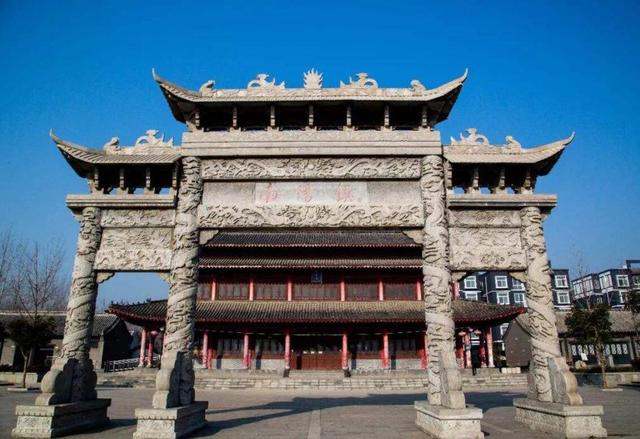
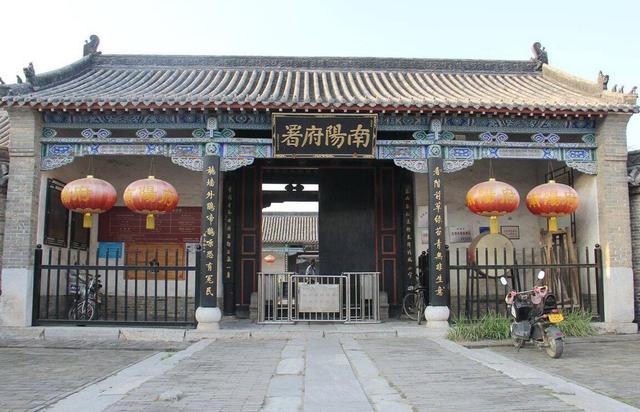
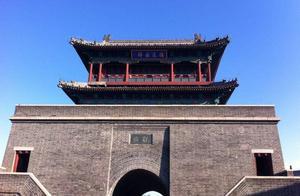
Wushan Town, Nanyang County, is a historic small town on the banks of the Grand Canal. During the reigns of Emperors Kangxi and Qianlong, they stopped here to appreciate the scenery. More than 30 historical sites, including the emperors' resting places and imperial kitchens, still retain their original features.
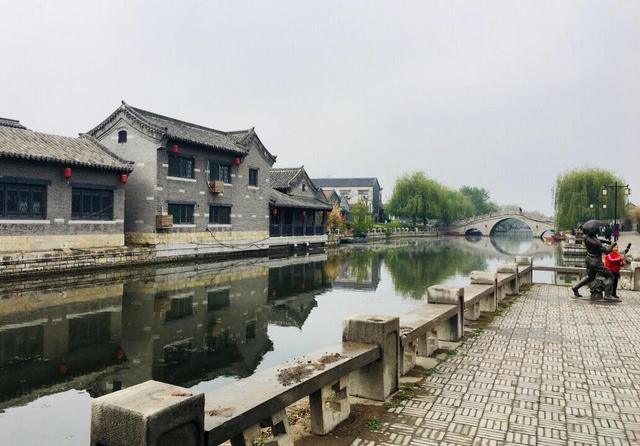
Nanyang Town became a hub for trading goods between the north and the south. This led to its rapid prosperity. Due to frequent personnel exchanges and numerous boats mooring nightly, rest stops – inns – were established.
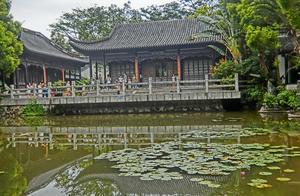
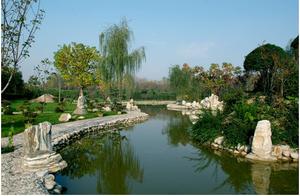
Nanyang Island is surrounded by water, and now visitors to Nanyang Island must take boats to reach it. Sailing on the lake, the waters stretch endlessly. In spring, reeds sprout, and the spring breeze turns them green; in summer, lotus flowers bloom everywhere, refreshing the senses; in autumn, thousands of geese fly overhead, and ( - reed flowers) rustle in the wind; in winter, withered lotus flowers fight with the snow, covering the lake in a layer of jade.
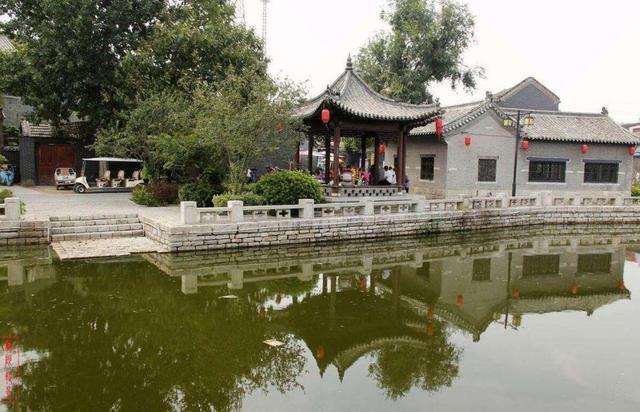
Cargo boats constantly shuttle along the waterway, creating waves that crash against the shore. Lush green trees and abundant vegetation line both banks. There are many river bays and waterways, as well as shaded platforms – Zhuangtai.
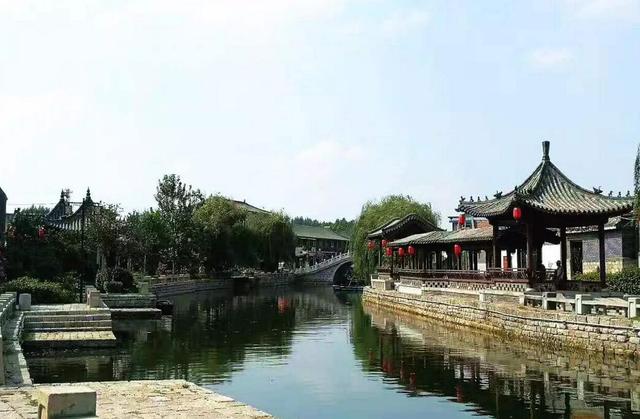
The Grand Canal still fulfills its shipping function today, with its streets paved with blue bricks, and houses with gray tiles arranged harmoniously alongside the waterways. Round arch stone bridges span the canal, with the sound of oars echoing beneath them, and throngs of tourists on the bridges, creating a picturesque 'small bridge, flowing water, and homes' scene.
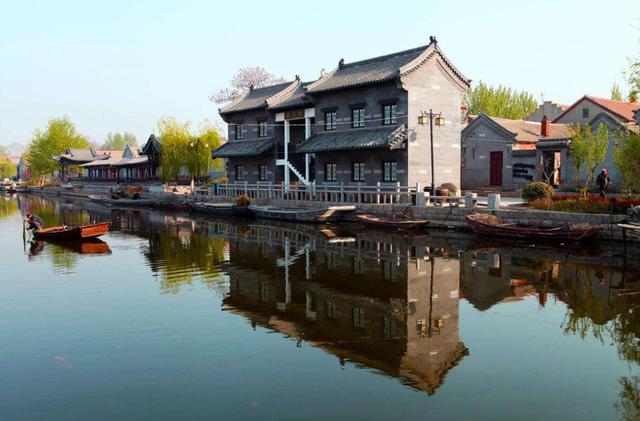
Nanyang Town has a very long history, and it was not originally an island. Nanyang's prosperity began during the Yuan Dynasty, when the Grand Canal became a crucial north-south trade route. During the Ming and Qing dynasties, northern grain was transported via the canal, and north-south trade flourished, with Nanyang Ancient Town once rivaling Yangzhou and Zhenjiang as a commercial center. In the Qing Dynasty, to accommodate larger ships, many locks were built in the canal, raising the water level and transforming Nanyang Town into an island.
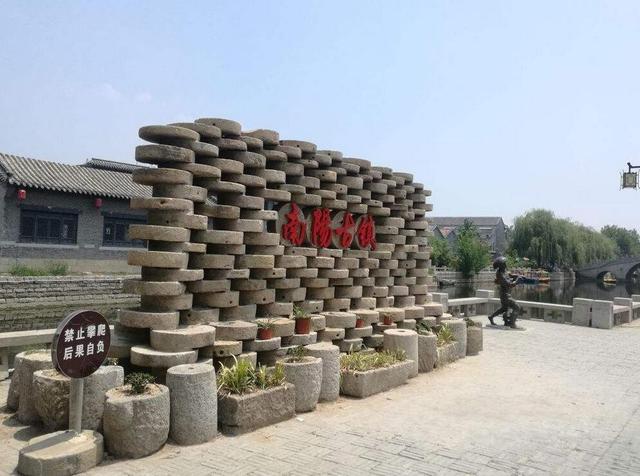
The ancient blue brick streets, narrow commercial streets, orthodox mosques, and well-preserved Qing Dynasty money changers, alongside the Grand Canal, with weeping willows, a quiet charm. Spending time in the town, you could feel the time and the memories of the town.
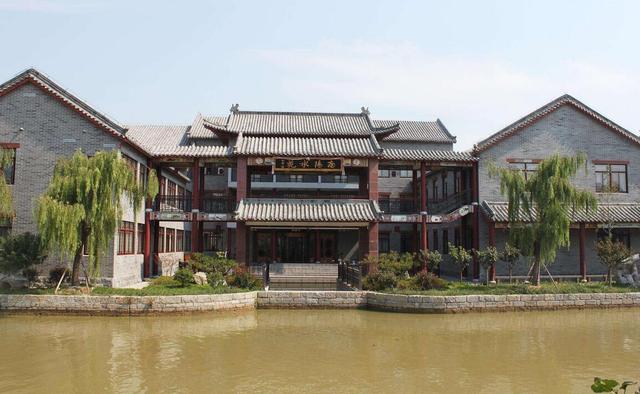
A street, another alley, black wooden doors and signs, everywhere exudes a sense of ancient charm. Here, there are no dazzling neon lights, only old houses silently conveying the memories of time-stained bricks and tiles, a brick and a tile filled with the atmosphere of ancient ruins.
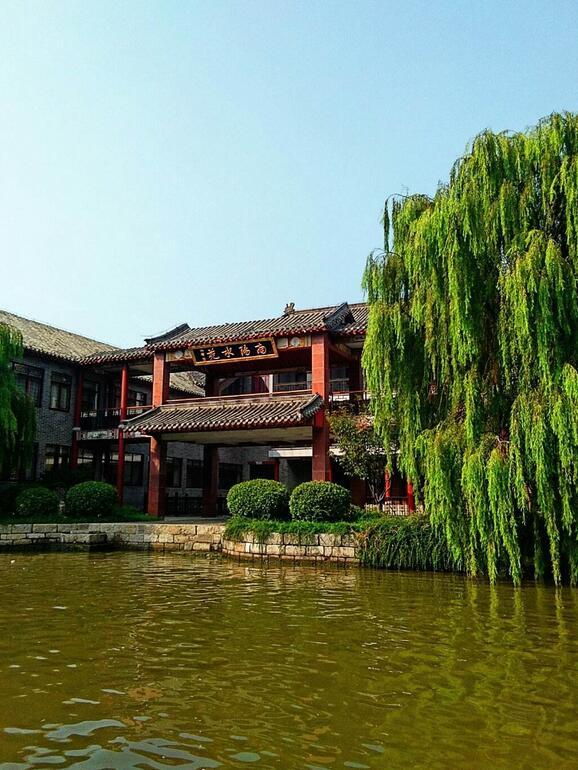
It possesses vast Nanyang Lake and clear waterways, rustic local customs, and residences arranged in a harmonious way along the Grand Canal, with boats serving as transportation, thousands of hectares of lotus flowers and blue skies, clear water, wild ducks, and reeds, creating a perfect water park for vacations and relaxation.