One of the Five Great Rivers of the Beijing Haihe River System: Beijing’s ‘Mother River’, a Vibrant and Tranquil Flow
It is said that human history is the cumulative footprint of continuous migration along rivers. Rivers bring us the transmission of cultural heritage through fire. When we approach a river, we step into a profoundly deep history. The Nile River carries the glorious years of Egyptian civilization, and the Yangtze and Yellow Rivers nurtured five thousand years of Chinese civilization. Whether majestic or a gentle trickle, every city has its own 'Mother River', flowing with everyone's most beautiful memories.
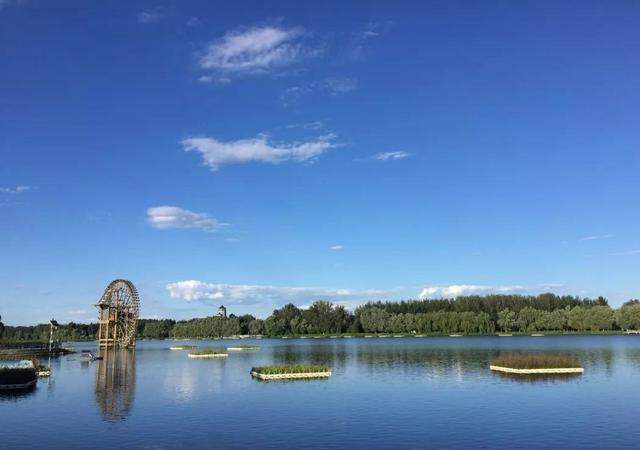
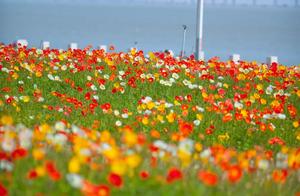
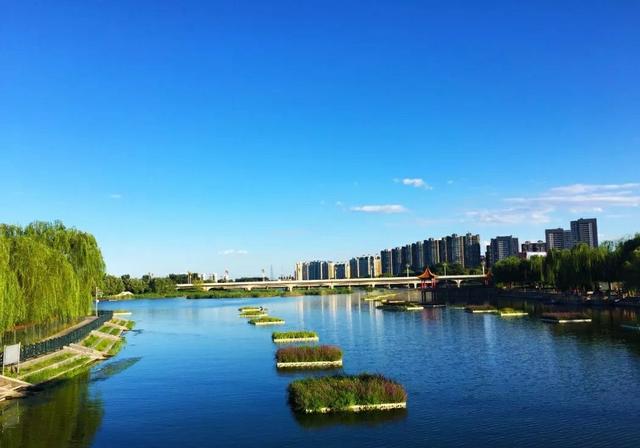
In Beijing, there is a Rhine-like river that exists beautifully – that is the Chibahe River. The Chibahe River's riverbanks are covered with approximately 50,000 acres of plains forest, with a forest coverage rate of 32%, and air quality remains consistently at national secondary standards above. Following the Chibahe River's waterway, passing through buildings with vastly different styles, and feeling the city's picturesque and dreamlike scenery sculpted by time, and experiencing the quiet and elegant tranquility amidst the hustle and bustle.
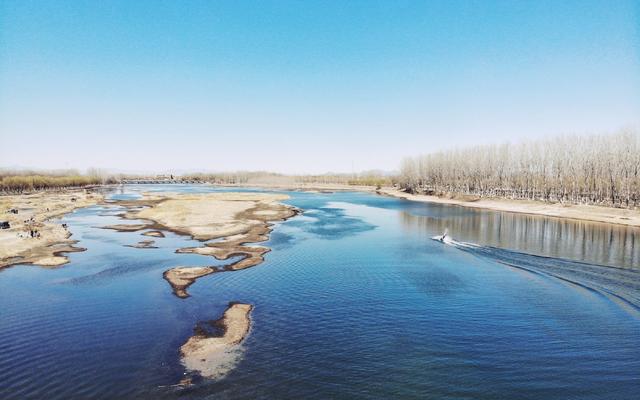
One of the Five Great Rivers of the Beijing Ha River system. It runs through Beijing, Tianjin and Hebei Province. The upper reaches have two branches: the Chiba River originates from Fenyang County, Hebei Province, flowing south into the Miyun Reservoir. The Bahe River originates from Guyan County, Hebei Province, along the way it drains the Qian River and the Tang River and flows into the Miyun Reservoir. After the reservoir, the two rivers converge in the Hehu Village in Miyun County, which is then called Chibahe River.
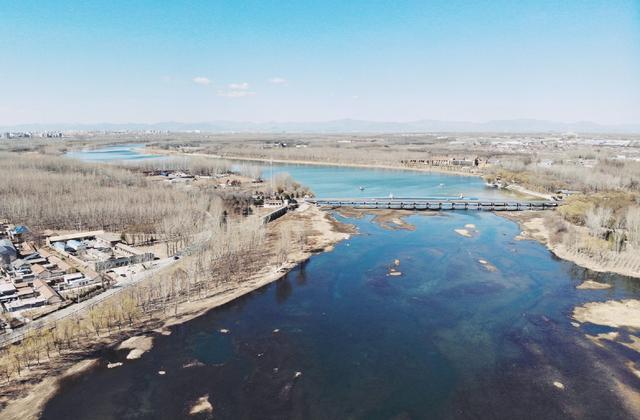
It flows westward into the plains through Niulan Mountain and enters the plains through Shunyi and Tongzhou and enters the Beijing Grand Canal. In 1912, the Chibahe River broke through in Shunyi Lisui Town, and a portion of the river took the Qian River into the Beijing Grand Canal. The total length is 458 kilometers, and the basin area is 19,500 square kilometers. The upper reaches of the Chibahe River have deep valleys and narrow rivers, and the section below Su Zhuang enters the plains, the riverbed is small, the valley is wide and open, and it is prone to flooding. In 1950, the Chiba New River was excavated, and later the Miyun and (huairou) reservoirs were built to control mountain floods. The drainage of Miyun Reservoir is divided into two streams that enter the Chiba River system. One stream flows into Tianjin into the sea, supplying Tianjin's water supply or flowing into the Haihe River to enter the Bohai Sea; the other stream flows into Beijing through the Jingmi-Miyun diversion canal and the Huairou Reservoir, which is one of Beijing's important water sources.
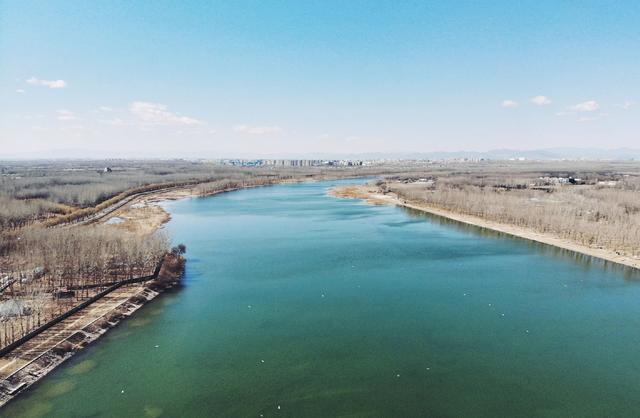
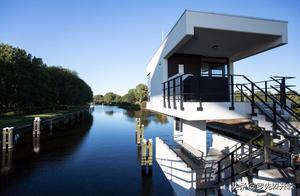
The location is on the left bank road and right bank road of Shunyi Chibahe in Beijing. The riverbanks are lined with trees, and if another period of time passes, they will become more lush green. Near the Su Zhuang bridge on the left bank, there is a river island where some people come to play and rest, but this place is usually more crowded, so you can stop and play along the left and right banks to find quieter places. Not far away is the Xin Cheng Riverside Forest Park, where you can enjoy spring and go for a stroll and breathe fresh air.
Beautiful Beijing, you will love this city. Hello Spring!