How to Use Public Transportation in Paris: Which Transportation Card Should You Purchase
If you carefully review the Paris planning, Paris is divided into small Paris and Paris Greater Region. Small Paris has 20 districts, which is the core area of Paris, while Paris Greater Region includes the surrounding suburban areas, the Paris Airport, Disneyland and Versailles Palace etc., which are all located in the region. On public transportation fares, it is divided into 5 circles based on Small Paris's core, similar to the rings of Beijing, two rings, three rings, etc.
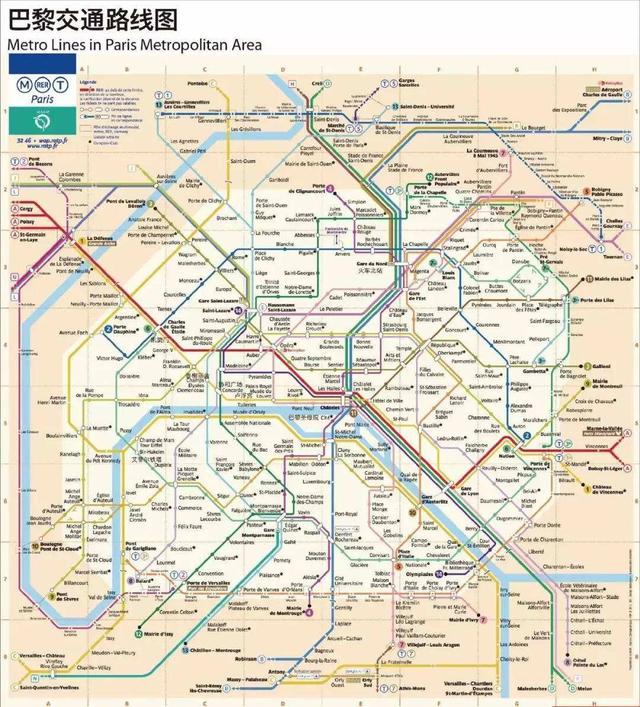
Zone1 is the core of Paris, Zone2-5 are the suburbs of Paris. Versailles Palace and Orly Airport are located in Zone4, while De Gaulle Airport and Disneyland are located in Zone5. The Palace of Fontainebleau is located in Zone5. Tourists can receive a Paris public transportation map free of charge from any Paris subway station and RER station. Generally, Zone3 within is Small Paris, and tourists who purchase a transportation ticket within Zone3 is sufficient, while all the subway lines are in Zone2, only RER can extend to further areas.
Paris Metro
The Paris Metro is very dense, which is the main transportation tool. Currently, Paris has 16 subway lines, including two 3b and 7b lines. When traveling by Paris Metro, you can reach 80% of the attractions in Paris, so when choosing a guesthouse in Paris, you must choose to live near the subway station.
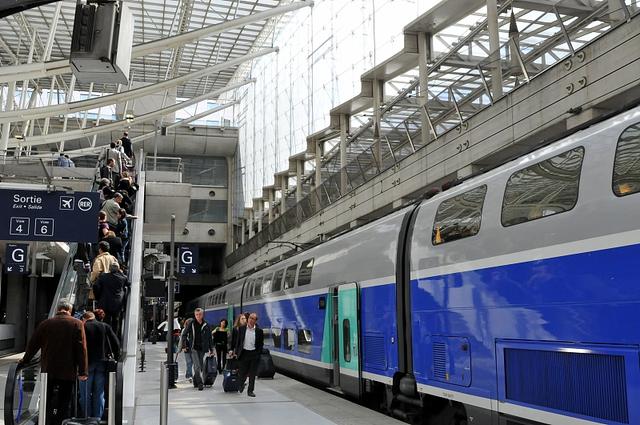
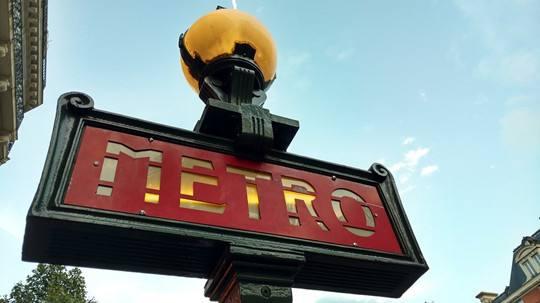
The Paris Metro stations are very close to each other, with at least 3 stations per square kilometer. Paris's almost all train stations are connected by multiple subway lines, so you can go to other places in France by combining subway and train. If you see a large yellow M on Paris's streets, don't be fooled by McDonald's, but it's the entrance to the Paris Metro. The Metro entrance is another form of red and white, with the word METRO written on it, which is also the Metro entrance, and SORTIE means exit.
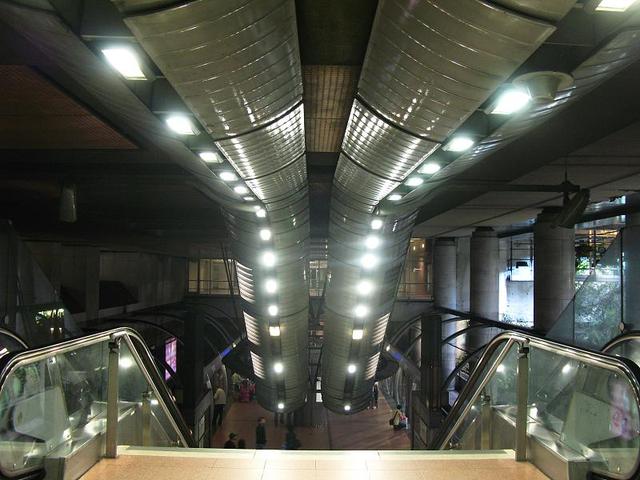
The departure time of the Paris Metro is generally 5:30, and the last train is at 1:15 the following day. On Fridays, Saturdays and holidays, the extended time is 2:15 the following day. During peak hours, it's about 2-3 minutes per train. At night and on weekends, the frequency is relatively low. On Sundays and holidays, the passenger volume is less.
RER
RER mainly operates in the Paris suburbs, such as going to De Gaulle Airport, Orly Airport, Versailles Palace, Disneyland and LA VALLEE VILLAGE shopping village can take RER. Currently there are A, B, C, D, E 5 lines, each line has multiple branches, the operating time is from 4:30 to 0:30 the following day. During peak hours, it's 2-3 minutes per train, and in normal conditions, each branch direction takes 10-15 minutes per train. On weekends and holidays, it doesn't extend the operating time at night.
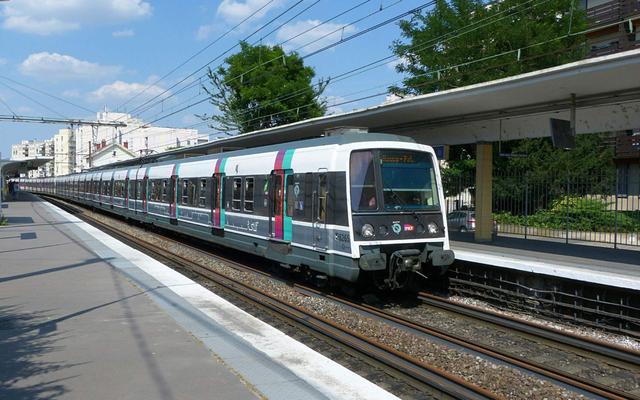
Tip: The same RER ticket can be transferred to the subway, but the transfer process needs to be checked, including entering and exiting the station.
Bus
Although bus stops are the most dense transportation hub in Paris, their density is higher than that of subway and RER. However, it is not recommended to take it, because it is too complicated. If you are out late, you can consider taking Noctilien at night.

In Paris, the cheapest way to take bus and metro is to buy 10 tickets Ticket+, which sells for 14.4 euros, and can be exchanged freely within 90 minutes. But one Zone requires a ticket. If you go from Zone2 to Zone3, you need one ticket, and from Zone2-Zone4, you need two tickets.
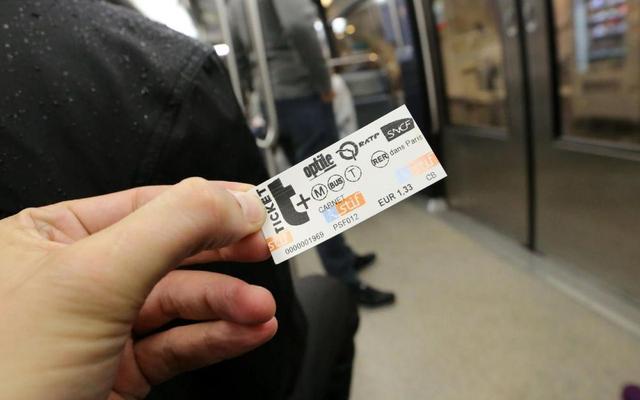
Zone2 outside RER and suburban trains are individually priced. Holding the same ticket can be transferred between the subway and RER, or between BUS, or between BUS and Tramway, but Noctilien cannot be transferred. Because the subway/RER system and Bus / Tramway system are two separate billing systems, so they cannot be transferred.
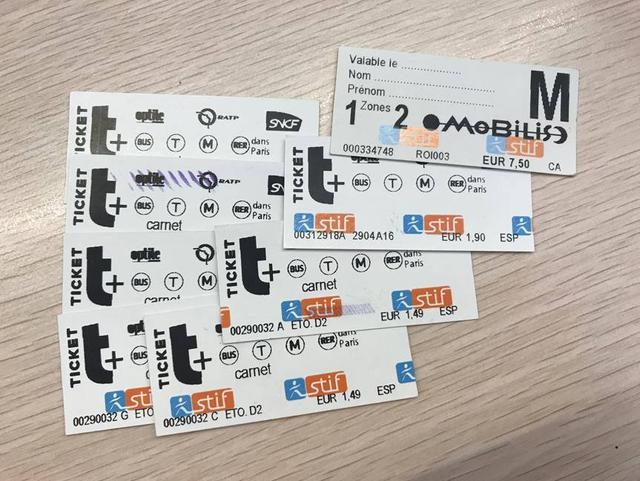
The advantages of using tickets:
You can transfer freely between Metro stations, freely transfer between Metro and Zone1's rapid transit RER, freely transfer between Zone1's bus lines in one direction, cannot transfer the same line, cannot return. Tickets can also be transferred between bus and tramway, note that Noctilien cannot be transferred at night.

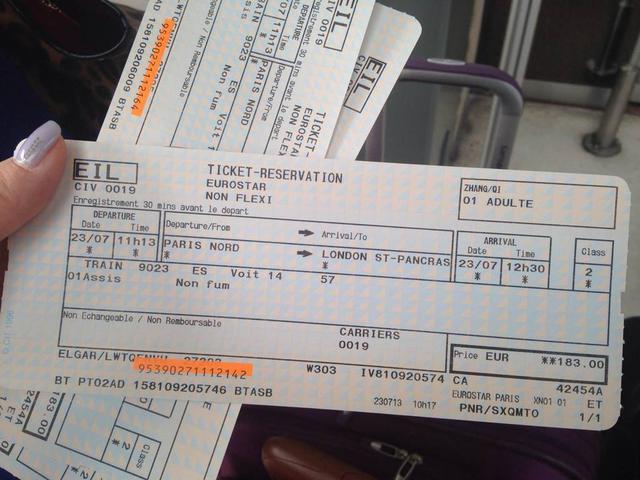
If you need to go to attractions outside the three circles, such as the Palace of Fontainebleau, Disneyland, Versailles Palace, etc., you need to purchase RER tickets. It is recommended to purchase originedestination tickets.
Daily Pass mobilis
This ticket allows you to ride anywhere within a designated area during the day, including RER, bus, metro, trains, etc. This ticket is suitable for going to Paris suburbs and far away. If you just play in the city, you don't need to buy it, because Ticket+ and Canet are sufficient. In addition, the daily pass cannot be used at OrlyVal, Orly BUS, Roissy BUS, Orlyrail, Roissyrail to the airport.
The usage time of the daily pass is valid until midnight on the day you start using it, no matter when you start using it, it's valid until midnight.
Weekend Pass
If you stay in Paris for a long time, it's still recommended to buy a weekly pass. The weekly pass has a uniform price of 22.15 euros, but there is a note that it is recommended to start from Monday to use it. The weekly pass is valid until Sunday evening 0:00, that's why it's recommended to start from Monday. The weekly pass is a magnetic card, which can be repeatedly charged and used.
Tourist Pass

The advantage of the tourist pass is that you can take unlimited rides within a designated time and area, and you can get discounts when purchasing museum tickets with this card. The tourist pass has two types: 3 circles and 5 circles, and there are 1-day, 2-day, 3-day, 5-day options. The usage time and rules of the tourist pass are the same as above, that is, no matter when you start using it, it's valid until midnight.
How to buy these transportation cards?
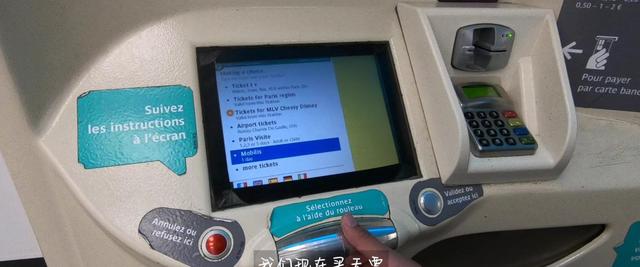
Basically, there are ticket machines in Paris Metro stations to sell tickets. In one word, it's more complicated than buying tickets in China, and everything is in French, so you have two ways to use it, either ask a staff member to help you operate, or download Google Real-time Translation and figure it out yourself.
APP Recommendations

The most commonly used app in Paris is RATP, which can locate you and show you the transportation systems around you, including bus, metro, tram, etc. If you input the destination, it will also give you a bus travel plan. This app has a rich language system, including a Chinese version.
351235RER5
APP

APPRATPAPP