Customs and Observances During the Lunar New Year
In Chinese tradition, the first month of the Lunar New Year is called January, and the Spring Festival and Lantern Festival are all in January. There are many rules that Chinese people must follow in January, even different days have different requirements and taboos. Let's take a look at them together today.
1. Taboos
1. Prohibition of killing
During the Chinese New Year, people will prepare chickens, ducks, pork and other meats before the thirty first of the twelfth lunar month. This is not only for preparing for the New Year, but also because killing animals is forbidden in January.
There is a 'master of animals' in folk beliefs'Master of Animals' whose birthday is the eighth day of the first month. In order to offer birthday wishes to her mother, 'Master of Animals' will close the channels for animals to reincarnate in January. According to ancient sayings, if someone kills animals in January, the dead animals cannot reincarnate, which will bring bad luck to the killer.2. Taboo of getting a haircut
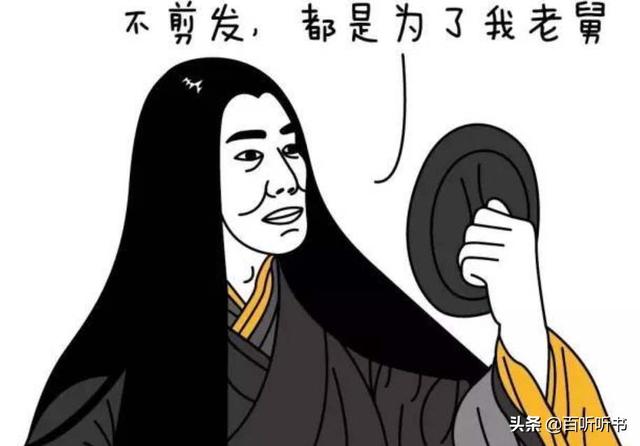
Everyone has heard the saying 'cutting hair on the first month kills a cousin'. Few people know the origin of this custom is during the Qing Dynasty when Manchu people entered the Han territory, they forced the Han people to shave their heads and keep braids.
At that time, the Han people were full of nostalgia for their lost country, and they entrusted their nostalgia for their lost country to their braids. They kept their hair growing in January to express 'nostalgia'. Unexpectedly, this was misinterpreted and became 'killing a cousin', combined with the fact that hair cutting was carried out in January, it became the 'taboo of cutting hair on the first month kills a cousin' we know today.
3. Taboo of getting married
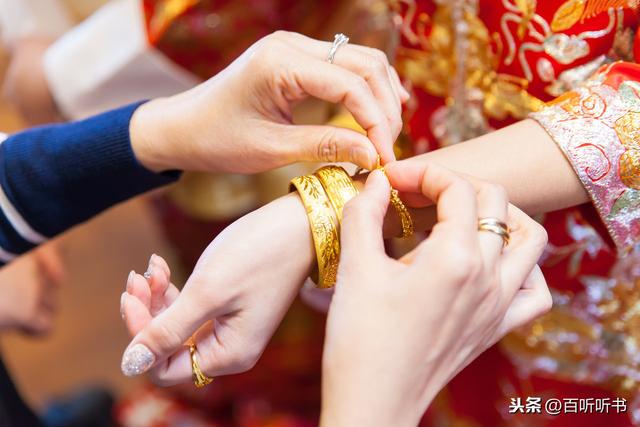
'Not marrying in January' is a common saying in many rural areas, referring to not holding wedding ceremonies in January. Few men and women get married in January in ancient times, because of the saying 'head's red', which means marrying in January is 'the fifth element over the head, unfavorable for children', so few people hold weddings in January.
4. Taboo of speaking
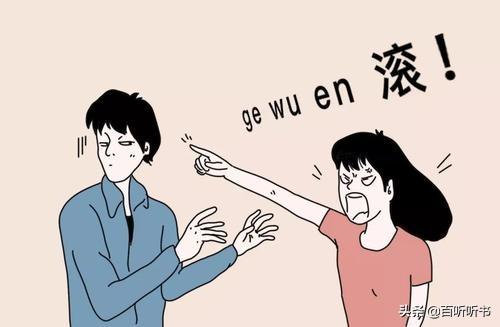
January is the beginning of the year, in order to bring good luck, the elders would ask the children not to speak unlucky words in January, such as 'death', 'disaster', 'illness' and other negative words. Adults should also get along harmoniously and not quarrel, because people believe that arguing in January may bring bad luck for the whole year.
II. Customs
1. First day of the first month: New Year's greetings
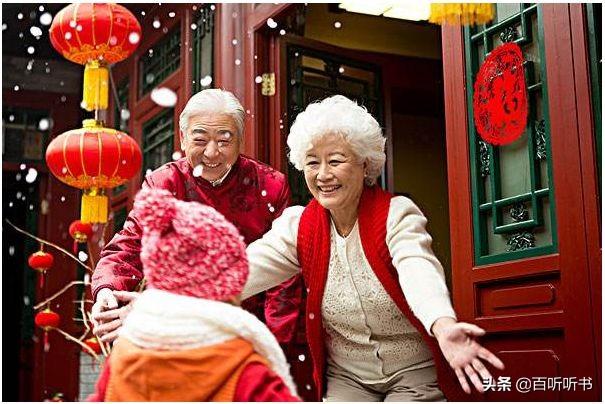
No matter which region, the most important custom on the first day of the first month is to greet the New Year. On this day, people get up early and wear colorful new clothes, looking bright and beautiful. New Year's greetings usually start from home, and younger generation will bow to the elders to wish them health and longevity, after the elders receive the bow, they will give 'lucky money' to the younger generation.
After having breakfast, people start their New Year's greeting activities, families bring gifts to visit relatives and friends, saying 'Happy New Year' to each other.
2. Second day of the first month: Return to one's mother's home
Many places have the custom of returning to one's mother's home on the second day of the first month, when the daughter-in-law returns to her mother's home with her husband, so this day is also called 'Husband arrival day'. On this day, the newly married couple returns to their mother's home to wish their parents a Happy New Year, have lunch at their mother's home, and distribute red envelopes to their nieces and nephews.
Why is it the second day? Because some people believe that the daughter-in-law should not return to her mother's home on the first day of the first month, if she returns on the first day, it will 'exhaust her mother's home', which will affect her mother's home's fortune, so she can only wait until the second day.
3. Third day of the first month: Avoid misfortune
Many people know the customs of the first day and second day of the first month, but few people know the customs of the third day of the first month. In some places, the third day of the first month is also called 'Red Dog Day', which is a homophone of 'red mouth', which means that people are prone to quarrel and dispute on this day, so people with good manners will not go out on this day to avoid disputes and bad luck.
4. Fourth day of the first month: Welcoming God
The fourth day of the first month is the day when people welcome God. According to folk beliefs, before the twelfth lunar month, the gods sent by families to report their work to the heavens; the fourth day of the first month is the day when gods return from heaven to their homes. People prepared to welcome them.
For sending and welcoming gods, there is also the saying 'sending gods early, receiving gods late'. So sending gods must start early in the morning, while receiving gods can start on the fourth day of the first month in the afternoon, it's still late.
5. Fifth day of the first month: Welcoming Wealth God
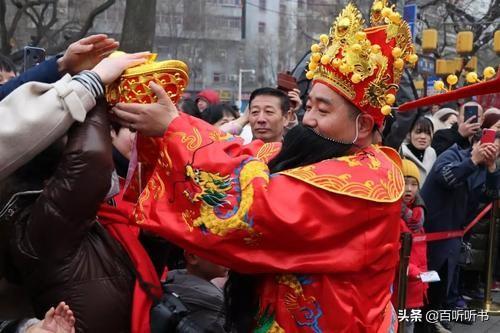
According to folk sayings, the fifth day of the first month is the birthday of the five wealth gods, so people welcome the wealth gods to ensure prosperity and wealth for the new year.
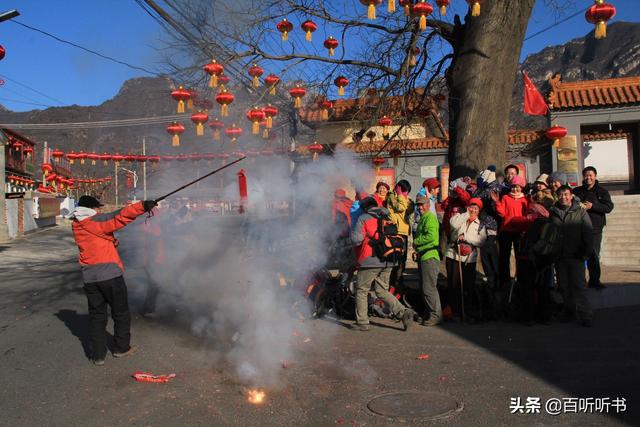
People will open the door and windows at the first time hour, burn incense, set off firecrackers, light fireworks to welcome the wealth gods, and offer gifts such as three animals, fruits, sugar and wine to the wealth gods. After welcoming the wealth gods, families also set a banquet to congratulate the wealth gods on their birthday, which is called 'Road head wine', which usually lasts until late at night.
6. Sixth day of the first month: Sending off the Hungry Ghost
The sixth day of the first month is 'Horse Day', which means six six big luck. In the past, people didn't dare to dump garbage before the first month, because they were afraid of losing fortune. By the sixth day of the first month, families would dump all the garbage they had saved in the past, which is called 'sending off the hungry ghosts'.
There is a proverb: 'Prepare for spring farming and send out bad luck'. So the sixth day of the first month is not only the day of 'sending off the hungry ghosts', but also the day when all industries open, farmers start farming, restaurants and shops open for business, and many people will set off firecrackers to bring good luck before opening their business.
7. Seventh day of the first month: People's Birthday
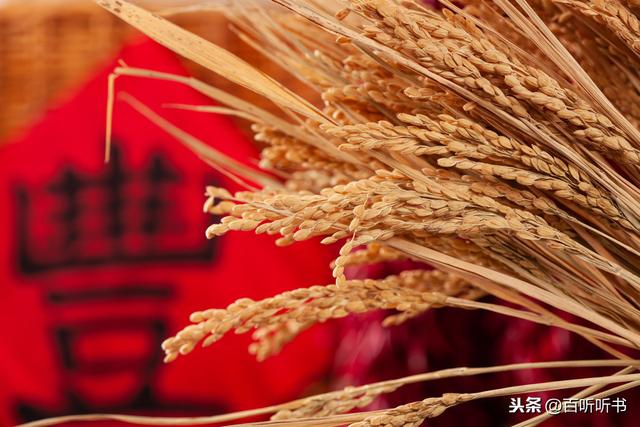
'Book of Changes' says that from the first month, the order of creating things by heaven is 'one chicken, two dogs, three pigs, four sheep, five cattle, six horses, seven people, eight grains'. So the seventh day is people's birthday.
In the Han Dynasty, there were already written records about people's birthday. After the Wei and Jin dynasties, people attached more importance to this festival. On this day, people would take a 'people's birthday hat' with them. Besides not going out to greet the New Year, people would also respect those who are individuals, for example, the government would not execute criminals on this day, and parents would not scold their children on this day.
8. Eighth day of the first month: Star Day
The eighth day of the first month is also called 'Star Day'. According to folk legends, on this day, the most stars can be observed in the sky. If the weather is clear on this day, it indicates that the grain harvest will be abundant this year.
At the same time, because of the meaning of 'eight', this day is also 'Worshiping Eight Immortals Day', people will worship the Eight Immortals in folklore. In addition, many shops will also choose to start business on this day, which means big luck and fortune.
9. Tenth day of the first month: Welcoming Heaven God
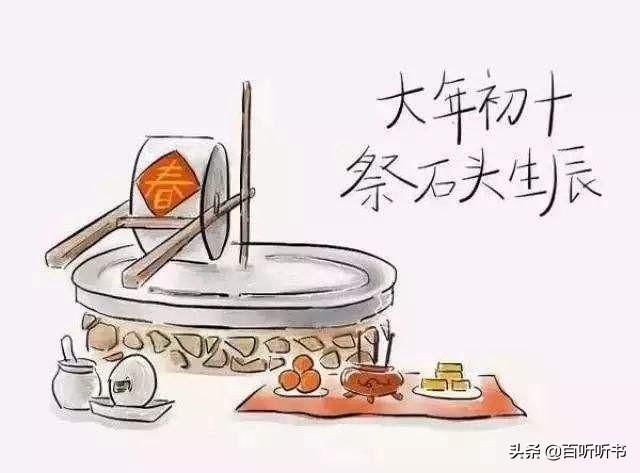
The tenth day of𝚄𝚗𝚍𝚎𝚛 𝚘𝚗𝚎 𝚖𝚘𝚗𝚝𝚑, Heaven God Day, is a very bustling festival. On this day, people not only eat dumplings and guess lantern riddles, watch flower lanterns and set off fireworks, but also dance dragons and dances, stomp high heels, row dry boats and twist nets, and hit tam-tams.
“”——
10.
“”“”“”
11.
“”
12.
“”
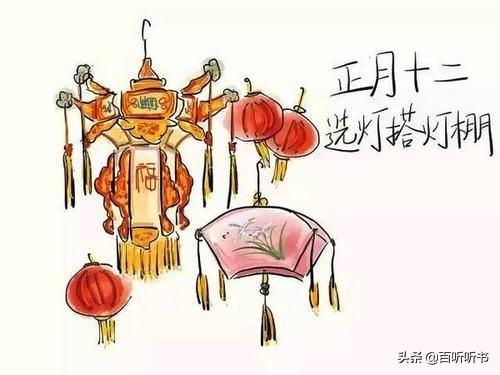
13.
“”“”“”“”
14.