Garlic Slice Processing Technology
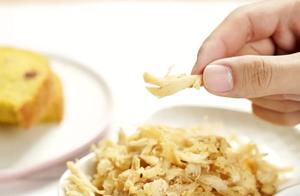
Turn garlic into dehydrated garlic flakes not only preserves the unique flavor of garlic, but also facilitates transportation and consumption.
I. Process Flow
Selection → Cleaning → Slicing → Washing → Dehydration (drying) → Balance moisture → Grading → Packaging → Finished product.
II. Process Points
(I) Raw Material Selection. Select white-skinned garlic heads that are free from rot, pests, and serious damage or scars.
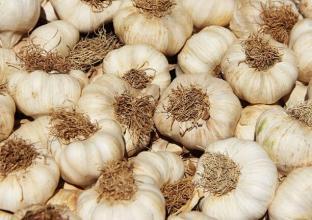
(II) Cleaning. First, use water to remove soil and impurities attached to the garlic heads. Then, use a stainless steel knife to cut off the garlic stalks, peel the cloves, remove the garlic epidermis, and discard rotten or damaged cloves. After cleaning, the garlic cloves are immediately placed in bamboo baskets and repeatedly washed in running water or high-pressure washed several times. Note that the naked garlic cloves must be processed within 24 hours. Otherwise, it will affect the color of the dried product.
(III) Slicing and Washing. Generally, mechanical slicing is adopted. When slicing, the blade must be sharp, the slicing disc must be stable, and the speed must be moderate to ensure that the garlic faces are smooth and uniform in thickness. The thickness of the garlic flakes should be 1.5 mm. If the strips are too wide or too thick, the drying and dehydration will be slow, and the color will be poor. If the strips are too narrow, the color will be good, but the fragment rate will be high and the shape will be uneven. When slicing, constantly add water to wash away the garlic juice and impurities flowing from the cloves. The sliced garlic is immediately put into bamboo baskets and washed with running water. During washing, use your hand or a bamboo or wooden rake to flip the garlic slices from the bottom of the basket up and down until the glue is washed away.
(IV) Dehydration (drying). Place the washed garlic flakes in a mesh bag and use a centrifugal dryer to remove the attached water. Then, spread the garlic flakes that have been drained on a drying rack and place them in a furnace or drying room at a temperature of about 55°C for 6-7 hours. During the drying process, maintain dryness, and the indoor temperature, hot air volume, and dehumidification volume must be stable. Strictly control the drying time and drying moisture. If the drying time is too long or the temperature is too high, the dried product will deteriorate, affecting its commodity value. Generally, the moisture content of the dried product is controlled at 4% - 4.5%.
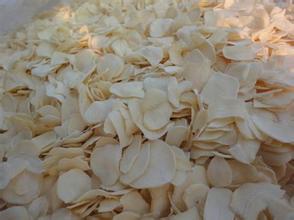
(V) Moisture Balancing. Since the garlic flakes are of uneven size, and their moisture content differs slightly. After drying, the garlic flakes are immediately placed in a box with plastic bags to maintain 1-2 days to allow the moisture in the dried product to transfer to a balance.
(VI) Grading, Packaging. Sift the dried garlic flakes to remove fragments and particles, sort them according to the integrity of the garlic flakes, and use non-toxic plastic bags to vacuum seal. Then, use cardboard or other packaging materials to protect them from light for sale and transportation.
Additionally, the fragments and particles sifted out can be packaged and sold separately, or they can be added to a grinder and pulverized into garlic powder.
III. Precautions
1. Throughout the entire processing, do not use iron or copper containers, but stainless steel tools can be used.
2. The finished dehydrated garlic flakes are white with a slightly yellowish color, without dark color. The moisture content of the garlic flakes must not exceed 6%.
3. The storage of finished garlic flakes must be in a dry, cool warehouse. During transportation, it must not come into contact with toxic and harmful substances.