Coffee Knowledge | Differences Between Black Honey from Different Growing Regions in Costa Rica
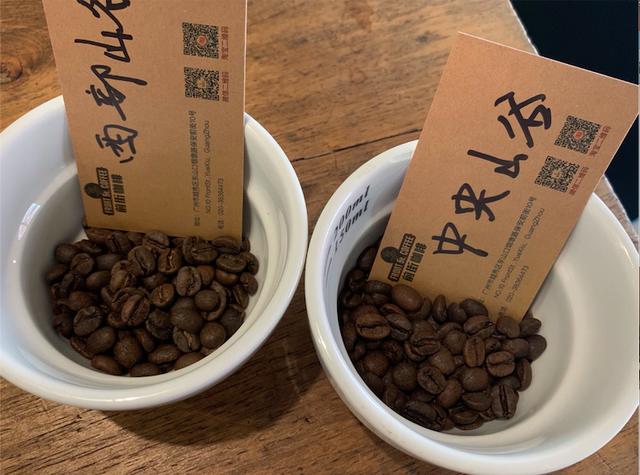
Over the past few days, we've just received a batch of fresh Costa Rican black honey beans, sourced from different growing regions within Costa Rica. All of them are black honey, and the differences between beans from different regions will be revealed. We will individually roast them and conduct cup tests to share with you.
growing region
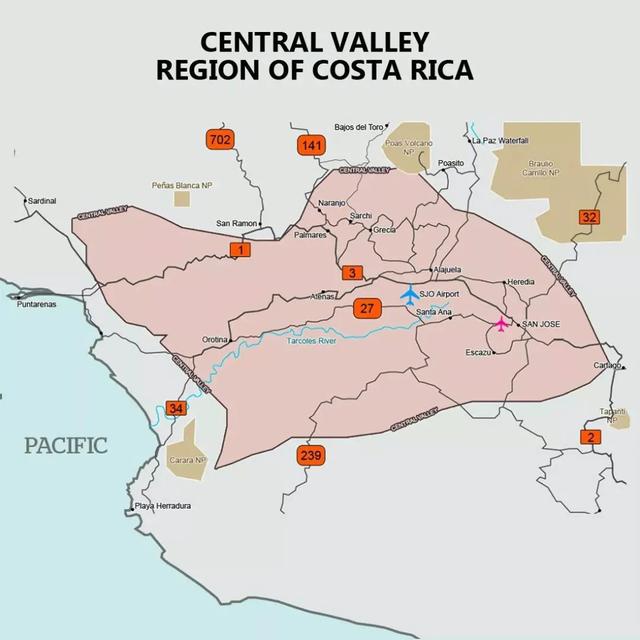
Costa Rica has eight growing regions: West Valley, Central Valley, Tarrazu, Tres Rios, Orosi, Brunca, Turrialba, and Guanacaste.
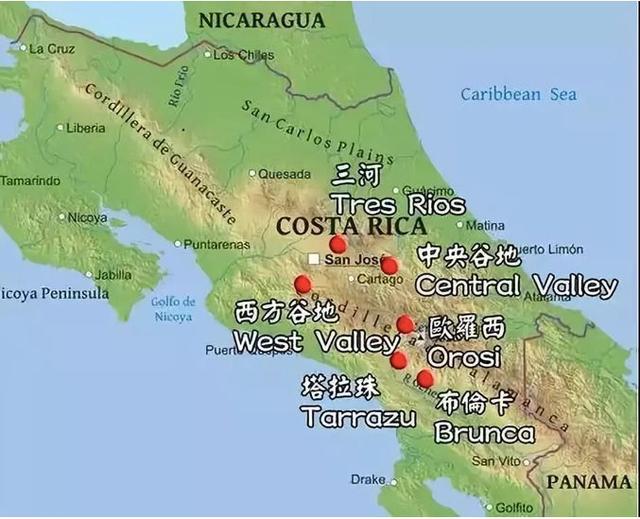
West Valley region is at an altitude of 1,000-1,200 meters, with a harvest period from November to March. It's exposed to a significant amount of Pacific Ocean air currents, featuring volcanic soil, abundant sunshine, and a relatively high average humidity of 81%, alongside abundant rainfall and an average temperature of 21.5℃. The temperature is often cooler than other mountainous areas at higher altitudes, resulting in exceptionally high-quality coffee cherries and seeds with robust growth, making this region's crops particularly abundant.
Central Valley region is at an altitude of 1,200-1,600 meters, with a harvest period from November to March. Due to its higher altitude, the beans have a strong, fragrant aroma, smooth taste, high acidity, and full body. The aroma is rich, and this region is the earliest coffee-growing area in Costa Rica. It has abundant volcanic soil, and sometimes carries a chocolatey aroma.
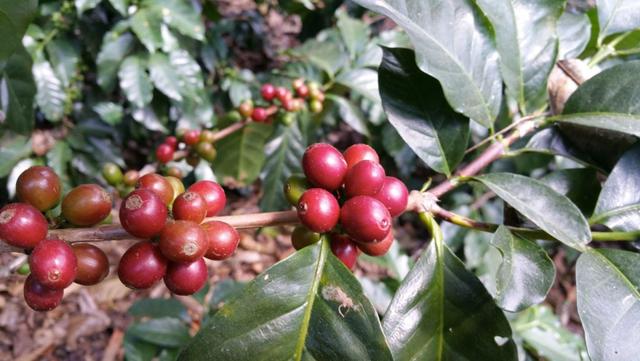
Variety: Caturra, Catuai
Caturra is a variant of Bourbon, discovered in Brazil in 1937. It has higher yields and disease resistance compared to Bourbon, and the plants are shorter, making harvesting easier and more efficient. It's adaptable and doesn't require shade trees, suitable for cultivation at altitudes of 700 meters to 1700 meters. Although it's highly adaptable to high altitudes, the flavor is best at higher altitudes, and the yield is relatively reduced.
Processing Method
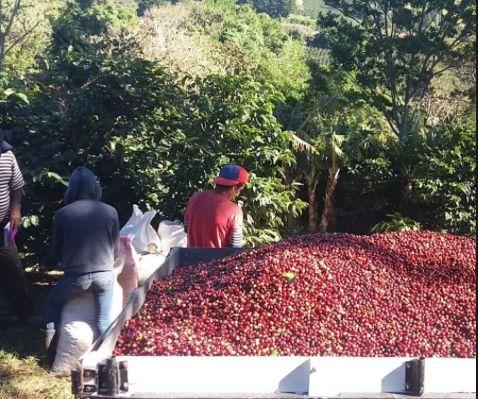
Honey processing originated in Central America, particularly in Costa Rica's high-altitude regions, which lacked sufficient water resources. Initially, coffee cherries were dried together with the fruit pulp after being screened to remove the pulp. This is an intermediate processing method between sun-drying and washed processing. It retains the cleanliness of washed processing while the addition of the fruit pulp during sun-drying significantly increases the coffee's sweetness and caramel notes. This processing method reduces the acidity of the coffee beans and enhances the nuance of the aroma.
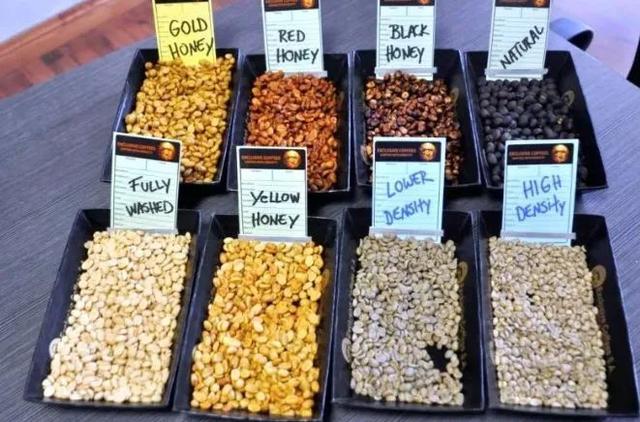
Based on the thickness of the gel layer removed and the length of the drying time (or the thickness of the drying layer), as well as the frequency of turning during drying, honey processing can be divided into black honey, red honey, orange honey, yellow honey, and white honey.
Based on the thickness of the gel layer removed:
Black Honey: Almost no gel is removed, so it takes the longest to dry, requiring continuous drying for more than 14 days. To prevent the beans from drying too quickly, shading materials are used to block direct sunlight, allowing sugars to be converted more fully.
Red Honey: 25% of the gel layer is removed (specific practices vary by farm), and the drying time is approximately 12 days. Shading tents may also be used during this process.
Yellow Honey: The largest amount of sunlight is allowed to dry the beans, lasting approximately 8 days.
Roasting Curve
West Valley (Finca Danilo Salazar) Tarrazu Estate
First Yellow Point 5'50 , First Crack at 9'25" , Temperature is 184.3℃ , First Crack Development 2'05" , Temperature 197℃.
Agrton Bean Color Value is 66.1 (above image), Agrton Bean Color Value is 71.8 (below image) Roast Delta Value is 5.7.
Central Valley Las Lañas Estate

First Yellow Point 6'03", First Crack at 9'38", Temperature is 184℃, First Crack Development 2'10" , Out of the oven at 195℃.
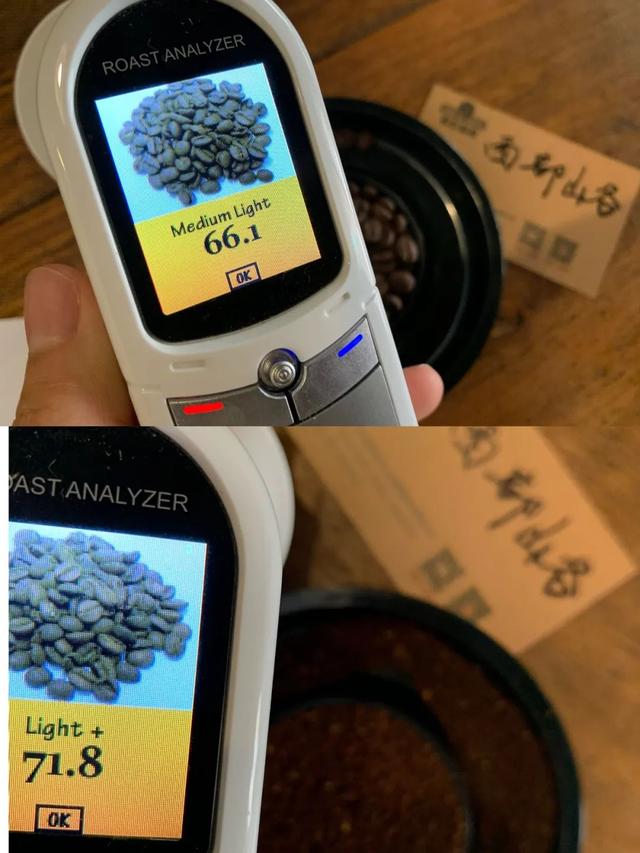
Agrton Bean Color Value is 64.7 (above image), Agrton Bean Color Value is 71.4 (below image) Roast Delta Value is 6.7.
Cupping

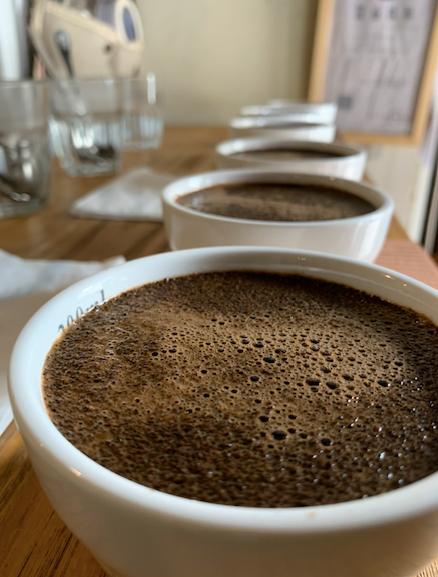
West Valley (Finca Danilo Salazar) Tarrazu Estate: Exhibits notes of blackberry, blackcurrant acidity, almond, caramel, with a persistent, clean finish, medium body, and prominent sweetness in the mid-palate, with a slight hint of plum aroma.

Central Valley Las Lañas Estate: Exhibits notes of sweet orange, mango, cream, citrus, and berries, with a tropical fruit acidity and sweetness in the mid-palate, offering a clean, juicy flavor.
Summary

Through cupping, both of these black honey beans have a rich sweetness, full and abundant acidity, and a fresh, juicy acidity, the acidity of the West Valley (Finca Danilo Salazar) Tarrazu Estate black honey leans towards the acidity of blackberry and blackcurrant, with a persistent sweet finish and a slight plum aroma; the Central Valley Las Lañas Estate black honey has a viscous, juicy fruit flavor, and the beans are generally more fruity, with abundant acidity and sweetness.
Disclaimer: Part of the images in this article come from online sources. We will respect the copyright of the original authors when presenting content such as images. However, due to the large number of images, we may not be able to annotate them all. We will annotate them as soon as possible. 'Coffee Workshop' has compiled and edited this article. Please indicate the source if you reprint it. If copyright infringement occurs, please contact us to delete it, thank you~!
Finca Danilo Salazar
“”~