Kneading Dough: Is Cold Water or Hot Water Used? It's Confusing, No Wonder It's Always Sticky
Dear fans, today, Nannan brings a very practical home cooking tip.
Noodles are a favorite of northerners, and are a basic and diverse staple, such as steamed buns, steamed buns, and rice cakes!
Two days ago, we pushed out many noodle-making methods, and many fans commented that,How to make dough? Is warm water or cold water used to make dough?Today, we will reveal the mystery~
What temperature of water is used to make dough?
The water temperature is generallyIn winter, use warm water, and in other seasons, use cool water
Because the temperature of the dough is easily affected by the ambient temperature, and by using different water temperatures when making dough, the dough temperature is always maintained at 30℃
At this time, the protein in the flour has the highest water absorption capacity, resulting in the best extensibility and elasticity, which is most suitable for stretching.
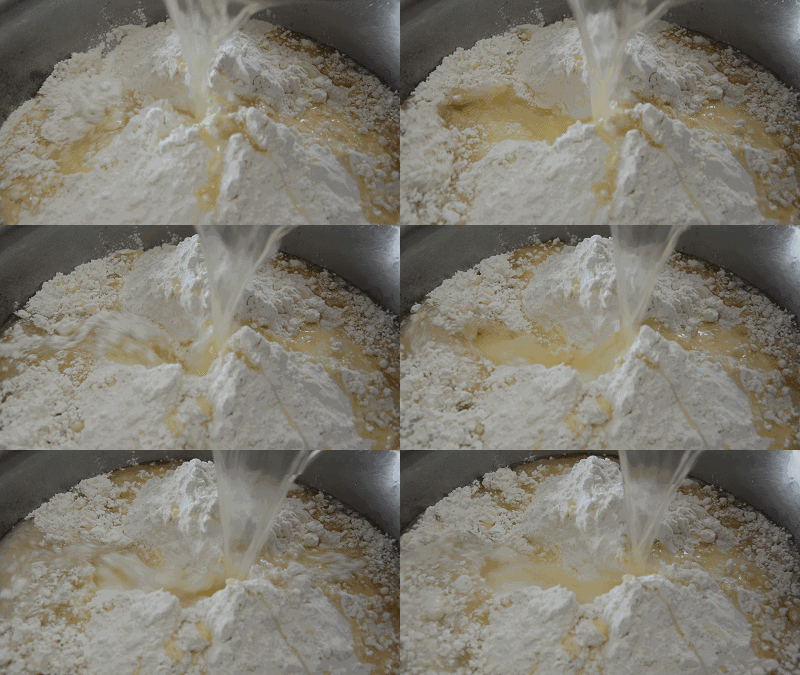
Using hot water to make dough: use water above 60 degrees
Hot water dough is also called boiling water dough or raw dough. Because the temperature is high, it is generally stirred quickly with chopsticks, and then cooled before kneading.
Boiling water dough is very soft and translucent when madeIt is easy to cookThe disadvantage is that it is easy to stick to your hands and cutting boardsUsing warm water to make dough: use water between 40 and 50 degrees
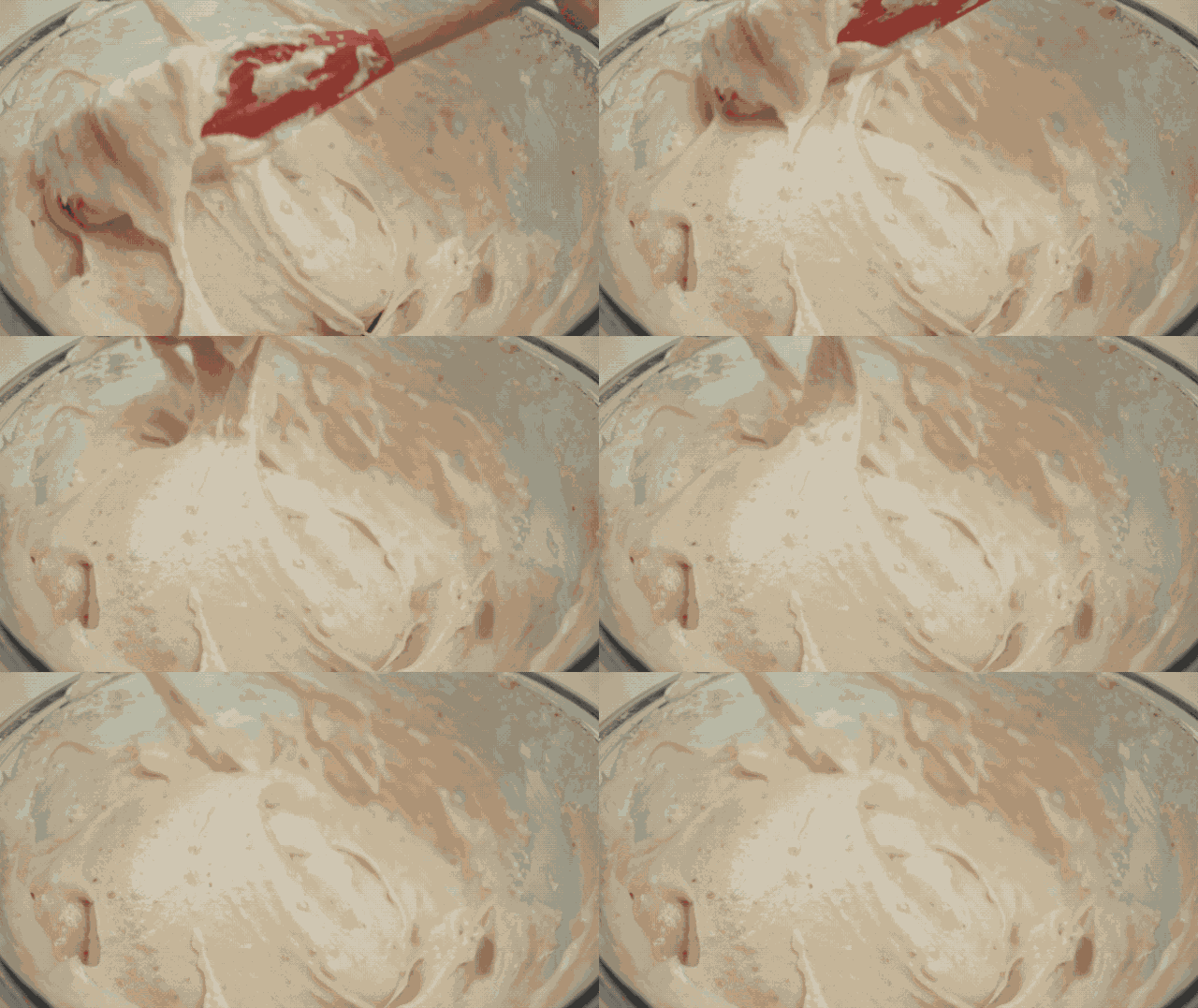
The characteristic of warm water dough is that it is strong but pliable, easy to shape; and after baking, it is not easy to lose its shape, with a soft texture and easy digestion, and a white color.
Especially
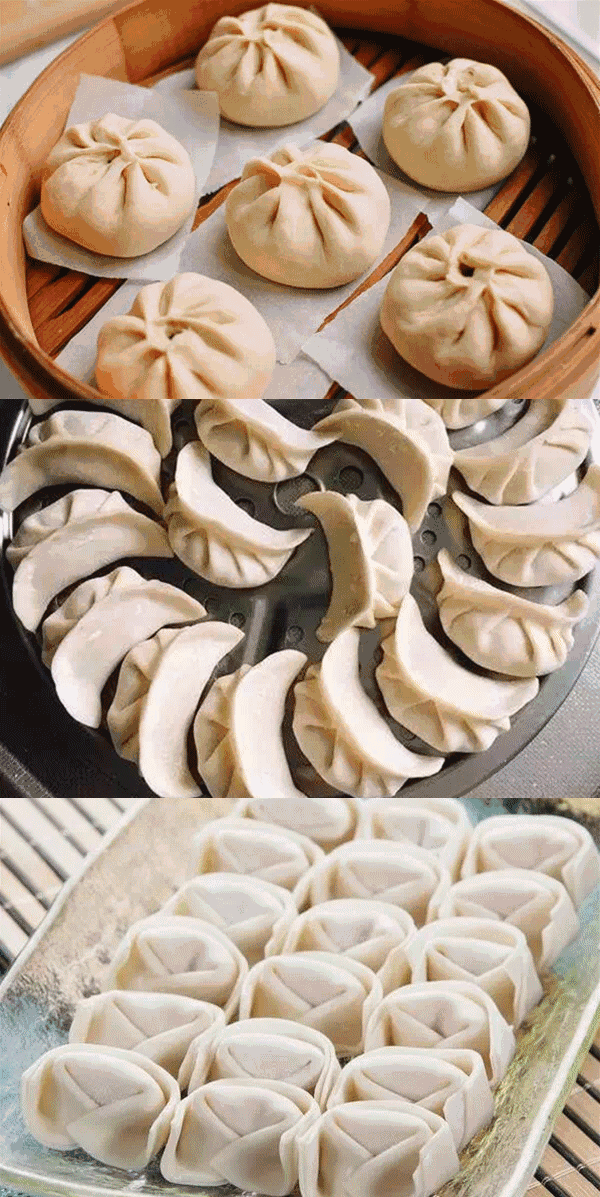
Suitable for making various patterned steamed buns after fermenting the doughSuch as white cabbage pie, goldfish pie, and four happiness pie.Cold water dough: use water below 25 degrees
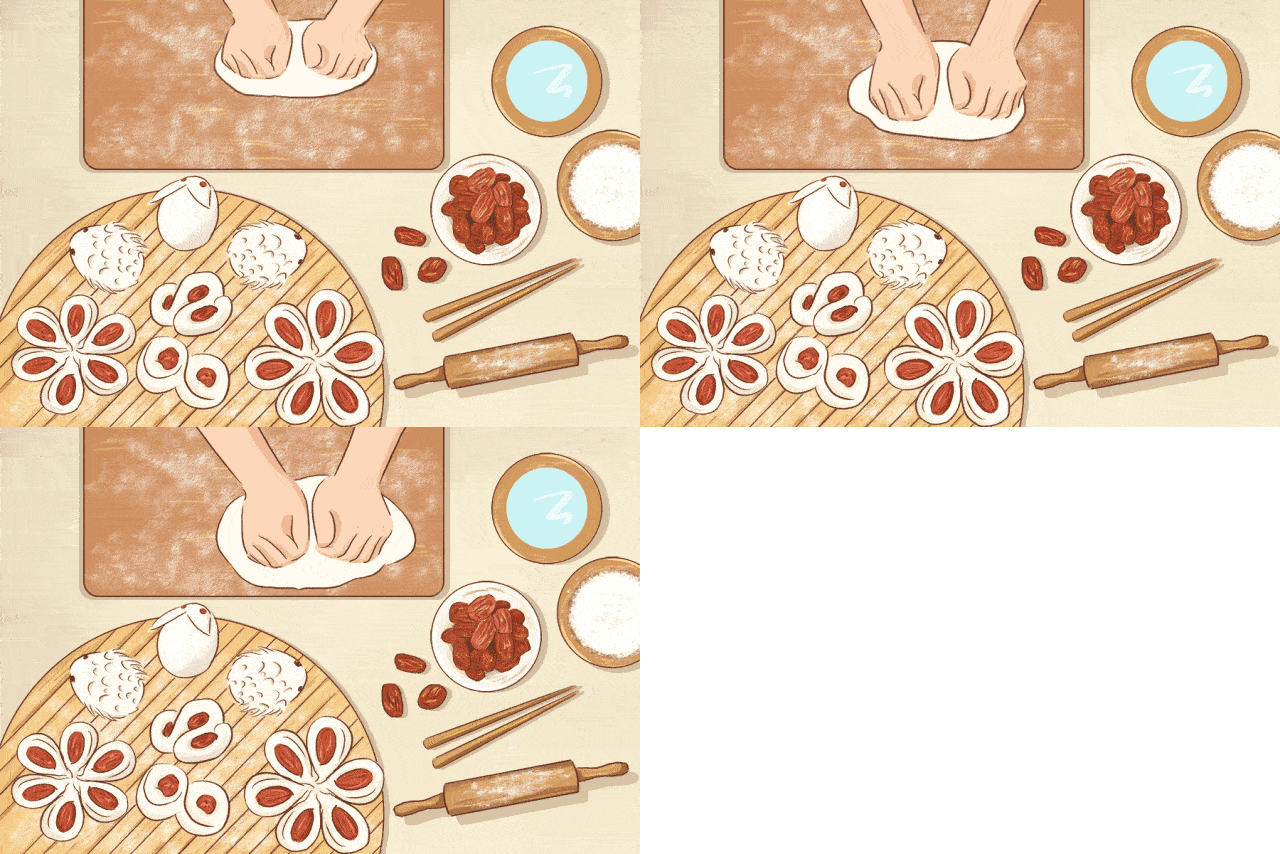
Starch will not expand and gelatinize at low temperatures, so the formed dough is compact and strong, with a strong traction force and a stiff texture, which is called 'dead dough'
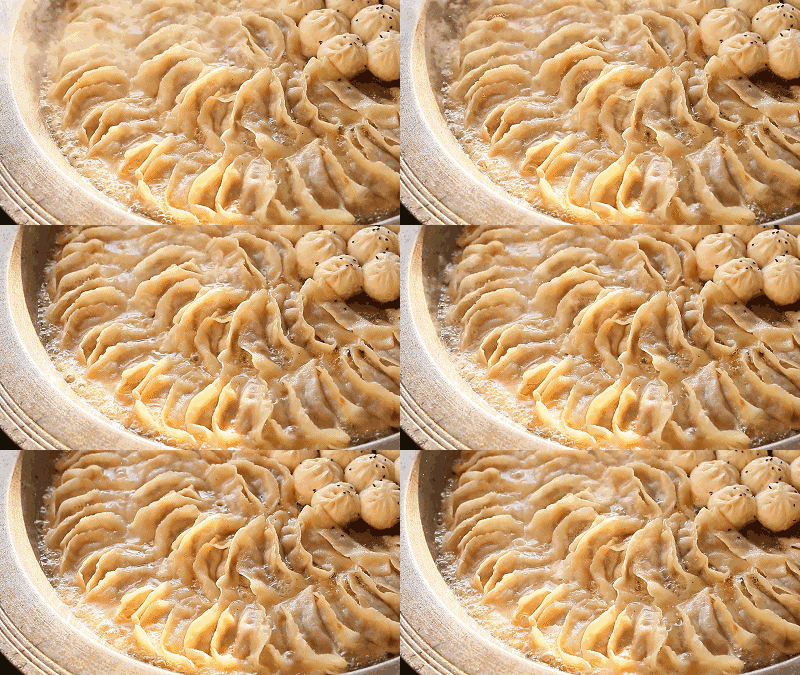
The characteristics of cold water dough are that the finished product is pale in color, and it is crisp and chewy with a strong bite and good toughness, which is suitable for boiling and baking, such as dumplings, potstickers, noodles, spring rolls, pearl soup, and unleavened bread.