Want to Eat Liangpi (Cold Skin Noodles)? I'll Teach You the Recipe!
Recently, many people have been making liangpi (cold skin noodles), and you can see it everywhere in your (friend circle). Just flipping through it, you can see several posts. This makes a lot of people drool with envy, but they can't actually taste it. Actually, if you want to eat liangpi, you don't need to go out and buy it. I'll teach you the recipe below, and then I'll explain the detailed steps for making liangpi. It's actually very simple, and you'll master it after reading it once. If you have time, you can make it at home and succeed the first time!
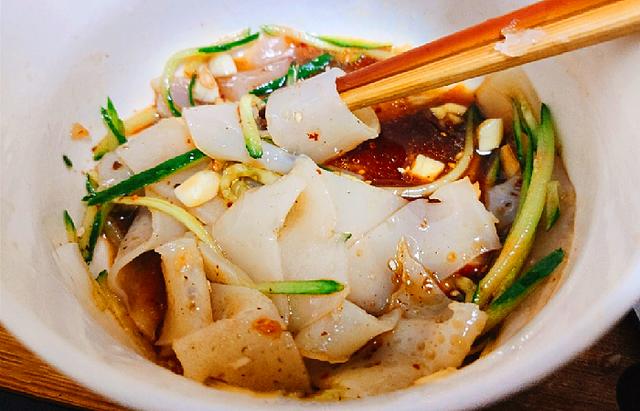
First, make the dough.
This step is very important. Many people make liangpi dough by just using flour and water. In fact, you should add some salt (500g flour + 3g salt). This will increase the dough's gluten, making the texture more chewy. The finished liangpi will have a good bite, and the flavor will be better. It also won't crack or break easily. Some liangpi falls apart easily when you stir it a little – this is because of the lack of gluten.
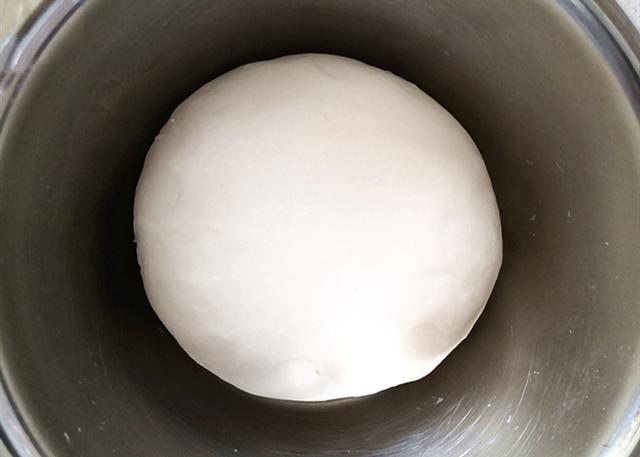
Next, make the washing slurry.
Put the kneaded dough into a bowl, add water, and start kneading and washing the slurry. The dough will get smaller and smaller until it becomes a small, soft, and sticky ball. This is the gluten ball. After patting the gluten ball dry, put it in a steaming pot and steam for 20 minutes. You can also tear it into small pieces and cook it in boiling water. The gluten is made like this.
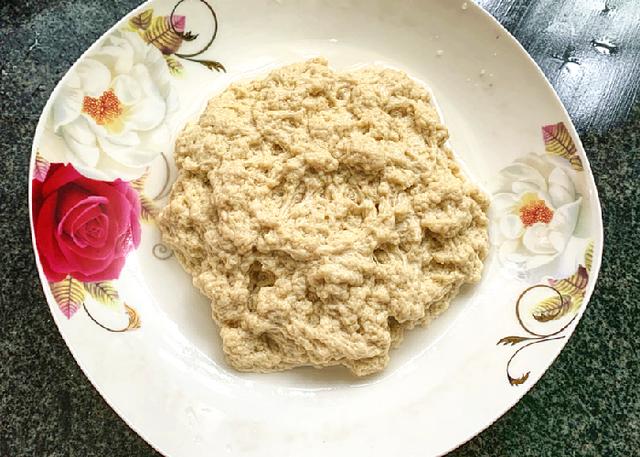
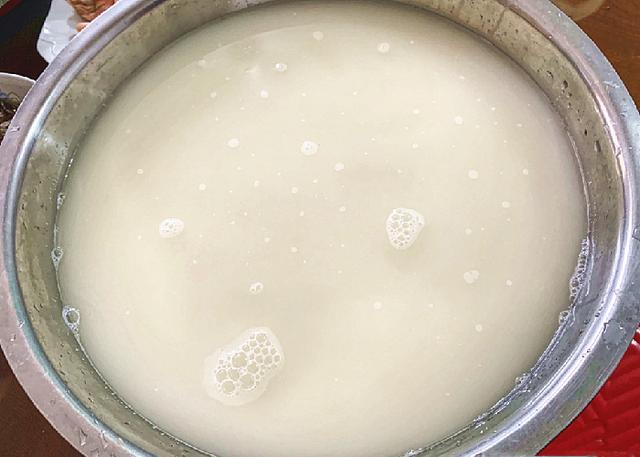
The water in the bowl will turn into a bowl of white flour water – this is the flour slurry we'll use to steam liangpi next. Filter the flour slurry, and let it stand for half a day to allow the water and dough to fully settle. Generally, it's best to make the flour slurry the night before and let it sit overnight. Then, in the morning, you can start steaming liangpi.
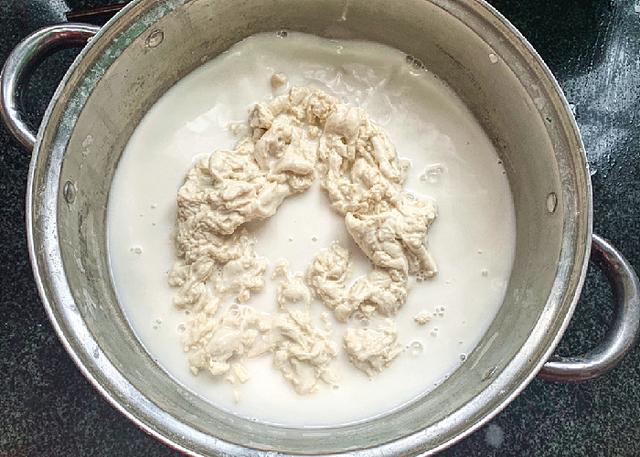
This makes the flour slurry settle more thoroughly, and saves you time. If you're short on time, you should at least let it settle for 4 hours. Then pour off the top layer of water, leaving about 1 centimeter of water, and add 1g of alkaline agent (alkali powder), and stir until the slurry is ready.
Then, steam the liangpi.
Prepare a liangpi cloth (a thin, flat cloth used for pressing liangpi). If you don't have one, you can find a thin-bottomed metal plate or stainless steel pot – any flat-bottomed container will do. Preheat it on the fire, brush a thin layer of oil, and pour in the flour slurry to make a thin bottom. In another pot, add water and bring to a boil. Then put the bowl with the flour slurry into the boiling water, cover it with a lid, and steam for 2-3 minutes.
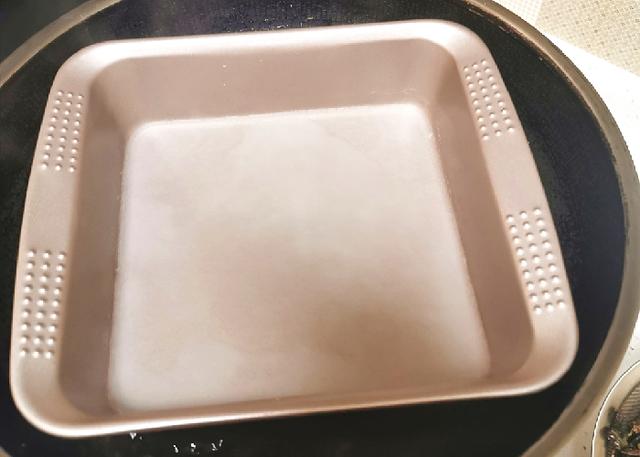
If you don't know if it's cooked or not, you can see if there are bubbles. If it bursts into a big bubble, it's cooked. The flour slurry will also change from white to transparent.
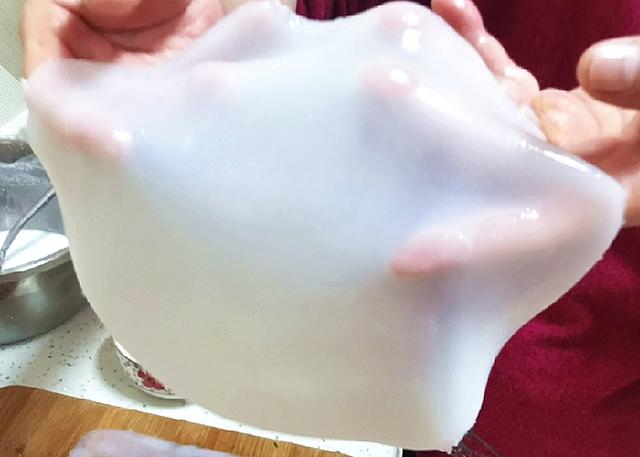
Then take it out and put it in a cool water basin to cool down. Then take the liangpi out of the basin. One liangpi is done. You can repeat the process with the remaining flour slurry.
Finally, the preservation method.
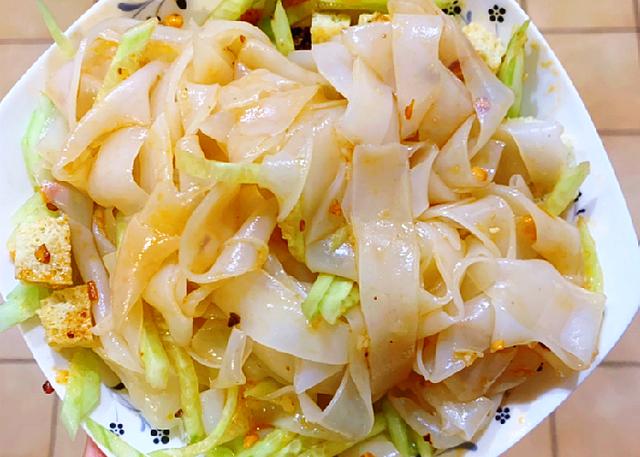
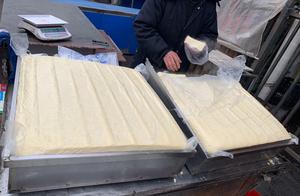
After steaming the liangpi, brush a thin layer of oil on each piece, and then stack them together. This prevents the liangpi from drying out and becoming hard when it cools. However, liangpi cannot be stored overnight or frozen. It's best to eat it the same day you make it. Otherwise, it will become hard, and if you stir it a little, it will break and won't have a chewy texture or a good bite – it won't be chewy and good.