Stock Up on Food – Kitchen Freshness Secrets, All Here, Don’t Forget to Collect!

Recently, due to the special period, it is less likely to go out, and when going to the supermarket, it is inevitable to stock up on kitchen ingredients “one trip buys a car, a week to eat” such as this is quite efficient, but it also tests our storage skills. Today, let’s talk about how to ‘fresh’ various kitchen ingredients?
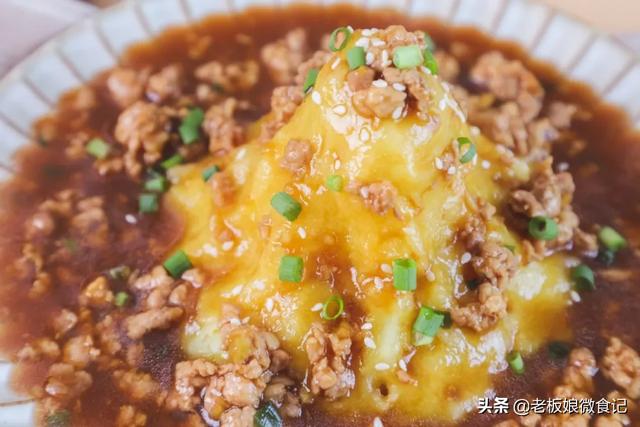
Potatoes are very durable, a potato is enough for a rice bowl killer ‘volcano mashed potatoes’
The refrigerator is a good thing, but every ingredient has its own personality, and careless handling in storage can easily ruin it. Various vegetables, meat, etc., should be handled with care before putting them in the refrigerator.
Regarding ‘preservation’...
For ‘preservation’, supermarket and market vendors are generally more professional. For example, the ones taken from the icebox are directly put into the refrigerator freezer; the ones from the refrigerator are put into the refrigerator compartment; the ones on the shelf with soil are put in the kitchen to be handled before being put in the refrigerator.
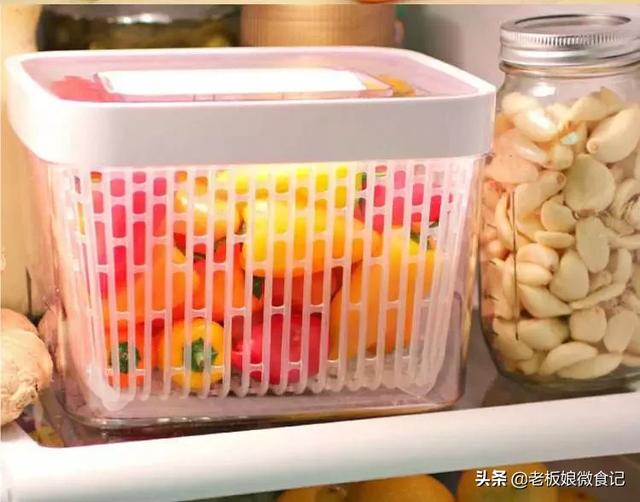
Before storing, there are a few points to note:
1,When selecting vegetables, try to choose vegetables that have not been sprayed and not dug up;
2,Leafy vegetables should be peeled off the rotten leaves and broken branches, and the unnecessary vegetable stems and leaves should be removed;
3,Vegetables should not be washed or cut in advance, as knife cuts and moisture will accelerate decay;
4,If washing is necessary, it must be thoroughly dried before use to avoid accelerating decay;
5,Vegetables and meat should not be stored together, as they will contaminate each other.
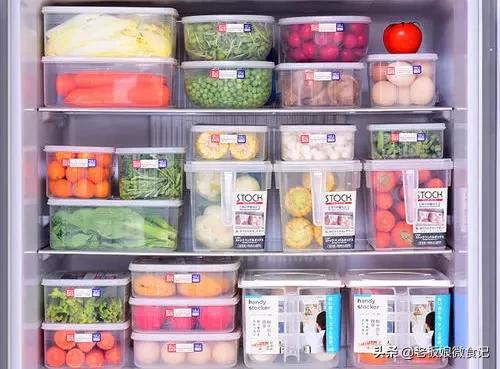
Many friends often find old vegetables in the corner of the refrigerator, which is actually due to poor refrigerator organization. All ingredients are piled up randomly, and it is easy to forget about some ingredients.
Therefore, it is best to store ingredients in a systematic way by type in the refrigerator, and use preservation boxes as much as possible. If you are not sure about the ingredients, you can write them on paper and put them in the refrigerator to easily find them.
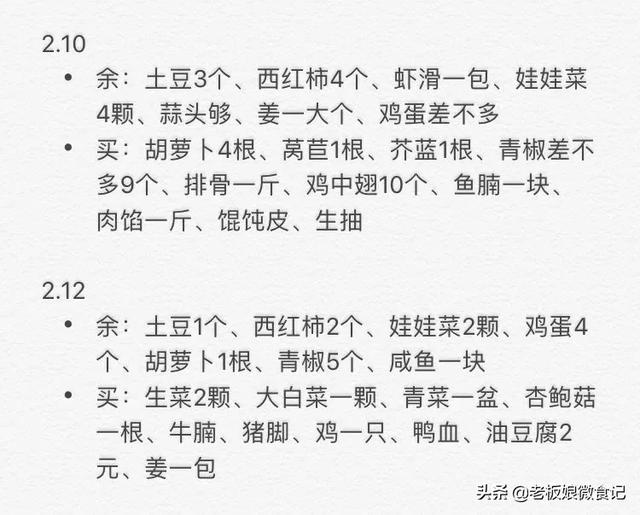
You can also record the ingredients needed on your phone’s notes or stick on the refrigerator; each has its own advantages: recording on the refrigerator allows you to clearly see what’s left in the refrigerator; recording on your phone allows you to easily purchase new ingredients.
Let’s talk about the precautions when purchasing ingredients, and then let’s share specific preservation techniques for different types of ingredients:
Regarding meat
Compared to vegetables, meat preservation is more direct. Most of them can be put directly into the refrigerator freezer, it’s not an exaggeration to say that some can be stored for half a month. Another method is to marinate. Pork can be made into salted meat circles or sausages; chicken and duck can be made into roast chicken and roast duck; fish can be marinated into salted fish or fried fish.

Fresh pork can be made into sausages and can be stored for several months or even more than a year.
Click on the image to view the method.
Meat, beef, lamb:When buying a lot of meat, it’s recommended to first plan what to make, how much to eat, and then cut and portion it out, dry it, and then put it in a preservation bag for storage.
Chicken and duck:First clean the internal organs, and put the internal organs in a preservation bag; then cut the meat into pieces or whole and pack it in a sealed preservation bag, depending on how you eat it.
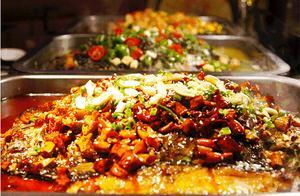
Seafood: shrimpIt’s recommended to buy shrimp and prawns, which are meaty, and can be directly packed in a preservation bag and frozen, or made into shrimp patties; ShellfishSuch as clams, scallops, etc., can be put in salt water for a week, which not only keeps them fresh but also helps to eliminate gas; FishIt’s recommended to buy black fish, catfish, and eel, which are tenacious and lazy, and change the water every few days with a little water each time.
Frozen items:These are usually bought in the freezer, so it’s simple: such as chicken wings, chicken feet, yellow croaker, cutlassfish, each type is separated and packed in preservation bags for freezing.
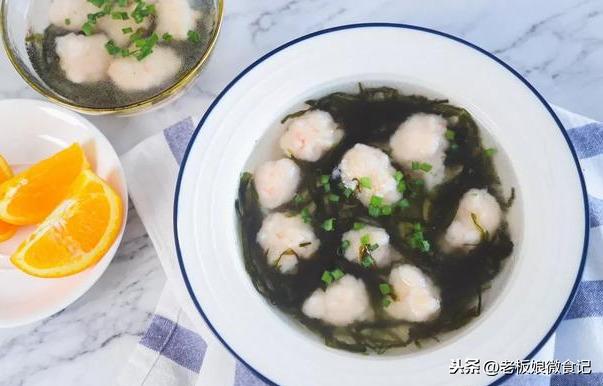
Making shrimp patties can be frozen in a preservation bag for a week, and then thaw naturally before cooking.
Note that the items that need to be frozen should be sealed before putting them in the freezer, which can prevent the taste from being contaminated. Compared to haphazardly stuffing meat into the freezer, this small portion makes thawing easier and prevents repeated thawing and freezing.
Regarding vegetables
There are many types of vegetables, including leafy vegetables, root vegetables and fruits, mushrooms, and beans, and each has its own preservation methods, some can be refrigerated, some can be stored at room temperature, and some can even be frozen.
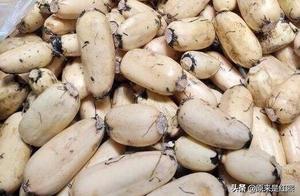
However, it’s still recommended that you stock up on potatoes, sweet potatoes, yams, pumpkins, and mountain yams, which are easy to store; even if you forget about them, they can still be eaten after several months.

Sweet potatoes have many ways to eat, and is also a good choice for slimming.
01, Leafy Vegetables
Spinach, lettuce, cabbage, amaranth etc.
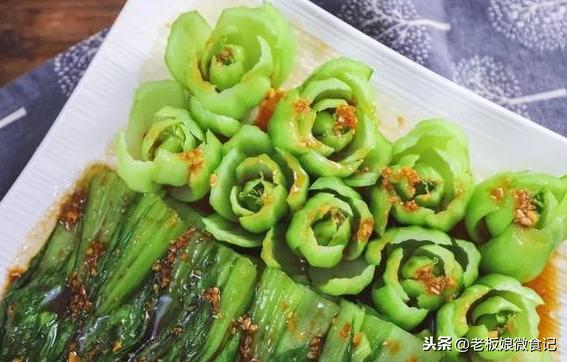
Spinach, when cooked, adds a sauce, it's delicious and won’t be boring every time.
Leafy vegetables are the most difficult to preserve among all vegetables. So, it’s best to eat them immediately, and at most, don’t buy more than two portions, otherwise, no matter how well you preserve them, they will still rot and turn yellow.
When facing delicate leafy vegetables, the primary preservation method is refrigeration. However, after buying leafy vegetables, it’s best to pre-treat them before refrigeration to preserve them for a longer time, and they will be in better condition.
The preliminary treatment mainly involves the following steps:
1, Remove the leaves that are already rotten and yellow and broken, avoid the rotten leaves affecting the fresh leaves.
2, Dry the leafy vegetables, and divide them into small portions for each portion to be eaten.
3, Place a clean damp kitchen paper, which can absorb the moisture from the vegetables and provide a relatively humid environment for the vegetables.
4, Put them in the refrigerator's vegetable compartment or put them in a preservation box to prevent them from being squeezed and damaged, which will make them rot and turn yellow more easily.
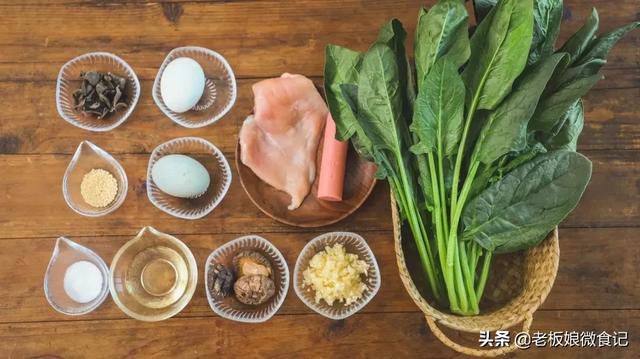
Vegetables in a not-so-optimal state are suitable for making soup, and the soup made with spinach is fresh and delicious.
The above methods are mainly applicable to fresh leafy vegetables bought, how to deal with the already slightly shriveled leafy vegetables? Let’s teach you a trick, you can put these vegetables into water for a while, after absorbing water, they will be fresh again.
02, Root Vegetables গুঁতি
Root vegetables are relatively durable, so they can be stored at room temperature in the shade and with ventilation, and can be stored for about a month.

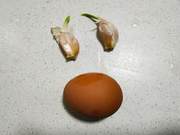
You can also cut the garlic into pieces and leave the skin to store in the refrigerator for about two weeks; if you like leafy vegetables, you can try this garlic-infused egg soup.
Large garlic:
Large garlic is relatively durable, so it can be stored in the shade and with ventilation, and can be stored for about a month.
If you don’t have it, you can cut the garlic into pieces and leave the skin to store in the refrigerator for about two weeks.
Garlic with a strong flavor can be used in a variety of dishes.

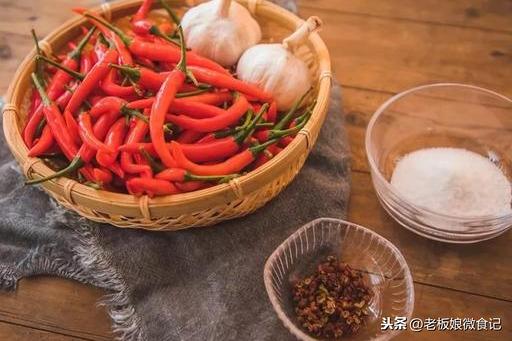
Small chili peppers:
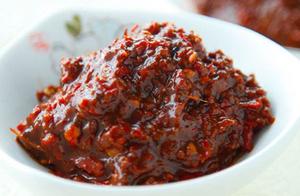
Fresh chili peppers can be put in a preservation bag and frozen, and can be frozen for about a month. If you don’t want to freeze them, you can dry them or wash them off before packaging them in a preservation bag and freezing, which can store them for a year.
In addition to storing them, you can also make chili sauce and put them in sealed cans for storage, which can be stored for 6 months.
03

3
3
04

3
05
2

2

3
6