Three Common Venomous Snakes in Rural Areas – Due to Their Strong Toxicity, Villagers Rarely Provoke Them
In rural areas, with many mountains and abundant vegetation, snakes find it very easy to survive. The number of snake species seen in rural areas reaches dozens, and there are three venomous snakes that local villagers list as 'blacklist'.
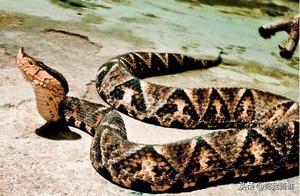
Chinese viper, also known as hundred-step snake, five-step snake, seven-step snake, Qi snake, etc. We habitually call it five-step snake in our village. Why is it called 'five-step snake'? Because of its extremely potent venom. However, some only walk a few steps before fainting in the fields. People habitually call it 'five-step snake' to describe the snake's extreme venom.
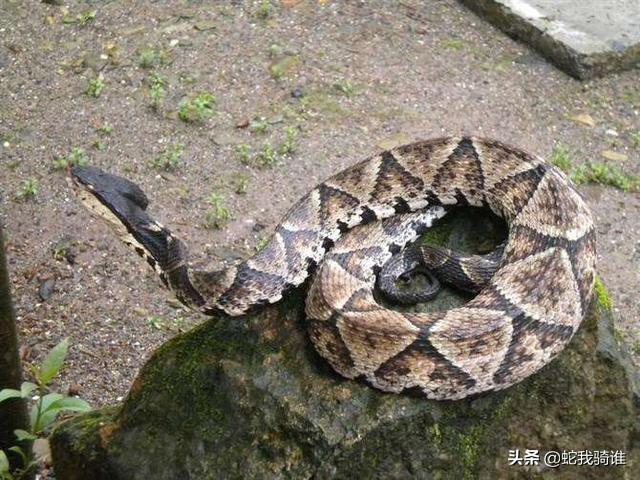
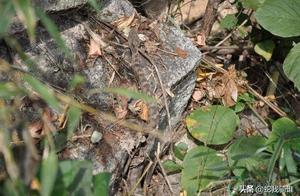
Scientific name: Earthball Viper, Yangtze Short-tailed Viper. Local names include wild seven-scaled snake and chicken vine snake (Jiangxi). These venomous snakes are widely distributed in China, and most provinces have them. This snake's venom is second only to 'five-step snake' in terms of toxicity. Because these snakes habitually lie in the grass and fields, they are very difficult to detect, and if you accidentally touch them, you have already been bitten.
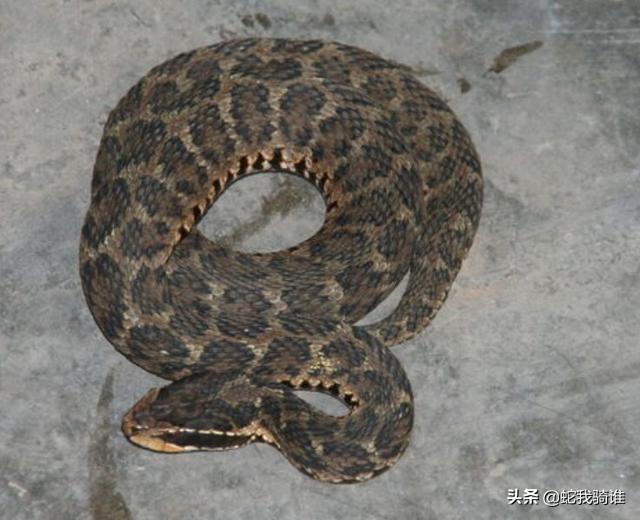
This venomous snake is the one that bites people the most among the three. Many villagers have been bitten by it.
Green bamboo, scientific name Bamboo Leaf Green Snake. This snake often hangs or wraps around tree branches, feeding on frogs, scorpions, and small insects. It has a very vibrant color, but it's difficult to find them hiding in the bamboo. Parents often used to say: 'Vibrant colors on the mountain usually mean poisonous snakes' when we saw them.
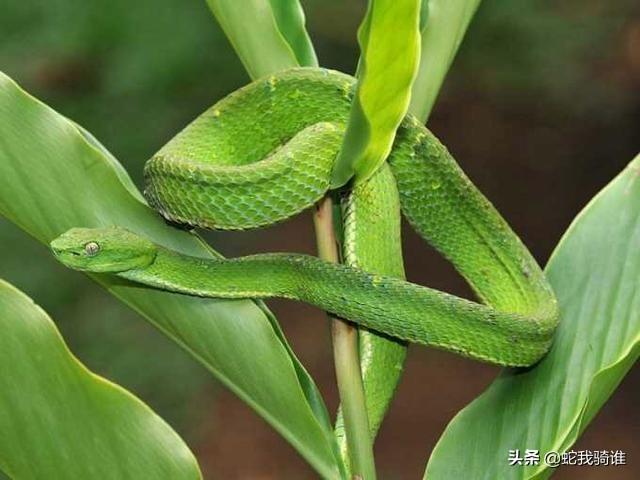
Venomous snakes are very common in rural fields, grass, and forests, far more than just these three. Villagers rarely bother with them because of their toxicity.
Common snakes in rural areas:
-01-Scientific name: Red Band Snake (venomous).
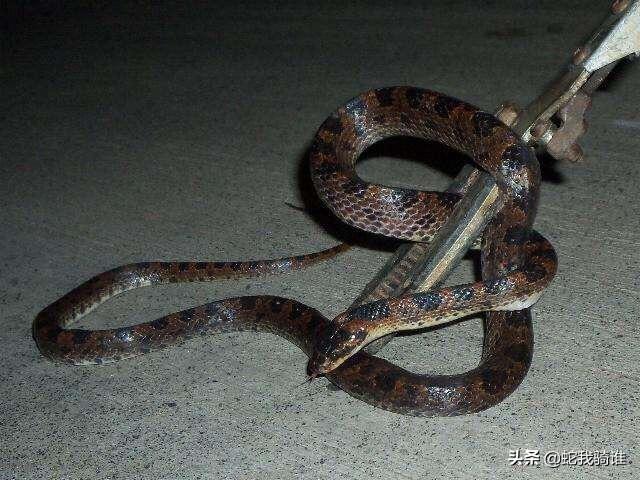
-02-Grass Flower Snake (non-venomous)
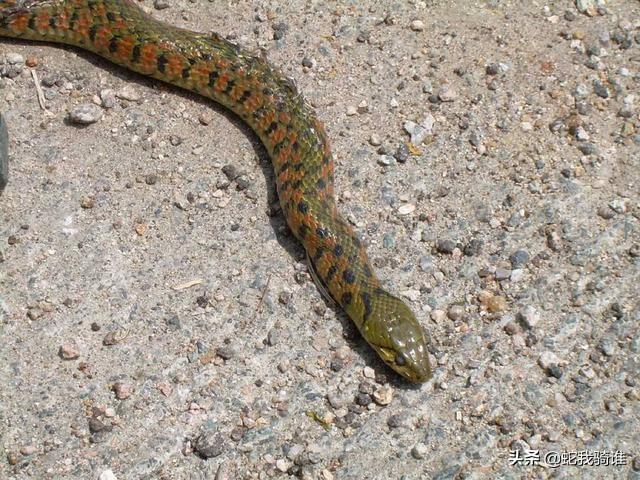
-03-Water Snake, also known as Red SpotSnake (non-venomous).