Alert Stone Pheasants Roaming the Mountains! Wild Animal Population in Beijing Increasing and Harmoniously Coexisting with Humans
Farmers tilling the land return home for lunch, and one after another, pheasants, black-necked pheasants, and junglefowl follow closely into the field, searching for earthworms and silkworms in the new soil.
The patrol car of the Black Panther Wildlife Protection Station entered the mountains for protection, and the pheasants actually ran ahead, without being afraid!

In the past two days, the Black Panther Wildlife Protection Station, which is monitoring in the wild, discovered that pheasant-like species, as representatives of agile pheasants, are becoming more and more courageous, and often appear together with humans. The beautiful picture of harmonious coexistence between humans and wildlife proves that the biodiversity in Beijing is getting better and better, the food chain is becoming more complete and healthy.

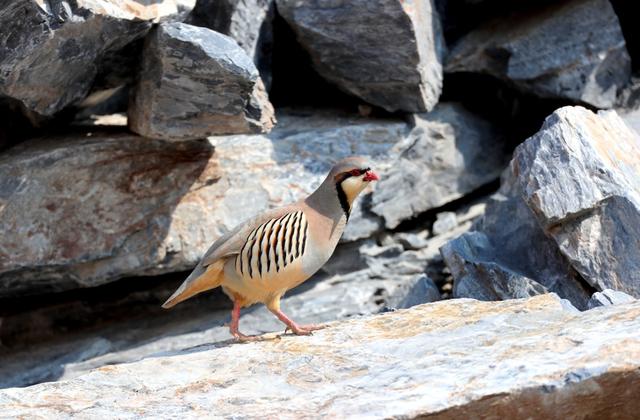
Stone pheasants, black-necked pheasants, and junglefowl, commonly known as 'pheasants' in the folk, are common wild animals in the outskirts of Beijing, and they are relatively cautious. It is very difficult to photograph them.
During daily monitoring, team members often get startled by pheasant-like species.

Pheasants have excellent mimicry, and the color of their bodies is very close to the surrounding environment. In nests, in the cracks of rocks, if it lies there motionless, it is difficult for predators to discover it.
Someone passed by, they suddenly jumped up, with their feet acting like take-off and landing, after spreading their wings to take off, this is their instinctive behavior for avoiding predators. 'Pattering, there is one here, there is one there.' In monitoring, when discovering pheasants, team members often say, 'Oh, startled me!'
In the 1970s and 1980s, due to the low popularity of wildlife protection laws, the number of pheasants in the outskirts of Beijing was not many. In recent years, with the increasing popularity of wildlife protection laws and the gradual increase in people's wildlife protection awareness, the number of pheasants and other wild animals has been increasing year by year.
Pheasants are at the bottom of the food chain, and as their numbers increase, the number of wild animals that feed on them also increases.

'We found that leopards, sika deer, pronghorn antelopes, and wild boars are also increasing year by year and are becoming less afraid of humans. This shows that the biodiversity in Beijing is becoming more abundant, the food chain is becoming more complete and healthy.'
Recently, pheasants have become more and more courageous.
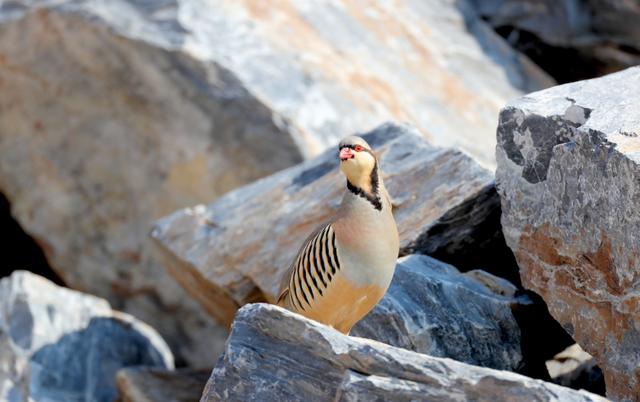
To what extent, they run ahead in the patrol car, just leading us leisurely. There are stone pheasants calling from the two sides of the rocks and the gaps in the forest, and you can hear the junglefowl foraging in the field. 'Li Li, Director of the Black Panther Wildlife Protection Station' introduces,
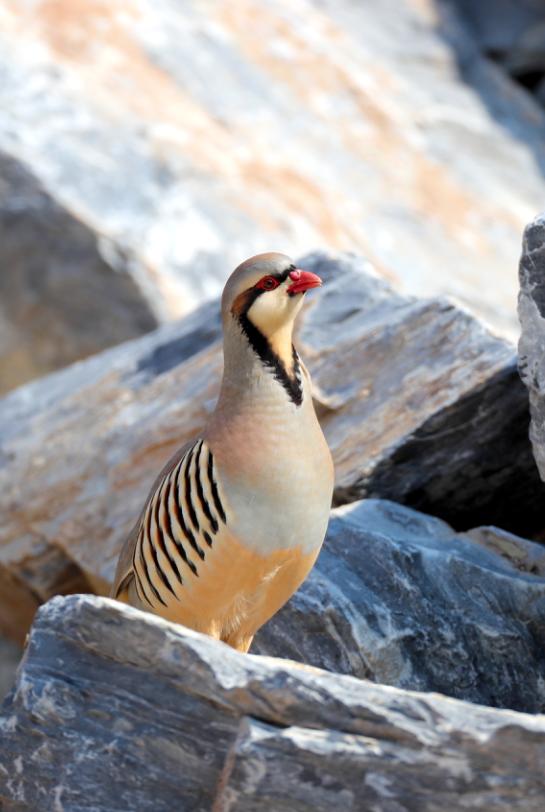
During monitoring, team members often get startled by pheasant-like species.
Stone pheasants are called stone pheasants because they like to live near large stones. They make their homes in granite and rubble slopes. Stone pheasants have mottled markings on their sides, and their feathers are very similar to the color of the stone. Stone pheasants are more abundant in Fangshan and Mentougou areas because the mountains and granite in these areas are particularly suitable for stone pheasants to grow.
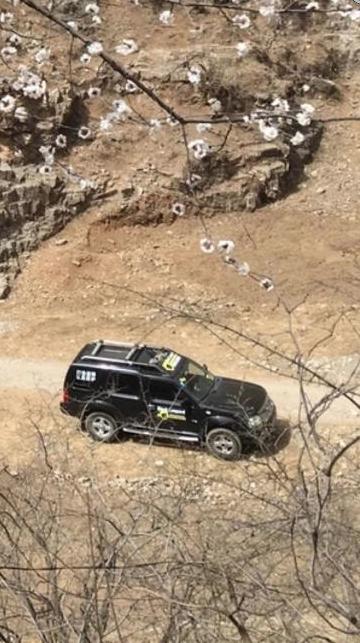
The patrol car
'When we rest on the roadside, farmers who have finished their work come over to see the photos we took, and they are surprised, 'Wow, they are so beautiful!'' Li Li says,
Roadside mountains bloom, pheasants run ahead, new green shoots come out of the trees, farmers have chickens and ducks in their yards, and some are trimming fruit trees in the forest. The unintentional beauty of nature is touching.
Li Li, takes a photo
Source: Beijing Daily Client | Reporter Yu Lisang
Editor: Cai Wenqing
Process editing: Wu Yue