Abundant Tourism Resources and Well-Known Local Specialties, Yet the County's Name Remains Largely Unknown
Introduction:
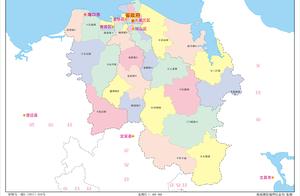
Regarding Huanshan County, Anhui Province, many people’s first association is with ‘National Level Poor County’ and ‘The Cradle of Generals, Revolutionary Base’. Indeed, located in the western part of Anhui Province, in the depths of the Dabie Mountains, belonging to the city of Lu’an, Anhui Province, Huanshan County is indeed a ‘National Level Poor County’, it has been working hard to remove the ‘poverty’ hat. Many people are also puzzled: Huanshan County has abundant resources, whether it’s tourism resources or agricultural industry, they are quite substantial, but why is its name so little known?
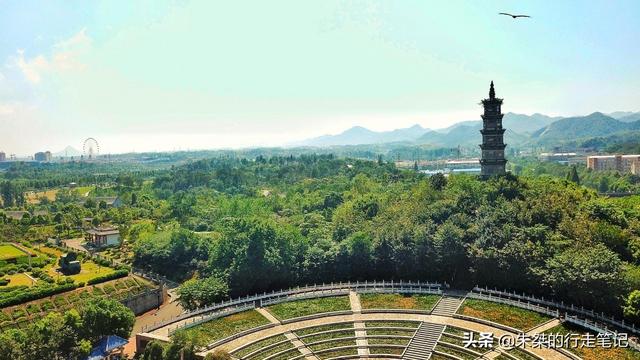
First, let’s talk about Huanshan’s history in modern times. Most people’s understanding of Huanshan is that it is a place of great talent and land, with a long and rich cultural history. Numerous writers and scholars left beautiful chapters within its territory, the most familiar and important one being its location in the depths of the Dabie Mountains, which has a superior geographical location, and played an important strategic role during the War of Resistance Against Japanese Aggression.
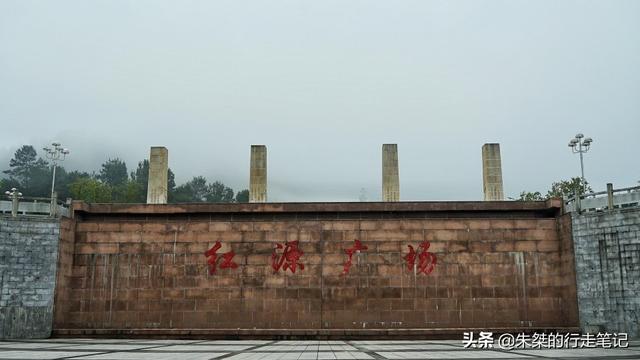
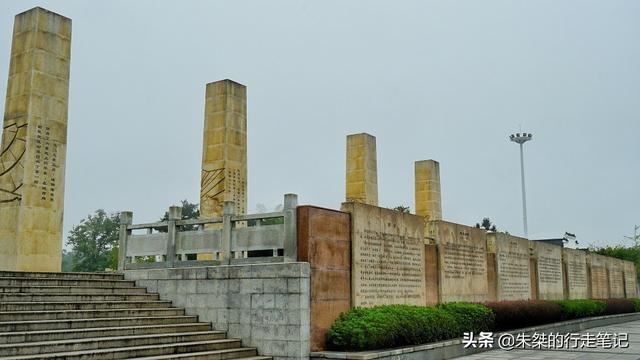
In the summer of 1947, the Liu and Deng Armies marched into the Dabie Mountains, marking the beginning of the strategic offensive. As Huanshan, a strategically defensible location at the bottom of the Dabie Mountains, became a famous revolutionary base, the core area of the Revolutionary Base, and an important part of the Revolutionary Base, it was the center of the Red Area in Anhui Province. In the arduous and tortuous revolutionary struggle, the people of Huanshan bravely fought for their lives and blood, creating many touching heroic stories.
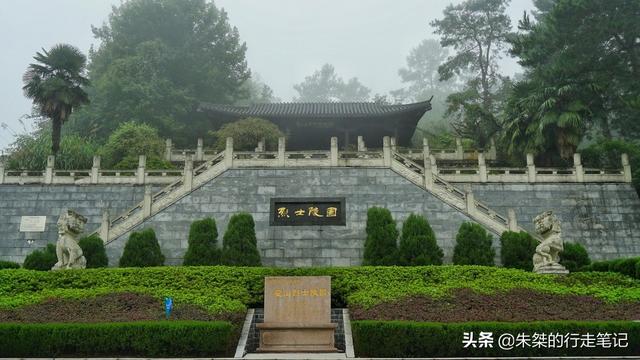
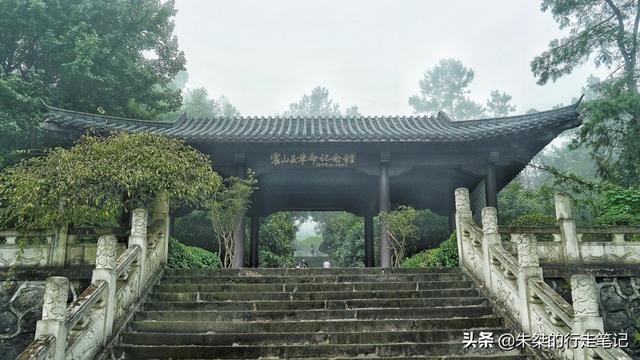
Huanshan County left an important chapter in China’s modern history, becoming a center for the Red Area during the period of the Chinese Revolution, it's the hometown of the Red Army, the cradle of generals, and its territory created many popular destinations for red tourism, the most famous of which are Huanshan Martyrs’ Cemetery and Revolutionary Memorial Hall.
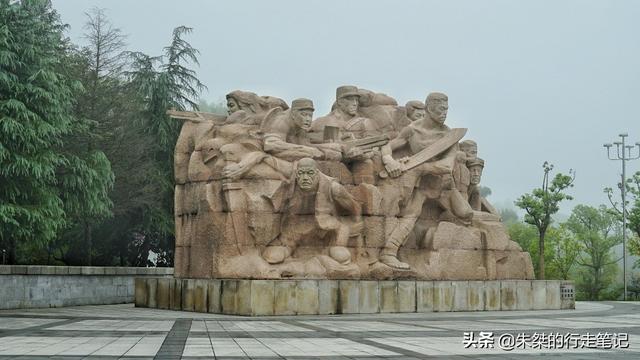
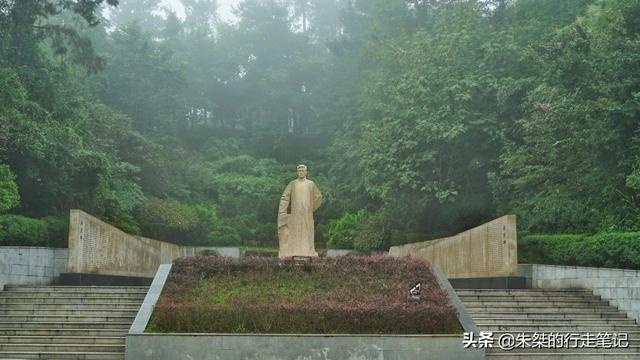
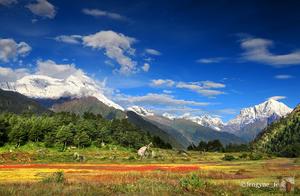
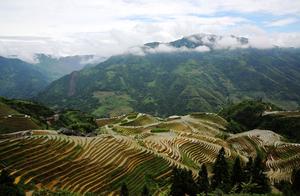
In addition to cultural landscapes, Huanshan also has numerous natural landscapes. The famous Dabie Mountains, located at the junction of three provinces, have left different mountain landscapes in the three provinces, Huanshan County, which is located in the depths of the Dabie Mountains, is also favored by the Dabie Mountains, and its territory has left many special mountain landscapes, such as the first peak of the Dabie Mountains, White Horse Peak, with an altitude of 1777 meters, “Yellow Mountain North,” with the beauty of ‘Yellow Mountain North,’ Copper Bell Ridge, with mysterious colors, South Mountain, and various unique peaks suitable for professional potholing explorers, Yang Three Village.
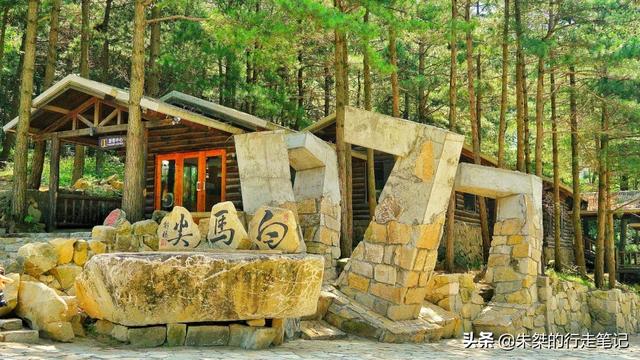
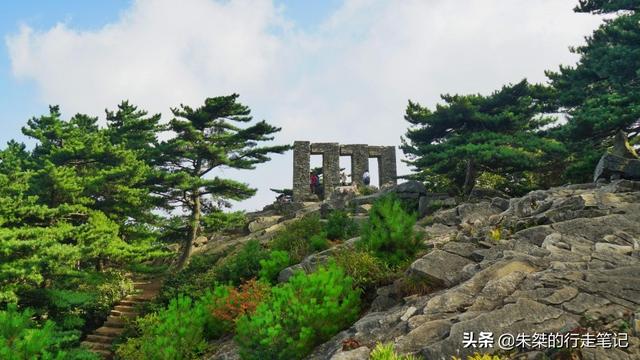
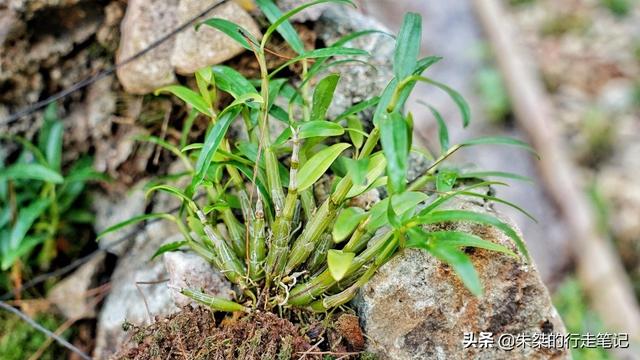
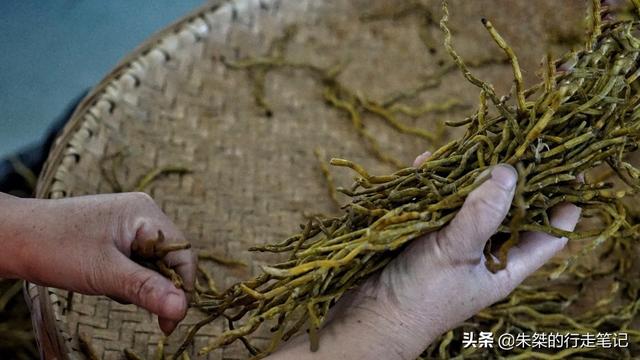
The generous Dabie Mountains left many mountain landscapes for Huanshan, and created a favorable natural geographical environment for it. Huanshan County’s landform features are “Seven Mountains, One River, One Field, One Road, and One Manor,” with abundant vegetation and a large number of species, forming a relatively complete ecological system, vertical distribution of forest vegetation, and abundant rare species. Its natural ecological environment is the best place to grow “Chinese Dewdrop” – Dendrobium, and it’s also known as Chinese Dewdrop.
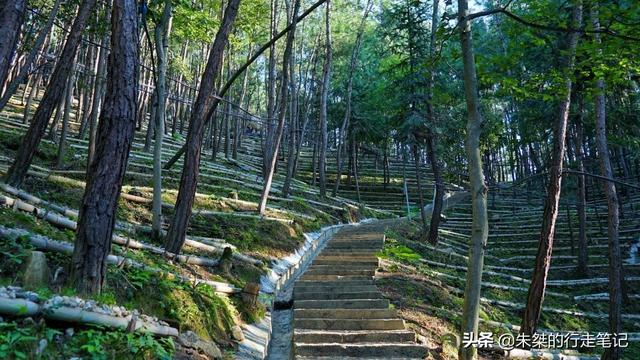
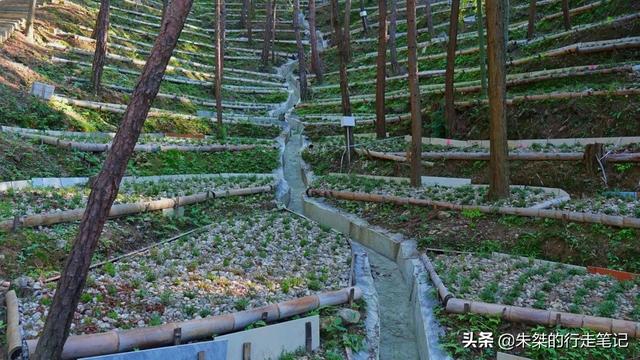
We all know that Dendrobium has extremely peculiar growth requirements. It likes warm, humid, and half-shady growth environments, and its annual rainfall must be more than 1000 mm, and its humidity must be greater than 80%, and high-quality Dendrobium usually grows in loose and deep soil or grows in cracks, Huanshan’s geographical environment just meets Dendrobium’s picky requirements, therefore Huanshan Dendrobium has become a rare and precious Dendrobium, and is well-known throughout the country.
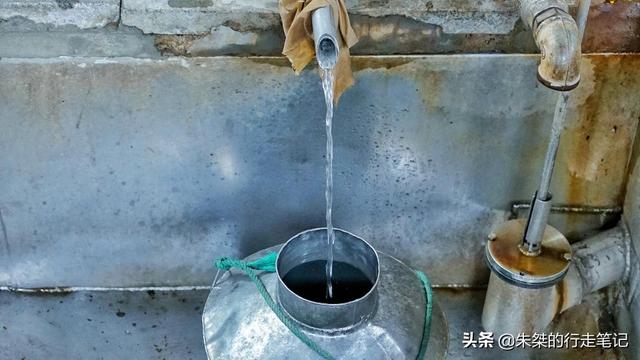
As the saying goes, “Live by mountains and water,” located in the depths of the Dabie Mountains, and the Huai River first-order tributary of the Ermu River flows through it, also breeds Huanshan County’s long-standing wine culture. Huanshan’s renowned “Yujing Wine” is a national old brand, its history can be traced back to 106 AD during the reign of Emperor Wu of Han, when Emperor Wu of Han crossed the Huai River and traveled upstream along the Ermu River, entering the Hengshan Kingdom (now Huanshan County, Lu’an City, Anhui Province), Emperor Hengshan chose the best wine to offer to Emperor Wu of Han, and Emperor Wu of Han praised it repeatedly, and “Yujing Wine” was named accordingly, becoming a prominent banner of Huanshan County, and this national old brand, fragrant white wine is popular throughout the country.
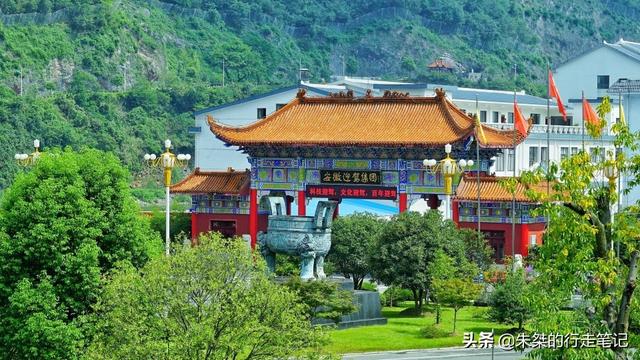
Many people are also puzzled: Huanshan County has so many tourism resources, and such a popular local specialty, but why is its name so little known? This is actually easy to understand, because Huanshan County is located in the depths of the Dabie Mountains, its arable land is very small, although Huanshan Dendrobium is famous, but its output is limited, and it's not everyone who can grow it, and there are many renowned wines in Anhui Province, such as “Yujing Wine,” which is not the only one. The main reason is that it’s located in mountainous areas, many villages are inconvenient to access, and its arable land is small, which limits its economic income and industrial development, so its local economic development is greatly limited, and its name is not well-known.
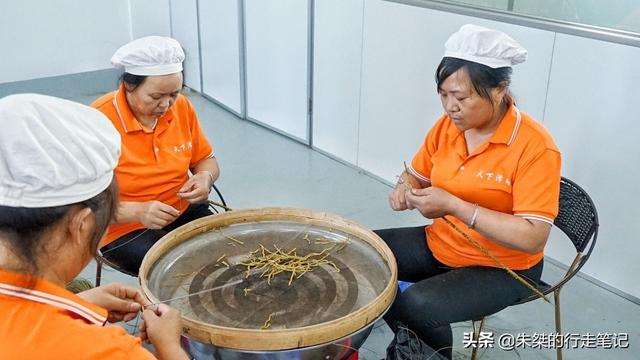
However, we have reason to believe that the hardworking and intelligent people of Huanshan will definitely find a development path that suits them and let others know that the place where they live is a land of talent and beauty.