Solo Hiking Through Xinjiang's Dangerous Ancient Road: A Journey Through Almost Empty Trails
In the eyes of many travelers, the pursuit of beautiful scenery is like a child's excitement with a new toy, full of passion and cherish. Whether it's a mountain or a stream, a flower or a grass, it can captivate people's hearts and bring endless aftertaste.
I have a dream of Xinjiang, to the West to go, to see the majestic Tian Shan in my mind. To ensure smooth hiking, I deliberately trained for a month. I set a goal for myself, getting up early every day to go for a run, and 10 kilometers was the daily running distance.
Time flies by, and soon it's May, I packed my bag and set off. My final destination pointed to a place –Zaosu Xiaota Ancient Road
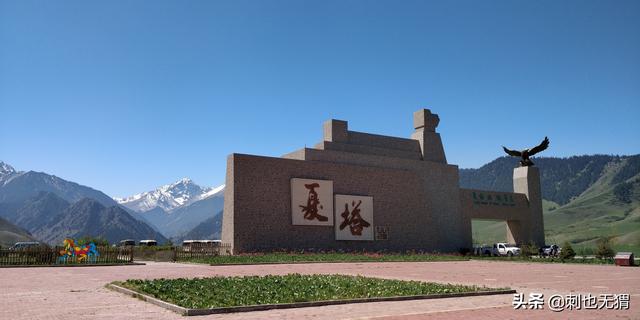
Xinjiang has abundant tourism resources, and there are many outdoor hiking routes. Among them, the Zaosu Ancient Road (also known as the Shatuo Ancient Road), is considered a representative of high difficulty and intensity in Xinjiang outdoor routes.
Compared to Wolf Tower Line C and Wusun Ancient Road, the Zaosu Ancient Road's crossing difficulty isn't the highest, but it faces various terrain tests, with a high risk coefficient. Precisely for this consideration, I spent more than a month specifically training my body to respond to various emergencies that may occur during hiking and mountain climbing activities.
Xinjiang is vast in area, geographically divided into north and south by the Tian Shan Mountains. The south of Tian Shan is called the south Xinjiang, while the north is called the north Xinjiang.
In fact, there is a significant difference between south Xinjiang and north Xinjiang. Friends who have been to Xinjiang should know that north Xinjiang has always been a paradise for tourists, such as Urumqi, Ili, Karst and Karashan Scenic Area, etc.
North Xinjiang has mountains and grasslands, and there are abundant natural tourism resources. In contrast, south Xinjiang is mostly desert and Gobi, which is appropriately described as desolate.
The crossing of the Zaosu Ancient Road is one of the routes connecting north and south Xinjiang. With the continuous expansion of Xinjiang's road network, this dangerous ancient road, except for some adventurers, has gradually been forgotten. Without this shortcut, if people want to go from north Xinjiang's Zhao Su County to south Xinjiang's Wenhu County, it will add at least a thousand kilometers, which is a considerable detour.
The ancient road starts from the Ili Prefecture's Zhao Su County and finally reaches the Akesu Prefecture's Wenhu County, with a total distance of about 100 kilometers, completed in five days and four nights.
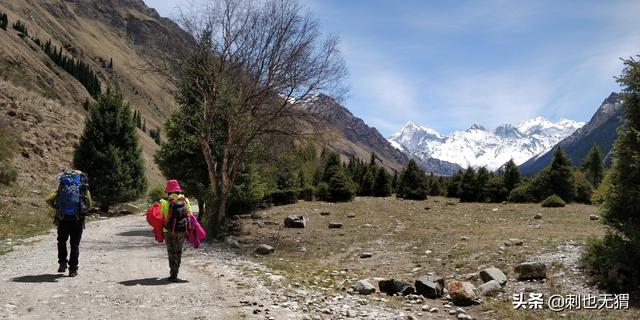
Buying a ticket to enter the scenic area, I just happened to meet two fellow travelers from Guangdong. After a brief chat, I saw me carrying a 65L large backpack and full of equipment, curiously asked me if I planned to cross the whole route. After I confirmed my intention, they were surprised and asked, 'Just a solo traveler crossing such a dangerous route?'
I explained to them that I have extensive experience in hiking and crossing, and they quickly agreed to walk with me for a while. So the three of us began our hiking journey.
It was late May, and the weather was gradually getting hotter, which meant that the melting glaciers and snow mountains would increase the flow of water, and the crossing of the Zaosu Ancient Road was also the most risky part, which is frequent river crossing.
To ensure safety, local authorities have issued a statement prohibiting further crossing activities. At that time, I thought that with two less experienced outdoor hiking companions, it was too risky for them. Plus, considering their age, they couldn't bear to endure. So, at a rest stop, I dissuaded them, fortunately, both of them didn't intend to cross the whole route, so I agreed to just take a walk around before dark.
I separated from the two of them and continued on my own. The next leg of the journey, I was alone.
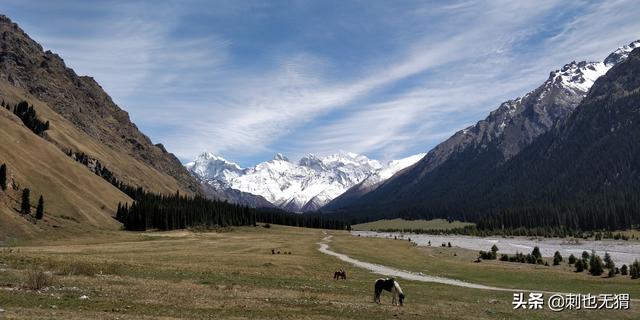
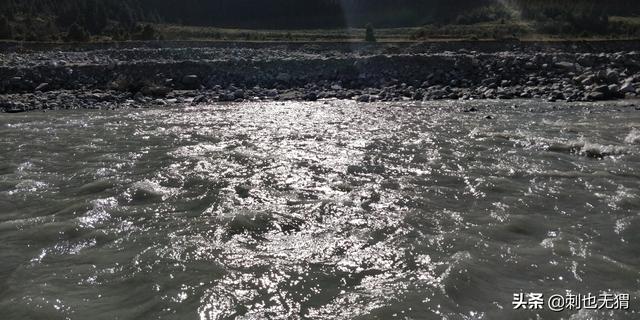
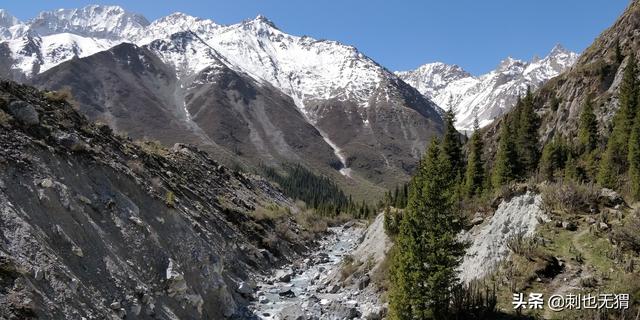
There were a few moments when I really intended to cross the whole route, and I had plenty of food and drinking water, which was enough to sustain me for the next few days. But when I saw the water in the Zaoshu River becoming increasingly turbulent, and after a rough measurement, I predicted that the maximum water level might reach my thighs, I began to waver.
Crossing the Zaoshu Ancient Road has always been not an easy task. When professional equipment, rich outdoor experience, and the combined forces of favorable weather, time and place, it's only then that it's possible to truly cross successfully.
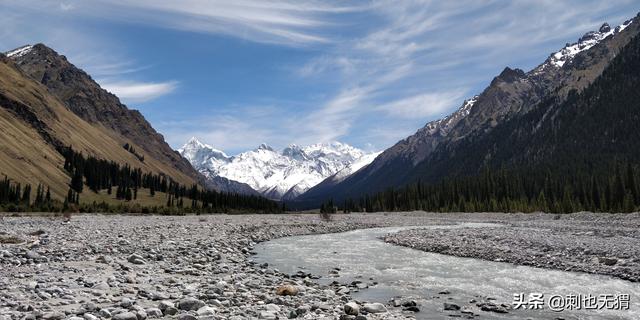
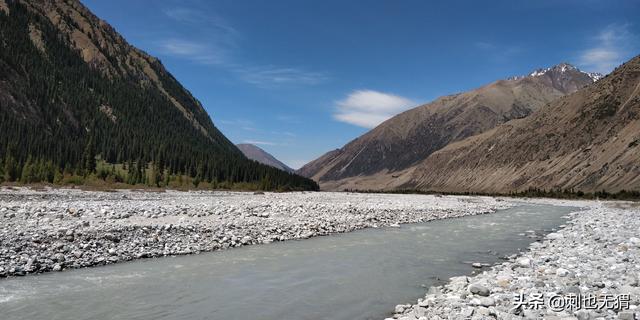
During my preparation for the hike, the weather was consistently hot, and the melting water caused the river water to rise rapidly, which was unexpected for me. I recalled that many people had accidents during the crossing of the ice river and unfortunately died. I had already given up this idea.
Let it be then.
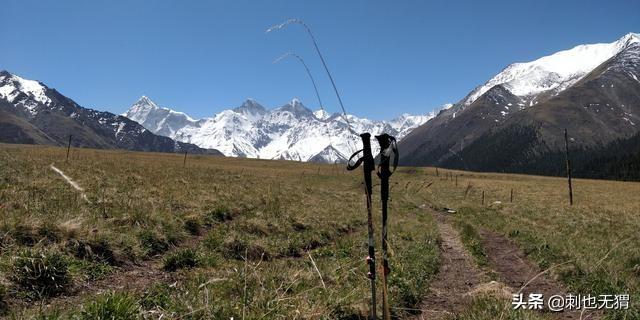
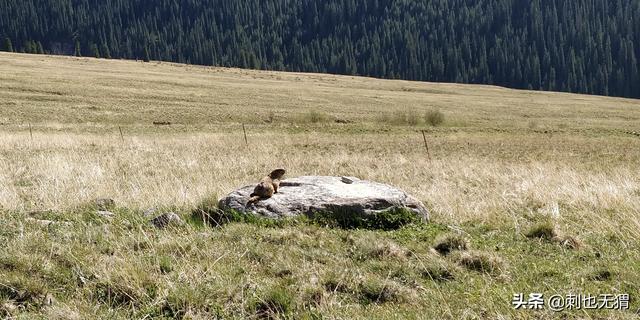
Along the way, the scenery is beautiful, and you can occasionally see plump thibet rabbits. They don't fear people and stand on rocks and grasslands, gazing into the distance. As an important species on the grassland, the existence of thibet rabbits can bring a good balance to the entire ecosystem.
Because thibet rabbits like to dig tunnels and live in underground caves, the soil on the grassland is more breathable, and because of their high nitrogen content in their droppings, they can also improve the soil quality.
Although thibet rabbits are common inhabitants of the grassland, I also want to call for everyone not to harm them, and as much as possible not to tease or feed them. Natural ecology has its own logic, and it doesn't need humans to interfere too much.
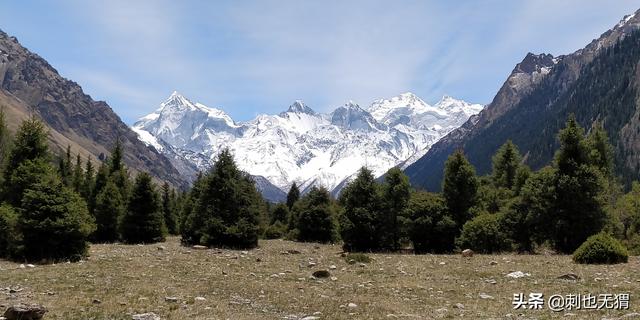
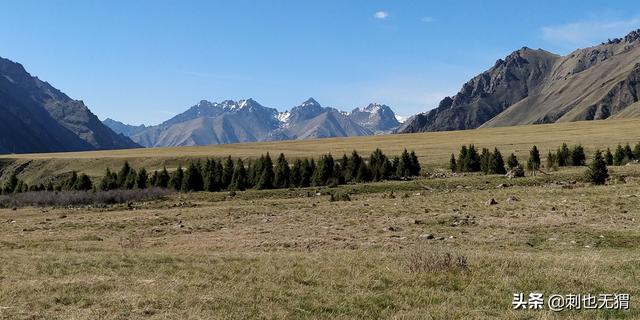
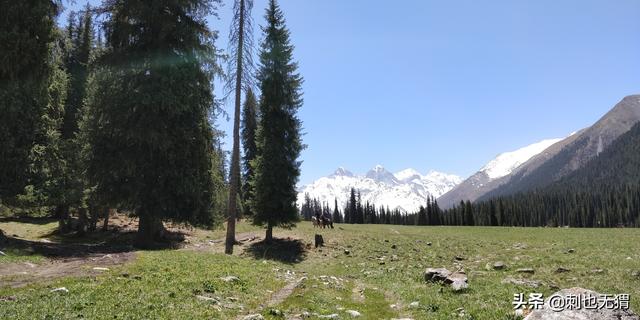
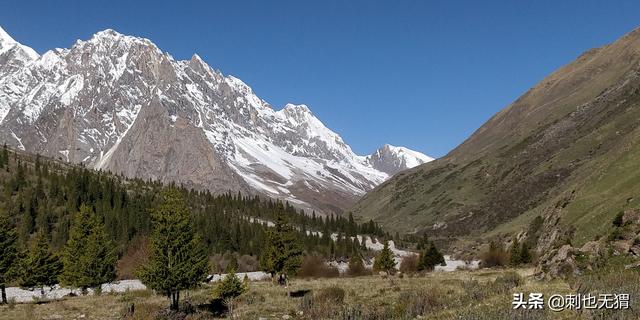
As the footprints deepened, a large forest came into view. I had heard that the Zaoshu Ancient Road had several famous 'treasure' items: snow mountains, glaciers, grasslands, and forests.
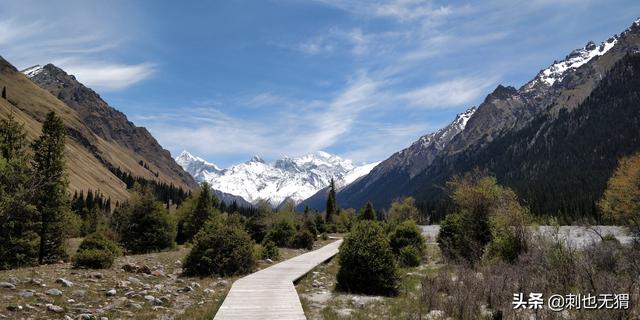
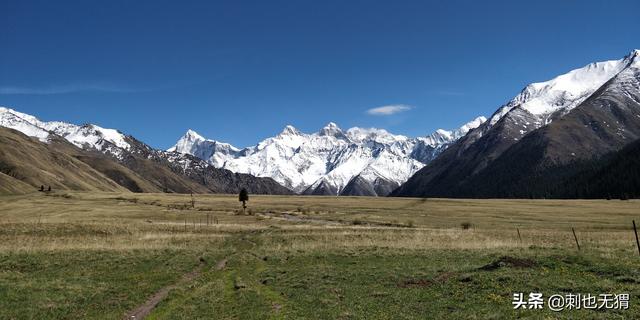
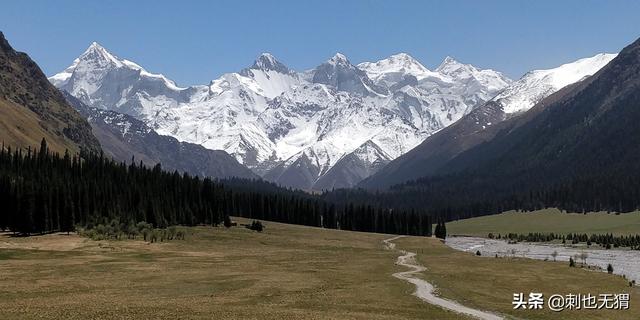
The purest and most beautiful factors in nature are concentrated here, and the entire sky seems to be full of happy factors. In the distance, the emerald green cedar trees stretched, and the background was a magnificent snow mountain, the strong contrast between the colors also attracted me to continue exploring.
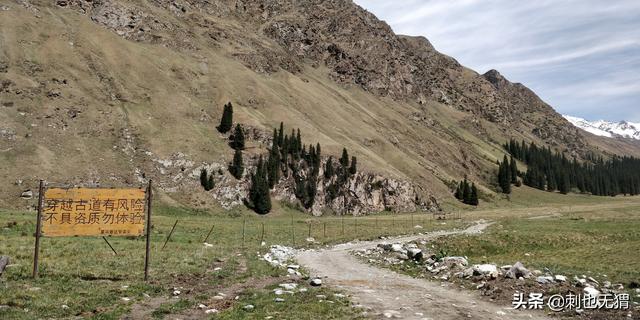
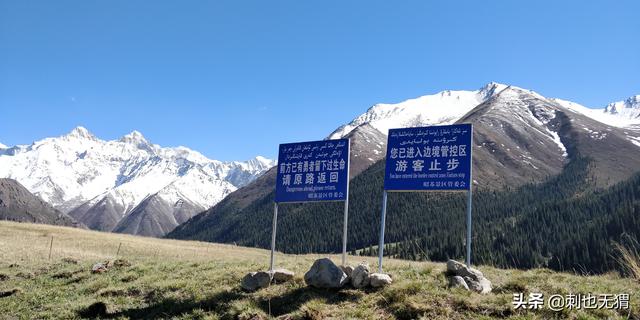
When I arrived at the edge, I saw warning signs. In fact, the Zaoshu Scenic Area was officially open to the public until this point. Further on, the road was complex and still retained its original state because it hadn't been overdeveloped, making it even more unknown.
I couldn't stop my footsteps here. The purpose of this trip was to appreciate the more magnificent scenery of nature. Although there were many unknown factors ahead, as long as I could ensure my safety, my steps continued.
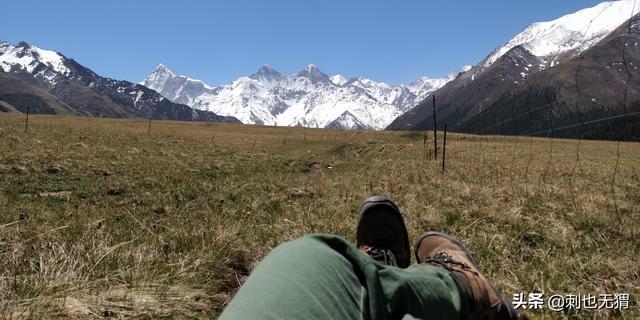
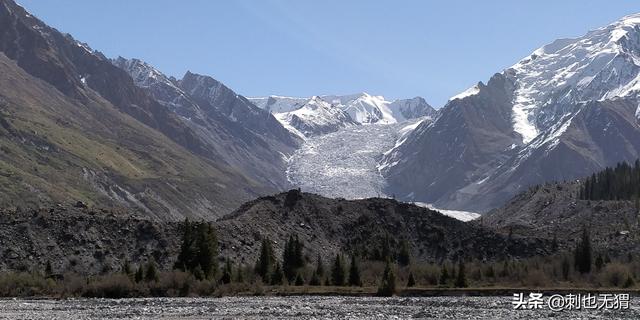
At Zaoshu, I could clearly see and admire the most eye-catching one – Hemu Mountain. It is the second highest peak in Tian Shan, and can be seen from afar, the snow mountain is majestic and snow-covered all year round. Due to frequent glacier collapses and complex geological conditions, it formed a steep and dangerous mountain face ইপিআর.
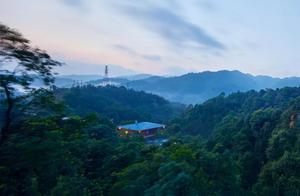
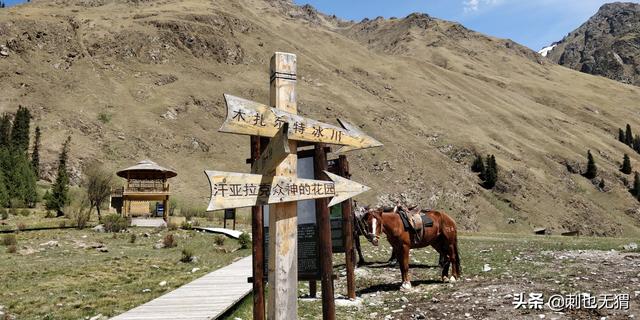
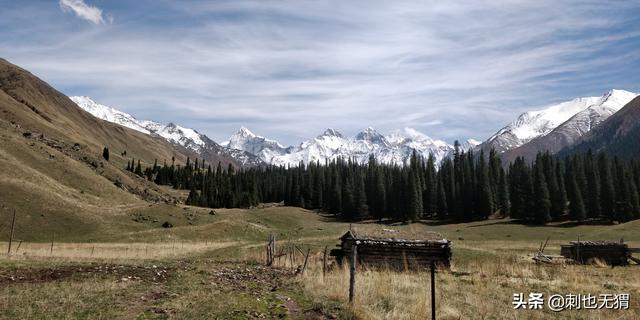
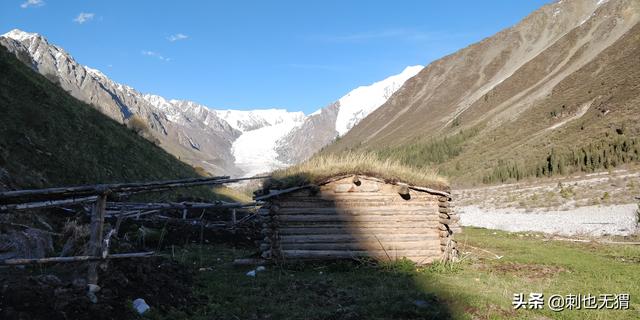
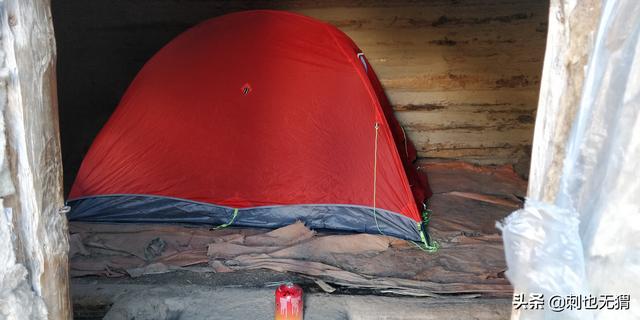
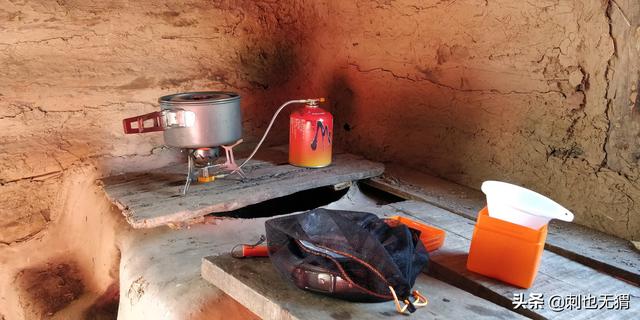
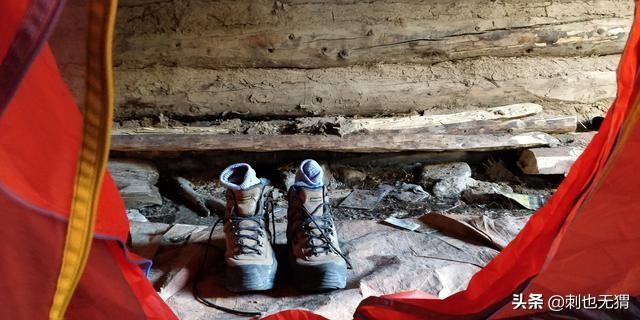
Finally, I saw an abandoned wooden house. Looking at the dusk, I stopped. That night, I set up a tent here, at least with a roof, it could shield against the cold and wind.
I quickly set up a tent in the small wooden house, which seemed very dilapidated and hadn't been used for a long time. But for backpackers who were hiking in this wilderness, it was like heaven.
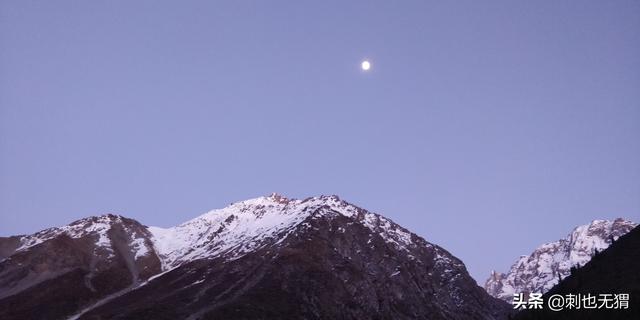
As the night fell, being in the shadow of the snow mountain, I could easily sense the cold wind. After exiting the tent, I looked up at the bright moon, and the fatigue of the whole day disappeared instantly.
For a traveler, the biggest significance is to discover his potential and find his shining points in the journey. At that time, I firmly believed that my shining point was to be persistent.
Based on my judgment the previous day, the next day I decided to turn back. Although I didn't cross the whole route, it would be a regret in my life. But only when you can be sure of your safety can you take action.
Finally, I want to share a philosophy of the mountaineering world with you: 'The mountain has always been there.' Whether it's daily travel or hiking, it's not necessary to be stubborn and pursue a specific scenery or result, just enjoy the process.
Last but not least, let's share a philosophy of mountaineering: 'The mountain has always been there.' Whether it's daily travel or hiking, it's not necessary to be stubborn and pursue a specific scenery or result, just enjoy the process.
To Xinjiang, what impressions or stories do you have? Welcome to leave your thoughts in the comments and share them with everyone! Text and images are original, infringement will be pursued.
“”
“”