Where to Go on a Xinjiang Trip? Also, How Did China's Oil Industry Rise?
It is said that to understand a place, one should start with its museum. Through various items and materials in the museum, one can deeply understand the local history and development, and also feel the memories and sentiments of contemporary people. If you want to understand the story of oil development in Xinjiang's Dushanzi, you cannot miss the Dushanzi Museum.
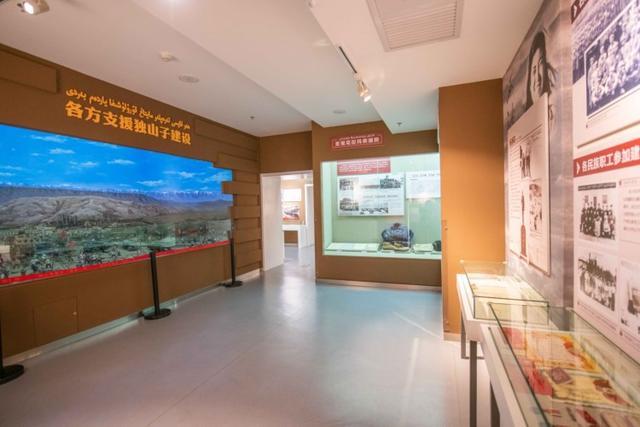
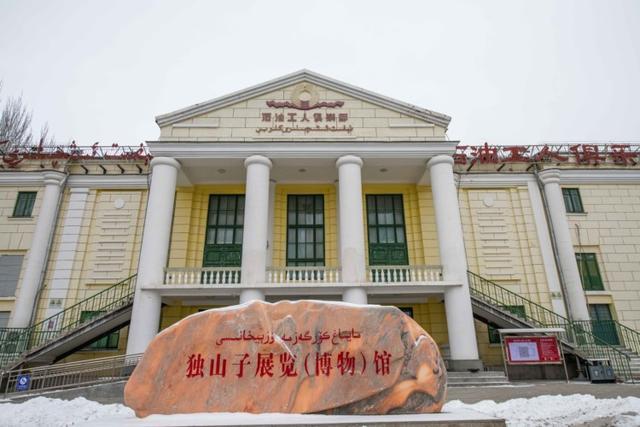
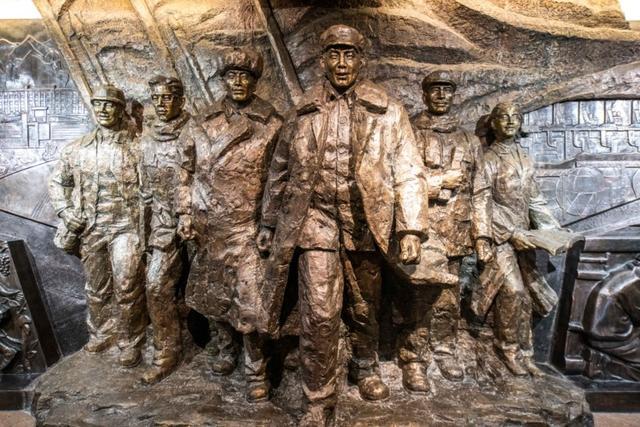
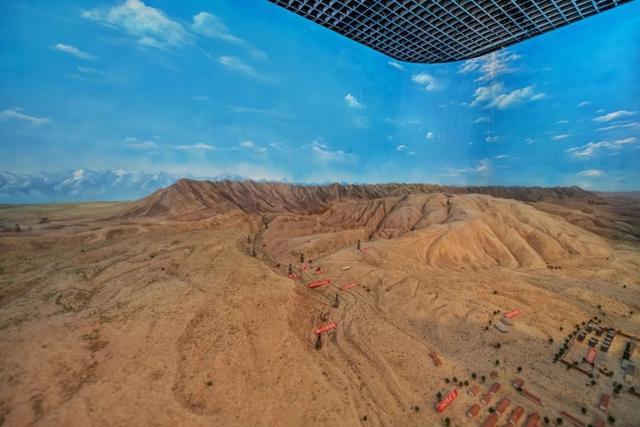
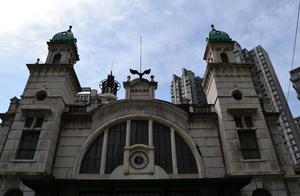
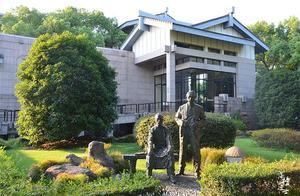
This museum stands alone in the Gobi Desert in an east-west 'Z' shape and is not connected to any mountains, hence its name, Dushanzi. It was built in 1955 and originally named the Oil Workers' Club. It was transformed into the Dushanzi Museum as it is today in 2015, showcasing the rise of Dushanzi's oil and chemical industry over 100 years. Few people would know about the difficult road of China's petroleum industrial development, but once you enter this museum, the diverse historical materials and exhibits will take you back to the contemporary era, witnessing how a backward Gobi desert transformed into a modern city.
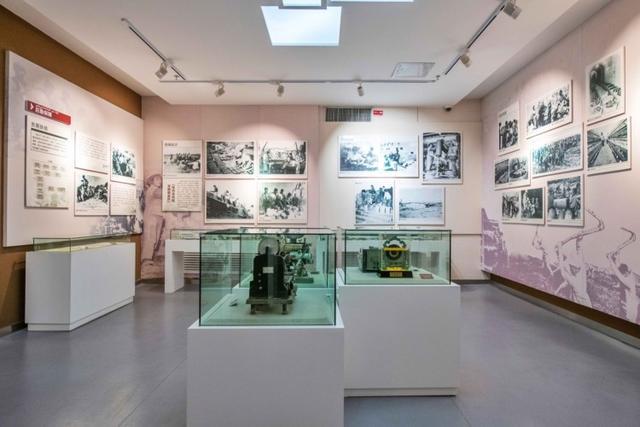
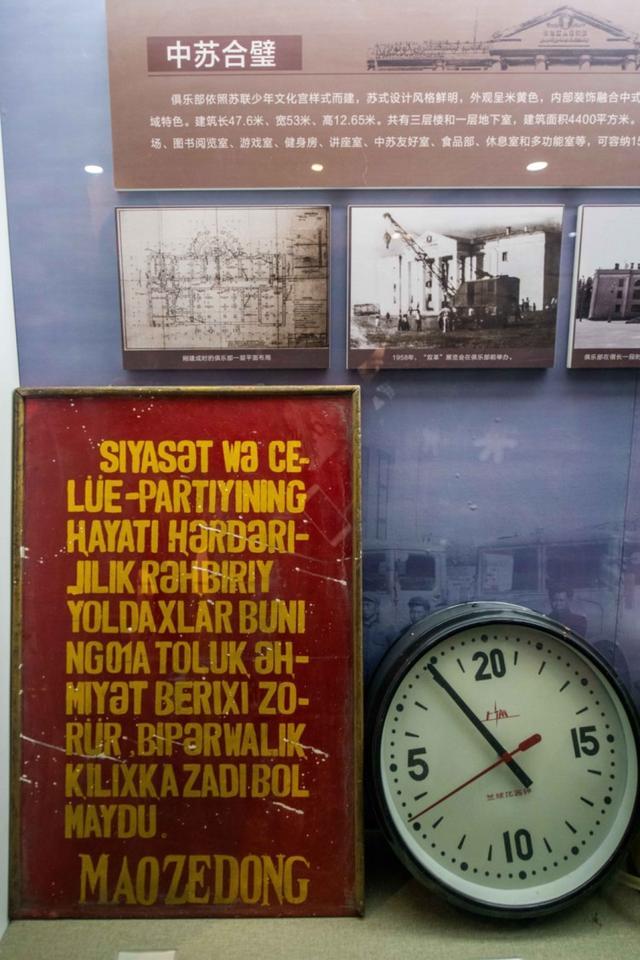
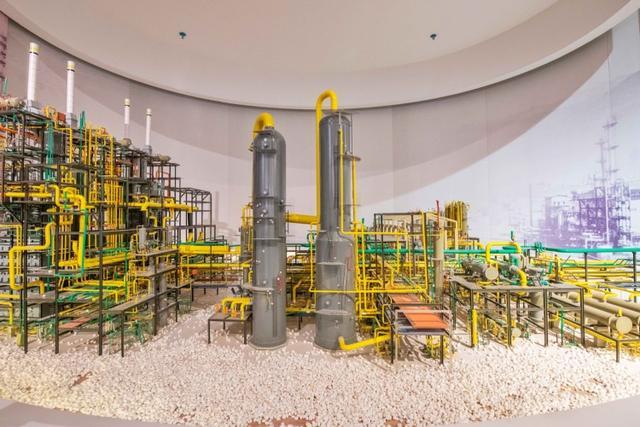
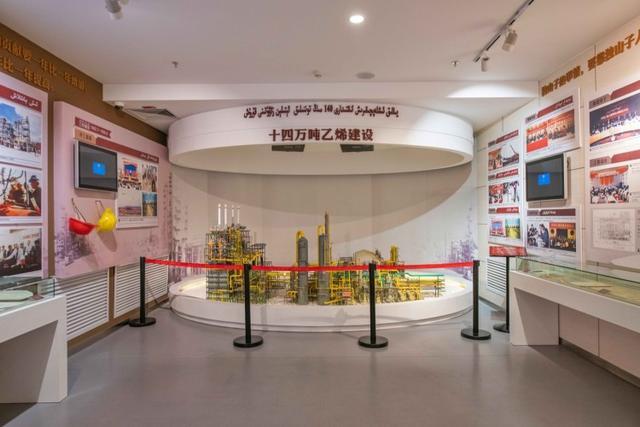
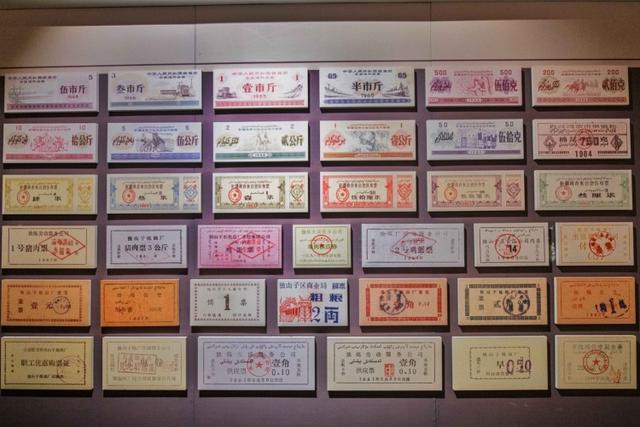
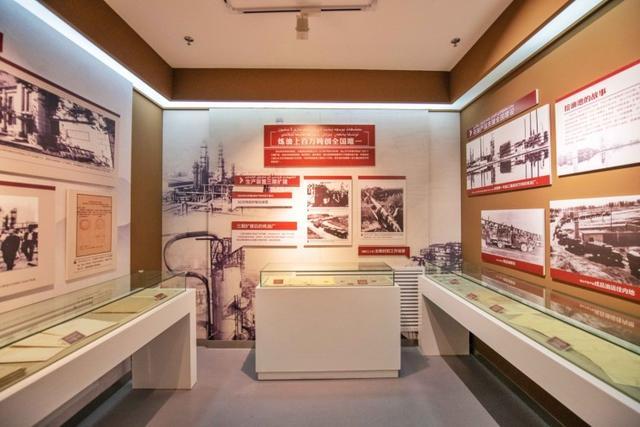
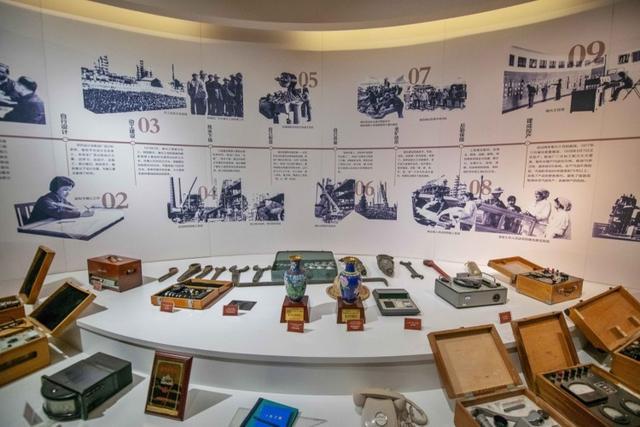
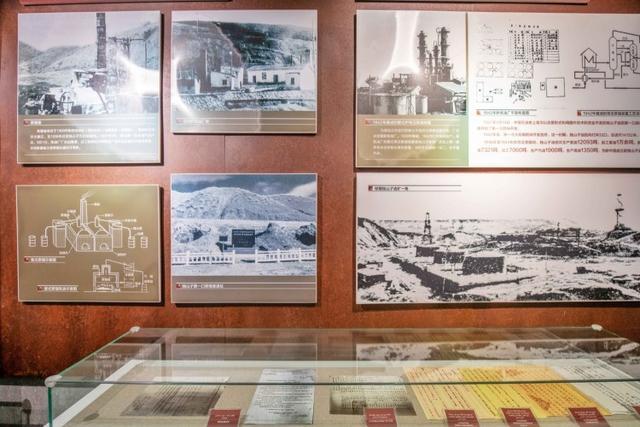
The museum has a total of three floors, mainly divided into two sections – the first floor, 'Oil City,' and the second floor, 'Charm New City.' The third floor is reserved for future exhibitions. The first floor utilizes over 800 precious historical photographs, more than 300 authentic documents and files, and over 200 historically significant artifacts to comprehensively introduce Dushanzi's epic journey and the brilliant footprints left by the people involved in its development.
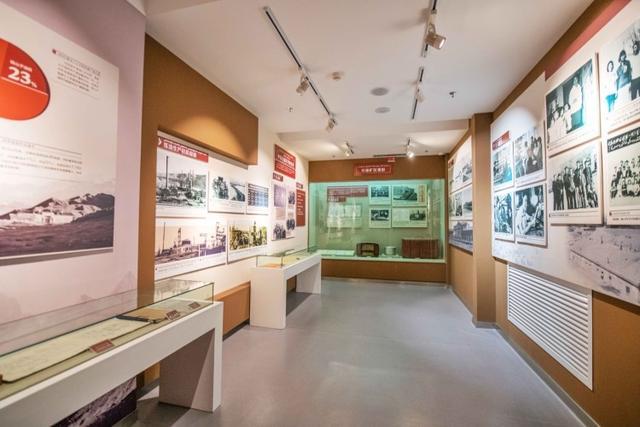
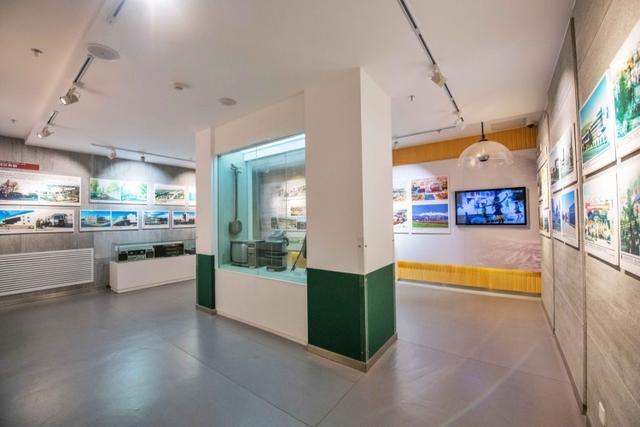
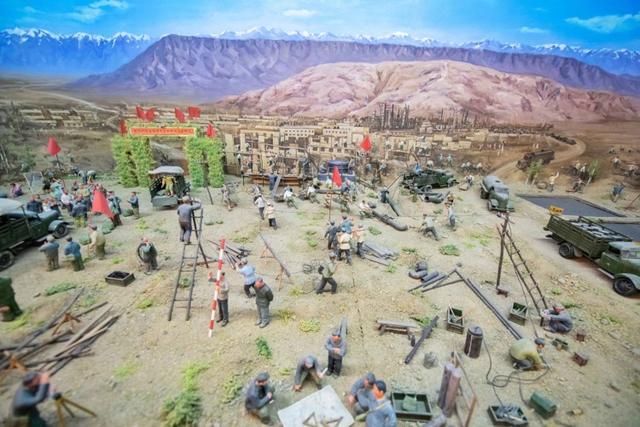
These stories and glories carry the spirits and sentiments of several generations. Presenting them in exhibitions can evoke both the emotions and admiration of the younger generation towards their predecessors. The highlight of the second floor is the use of a planning sand table, with 30+ sand sculptures, scenes, sand tables, and multimedia to tell the story of Dushanzi's oil and chemical industry's rise, as well as the city's comprehensive display of a bright future's development blueprint.
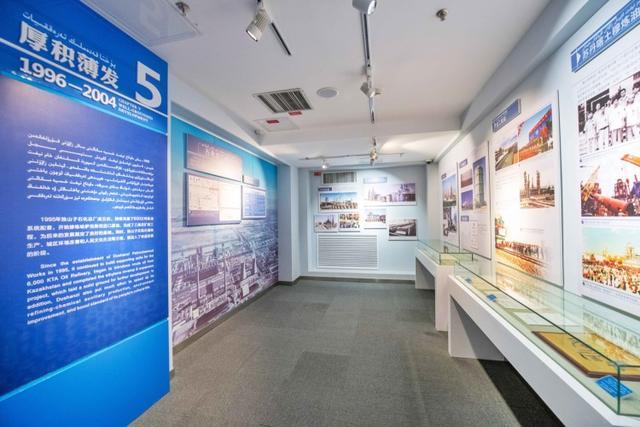
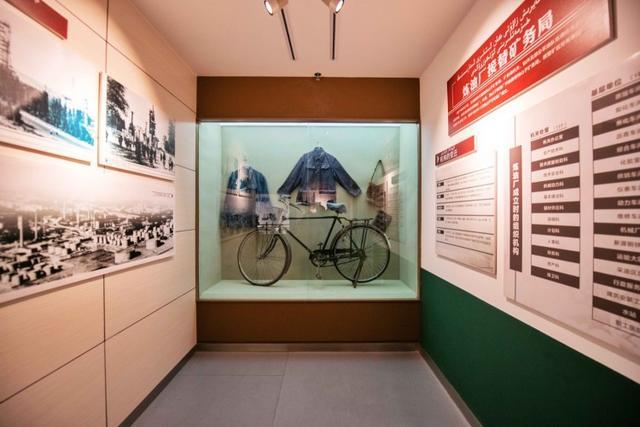
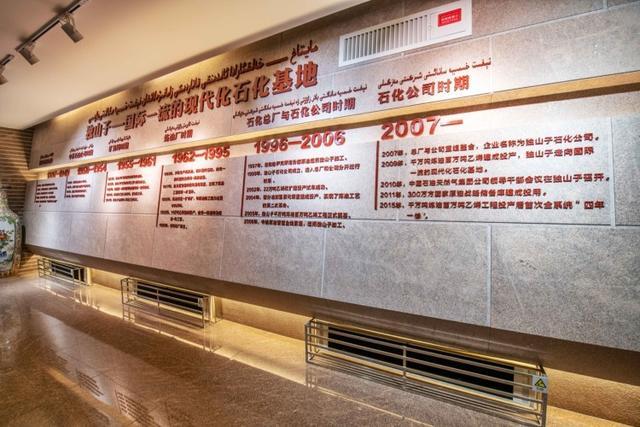
Although we didn't live in that era, according to the historical materials here, we can imagine everything the predecessors did in the Gobi Desert. Through their persistent and excellent spirit, they continuously searched for oil, extracted oil, transported oil, and refined it, creating a difficult and arduous road for oil development. Each item in the museum has its own story, and they are now quietly waiting for anyone willing to understand the story behind them. They leave not only the hardships of the past, but also the indomitable spirit of the times and the pursuit of progress. We not only need to remember how our predecessors came this far, but also understand how we should go forward.
Having seen this, please leave a message to the editor, do you want to go and see it?