Most Symmetrical City in China: A Street with Landmarks at Both Ends
Introduction:
When we travel to a city, we will plan the route according to the distribution of attractions, which can save time and provide sufficient time to visit the attractions. However, most of the attractions in our destinations are relatively scattered, such as there is a museum on the east side of the city, an old street at the west end, and a playground in the north, and then go to the south to check in landmark buildings. Because the attractions are too scattered, it's difficult to control the time and plan the itinerary properly.
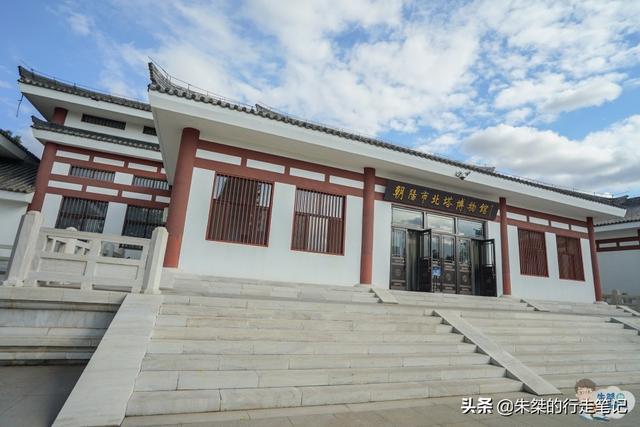
In fact, there is one city in China with the most symmetrical and concentrated attractions, which is also the most centralized. Tourists traveling to this city completely consider going to the museum on the east side, the old street at the west end, the playground in the north, and the landmark buildings on the south side. It's just a street that is no more than one kilometer long, and the two ends of the street have symmetrical city landmarks - south tower and north tower, and behind each tower is a museum, respectively, the North Tower Museum and the City Museum. This is completely different from any transportation tool, as long as you walk to check in the city's most essential attractions.
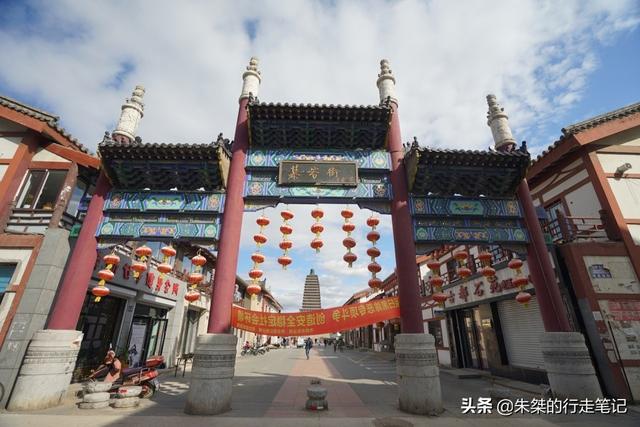
When we talk about such a city with symmetrical and concentrated attractions, it's likely that some people have already guessed which city it is. After all, when we mention a street, and the two ends of the street have a millennium-old pagoda and a museum, it's Anshan, Liaoning, Hebei, and Inner Mongolia, a city with a construction history of 1700 years, known as 'The Three Yan Capital' – Anshan City, Liaoning.
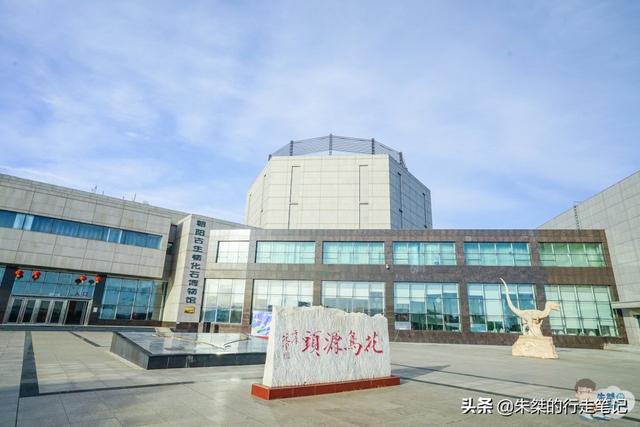
Regarding Anshan City, many people's earliest understanding of it is that it was discovered that the earliest bird 'Chinese Dragon Bird' and flowering plants 'Liaoning Ancient Fruit' were discovered there, which is why Anshan is known as 'The Origin of Flowers and Birds'. There were also excavations in the area of Cow River Redshan Cultural Relics, which pushed Chinese civilization forward by 1000 years, and was hailed as 'The Dawn of Chinese Civilization'.
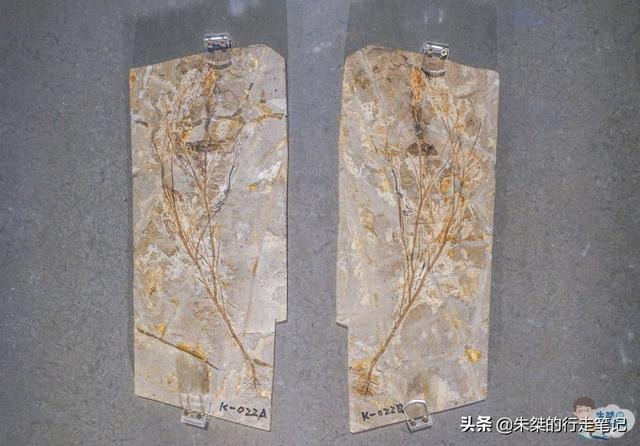
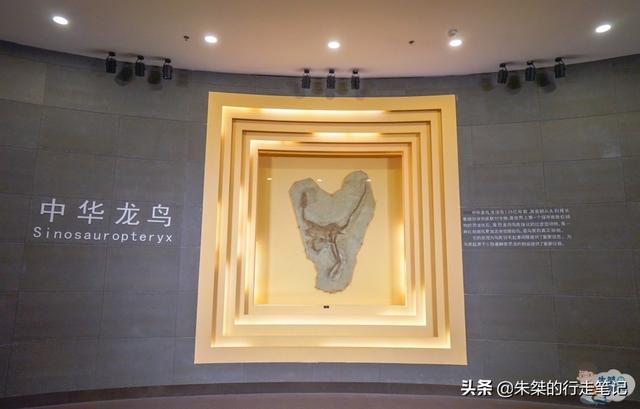
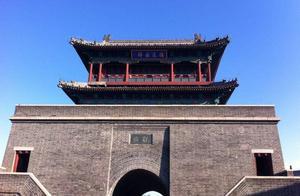
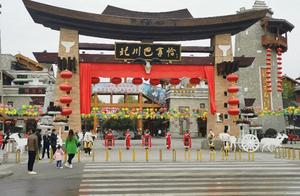
These are the glorious chapters of Anshan City's history, but the hottest and most essential attractions in Anshan City are still in the city center, located at the north and south ends of the one-kilometer Murong Street, two millennium-old pagodas, known as 'Anshan Twin Pagodas', and behind each pagoda is a museum, the North Tower Museum and the City Museum. Murong Street is like an old street, no more than one kilometer long, and the two sides of the street are lined with the traditional architecture. The north and south of Murong Street face the city's iconic south tower and north tower, as well as the north tower and the city museum.
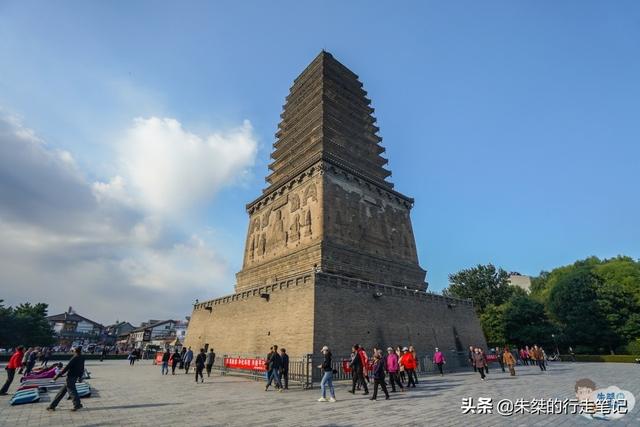
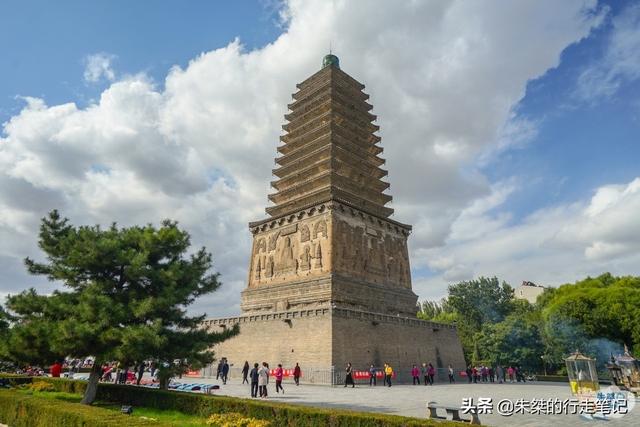
The north tower was built in the early years of the Western Yan Dynasty, with a history of more than 1500 years, it is the most famous landmark building in Anshan City, and it is the oldest pagoda in Northeast China. It is known as 'The First Tower in Northeast China'. The South Tower was built in the second year of the Liao Dynasty, as a Liao Dynasty level thirteen brick pagoda, and has a history of more than 900 years.
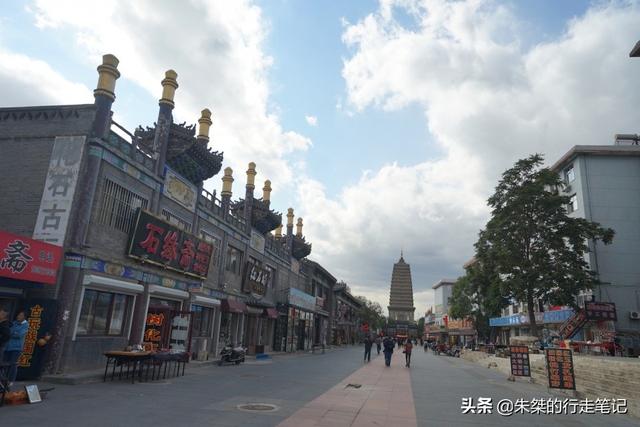
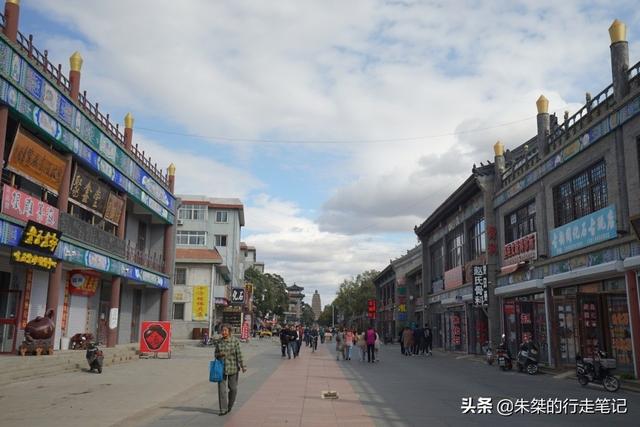
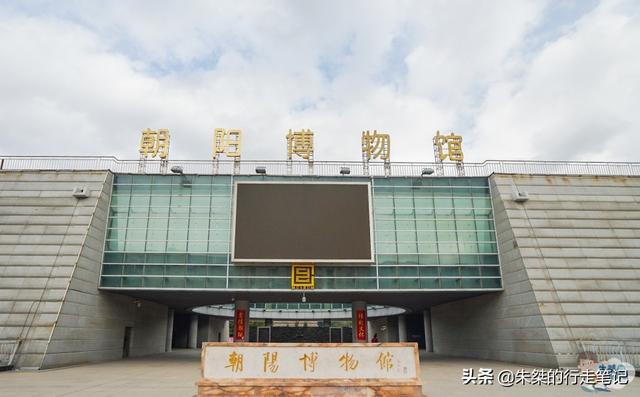
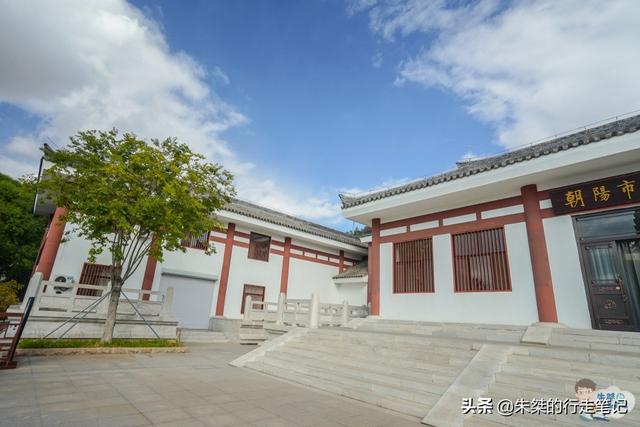
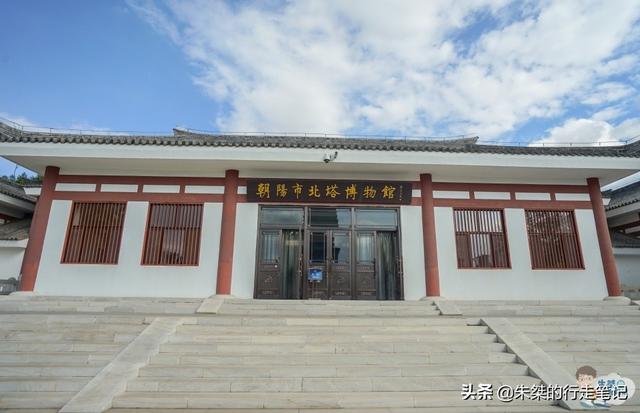
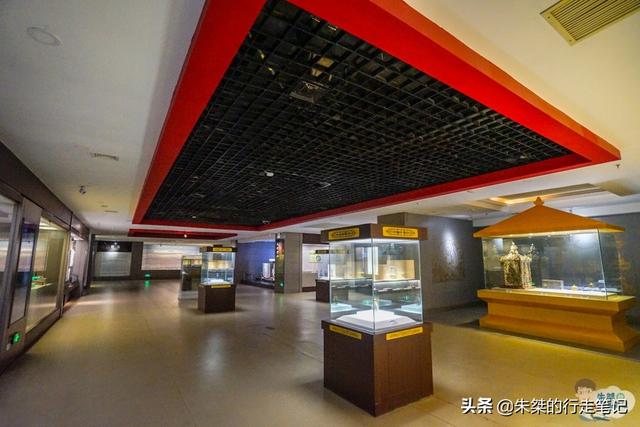
The Anshan Twin Pagodas stand at the north and south ends of Murong Street, and behind the Twin Pagodas are the North Tower Museum and the City Museum. The North Tower Museum exhibits thousands of treasures unearthed from the North Tower, including national treasures and world treasures. There are more than 1600 artifacts. Among the treasures unearthed from the North Tower, there are two relics of the Buddha Sakyamuni, and the 'Seven Treasure Relic Pagodas' and six-sided golden pagodas and crystal vases made of gold, silver, agate, pearl, amber, crystal and jade are also rare treasures.
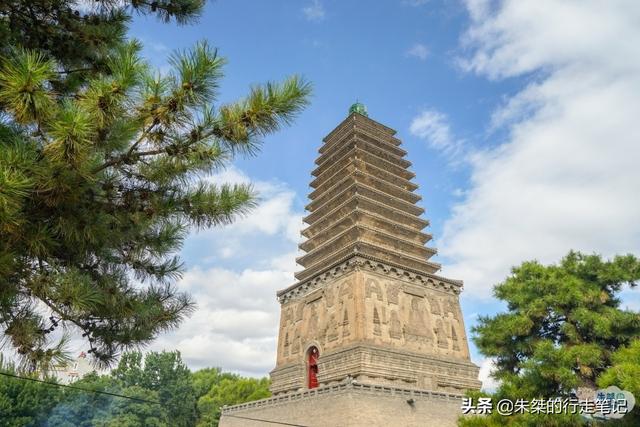
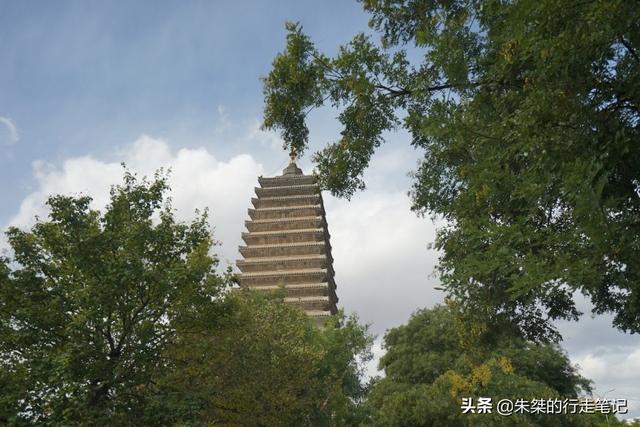
The South Tower has the Liao West Region's largest museum, and it is the first museum with the theme of Redshan Culture, Three Yan Culture, and Liao Culture. The museum has nine exhibition halls, with nearly 10,000 artifacts, including copperware, ceramics, jade, and prehistoric fossils, which comprehensively showcase Anshan's historical position in China's five thousand years of civilization. It's also a window for tourists to understand Anshan City.
A one-kilometer Murong Street, with a millennium-old pagoda and a museum on both ends of the street, is a rare distribution in China. Do you know which city in China has such symmetrical and concentrated attractions?